
Quality and Certification of Devices: Insights and Experiences from the Field
May 22, 2026
Cervical Disc Prosthesis in Quebec City: Avoid Loss of Movement After Surgery
May 22, 2026
Chronic spinal disorders represent a growing challenge for many Quebec patients, affecting mobility, comfort, and overall quality of life. Traditional surgical approaches, while sometimes necessary, often carry risks that lead many to seek alternative treatments. Neurovertebral decompression emerges as a modern, non-invasive solution that respects the natural biomechanics of the spine and addresses root causes of back pain with precision. This treatment combines advanced technology with a patient-centered methodology, offering tailored care that aligns with the unique needs of individuals suffering from spinal nerve compressions and related ailments. Understanding its mechanisms, benefits, and integration into the Quebec healthcare context is essential for patients looking for effective pain relief without surgery.
Quebec’s medical landscape is increasingly embracing interdisciplinary approaches that bridge chiropractic care, rehabilitation, and advanced orthopedic therapies. Neurovertebral decompression fits perfectly within this paradigm, providing relief by mechanically easing pressure on spinal nerves and intervertebral discs through controlled, gradual traction. This technique has garnered attention not only for its efficacy but also for its capacity to improve patients’ daily lives significantly—reopening avenues for physical activity, mental well-being, and long-term spinal health without invasive procedures. The collaboration of clinics across Quebec with international partners exemplifies an innovative healthcare model that optimizes treatment access and continuity of care.
Fundamentals of Neurovertebral Decompression: How It Relieves Pain and Restores Spine Health
The spine is a complex structure designed to support body weight, facilitate movement, and protect nerves that transmit signals to the central nervous system. Central to this structure are the intervertebral discs—gelatinous cushions that absorb shock during activities ranging from sitting to strenuous exercise. Over time, these discs can degenerate, losing hydration and elasticity, which causes the disc material to press against surrounding nerves. This compression is often the source of debilitating pain, numbness, and reduced mobility.
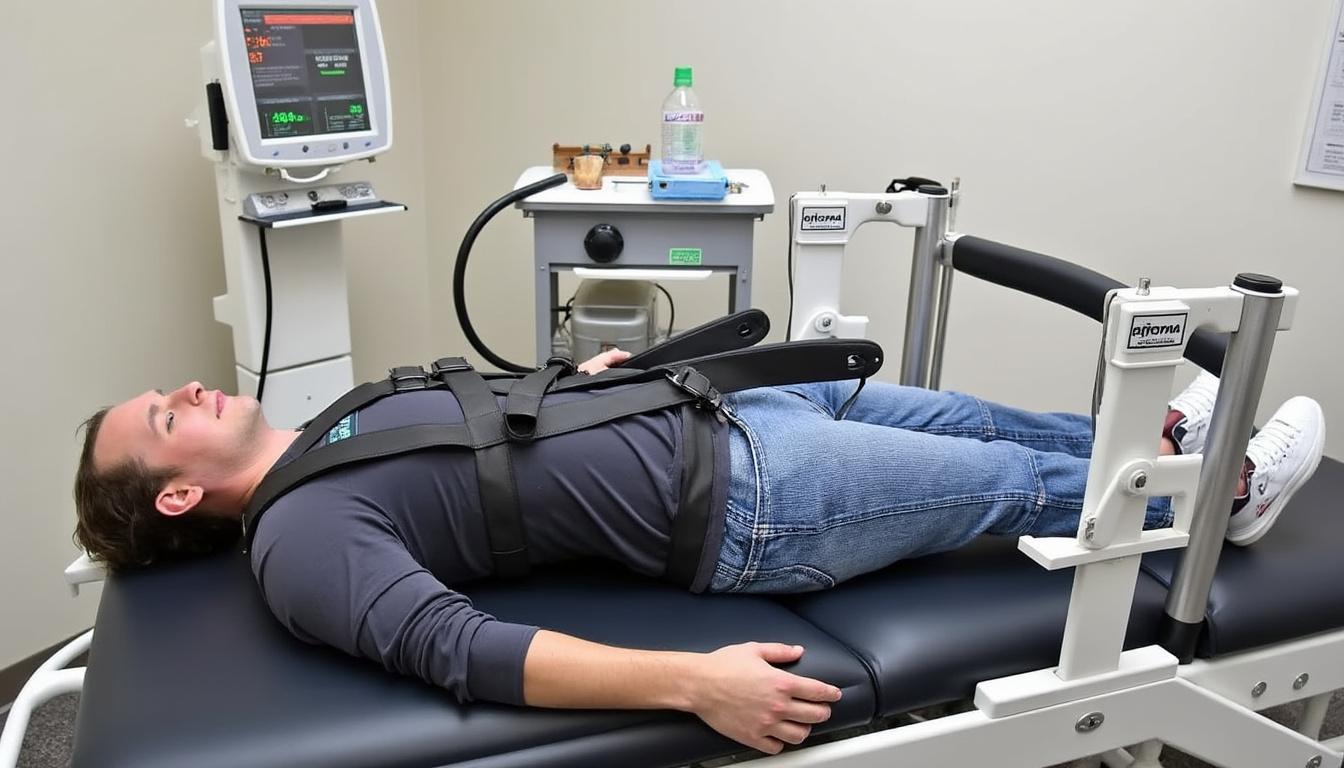
Neurovertebral decompression works by gently stretching the spine using a specialized table designed to administer carefully controlled traction. This gradual elongation reduces intradiscal pressure, allowing bulging or herniated discs to retract from nerve roots. As compression lessens, blood flow improves in the spinal region, increasing the delivery of essential nutrients to the discs and surrounding tissues, promoting regeneration and healing.
This process is completely non-invasive and pain-free. Patients often report immediate improvements in symptoms, especially in cases of herniated or bulging lumbar and cervical discs, spinal stenosis, and radiculopathy. The treatment can be personalized depending on the individual’s spinal condition, age, and body type, ensuring effective pain relief while preserving natural spinal mechanics.
For Quebec patients, the integration of this method into chiropractic and rehabilitation programs enhances overall recovery, reducing reliance on pain medications and invasive interventions. To learn more about the clinical applications and patient eligibility for this therapy, many turn to trusted sources like experienced chiropractic clinics that specialize in neurovertebral decompression.

Understanding Sciatic Pain: Key Symptoms and When to Seek Medical Advice
Sciatic pain is a prevalent condition impacting a wide demographic, manifesting primarily as intense pain radiating from the lower back down the leg. This pain stems from irritation or compression of the sciatic nerve, a major nerve extending through the…
The Biological and Mechanical Impact of Neurovertebral Decompression on Intervertebral Discs and Nerve Roots
Understanding the biological effects of decompression therapy helps appreciate why it can provide lasting spinal health benefits. Intervertebral discs depend largely on diffusion for nutrient exchange because they lack their own blood supply. When discs lose height and compress, the reduced nutrient flow accelerates degeneration. By decompressing the spine, the negative pressure inside discs is decreased, which facilitates rehydration and nutrient absorption, vital for disc regeneration.
Moreover, nerve roots affected by herniated discs or spinal canal narrowing experience less mechanical stress when decompression is applied. This reduction in pressure alleviates inflammation and interrupts pain signaling pathways that have often become sensitized in chronic conditions. For patients, this translates into decreased radiating pain in limbs and improved motor function.
Clinical studies show that repeated sessions over a defined protocol maximize these effects, fostering tissue repair and spinal realignment. The mechanical stretch also contributes to loosening muscle spasms and improving posture, resulting in a multi-faceted therapeutic benefit. Quebec patients have reported enhanced outcomes when neurovertebral decompression is combined with active rehabilitation exercises tailored to maintain spinal flexibility and strength.
Integrating chiropractic expertise with decompression therapy is crucial to monitor spinal biomechanics and ensure safe progression throughout the treatment course. For patients in Quebec seeking comprehensive programs, facilities offering combined care ensure an approach that respects individual healing rhythms and health goals.

The Stepwise Role of Functional Recovery in Achieving Successful Outcomes
The journey to full recovery following spinal surgery is often complex and multifaceted, demanding a meticulously structured approach to ensure optimal functional outcomes. In recent years, the concept of functional recovery through a stepwise approach has garnered significant attention in…
Customized Treatment Protocols for Quebec Patients Undergoing Neurovertebral Decompression
Each patient’s spinal condition is unique, requiring a personalized treatment plan that adapts neurovertebral decompression according to severity, symptoms, and lifestyle. Diagnostic steps typically include a detailed health history, physical examination, and advanced imaging such as MRI and X-ray to evaluate disc integrity and nerve involvement.
Once a diagnosis confirms the suitability of the procedure, treatment sessions are scheduled over several weeks. On average, patients undergo multiple decompression cycles per session, with precise control over traction force and duration to optimize comfort and therapeutic effect. The process typically lasts between 20 to 45 minutes per session, depending on the patient’s tolerance and response.
Safety protocols are strictly observed to avoid overstretching or exacerbating symptoms. Patients are continuously monitored and adjustments are made to align with evolving spinal conditions and patient feedback.
The collaborative approach involves chiropractors, physiotherapists, and osteopaths working closely with medical consultants specializing in spine care. Quebec clinics such as TAGMED Clinic offer multidisciplinary teams who design integrated programs incorporating neurovertebral decompression, manual therapy, and rehabilitation exercises to enhance function and expedite recovery.

Transatlantic Patient Journey: Insights into Indications, Benefits, and Challenges
The emergence of the Transatlantic Patient Journey as a strategic model within healthcare continues to capture attention for its innovative potential, especially in specialized fields such as spinal surgery. This cross-border care pathway integrates rigorous medical evaluation from Quebec with…
International Coordination and Support Networks for Quebec Patients Accessing Advanced Spine Treatments
One remarkable facet of neurovertebral decompression therapy available to Quebec patients is the seamless international collaboration enabling access to cutting-edge techniques and surgical options when necessary. This model ensures that patients receive thorough evaluation and care coordination from initial consultation, through treatment, and follow-up.
Partnerships between Quebec healthcare providers and specialists in France, supported by organizations such as SOS Tourisme Médical and Franchir, facilitate treatment pathways that combine state-of-the-art conservative therapies with minimally invasive surgical options when indicated. These collaborations also streamline administrative logistics, including travel arrangements, accommodation, and appointment scheduling, reducing the burden on patients and caregivers.
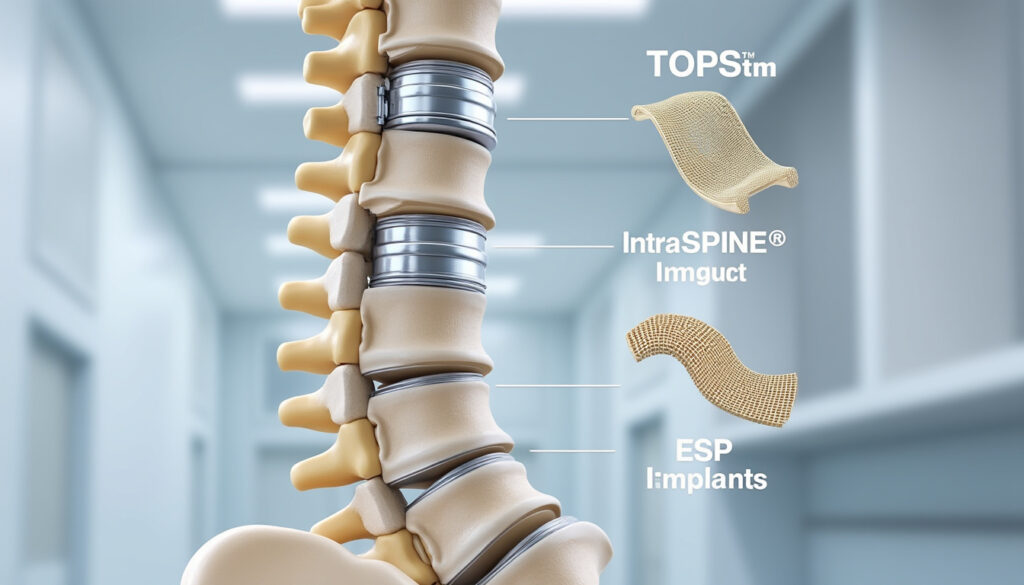
For cases where surgery cannot be avoided, this transatlantic cooperation ensures access to advanced spinal implants like TOPS, Intraspine, and disc prostheses currently approved by health authorities. The integration of surgical follow-up with rehabilitation services such as Neurothérapie Montreal further supports long-term recovery and ensures the best possible clinical outcomes.
This international network exemplifies an evolved patient care philosophy focused on accessibility, safety, and personalized treatment plans aimed at restoring spinal health efficiently and compassionately.
The evolving field of spinal surgery is witnessing a transformative shift, fueled by cutting-edge implant technologies such as TOPS, Intraspine, and ESP. These innovative implants redefine treatment possibilities by emphasizing preservation of natural spinal mechanics, while ensuring durable stabilization and…
Biomechanical Advantages and Patient-Centered Benefits of Neurovertebral Decompression
Neurovertebral decompression not only targets mechanical aspects of spinal pathology but also supports holistic patient wellness. By specifically relieving pressure on nerves, the treatment addresses one of the core contributors to chronic pain syndromes, enabling patients to reduce or eliminate their dependence on analgesics.
The treatment facilitates the restoration of normal spinal spacing, which improves mobility and reduces stiffness, allowing patients to regain activities that were once limited by pain. This positive physical impact is often accompanied by psychological benefits, as reduced pain and improved function restore confidence and motivation.
Rehabilitation programs integrated with decompression therapy target muscle imbalances and postural corrections, preventing recurrence and strengthening spinal support. This dual approach ensures not only effective symptom relief but also the prevention of future spinal injuries.
Key advantages include:
- Targeted reduction of nerve root pressure to alleviate chronic pain.
- Enhanced spinal mobility through restoration of intervertebral disc height.
- Promotion of natural disc healing via improved nutrient exchange.
- Non-invasive approach minimizing surgical risks.
- Psychological support through improved physical health and quality of life.
The accompanying table compares neurovertebral decompression to surgical interventions, highlighting why many Quebec patients prefer initiating conservative care when possible.
| Criterion | Neurovertebral Decompression | Spinal Surgery |
|---|---|---|
| Invasiveness | Non-invasive | Invasive |
| Recovery Duration | Short to medium term | Long, variable by procedure |
| Risk Profile | Minimal and controlled | Infection, complications possible |
| Preservation of Mobility | Optimal | Often reduced especially with fusion |
| Cost and Accessibility | More accessible and affordable | Higher cost and longer wait times |
| Post-Treatment Support | Specialized rehabilitation available | Requires inpatient follow-up and rehab |

Preparing for Surgery in France: Key Indications, Benefits, and Limitations
In an evolving global healthcare landscape, France emerges as a beacon of advanced surgical expertise, particularly attracting international patients seeking expedited and innovative medical interventions. Patients from regions experiencing long wait times, such as Quebec, increasingly view France as an…
The Critical Role of Conservative Treatment Before Considering Surgery
Medical consensus strongly emphasizes that spinal surgery should only be considered after a comprehensive trial of conservative treatments lasting at least three to six months. This preliminary phase is essential to explore all effective options that might relieve pain and improve function without exposing patients to surgical risks.
In Quebec, clinics emphasizing neurovertebral decompression underscore its importance in the pathway to spinal health. At institutions such as TAGMED, patients are guided through scientifically validated protocols combining decompression with manual therapies and carefully supervised rehabilitation. This approach maximizes symptom relief and spinal stabilization in a safe, ethical framework.
When these methods fail to provide sufficient benefit, coordinated referrals to surgical experts, supported by administrative facilitators like SOS Tourisme Médical, help patients transition smoothly to advanced surgical interventions. This integrated model ensures that surgery is a well-informed, last-resort option rather than a first reaction.
Ultimately, prioritizing conservative management not only aligns with best practice guidelines but also enhances patient autonomy and satisfaction throughout their treatment journey.


Unveiling the Hidden Benefits of Quality and Certification in Devices
The landscape of device manufacturing and clinical application in 2026 has been fundamentally shaped by the rigorous interplay between quality management and certification processes. Within this complex framework, the hidden benefits of adhering to international standards and obtaining relevant certifications…
Technological Innovations Enhancing Neurovertebral Decompression and Spine Surgery in Quebec
Advances in robotic navigation and 3D imaging have revolutionized spine care, complementing neurovertebral decompression therapies by improving diagnosis accuracy and surgical precision. The advent of FDA-approved robotic-assisted spine surgery platforms in North America, including Canada, allows surgeons to minimize tissue damage and enhance postoperative outcomes.
Quebec’s growing access to these cutting-edge technologies is supported by specialized training programs, such as the Endoscopic Spine Course – IRCAD Strasbourg 2025 and the DIU Chirurgie du Rachis certification, available to local spine specialists. These initiatives ensure that both conservative and surgical spine interventions meet the highest international standards.
For patients, this means that whether through non-invasive decompression or minimally invasive surgery, their spine care benefits from continuous technological improvements, resulting in better pain management, shorter recovery, and lower complication rates.
Combining innovations with compassionate clinical practice positions Quebec as a leader in managing complex spinal disorders effectively.
Why Experts Advocate for Comprehensive Preoperative Evaluations
In the complex and demanding field of spinal surgery, the emphasis on comprehensive preoperative evaluations has become a fundamental pillar supporting successful surgical outcomes. These evaluations, far beyond mere routine checks, integrate detailed analyses of patient health, surgical risk assessments,…
Patient Experiences and Rehabilitation Success Stories from Quebec
Many Quebec patients suffering from chronic back pain have found hope and relief through neurovertebral decompression treatment. For example, individuals with severe lumbar disc herniations, previously debilitated by pain and limited mobility, have reported significant improvement after completing decompression protocols combined with chiropractic care and targeted rehabilitation.
Patients often highlight the importance of a holistic approach involving education about spinal health, active participation in therapy, and ongoing monitoring. Several success stories underscore how combining decompression with physiotherapy promotes long-lasting improvements beyond immediate pain relief—such as enhanced posture, strength, and resilience against future spinal issues.
These narratives illustrate the transformative potential of non-invasive spinal therapies in Quebec’s healthcare environment. For those interested in patient-centered care, clinics offering integrated neurovertebral decompression and rehabilitation services can provide tailored programs that address both physical symptoms and psychological well-being.
For additional detailed case studies, ongoing patient guidance, and advanced treatment options, resources like regional chiropractic centers specializing in disc decompression offer comprehensive support to Quebec’s community.
{“@context”:”https://schema.org”,”@type”:”FAQPage”,”mainEntity”:[{“@type”:”Question”,”name”:”What conditions can neurovertebral decompression effectively treat?”,”acceptedAnswer”:{“@type”:”Answer”,”text”:”Neurovertebral decompression is particularly effective for conditions like herniated and bulging discs, spinal stenosis, radiculopathy, and post-surgical pain. It helps reduce nerve root pressure and promotes disc healing.”}},{“@type”:”Question”,”name”:”Is neurovertebral decompression painful or invasive?”,”acceptedAnswer”:{“@type”:”Answer”,”text”:”The procedure is non-invasive and generally pain-free. It involves gentle, computer-controlled traction that stretches the spine without causing discomfort, making it a safe option for most patients.”}},{“@type”:”Question”,”name”:”How long does a typical treatment course last?”,”acceptedAnswer”:{“@type”:”Answer”,”text”:”Treatment protocols often extend over several weeks, with multiple sessions per week. Session length ranges between 20 and 45 minutes, tailored to the patient’s tolerance and condition severity.”}},{“@type”:”Question”,”name”:”Can neurovertebral decompression replace spine surgery?”,”acceptedAnswer”:{“@type”:”Answer”,”text”:”While neurovertebral decompression can alleviate symptoms and improve function, it is primarily a conservative treatment. Surgery is considered only if conservative care fails after thorough evaluation.”}},{“@type”:”Question”,”name”:”Are chiropractic and rehabilitation therapies important alongside decompression?”,”acceptedAnswer”:{“@type”:”Answer”,”text”:”Absolutely. Combining neurovertebral decompression with chiropractic care and rehabilitation enhances treatment outcomes by addressing spinal alignment, muscle balance, and functional recovery.”}}]}What conditions can neurovertebral decompression effectively treat?
Neurovertebral decompression is particularly effective for conditions like herniated and bulging discs, spinal stenosis, radiculopathy, and post-surgical pain. It helps reduce nerve root pressure and promotes disc healing.
Is neurovertebral decompression painful or invasive?
The procedure is non-invasive and generally pain-free. It involves gentle, computer-controlled traction that stretches the spine without causing discomfort, making it a safe option for most patients.
How long does a typical treatment course last?
Treatment protocols often extend over several weeks, with multiple sessions per week. Session length ranges between 20 and 45 minutes, tailored to the patient’s tolerance and condition severity.
Can neurovertebral decompression replace spine surgery?
While neurovertebral decompression can alleviate symptoms and improve function, it is primarily a conservative treatment. Surgery is considered only if conservative care fails after thorough evaluation.
Are chiropractic and rehabilitation therapies important alongside decompression?
Absolutely. Combining neurovertebral decompression with chiropractic care and rehabilitation enhances treatment outcomes by addressing spinal alignment, muscle balance, and functional recovery.
Understanding Neurovertebral Decompression
Explore the key benefits and aspects of this non-invasive spinal therapy designed especially for chronic back pain relief, tailored for Quebec patients.
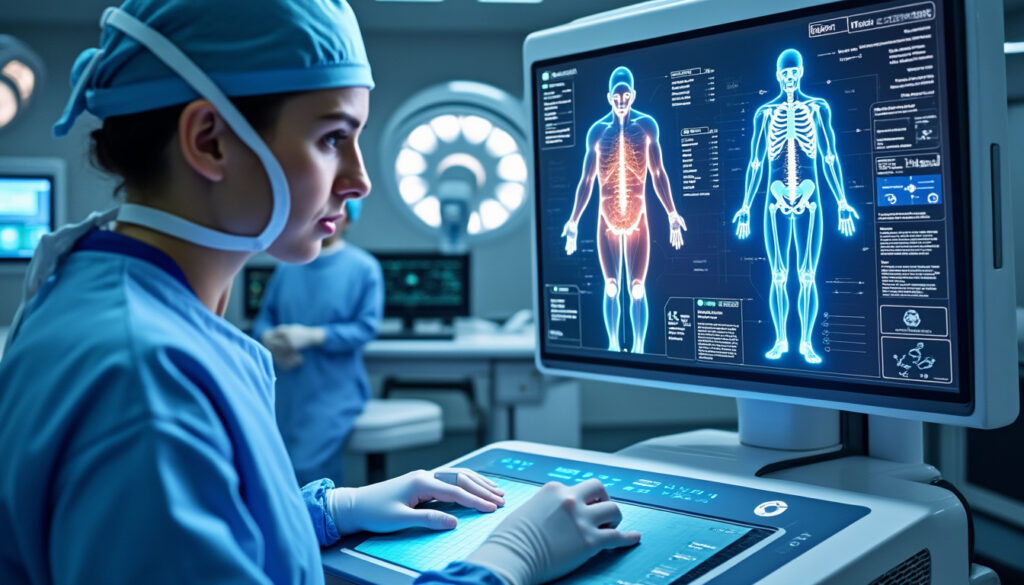
The Future of Surgery Lies in Stepwise Functional Recovery
The evolution of surgical care in 2026 reveals a compelling shift toward approaches that prioritize the holistic recovery of patients, moving beyond traditional metrics like length of hospital stay or mortality rates. This modern paradigm highlights the principle that the…