Managing Herniated Discs in Repentigny: A Comprehensive Guide to Neurovertebral Decompression Therapy and Follow-Up Care
May 21, 2026
Can Integrating rTMS Post-Surgery Help Patients Avoid Additional Surgical Interventions?
May 21, 2026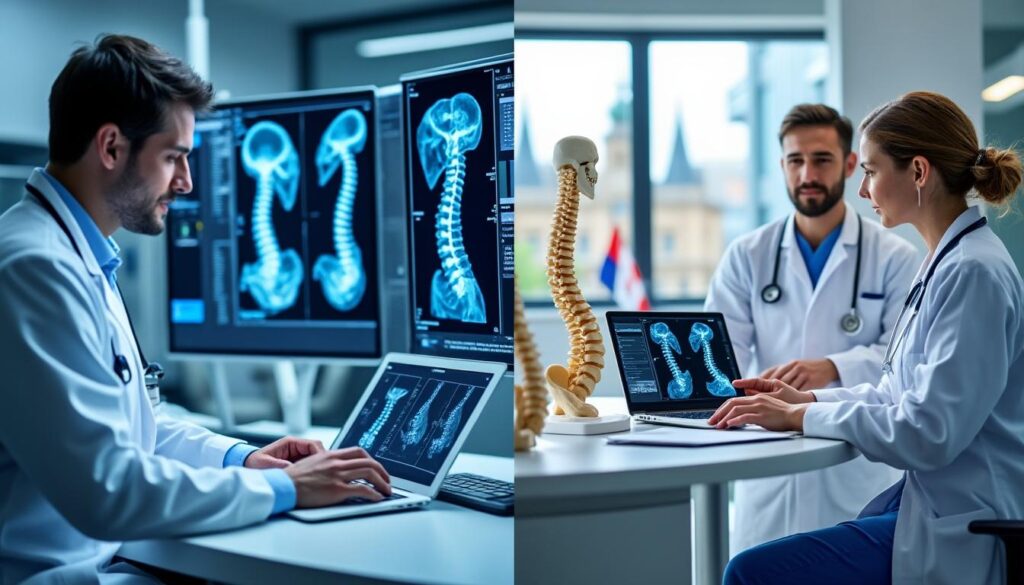
Spinal disorders represent a prevalent health challenge globally, impacting patient quality of life and posing significant treatment complexities. Comparing how two distinct regions, France and Quebec, approach spinal care offers valuable insights into the organization, innovation, and patient outcomes associated with different healthcare models. France’s universal healthcare system, supported by a broad social insurance framework, contrasts with Quebec’s integrated public network that often grapples with prolonged waiting times and resource limitations. This comparison highlights essential factors influencing treatment protocols, rehabilitation strategies, and the overall efficacy of care pathways.
Amid rising chronic back pain cases, stakeholders in the medical community look to transatlantic collaborations, combining French surgical advancements with Quebec’s emphasis on multidisciplinary and conservative management. Examining such partnerships reveals evolving trends that enhance patient safety, optimize economic investment in healthcare, and leverage cutting-edge technologies like robotic neurovertebral decompression. It is within this blend of diverse strategies that fresh paradigms for spinal care emerge, setting benchmarks for improved clinical outcomes and patient satisfaction.
Organizational Differences Shaping Spinal Care in France and Quebec
Understanding the frameworks underpinning spinal care delivery in France and Quebec is critical to appreciating their respective strengths and limitations. France operates under a health insurance system predominantly funded through social security contributions, offering near-immediate access to specialists and a variety of surgical techniques. The decentralized model enables patients to navigate care pathways with minimal bureaucratic barriers, leading to shorter wait times for spinal interventions.
Conversely, Quebec’s public healthcare system is structured around integrated health and social services centers (CISSS/CIUSSS), where specialist access mandates primary care referral. While this system excels in comprehensive chronic care management, it often results in extended waiting periods, particularly for complex spinal surgeries. This organizational design accentuates preventive and conservative treatments, relying heavily on physiotherapy and neurovertébral decompression methods such as those practiced in high-level clinics like TAGMED in Terrebonne.
This divergence creates a natural complementarity, prompting international cooperation that enhances patient pathways. Collaborative efforts coordinate preliminary evaluations and conservative care in Quebec with advanced surgical interventions in France. This dual-system approach evidences the benefit of tailored healthcare strategies that respect regional constraints yet aspire to deliver state-of-the-art spinal treatment, minimizing recovery times and improving functional outcomes.

Protocols Governing Specialist Access and Patient Flow
French patients often access specialist spinal care without the necessity of primary care referrals due to the universal coverage design. This direct accessibility permits expedited diagnostic and treatment processes, which is critical in acute cases requiring timely surgical intervention. Contrarily, Quebec requires gatekeeper referrals which, while ensuring a coordinated care network, introduce delays that can hinder timely surgical management of spinal disorders.
To mitigate these challenges, Quebec’s focus on high-level conservative treatments aims to reduce surgical demand by enhancing early intervention effectiveness. This includes technologies like robot-assisted spinal decompression that help alleviate symptoms and preserve spinal function without immediate surgery. Such treatment protocols underscore a patient-centered approach that prioritizes rehabilitation and quality of life.

Understanding Neurovertebral Decompression: A Guide for Quebec Patients
Chronic spinal disorders represent a growing challenge for many Quebec patients, affecting mobility, comfort, and overall quality of life. Traditional surgical approaches, while sometimes necessary, often carry risks that lead many to seek alternative treatments. Neurovertebral decompression emerges as a…

Quality and Certification of Devices: Insights and Experiences from the Field
In the rapidly evolving landscape of medical technologies, the quality assurance and certification of devices have become pivotal in ensuring patient safety and optimizing clinical outcomes. Particularly in complex fields like spinal surgery, stringent compliance with regulatory frameworks helps bridge…
Innovative Surgical Techniques in France Enhancing Spinal Care Outcomes
France is recognized as a leader in developing and adopting advanced spinal surgery techniques tailored to preserve vertebral mobility and optimize biomechanical stability. These innovations have profound implications, particularly for patients seeking alternatives to traditional fusion surgeries.
Among the notable surgical advancements are minimally invasive procedures and dynamic stabilization implants such as the TOPS and Intraspine systems. These devices preserve spinal motion and prevent adjacent segment degeneration, offering superior long-term functionality. The utilization of robot-assisted endoscopic approaches further advances surgical precision, lowering complication rates and expediting patient recovery.
The diversity of surgical options available in France reflects a commitment to personalized care, where interventions are carefully selected based on thorough preoperative assessment. Collaborations with engineering firms specializing in biomaterials have resulted in implants with enhanced biomechanical properties, further improving patient outcomes and reducing revision rates.
Comparing Surgical Techniques: Benefits for Quebec Patients
Quebec patients accessing French spinal surgery benefit from exposure to surgical methods not widely available in North America. These include motion-preserving implants and intricate robot-assisted microsurgical decompressions. For example, a patient with degenerative disc disease in Quebec may opt for implantation of dynamic devices in France, enabling better functional restoration than fusion could offer locally.
Furthermore, advancements in French surgical robotics, including 3D imaging and navigation platforms by companies like eCential Robotics, augment the accuracy of screw placement and minimize nerve injury risks. These technologies are gradually conceptualized in Quebec, but their full integration remains limited, necessitating transatlantic referrals for complex cases.

How to Effectively Prepare for Surgery in France: A Comprehensive Guide
Undergoing surgery in a foreign country can be a complex and demanding endeavor. France, renowned for its advanced healthcare system and cutting-edge surgical techniques, attracts many patients seeking top-tier medical care. However, preparing for surgery in France involves meticulous planning,…
Can Integrating rTMS Post-Surgery Help Patients Avoid Additional Surgical Interventions?
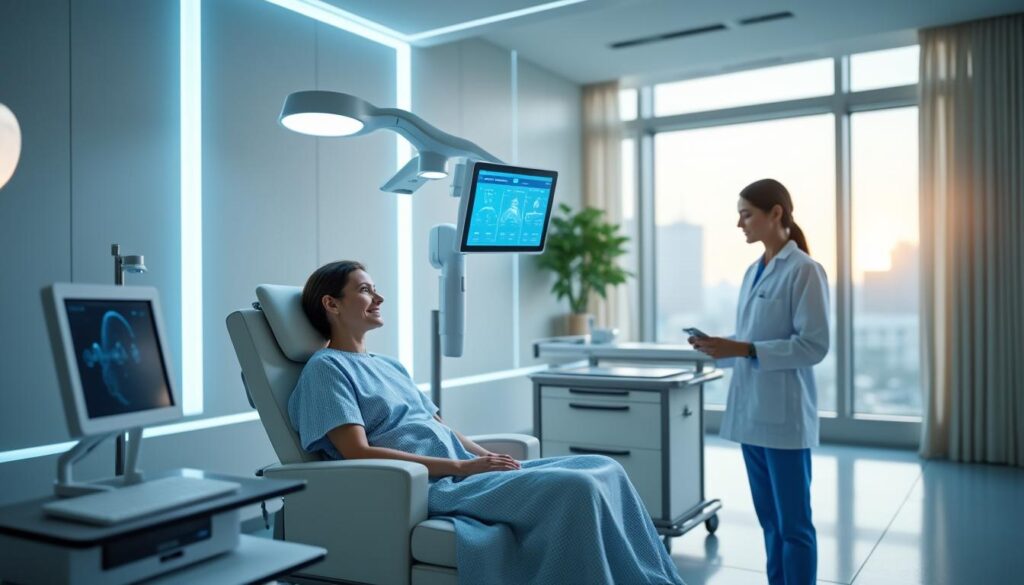
The integration of repetitive transcranial magnetic stimulation (rTMS) into post-surgical care has emerged as a transformative advancement in enhancing patient recovery after spinal surgery. This non-invasive neuromodulation technique offers a promising adjunct to traditional rehabilitation programs, potentially minimizing the need…
Multidisciplinary Care Pathways: Integrating Conservative Treatments and Surgery
Care for spinal disorders demands a coordinated approach combining conservative treatment modalities and surgical services. Both France and Quebec prioritize non-surgical care as a first-line strategy, emphasizing physiotherapy, pain management, and innovative decompression techniques. However, the structure and delivery differ markedly.
In Quebec, specialized clinics leverage robot-assisted decompression therapies, fostering significant symptom relief without surgery. The prolonged conservative phase, usually spanning 3 to 6 months, adheres to strict clinical protocols aligned with ethical standards to optimize surgical candidacy. Conversely, France incorporates preoperative rehabilitation programs designed to enhance patient preparedness and maximize postoperative recovery potential.
Such protocols underscore the importance of patient-centered assessment and treatment modification based on ongoing clinical feedback. The integration of these pathways ensures that surgery is reserved for cases unresponsive to conservative measures, optimizing resource usage and minimizing patient risk.

- Early conservative management to reduce unnecessary surgeries
- Utilization of robotic neurovertebral decompression technologies
- Customized surgical planning based on precise diagnostics
- Postoperative rehabilitation tailored to individual patient needs
- Transatlantic follow-up ensuring continuous care quality

International Comparison: Spotlight on the Transatlantic Patient Journey
In an era where healthcare demands grow increasingly complex, the transatlantic patient journey offers an illuminating example of how international collaboration enhances access, quality, and outcomes. Facing stretched healthcare systems and extended wait times, patients from regions such as Quebec…

Initial Questionnaires and Exams: The Cornerstones of Patient Care Pathways
In the evolving landscape of healthcare, initial questionnaires and exams hold an indispensable role in shaping patient care pathways. These foundational tools act as the first critical step in determining the course of treatment, particularly for complex medical arenas such…
Economic and Human Benefits of France-Quebec Collaboration in Spinal Care
The alliance between French surgical expertise and Quebec’s integrated care model presents multiple economic and humanistic advantages. Logistical coordination through agencies like Franchir streamlines patient transitions, reduces administrative burdens, and enables cost-effective treatment schedules, even when factoring in international travel expenses.
From a human perspective, patients experience improved communication and care continuity, fostering trust and adherence to treatment plans. Medical tourism in spinal care, particularly for complex cases, offers access to innovations often unavailable locally, enhancing recovery rates and reducing long-term disability costs.
This collaborative framework also promotes knowledge exchange, advancing both countries’ medical communities toward shared excellence and innovation. The combination of rapid surgical access, rigorous conservative care, and comprehensive rehabilitation signifies a robust approach to spinal health management, aligned with contemporary patient-centric healthcare ethics.
The Future of Surgery: Rehabilitation and Return to Work at the Forefront
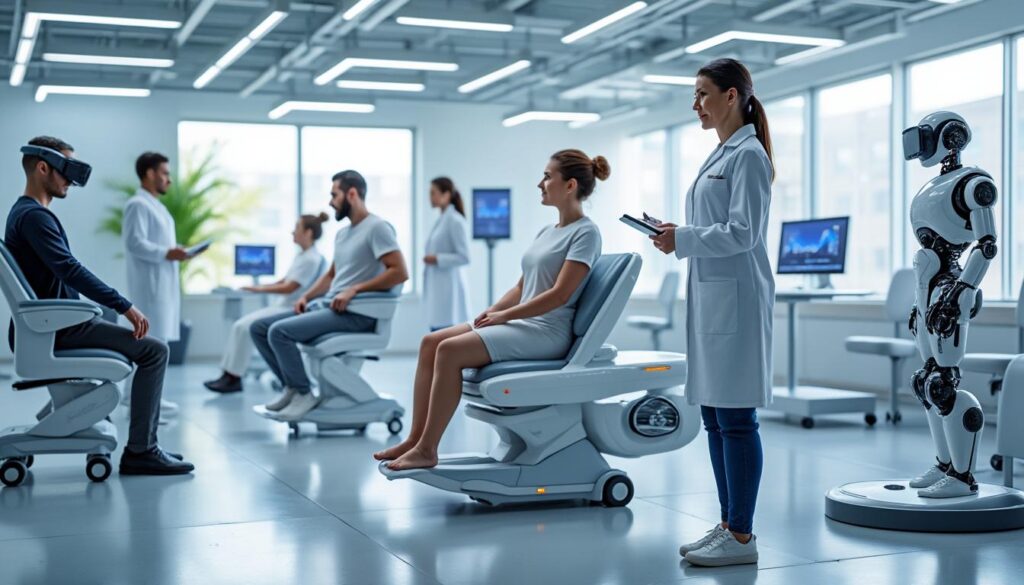
As surgical techniques evolve with unprecedented sophistication, the landscape of postoperative care is undergoing a revolutionary transformation. The future of surgery is not confined solely to the operating room; rather, it encompasses a holistic approach that integrates advanced rehabilitation and…

How to Effectively Prepare for Spinal Surgery in France
Spinal surgery represents a significant step in many patients’ lives, often prompted by chronic pain, mobility issues, or degenerative conditions that impair quality of life. In the context of 2026, France stands out as a premier destination for spinal surgery…
Postoperative Rehabilitation and Follow-Up for Sustained Patient Outcomes
Successful spinal surgery extends beyond the operating room, relying on meticulous rehabilitation and follow-up. In the France-Quebec care continuum, postoperative protocols are designed to optimize functional recovery and minimize complications. Upon returning to Quebec, patients benefit from specialized centers such as Neurothérapie Montréal, which provide tailored rehabilitation services including physical therapy, pain management, and psychological support.
This continuum is supported by coordinated communication between French surgical teams and Quebec rehabilitation specialists, enabling dynamic adjustments to care plans. This collaborative approach ensures timely identification and management of any post-surgical issues, enhancing long-term patient outcomes and satisfaction.
Training and Education Initiatives Bridging Spinal Care Expertise Across Borders
Educational programs such as the Diplôme Inter-Universitaire de Chirurgie du Rachis by the Société Française de Chirurgie Rachidienne and intensive workshops like the EUROSPINE Spinal Endoscopy Courses provide vital platforms for knowledge sharing. These programs contribute to harmonizing treatment standards and fostering surgical excellence across both regions.
Quebec’s clinicians increasingly participate in French training to gain mastery over novel surgical techniques and technologies, enhancing local capabilities. Simultaneously, French specialists utilize insights from Quebec’s integrated care model to refine patient management. This bidirectional educational exchange promotes evidence-based practice uniformly, ultimately benefiting patients through continuously improved care quality.
Technological Advances Driving the Future of Spinal Care Pathways
Technological innovations remain at the core of evolving spinal care in both France and Quebec. The integration of 3D imaging, robotic assistance, and motion-preserving implants exemplify modern treatment protocols that enhance surgical precision and patient recovery. French centers lead in the adoption of endoscopic techniques and dynamic stabilization devices, setting new standards in spinal surgery.
Meanwhile, Quebec’s investment in advanced conservative therapies and rehabilitation technology demonstrates commitment to holistic care. The future of spinal health management hinges on synergistic use of these innovations, ensuring personalized, safe, and cost-effective approaches.
| Spinal Care Aspect | France | Quebec |
|---|---|---|
| Healthcare Framework | Universal coverage, social insurance funded | Public integrated centers (CISSS/CIUSSS), gatekeeper referrals |
| Specialist Access | Direct, minimal wait times | Referral-based, longer waits |
| Surgical Techniques | Advanced, motion-preserving implants, robotic assistance | Limited dynamically stabilized implants, emphasis on conservative care |
| Conservative Treatment | Initial stage, integrated with surgery | Primary focus with specialized neurovertebral decompression |
| Postoperative Follow-Up | Structured rehabilitation programs | Specialized rehab centers with continuous monitoring |
For in-depth analysis on how health systems handle spinal disorder pain management, research comparing Quebec and France healthcare is invaluable. Moreover, those interested in the transformative impact of setting care pathways across regions can explore insights on why experts advocate comparing spinal care practices.
Comparison of Key Spinal Care Features in France and Quebec
Filter table rows by feature keywords
| Feature | France | Quebec |
|---|
No matching features found.
How do treatment protocols differ between France and Quebec for spinal disorders?
France emphasizes direct specialist access and surgical innovation, while Quebec focuses on conservative treatment before surgery. The balance ensures optimal patient outcomes across the care continuum.
What innovative surgical techniques in France benefit Quebec patients?
Motion-preserving implants such as TOPS and Intraspine, along with robot-assisted surgeries, provide Quebec patients access to advanced, less invasive options unavailable locally.
How is postoperative rehabilitation managed in the France-Quebec care pathway?
Postoperative rehabilitation involves coordinated follow-up between French surgical teams and Quebec centers like Neurothérapie Montréal, focusing on personalized recovery and complication prevention.
Why is conservative treatment important before considering spinal surgery?
Initial conservative management, including robotic neurovertebral decompression, reduces unnecessary surgeries and prepares patients for better surgical outcomes.
What economic benefits arise from the collaboration between France and Quebec in spinal care?
The collaboration optimizes healthcare resource use, minimizes patient inactivity, and leverages cost-effective international surgical options, improving quality and efficiency of care.