Preparing for Neurovertebral Decompression Therapy: Effective Treatment for Herniated Disc in Sainte-Anne-de-Bellevue
November 11, 2025
Effective Step-by-Step Preparation for Functional Recovery
November 12, 2025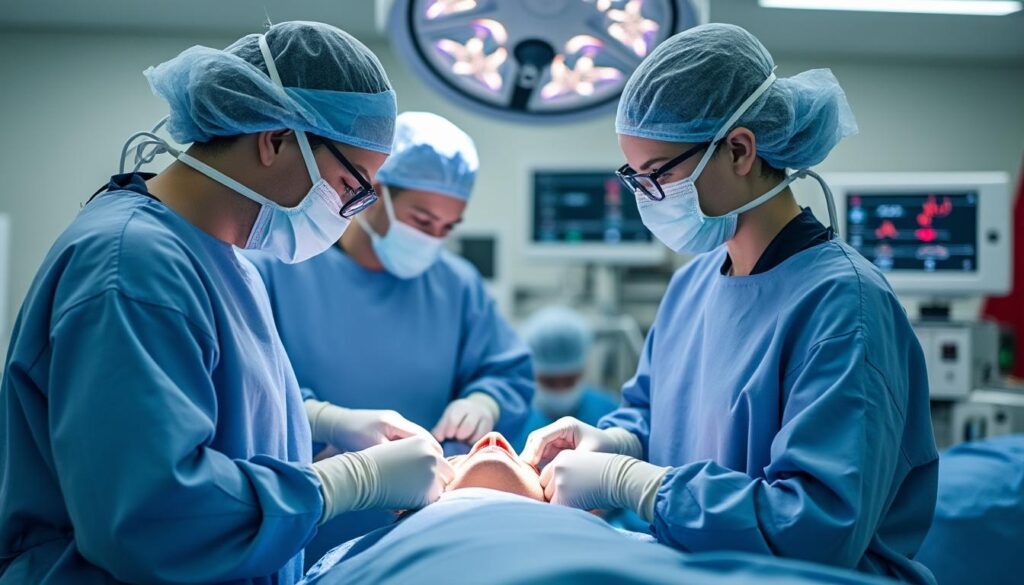
The pursuit of effective spinal surgery frequently draws patients from across the globe, and France has increasingly emerged as a distinguished destination for those seeking advanced spinal care. Patients grappling with the impact of chronic back pain or spinal disorders often face daunting challenges, including lengthy wait times in their home countries. In this milieu, France offers not only cutting-edge surgical techniques and technologies but also an integrative care pathway designed to maximize recovery and preserve spinal mobility. This article delves deeply into the personal stories and insightful experiences of patients who have embarked on the journey of spinal surgery in France, shedding light on the multidisciplinary efforts, the innovations of French Spine Experts, and the supportive networks that facilitate their recovery.
Chronic spinal conditions affect physical well-being and substantially influence patients’ everyday activities and emotional outlook. The collaboration between French specialists and the Quebec healthcare system illustrates an inspiring model of international medical cooperation. It enables Quebecois patients to circumvent burdensome delays and access personalized care plans featuring dynamic implants and minimally invasive procedures. Patient Spine Insights reveal not only the efficacy of new therapeutic options but also emphasize the crucial human elements—education, psychological support, and continuous follow-up—that accompany successful outcomes. This narrative offers a comprehensive exploration of SpineJourney France, reflecting a holistic vision of spinal wellness rooted in both technological progress and compassionate medical practice.
Innovations and Surgical Techniques Highlighting French Spine Solutions
France boasts a technologically sophisticated landscape for spinal surgery, combining innovative implants and minimally invasive methods tailored to various spinal pathologies. The application of dynamic spinal implants, such as the TOPS system and IntraSPINE, represents a transformative approach that significantly diverges from traditional fusion surgeries. These implants maintain segmental mobility, reduce adjacent segment degeneration, and contribute to faster functional recovery.
A clear example is the TOPS implant, which replicates the function of facet joints while retaining natural spinal motion. This is particularly beneficial for patients suffering from lumbar spinal stenosis or degenerative disc diseases. The IntraSPINE device acts by buffering mechanical forces dynamically, supporting spinal stability without rigid fusion. This approach aligns with contemporary goals of preserving motion and decreasing postoperative pain outcomes.
Alongside dynamic implants, French centers continue to offer traditional arthrodesis for severe deformities or instability—such as advanced scoliosis or spondylolisthesis—where enduring stabilization and correction are primary objectives. Facilities like the Centre National de la Chirurgie du Rachis and DosExpert France combine expert surgical technique with state-of-the-art equipment to optimize these interventions.
Endoscopic and minimally invasive surgery further exemplifies French leadership in spinal care. The ability to operate through micro-incisions reduces tissue trauma, lowers infection risks, and shortens hospitalization times. For conditions like herniated discs and isolated nerve compressions, these advanced techniques provide patients with discreet scarring and rapid return to daily activities.
| Technique | Main Indications | Advantages | Reference Centers |
|---|---|---|---|
| Dynamic Implants (TOPS, IntraSPINE) | Lumbar stenosis, segmental instability | Motion preservation, pain reduction, rapid recovery | Clinique TAGMED, Rachis Innovation, Centre du Rachis Paris |
| Arthrodesis and Spinal Fusion | Severe deformities, scoliosis, spondylolisthesis | Long-term correction, stabilization, complication prevention | Centre National de la Chirurgie du Rachis, DosExpert France |
| Minimally Invasive and Endoscopic | Disc herniation, isolated nerve compressions | Less pain, rapid recovery, minimal scarring | Centre Rachis Expert, France Rachis Solutions |
These centers specialize in employing tailored interventions, ensuring patients receive care that fits their unique clinical profiles. The integration of French Spine Experts’ knowledge with the latest technical advancements provides an exceptional framework for restoring spinal health.

Understanding Sciatic Pain: Key Symptoms and When to Seek Medical Advice
Sciatic pain is a prevalent condition impacting a wide demographic, manifesting primarily as intense pain radiating from the lower back down the leg. This pain stems from irritation or compression of the sciatic nerve, a major nerve extending through the…
Comprehensive Transatlantic Patient Pathway for Spinal Surgery
The experience of undergoing spinal surgery in France is underpinned by careful coordination and seamless logistics, especially for international patients from Quebec. The pathway begins with a thorough evaluation at local clinics such as Clinique TAGMED in Terrebonne and Montreal, where specialists including Dr. Sylvain Desforges conduct detailed medical assessments and implement specialized conservative treatments.
Prioritizing non-invasive options, patients undergo therapies like robotic-assisted neurovertébral decompression—a method favoured to alleviate symptoms and preserve spinal integrity whenever possible. This essential step, recommended for a duration of three to six months, helps determine if surgical intervention is necessary while maximizing natural recovery potential.
Once surgical consideration is warranted, the organization of travel and treatment is entrusted to Franchir. This coordinated service assists in selecting the most suitable surgeons and healthcare facilities, managing administrative formalities, and arranging accommodations to reduce patient stress and optimize timelines.
Upon arrival in France, patients receive comprehensive preoperative consultations and advanced imaging evaluations at institutions such as Rachis Santé or Institut Rachis & Neuro. Surgical teams employ innovative techniques with meticulous attention to patient safety and personalized care plans.
Following surgery, patients return to Quebec where Neurothérapie Montréal provides dedicated post-operative follow-up and rehabilitation programs tailored to individual recovery needs. This continuous collaboration between French and Canadian healthcare professionals exemplifies SpineCare France’s commitment to ensuring sustained patient well-being throughout the entire treatment journey.
| Step | Key Actors | Goals | Affiliated Institutions |
|---|---|---|---|
| Initial Evaluation & Conservative Treatment | Dr. Sylvain Desforges and TAGMED Team | Optimize non-surgical care, patient assessment | Clinique TAGMED (Terrebonne & Montreal) |
| Orientation and Travel Coordination | Franchir | Streamline logistics, reduce wait times | Franchir.eu |
| Hospitalization and Surgery | French Spine Surgeons | Perform safe, innovative surgery | Rachis Santé, Institut Rachis & Neuro |
| Post-Operative Care & Rehabilitation | Neurothérapie Montréal | Ensure recovery, manage pain | Neuromtl.com |
This structured approach, emphasizing a transparent and supportive transition throughout, reflects a profound dedication to patient confidence and clinical excellence.

The Stepwise Role of Functional Recovery in Achieving Successful Outcomes
The journey to full recovery following spinal surgery is often complex and multifaceted, demanding a meticulously structured approach to ensure optimal functional outcomes. In recent years, the concept of functional recovery through a stepwise approach has garnered significant attention in…
The Essential Role of Conservative Treatments Before Surgery in France
Spinal surgery carries inherent complexities and risks, making it vital to exhaust non-operative treatments before proceeding to surgery. In France, there is a strong ethical and medical emphasis on engaging patients in an extensive conservative treatment period. This phase, led by experts like Dr. Sylvain Desforges, involves techniques such as neurovertébral decompression, physiotherapy, and ergonomic education.
This carefully supervised period, usually three to six months, serves multiple purposes:
- Identification of cases that might improve without surgical intervention.
- Pain reduction and functional improvement through targeted therapies.
- Preparation of spine and patient for potential future surgery for better outcomes.
- Enhancing patient understanding through detailed education about their condition and treatment options.
The increasing application of robotic and computer-controlled decompression techniques broadens the scope of effective non-surgical spinal care. This therapeutic window not only improves patient safety but aligns with the values of Spine Wellness France, prioritizing minimal invasiveness and individualized care.
| Aspect | Purpose of Conservative Phase | Impact on Care Journey |
|---|---|---|
| Recommended Duration | 3 to 6 months | Allows thorough evaluation and conservative management trial |
| Therapeutic Methods | Neurovertébral decompression, specialized physiotherapy, ergonomic advice | Reduces pain, improves function |
| Surgery Eligibility | Considered only after conservative treatment failure | Informed and safer decisions for surgery |
| Educational Support | Transparent information and guidance | Empowers patient involvement and compliance |
This conservative approach, widely documented and supported by French guidelines, mitigates unnecessary surgeries and enhances the overall quality of spinal healthcare.
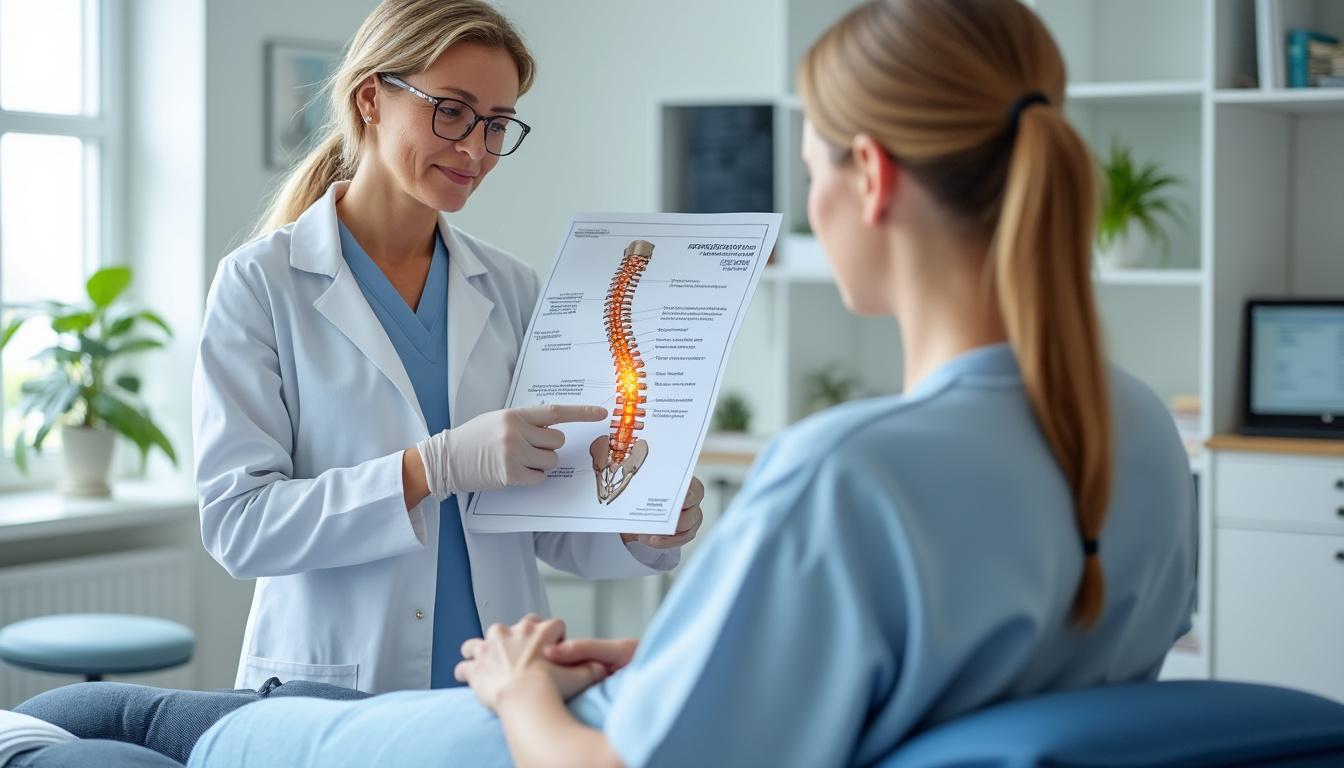

Transatlantic Patient Journey: Insights into Indications, Benefits, and Challenges
The emergence of the Transatlantic Patient Journey as a strategic model within healthcare continues to capture attention for its innovative potential, especially in specialized fields such as spinal surgery. This cross-border care pathway integrates rigorous medical evaluation from Quebec with…
Biometrics, Economic Efficiency, and Humanistic Value of the French Spinal Surgery Experience
Choosing spinal surgery in France offers a spectrum of benefits that reflect beyond technical success alone. Strong biomechanical advantages arise from the use of dynamic implants like TOPS and IntraSPINE, which are designed to minimize the degeneration of adjacent spinal segments often seen with rigid fusion. Patients enjoy an enhanced range of motion, diminished postoperative pain, and faster restoration of daily activities.
Economic considerations are crucial, especially for international patients. French surgical care presents competitive pricing, often with comprehensive packages that cover evaluation, surgery, travel coordination, and rehabilitation. This integrated approach reduces indirect costs related to extended waiting, multiple consultations, and prolonged recovery periods.
Moreover, the human dimension is central. The collaborative framework prioritizes patient counseling, psychological support, and a clear, empathetic dialogue throughout treatment. This patient-centered care reinforces motivation and adherence to rehabilitation protocols, which are decisive factors in successful spine surgery outcomes.
| Benefit Type | Details | Concrete Impact For Patients |
|---|---|---|
| Biometric | Use of dynamic implants to preserve mobility | Improved recovery and long-term quality of life |
| Economic | Transparent, cost-effective comprehensive packages | Overall savings and efficient resource use |
| Human | Personalized support and empathetic communication | Reduced anxiety and increased engagement |
These advantages consolidate the position of France Spine Clinic and related networks as global leaders in spinal surgery and integrated patient care.
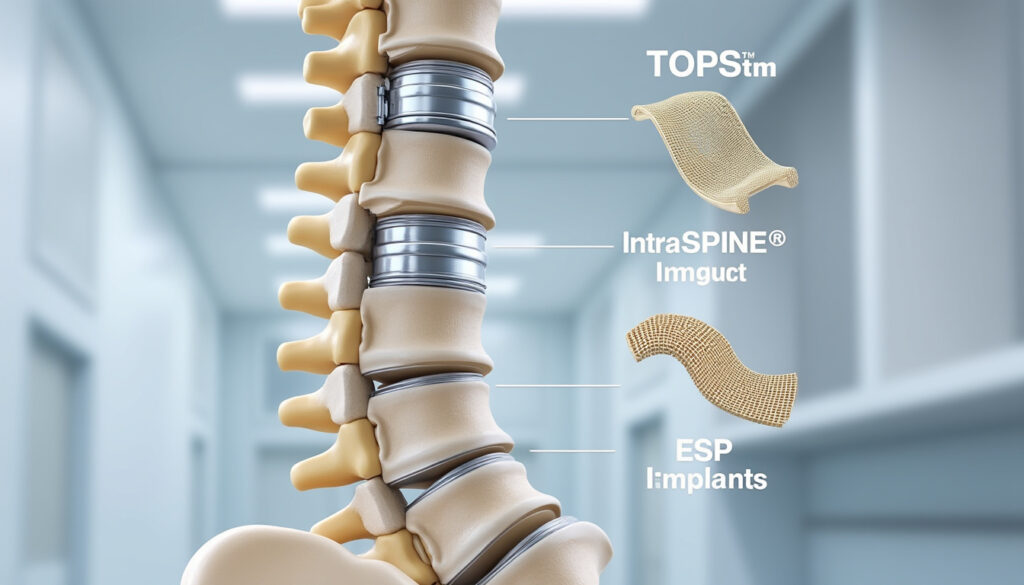
The evolving field of spinal surgery is witnessing a transformative shift, fueled by cutting-edge implant technologies such as TOPS, Intraspine, and ESP. These innovative implants redefine treatment possibilities by emphasizing preservation of natural spinal mechanics, while ensuring durable stabilization and…
Patient Stories: Real-Life Perspectives on Spinal Surgery in France
The personal journeys of patients who have undergone spinal surgery in France offer profound insights and inspiration. Many highlight the compassionate reception, skilled surgical teams, and technological sophistication as fundamental pillars of their positive experiences. The stories often underscore a significant reduction in chronic pain and a gradual return to physical and social activities once inhibited by spinal conditions.
Platforms such as Spine Journey France’s patient stories and BackStory France testimonials host a multitude of narratives illustrating transformative outcomes. These accounts emphasize trust built through transparent communication, clear explanations, and a supportive multidisciplinary team approach.
Many patients also express gratitude towards the post-operative care and rehabilitation services that form an integral part of the surgical pathway, contributing extensively to their overall satisfaction and sustained health improvements.
| Aspect of Experience | Common Patient Feedback | Positive Outcome |
|---|---|---|
| Communication & Openness | Professionals attentive and informative | Enhanced trust and patient confidence |
| Technical Excellence | State-of-the-art technology, meticulous surgery | Durable results and pain relief |
| Postoperative Support | Consistent follow-up, personalized rehab | Optimized recovery trajectories |
| Seamless Care Coordination | Efficient transatlantic collaboration | Minimal stress, smooth transitions |
These testimonials not only reinforce the importance of holistic treatment but also encourage prospective patients to pursue care pathways that emphasize both advanced medical expertise and human connection.


Preparing for Surgery in France: Key Indications, Benefits, and Limitations
In an evolving global healthcare landscape, France emerges as a beacon of advanced surgical expertise, particularly attracting international patients seeking expedited and innovative medical interventions. Patients from regions experiencing long wait times, such as Quebec, increasingly view France as an…
Challenges and Realities: Patient Experiences Highlighting Common Concerns
While the stories of successful recovery are numerous, the road of spinal surgery can also involve challenges. Some patients report slower than anticipated progress, residual mobility limitations, or intermittent pain despite technically successful procedures. These realities underscore the need for individualized rehabilitation and patience through the healing process.
Forums such as Patient Spine Insights community discussions effectively share challenges and coping strategies, fostering a collective understanding among those facing spinal surgery. Recognizing that outcomes can vary encourages realistic expectations and highlights the importance of ongoing medical support.
- Physical and emotional challenges during recovery
- Variability in mobility restoration timelines
- Coping mechanisms and supportive care essentials
- Strategies to manage pain and improve function
Addressing these concerns openly contributes to improved patient education and better preparation, factors acknowledged by French Spine Solutions as integral to comprehensive patient-centered care.

Unveiling the Hidden Benefits of Quality and Certification in Devices
The landscape of device manufacturing and clinical application in 2026 has been fundamentally shaped by the rigorous interplay between quality management and certification processes. Within this complex framework, the hidden benefits of adhering to international standards and obtaining relevant certifications…
Emerging Trends: The Future of Spinal Surgery in France and Its Global Impact
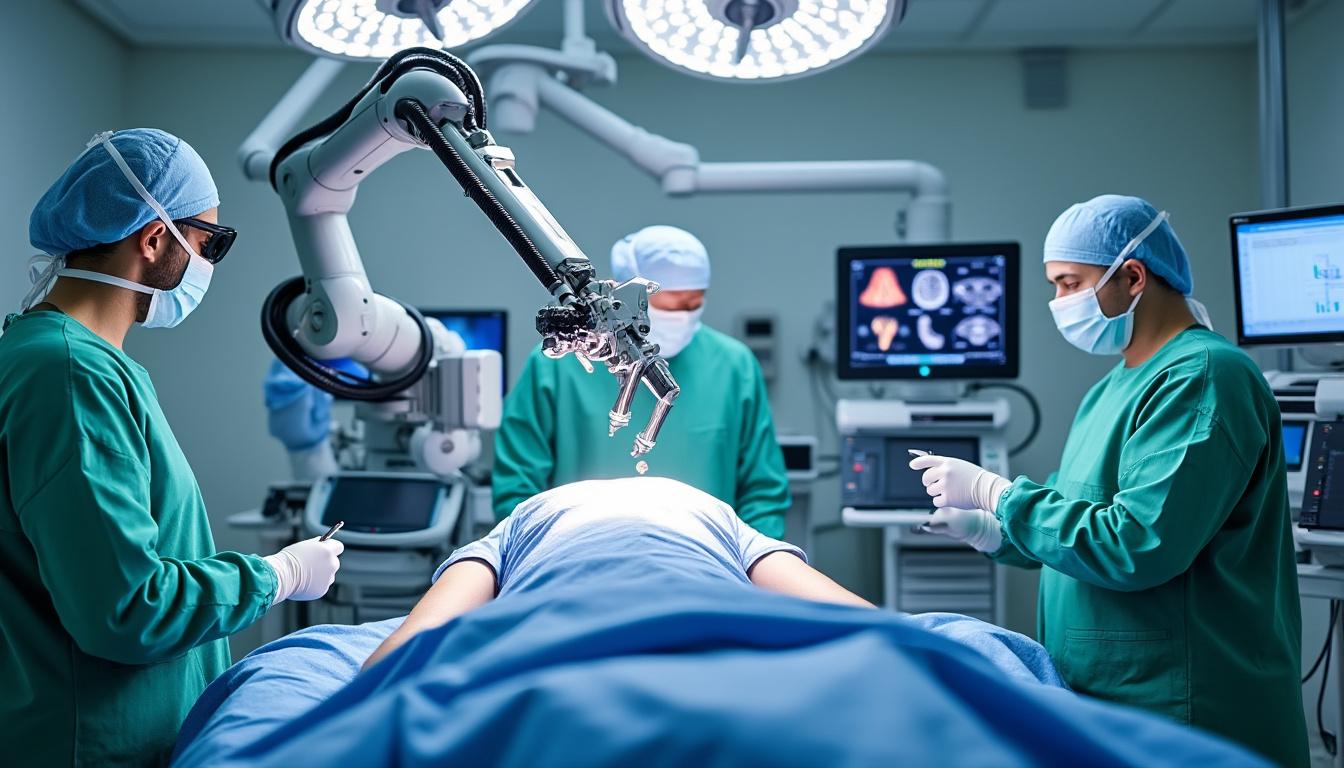
The field of spinal surgery in France is rapidly evolving, with innovations such as robotic-assisted procedures, 3D imaging-guided navigation, and enhanced endoscopic techniques gaining prominence. These advancements promise to further diminish surgical trauma, refine precision, and improve patient outcomes.
Collaborative programs, such as the French-Spine Surgery Future Initiative, consistently attract worldwide attention for their pioneering educational courses, such as the Endoscopic Spine Course at IRCAD Strasbourg, heralding new standards of excellence. Moreover, the integration of biomaterials and personalized medicine approaches ensures that treatment customization will continue advancing.
The expanding network of French Spine Experts and associated research partnerships enhance the country’s role as a global hub for spinal care, attracting international patients seeking the synergy of innovation and compassionate care embodied by SpineCare France.
| Trend | Expected Benefits | Current Examples |
|---|---|---|
| Robotic-assisted Surgery | Increased precision, reduced invasiveness | ECential Robotics 3D navigation systems |
| Endoscopic Techniques | Minimized tissue trauma, faster recovery | IRCAD Strasbourg Endoscopic Spine Course |
| Personalized Implants & Biomaterials | Customized solutions to improve integration | Dynamic implants like TOPS, IntraSPINE |
Comparateur des techniques de chirurgie de la colonne vertébrale
Why Experts Advocate for Comprehensive Preoperative Evaluations
In the complex and demanding field of spinal surgery, the emphasis on comprehensive preoperative evaluations has become a fundamental pillar supporting successful surgical outcomes. These evaluations, far beyond mere routine checks, integrate detailed analyses of patient health, surgical risk assessments,…
Resources and Support Networks Strengthening the French Spinal Surgery Experience
Patients engaged in SpineJourney France benefit from extensive support networks, including organizations like Franchir, SOS Tourisme Médical, and Neurothérapie Montréal. These partners play critical roles in counseling, travel coordination, medical tourism facilitation, and structured rehabilitation services.
Resources offering detailed patient testimonials and expert advice are accessible on platforms such as BackCare Stories Blogs and Health-Tourism.com’s French spinal surgery section. These websites provide comprehensive information for prospective patients, from pre-surgical preparation to post-operative care.
Additionally, French institutions maintain active educational programs like the DIU Chirurgie du Rachis, further reinforcing excellence in spinal surgery practice and patient management. This multi-layered ecosystem exemplifies a commitment to transparency, gentleness, and continuous improvement within Spinal Wellness France.
| Partner | Function | Contribution |
|---|---|---|
| Franchir | Travel and Treatment Coordination | Simplifies international logistics, enhances patient experience |
| SOS Tourisme Médical | Medical Tourism Facilitation | Offers expert advice and personalized accompaniment |
| Neurothérapie Montréal | Post-operative Rehabilitation | Ensures sustained recovery, multidisciplinary follow-up |
What are the main advantages of dynamic implants used in French spinal surgeries?
Dynamic implants such as TOPS and IntraSPINE preserve spinal mobility by replacing or supporting joints without rigid fusion, which reduces postoperative stiffness, lessens adjacent segment degeneration, and facilitates quicker recovery.
How well coordinated is the transatlantic pathway for Quebec patients seeking spinal surgery in France?
The pathway is highly coordinated, beginning with thorough conservative treatments at Canadian clinics, followed by seamless travel organization by Franchir, expert surgical care in specialized French centers, and comprehensive post-operative rehabilitation at Neurothérapie Montréal, ensuring continuous support.
Why is conservative treatment emphasized before surgical intervention in France?
Conservative treatment helps identify patients who may improve without surgery, reduces pain, and prepares the spine and patient for optimal surgical outcomes if surgery becomes necessary. This ethical approach aims to minimize risks and increase long-term success.
What are common patient concerns during spinal surgery recovery?
Challenges can include slower-than-expected recovery, variable restoration of mobility, and intermittent pain. Understanding these realities helps patients set realistic expectations and rely on supportive care for optimal outcomes.
What new technologies are shaping the future of spinal surgery in France?
Emerging trends include robotic-assisted surgery that enhances precision, endoscopic techniques that minimize tissue trauma, and personalized implants for improved biomechanical integration, sustaining France’s leadership in innovative spinal care.
The Future of Surgery Lies in Stepwise Functional Recovery
The evolution of surgical care in 2026 reveals a compelling shift toward approaches that prioritize the holistic recovery of patients, moving beyond traditional metrics like length of hospital stay or mortality rates. This modern paradigm highlights the principle that the…