Effective Step-by-Step Preparation for Functional Recovery
November 12, 2025
Cousin Spine and Franchir Technology: Applications, Benefits, and Limitations Explored
November 12, 2025
Back pain remains one of the leading causes of disability and reduced quality of life among adults in Quebec. For many, surgical intervention offers a path to relief, restoring function and alleviating chronic discomfort. However, determining eligibility for back surgery is a complex process requiring precise evaluation and multidisciplinary collaboration. In Quebec, the integration of international partnerships and novel technologies has reshaped how patients access timely and advanced spinal care. Understanding the eligibility criteria, treatment options, and patient pathways is essential to navigating this vital healthcare journey effectively.
Quebec’s healthcare system, through organizations like RAMQ, ensures coverage for numerous medical services, but growing surgical waitlists have created challenges. Innovations such as minimally invasive spinal procedures, regional collaborations, and partnerships with French medical centers are providing fresh avenues for patients seeking advanced back surgery. Comprehensive guides and expert consultation hubs like BackCare Solutions and SpineHealth Quebec are central to educating patients on eligibility criteria, surgical benefits, and post-operative care.
Defining Clear Medical Criteria for Back Surgery Eligibility in Quebec
Accurately identifying candidates for back surgery involves more than symptom severity; it demands an integrated approach combining clinical, imaging, and functional assessments. Quebec’s spinal surgery eligibility protocols emphasize rigorous evaluation to distinguish patients who will truly benefit from surgical intervention from those better served by conservative therapies.
An eligible patient usually presents with the following factors:
- Persistent pain: Chronic back or neck pain not alleviated by prolonged conservative treatments such as physiotherapy, medication, or neurovertebral decompression techniques.
- Confirmatory imaging: Diagnostic tests including MRI or CT scans must reveal pathology consistent with surgical intervention—e.g., herniated discs, spinal stenosis, or vertebral instability.
- Neurological impairment: Sensory or motor deficits, gait disturbances, or progressive neurological symptoms reflecting the degree of spinal cord or nerve root involvement.
- Overall health status: The absence of contraindications such as severe systemic disease or anesthesia risks, ensuring the patient can safely undergo surgery.
Neurothérapie Montréal, led by expert Marcel Mazaltarim, has developed comprehensive assessment plans in partnership with surgical teams like those at TAGMED supervised by Dr. Sylvain Desforges. These evaluations not only focus on the clinical picture but also incorporate patient-reported pain and functional questionnaires to tailor treatment decisions to individual needs.
| Eligibility Criterion | Description | Role in Surgical Decision |
|---|---|---|
| Pain persistence | Long-term pain with neurological symptoms despite conservative care | Key factor to justify surgery |
| Imaging evidence | MRI/CT confirming pain-correlated spinal lesions | Vital for proper selection |
| Failed conservative treatment | Non-responsive to neurovertebral decompression, medication, therapy | Primary surgical indication |
| General health condition | Low anesthesia risk, absence of significant comorbidities | Ensures operative safety |
This detailed selection process maximizes surgical outcomes and patient safety, reflected in patient-centered care models promoted by entities such as PatientFirst Back Surgery and Eligibility Spine Solutions.

Understanding Sciatic Pain: Key Symptoms and When to Seek Medical Advice
Sciatic pain is a prevalent condition impacting a wide demographic, manifesting primarily as intense pain radiating from the lower back down the leg. This pain stems from irritation or compression of the sciatic nerve, a major nerve extending through the…
International Collaboration: Streamlined Quebec-France Surgical Pathways for Back Patients
Given the increased demand and surgical backlogs in Quebec, international collaborations have emerged as an innovative solution to improve accessibility and quality of spinal surgery. Emblematic of this approach is the partnership orchestrated by SOS Tourisme Médical in collaboration with Neurothérapie Montréal, providing patients direct access to specialized spine centers in France.
This facilitated pathway is marked by:
- Comprehensive evaluation in Quebec: Initial clinical assessments and preparation through TAGMED and Neurothérapie Montréal ensure patient readiness and eligibility verification.
- Personalized hospital selection: Franchir, a coordinating body, matches patients with French surgeons and facilities offering cutting-edge surgical technologies aligned with their pathologies.
- Seamless logistics management: The arrangement covers all transfer, accommodation, and medical transportation logistics, minimizing patient stress and optimizing recovery conditions.
- Transparent preoperative education: Patients receive clear, thorough information explaining surgical procedures, risks, innovations such as minimally invasive approaches, and expected outcomes.
- Post-surgical support: Neurothérapie Montréal supervises recovery with advanced neurofunctional rehabilitation, integrating technology-assisted therapies like neurofeedback to accelerate healing.
| Phase | Lead Organization | Main Objective |
|---|---|---|
| Initial Assessment | TAGMED & Neurothérapie Montréal | Confirm surgery eligibility and prepare documentation |
| Hospital & Surgeon Matching | Franchir | Customize surgical plan and provider selection in France |
| Trip & Stay Coordination | Franchir | Ensure smooth logistics for international patient journey |
| Administrative Guidance | SOS Tourisme Médical | Provide clear information and process support |
| Rehabilitation & Follow-up | Neurothérapie Montréal | Manage comprehensive post-operative recovery |
Such coordinated care pathways reflect a patient-focused approach shared by expert groups such as BackWellness Hub and ClearPath Spine, offering reassurance and efficiency to Quebec patients navigating complex treatment decisions.

The Stepwise Role of Functional Recovery in Achieving Successful Outcomes
The journey to full recovery following spinal surgery is often complex and multifaceted, demanding a meticulously structured approach to ensure optimal functional outcomes. In recent years, the concept of functional recovery through a stepwise approach has garnered significant attention in…
Advances in Minimally Invasive Spine Surgery: Redefining Patient Eligibility
One of the pivotal shifts in back surgery eligibility today stems from the expanding use of minimally invasive surgical (MIS) techniques. Facilities like the Jewish General Hospital in Montreal have pioneered new spinal endoscopy procedures reducing trauma and speeding recovery, altering traditional eligibility norms by making surgery suitable for a broader group.
The main minimally invasive techniques include:
- Endoscopic discectomy: Tiny incisions and advanced optics allow removal of herniated disc material without large tissue disruption.
- Robotic-assisted decompression: Precision robotics enhance the surgeon’s control during nerve decompression procedures.
- Dynamic stabilization implants: Devices such as TOPS and Intraspine preserve spinal motion while stabilizing segments, reducing long-term degeneration.
| Technique | Application | Benefit to Eligibility |
|---|---|---|
| Endoscopic surgery | Herniated disc, moderate stenosis | Expanded candidacy due to less postoperative pain |
| Robotic-assisted surgery | Spinal decompression, dynamic fixes | Greater precision decreases complications |
| Dynamic implants (TOPS, Intraspine) | Spinal instability | Preserves mobility, improves recovery outcome |
Such innovations have not only enlivened hope for many but are thoroughly documented in detailed procedural libraries like the Jewish General Hospital minimally invasive spinal surgery overview. The reduced recovery time and improved safety profiles mean that more patients who once were borderline candidates can now consider surgical solutions.

Transatlantic Patient Journey: Insights into Indications, Benefits, and Challenges
The emergence of the Transatlantic Patient Journey as a strategic model within healthcare continues to capture attention for its innovative potential, especially in specialized fields such as spinal surgery. This cross-border care pathway integrates rigorous medical evaluation from Quebec with…
Integrative Post-Operative Rehabilitation and Neurofunctional Recovery
Post-surgery recovery is a dynamic process requiring multidisciplinary support. Quebec’s evolving approach integrates traditional physiotherapy with advanced neurorehabilitation techniques to maximize functional restoration.
Neurothérapie Montréal champions a comprehensive post-operative plan that includes:
- Neurofunctional testing: Continuous monitoring of motor and sensory recovery informs adaptable therapy adjustments.
- Biofeedback and neurofeedback modalities: These cutting-edge tools foster neuroplasticity, improving control over movement and pain perception.
- Psychological support: Addressing anxiety and mental well-being improves patient adherence and overall outcomes.
- Collaborative care: Close communication with surgical teams in France assures cohesive management and timely interventions if complications arise.
| Recovery Component | Description | Patient Benefit |
|---|---|---|
| Neurofunctional Assessments | Regular exams of motor, sensory functions | Personalized rehabilitation plans |
| Feedback Techniques | Biofeedback and neurofeedback sessions | Enhanced neurological recovery |
| Mental Health Support | Psychology consultations | Improved motivation and coping |
| Integrated Medical Oversight | Coordination between Quebec and French teams | Safe and comprehensive follow-up |
Evidence from clinical data, including findings outlined in expert analyses on post-surgery rehabilitation integration, confirms these protocols substantially enhance long-term surgical success rates.

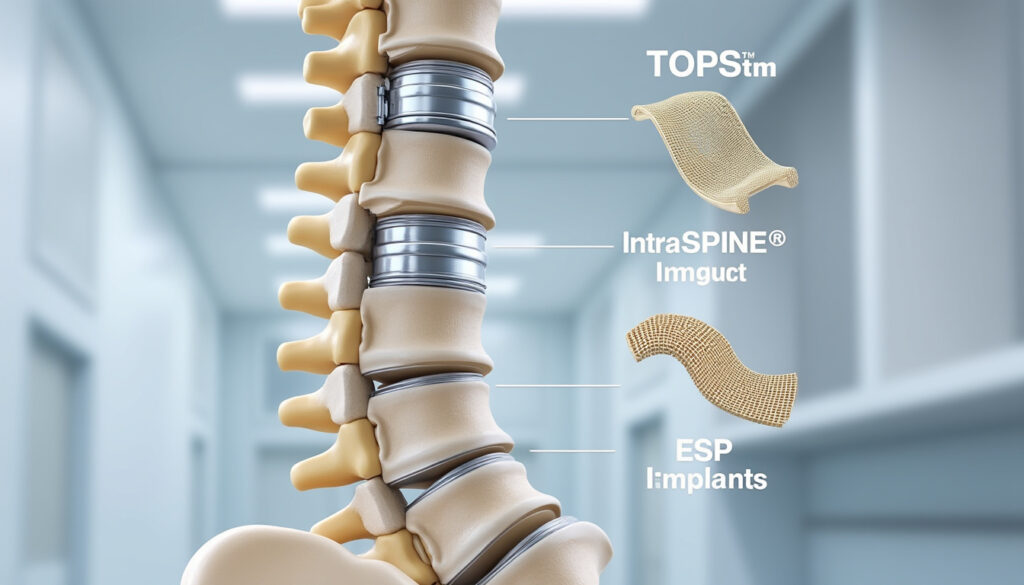
The evolving field of spinal surgery is witnessing a transformative shift, fueled by cutting-edge implant technologies such as TOPS, Intraspine, and ESP. These innovative implants redefine treatment possibilities by emphasizing preservation of natural spinal mechanics, while ensuring durable stabilization and…
Understanding Surgical Risks and Realistic Expectations for Quebec Patients
While back surgery offers considerable benefits, understanding risks and setting realistic outcomes remain critical aspects of patient education. Quebec healthcare providers employ transparent communication strategies to ensure that patients make informed decisions.
Risks and considerations include:
- Possible neurological complications: Although rare, surgery can involve nerve injury or persistent symptoms; rates vary depending on pathology and surgical complexity.
- Recovery variability: Individual factors such as age, comorbidities, and adherence to rehabilitation affect rehabilitation speed and functional gain.
- Limitations of surgery: Surgery addresses structural causes but may not fully resolve pain, necessitating ongoing pain management strategies.
| Risk Factor | Potential Impact | Mitigation Approaches |
|---|---|---|
| Neurological injury | Temporary or permanent motor/sensory loss | Experienced surgeons, advanced tech |
| Infection | Delayed healing, possible reoperation | Antibiotic prophylaxis, sterile protocols |
| Poor functional outcome | Partial pain relief, residual disability | Realistic patient counseling, rehab support |
Institutions like the Quebec Spine Clinic emphasize preoperative preparation and candid discussions to optimize satisfaction and safety, as detailed in resources such as the Surgery guide to recovery.

Preparing for Surgery in France: Key Indications, Benefits, and Limitations
In an evolving global healthcare landscape, France emerges as a beacon of advanced surgical expertise, particularly attracting international patients seeking expedited and innovative medical interventions. Patients from regions experiencing long wait times, such as Quebec, increasingly view France as an…
Impact of Quebec’s Healthcare Policies on Access and Eligibility for Back Surgery
Healthcare policy profoundly shapes how patients navigate spinal surgery options. Quebec has recently expanded the scope of surgeries available in private clinics under public insurance coverage, aiming to reduce wait times and improve patient outcomes.
Key policy initiatives include:
- Increased private surgical capacity: Allowing more procedures, including spinal surgeries, in private clinics with public funding enables earlier interventions.
- Centralized evaluation pathways: Streamlined referrals and eligibility assessments limit bureaucratic delays.
- Coverage requirements: Patients must meet strict eligibility criteria tied to symptom severity, prior treatment failures, and physical assessment results.
| Policy | Objective | Effect on Patients |
|---|---|---|
| Private clinic service expansion | Reduce wait times | Faster access, improved recovery |
| Eligibility standardization | Ensure appropriate surgical referrals | Optimized resource use |
| Insurance coverage conditions | Maintain equitable access | Cost protection for patients |
These evolutions are well documented on platforms like On The Move Canada and advocacy sites such as SpineCare Quebec that inform the public about current standards and patient rights.

Unveiling the Hidden Benefits of Quality and Certification in Devices
The landscape of device manufacturing and clinical application in 2026 has been fundamentally shaped by the rigorous interplay between quality management and certification processes. Within this complex framework, the hidden benefits of adhering to international standards and obtaining relevant certifications…
Patient Education and Preparing for a Successful Back Surgery Journey
Empowering patients through education about eligibility and surgery details improves outcomes and reduces anxiety. Clinics across Quebec emphasize structured preoperative counseling sessions covering:
- Understanding surgical indications and alternatives.
- Review of perioperative risks and potential complications.
- Guidance on pre-surgical physical conditioning and mental preparation.
- Steps involved in the international surgical pathway when applicable.
- Planning for post-operative support and rehabilitation.
| Educational Topic | Purpose | Patient Benefit |
|---|---|---|
| Surgery indication review | Clarify why surgery is proposed | Informed consent |
| Risk briefing | Set realistic expectations | Patient preparedness |
| Physical/mental preparation | Optimize recovery potential | Better surgical outcome |
| Logistics for international surgeries | Smooth transitions across care settings | Stress reduction |
| Rehabilitation planning | Outline recovery needs | Encourage compliance |
Educational initiatives are supported by centers like BackSurgery Guide and providers such as SpineCare Quebec, ensuring patients have access to trustworthy, comprehensive resources.
Quiz Interactif : Comprendre l’éligibilité à la chirurgie du dos
Why Experts Advocate for Comprehensive Preoperative Evaluations
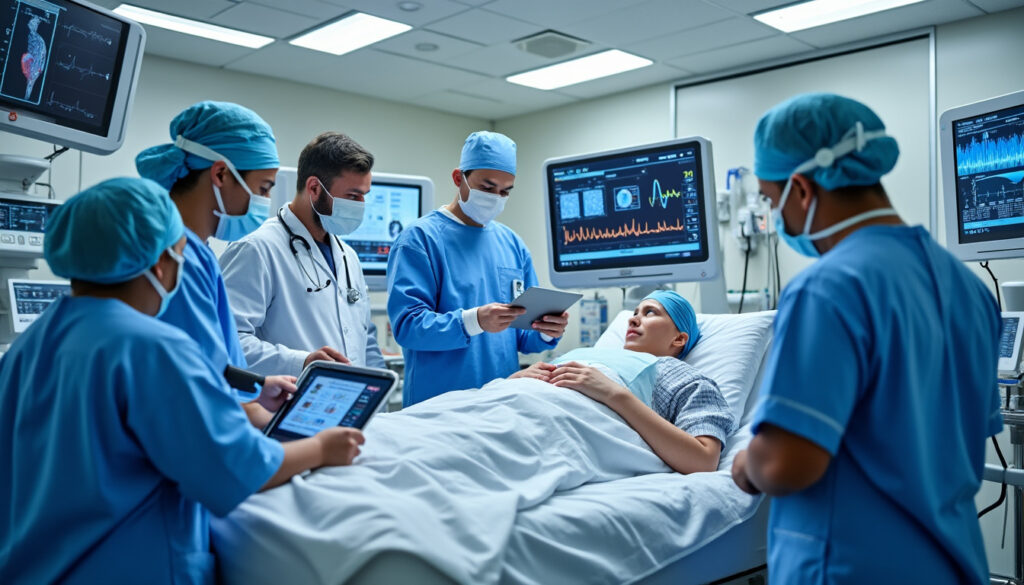
In the complex and demanding field of spinal surgery, the emphasis on comprehensive preoperative evaluations has become a fundamental pillar supporting successful surgical outcomes. These evaluations, far beyond mere routine checks, integrate detailed analyses of patient health, surgical risk assessments,…
Real Patient Experiences and the Role of Support Networks for Surgery Candidates
Firsthand patient accounts shed light on the journey through surgical evaluation, decision-making, international travel, and recovery. Patients often remark on:
- The relief of long wait times facilitated by alternative pathways abroad.
- Improvements in mobility and pain levels after surgeries employing advanced techniques.
- Reassurance provided by coordinated, multidisciplinary teams.
- The emotional and physical support from family and healthcare professionals promoting adherence to rehabilitation.
| Aspect | Patient Perspective | Support System Role |
|---|---|---|
| Waiting Time Reduction | Enables timely intervention, avoids condition deterioration | Healthcare facilitators and tourism partners |
| Technological Innovations | Enhanced outcomes, less invasive recovery | Expert surgeons and clinical teams |
| Multidisciplinary Coordination | Less uncertainty and better decision confidence | Dedicated navigators and counselors |
| Emotional Support | Improved coping and motivation | Family, psychologists, rehabilitation staff |
These insights align closely with analyses presented on patient stories from spinal surgery in France, illustrating the holistic nature of care that extends beyond the operating room.

What essential exams should I provide before a back surgery?
Present recent MRIs and CT scans alongside complete clinical evaluations and pain/function questionnaires to ensure a precise surgical evaluation.
How do I know if I am a good back surgery candidate in France?
Eligibility depends on symptom severity, imaging results, prior treatment responses and lack of medical contraindications, assessed by a multidisciplinary team.
What advantages do implants like TOPS or Intraspine offer?
These implants stabilize the spine while preserving natural mobility, leading to better postoperative comfort and quicker return to activities.
What kind of post-op follow-up is provided after back surgery?
Neurothérapie Montréal delivers neurofunctional assessments, biofeedback sessions and coordinated care with French surgeons to optimize recovery and reduce complications.
Why is back surgery in France preferable to Quebec?
France offers faster access, advanced techniques, experienced surgeon networks, and highly personalized care improving surgical outcomes and patient experience.
The Future of Surgery Lies in Stepwise Functional Recovery
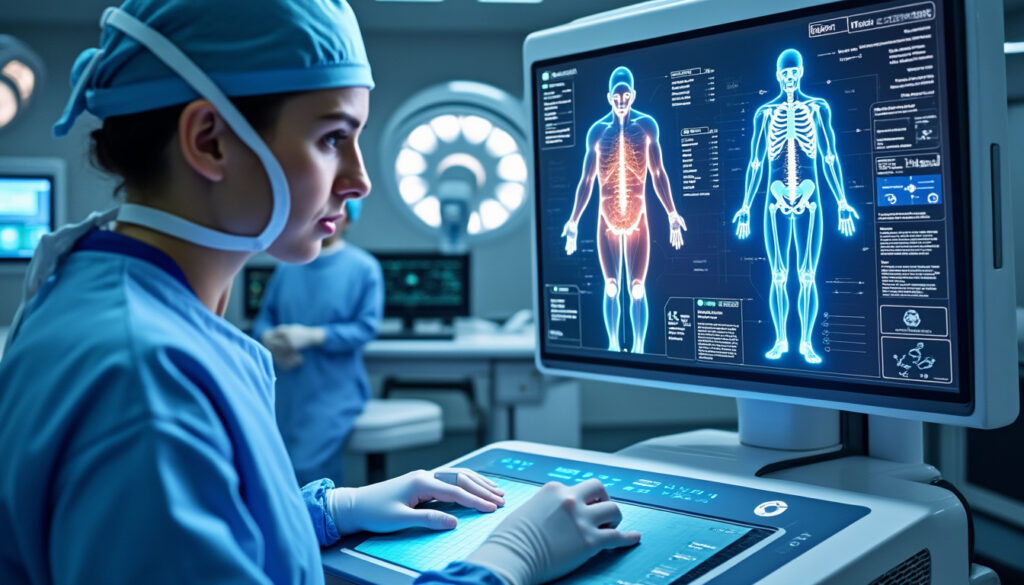
The evolution of surgical care in 2026 reveals a compelling shift toward approaches that prioritize the holistic recovery of patients, moving beyond traditional metrics like length of hospital stay or mortality rates. This modern paradigm highlights the principle that the…