Why Experts Advocate for Simple Surgery, Fusion, and Motion Preservation Techniques
November 16, 2025
Comprehensive Guide to Eligibility Criteria for Back Surgery
November 16, 2025
Recovering from spine surgery marks a pivotal transition in a patient’s journey—from the controlled environment of hospital care to the dynamic demands of everyday life and professional responsibilities. This progression encompasses more than just physical healing; it requires a structured, patient-centered approach to rehabilitation that integrates neurological, psychological, and occupational facets. Patients and healthcare providers alike face pressing questions: When is the optimal time to resume work? How to balance recovery pace without risking setbacks? What roles do employers, therapists, and support networks play in ensuring a successful reintegration? Advances in neuromodulation and personalized therapy are reshaping rehabilitation paradigms, offering new hope for patients formerly conditioned by extended inactivity and chronic pain.
Beyond the physical and medical dimensions, the social and professional re-entry process demands thoughtful collaboration among healthcare experts, employers, and vocational rehabilitation specialists. Customized rehabilitation programs, augmented with innovative therapies such as repetitive transcranial magnetic stimulation (rTMS), enable patients to regain function and confidence. Moreover, strategies like graded return-to-work schedules, ergonomic adjustments, and psychological support form an integrated framework to mitigate the common challenges faced during this delicate phase. With rising awareness of the complex interplay between physical recovery and workplace readiness, contemporary spine surgery patients benefit from an evolving spectrum of RehabPro solutions aimed at facilitating a sustainable return to a productive working life.
Comprehensive Rehabilitation Protocols Following Spine Surgery: Tailoring Recovery for Optimal Work Reintegration
The rehabilitation trajectory after spine surgery, encompassing procedures such as discectomy, motion-preserving disc replacement, and spinal fusion, is highly individualized. These interventions carry variable convalescence timelines and distinct physiological considerations that must be addressed in therapy planning. Understanding the nuances of each surgery type is pivotal for medical teams to customize rehabilitation effectively, thus ensuring patients regain sufficient autonomy and functional capacity to return to work confidently.
For example, patients undergoing a simple discectomy typically commence gentle mobilization within days post-operation, encouraging circulation and preventing complications like thromboembolism. A structured increase in low-impact activity and focused physical therapy supports pain management and regains core stability. Return to sedentary or less physically demanding office work may be feasible within 4 to 6 weeks, predicated on monitored functional improvement and symptomatic tolerance.
Conversely, motion preservation procedures demand rigorous protocols prioritizing spinal mobility maintenance. These require tailored physiotherapy programs that combine movement restoration with protective strategies. Advanced neuromodulation techniques, exemplified by rTMS, are integrated to address neuropathic pain and neurological deficits, facilitating quicker neurologic recovery and psychological resilience. A conservative timeline extending around 2 to 3 months often guides the supportive care before resumption of professional duties.
Spinal fusion, characterized by enforced vertebral stability through bone grafting or hardware, entails a more protracted rehabilitation due to requisite osseous consolidation and protection of fusion sites. The initial phase incorporates strict immobilization, gradually transitioning into strengthening exercises targeting paraspinal musculature and posture correction. Neuromodulation and other brain-stimulation technologies assist in mitigating chronic post-surgical pain syndromes, notably post-laminectomy syndrome. Work recommencement after fusion is commonly deferred 3 to 6 months, aligned with recovery milestones and workplace adaptation planning.
| Type of Surgery | Convalescence Duration | Primary Rehabilitation Focus | Estimated Time to Return to Work |
|---|---|---|---|
| Simple Discectomy | 4-6 Weeks | Early Mobilization, Pain Control | 4-6 Weeks |
| Motion-Preserving Disc Replacement | 2-3 Months | Mobility Preservation, Neurological Stimulation | 2-3 Months |
| Spinal Fusion | 3-6 Months | Bone Consolidation, Muscle Strengthening | 3-6 Months |
Such an approach is crucial for mitigating complications such as neurological deficits and ensuring functional recovery aligns with professional demands. Collaborative care involving the patient’s medical team, rehabilitation specialists, and vocational counselors forms the foundation of successful reintegration programs like those championed by ReturnEase and RenewPath. Within this framework, patients receive individualized plans balancing physical recovery with gradual exposure to workplace activities, enhancing both occupational safety and psychological well-being.

Understanding Sciatic Pain: Key Symptoms and When to Seek Medical Advice
Sciatic pain is a prevalent condition impacting a wide demographic, manifesting primarily as intense pain radiating from the lower back down the leg. This pain stems from irritation or compression of the sciatic nerve, a major nerve extending through the…
Gradual Resumption of Physical Activity: Walking, Work, and Exercise in Postoperative Recovery
The timing and progression of physical activities post-spine surgery require a delicate balance to promote healing while preventing complications. Rehabilitation experts like Philippe Mazaltarim emphasize that alternating periods of rest and controlled activity are essential to foster recovery and maintain patient motivation. Walking typically constitutes the first recommended exercise, initiated shortly after discharge.
Early mobilization reduces venous stasis risk, encourages spinal flexibility, and boosts neuromuscular activation. Patients begin with short, frequent walking sessions, incrementally increasing distance and duration while monitoring for fatigue or pain exacerbation. This measured approach discourages total inactivity, which can hinder functional restoration and lengthen downtime.
Return to work is ideally coordinated with healthcare providers and employers to accommodate physical limitations through graded responsibilities. Options such as part-time work, reduced physical loads, or telecommuting enable smooth transitions, avoiding premature overexertion. This staged re-entry is supported by WorkWell Solutions and Back2Work Experts programs that facilitate dialogue between patients and workplaces, advocating task restructuring and ergonomic interventions.
Sport and more vigorous physical activity are introduced only after stabilization of surgical outcomes, usually not before three months following minor procedures, extending longer after complex fusions. Activities emphasizing low-impact cardio, like swimming and stationary cycling, are favored early on to restore cardiovascular fitness and musculoskeletal strength without jeopardizing spinal integrity.
| Activity | Recommended Timing | Key Recommendations |
|---|---|---|
| Walking | Immediately Post-Discharge | Short distances, progressive increments, alternating rest |
| Work | 4 Weeks to 6 Months Post-Surgery (depending on procedure) | Partial return with adapted workload, flexible hours |
| Sport | 3+ Months After Surgery | Low-impact sports first, gradual progression to intensive exercise |
Collaborative rehabilitation integrating innovative therapies such as rTMS complements physical modalities, assisting in pain management and functional gains. RecoverRight and ResilienceWorks platforms provide support networks enabling patients to navigate these transitions effectively. Integration of psychological services addresses common emotional challenges, such as anxiety or depression, ensuring holistic convalescence essential for stable return to work.

The Stepwise Role of Functional Recovery in Achieving Successful Outcomes
The journey to full recovery following spinal surgery is often complex and multifaceted, demanding a meticulously structured approach to ensure optimal functional outcomes. In recent years, the concept of functional recovery through a stepwise approach has garnered significant attention in…
Advanced Neuromodulation and Innovative Therapies in Managing Postoperative Pain and Recovery
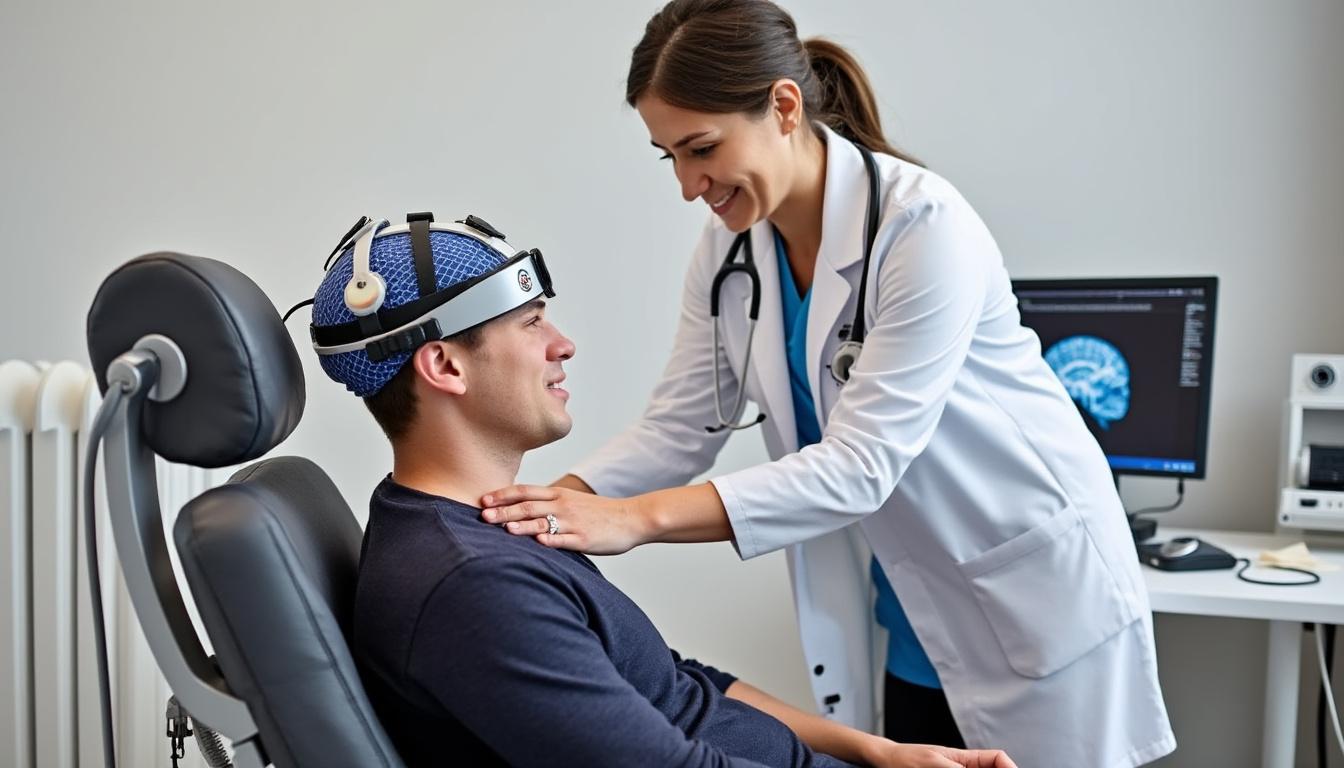
Incorporating neuromodulation technologies within spine surgery rehabilitation programs has emerged as a key advancement, particularly for patients experiencing neuropathic pain or functional impairments after surgery. The use of repetitive transcranial magnetic stimulation (rTMS) is now endorsed by many centers, including Neurothérapie Montréal.
rTMS involves the noninvasive application of magnetic fields via a specialized helmet to modify neural circuitry associated with chronic pain and motor control. This therapy has consistently demonstrated efficacy in reducing neuropathic discomfort, alleviating symptoms resistant to conventional pharmacological treatments, and improving patient mood. Integration with physical therapies creates a synergistic environment conducive to neuroplasticity and functional recovery.
Complementary approaches such as BrainPort and PoNS stimulate sensory and motor pathways through oral and cutaneous modalities. These methods have shown particular promise in neurological rehabilitation following stroke or concussion, promoting sensory restitution and muscle coordination. When integrated with ergonomic training and psychological support, they form a comprehensive platform addressing complex post-surgical sequelae.
| Therapy | Purpose | Specific Benefits |
|---|---|---|
| rTMS | Brain Neuromodulation | Reduction of chronic neuropathic pain, mood enhancement |
| BrainPort | Sensory Stimulation (Oral) | Restoration of deficient sensory functions |
| PoNS | Cutaneous Neuromodulation | Improved motor recovery post neurological insult |
By combining evidence-based technological advancements with personalized patient care, programs like RehabPro and JobRehab Partners foster promising outcomes, translating to reduced chronic pain incidence and enhanced quality of life. These innovations resonate with modern rehabilitation priorities, which emphasize neurophysiological restoration alongside psychosocial wellbeing.

Transatlantic Patient Journey: Insights into Indications, Benefits, and Challenges
The emergence of the Transatlantic Patient Journey as a strategic model within healthcare continues to capture attention for its innovative potential, especially in specialized fields such as spinal surgery. This cross-border care pathway integrates rigorous medical evaluation from Quebec with…
Patient-Centered Case Studies Revealing Practical Paths for Spinal Surgery Recovery and Work Return
Real-world patient experiences underscore the importance of integrating multidisciplinary care in post-spinal surgery rehabilitation. Consider Martin, 42, who underwent lumbar discectomy in France and was supported by a transatlantic program involving SOS Tourisme Médical and Neurothérapie Montréal. His recovery entailed early mobilization combined with rTMS sessions to address persistent neuropathic pain. These interventions fostered a successful transition back to office employment at six weeks post-operation, followed by gradual reengagement in outdoor recreational activities like hiking within four months.
Alternatively, Sophie, a 55-year-old fusion surgery patient, faced challenges with post-laminectomy syndrome and chronic pain. Her program incorporated a multimodal approach—muscle strengthening, BrainPort therapy, and psychological counseling—resulting in a phased return, initially part-time at four months, progressing to full-time by six months coupled with low-impact physical pursuits such as swimming and walking.
Another example, David, recovering from post-stroke sequelae, utilized PoNS therapy and occupational therapy to reintegrate into occupational roles at a pace adapted to his neurologic status. These narratives highlight the necessity of tailored rehabilitation plans accommodating individual clinical profiles and workplace demands, as facilitated through partnerships like RenewPath and FitReturn.
| Patient | Surgery/Condition | Neurotherapeutic Interventions | Time to Return to Work | Resumed Physical Activity |
|---|---|---|---|---|
| Martin | Simple Lumbar Discectomy | rTMS, Physical Therapy | 6 Weeks | Hiking (4 Months) |
| Sophie | Cervical Spinal Fusion | BrainPort, rTMS, Psychological Support | 4-6 Months | Walking, Swimming |
| David | Post-Stroke Rehabilitation | PoNS, Occupational Therapy, Physiotherapy | Variable, Long-Term Follow-Up | Customized per Ability |
These individualized recovery journeys demonstrate the critical value of integrating modern therapeutics with continuous clinical monitoring, socioprofessional engagement, and psychological well-being. Supporting patients through such comprehensive pathways significantly improves the rates of sustainable workforce reintegration and life satisfaction.
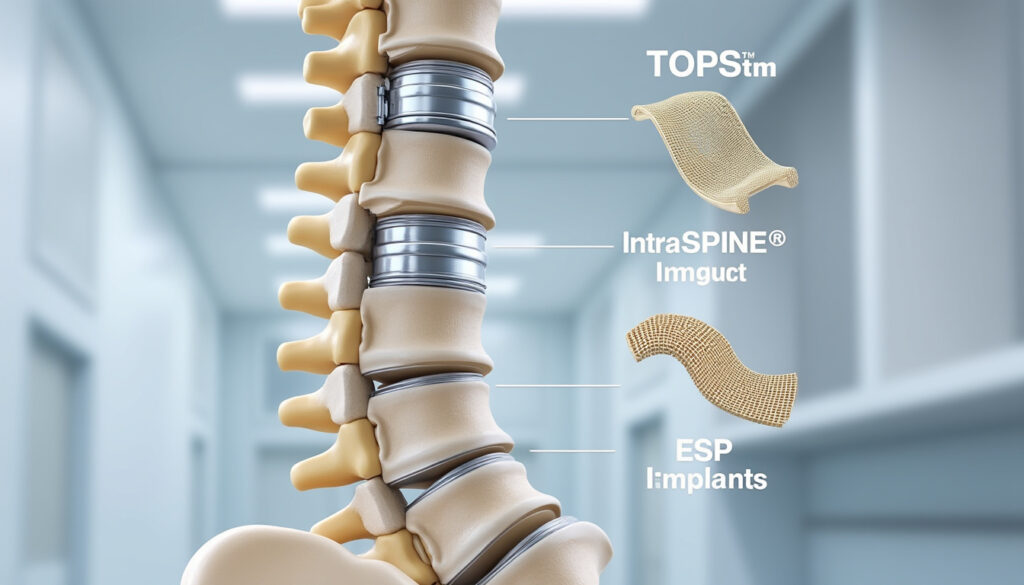
The evolving field of spinal surgery is witnessing a transformative shift, fueled by cutting-edge implant technologies such as TOPS, Intraspine, and ESP. These innovative implants redefine treatment possibilities by emphasizing preservation of natural spinal mechanics, while ensuring durable stabilization and…
Strategies and Best Practices for a Successful Return to Work Post Spine Surgery
Facilitating a patient’s reintegration into the workforce following spine surgery necessitates strategic planning, collaborative communication, and optimized workplace ergonomics. These elements reduce risks of relapse and promote confidence during this vulnerable period. Protocols recommended by experts emphasize a gradual, supportive progression that fosters both physical readiness and psychological adjustment.
Effective communication channels between the patient, healthcare providers, and employers encourage mutual understanding and realistic goal setting. Informing team members about anticipated limitations and progress fosters a supportive environment facilitating accommodation implementation. Ergonomic workplace adjustments—such as seating modifications, adjustable desks, and scheduled breaks—reduce physical strain, further minimizing potential aggravation of symptoms.
Phased returns, including part-time therapeutic work hours, present effective transitional models. This strategy aligns with guidance from industry leaders like WorkWell Solutions and ReturnEase, which advocate for structured increments in workload intensity. Psychological support services, including counseling and stress management interventions, complement the physical aspects, addressing common fears and motivational challenges in patients.
- Maintain transparent communication with employers to clarify needs and progress
- Implement ergonomic assessments and adaptations for safer work environments
- Adopt phased return schedules minimizing health risks
- Provide ongoing psychological support to foster emotional resilience and reduce anxieties
| Best Practice | Anticipated Benefit |
|---|---|
| Open employer-patient communication | Minimizes misunderstandings, enables tailored accommodations |
| Ergonomic workplace modifications | Reduces physical strain and fatigue during work |
| Therapeutic part-time work | Smooth transition, better physical tolerance |
| Continuous psychological support | Improves emotional management, decreases risk of mental strain |

Such integrated strategies ultimately enhance workforce retention and employee satisfaction. They also align with the emerging evidence on occupational rehabilitation benefits outlined in resources from WorkHealth Solutions and vocational rehabilitation frameworks shared by JobRehab Partners. This holistic approach underscores the importance of coordinated efforts among healthcare, employers, and employees for a resilient, sustained return to work.
Preparing for Surgery in France: Key Indications, Benefits, and Limitations
In an evolving global healthcare landscape, France emerges as a beacon of advanced surgical expertise, particularly attracting international patients seeking expedited and innovative medical interventions. Patients from regions experiencing long wait times, such as Quebec, increasingly view France as an…
Integrating Vocational Rehabilitation and Employer Roles in Facilitating Sustainable Work Resumption
Vocational rehabilitation has gained recognition as an indispensable piece in the puzzle of post-operative recovery and return to employment. Experts concur that returning to work is not solely contingent upon physical healing but also requires addressing vocational skills, workplace adjustments, and psychological readiness.
Employers hold significant responsibility in crafting a supportive environment, often in consultation with occupational therapists and rehabilitation counselors. Proactive measures include flexible scheduling, graduated task assignments, and creating ReturnEase policies tailored to accommodate individual recovery trajectories. Programs inspired by RenewPath and NextStep Rehab emphasize structured frameworks where ongoing communication and feedback loops adapt to patient progress.
Examples abound where tailored vocational interventions empower workers to regain meaningful employment, reducing secondary disability rates and promoting economic independence. The critical elements involve comprehensive assessment of job demands, patient capabilities, and adaptation of tasks without compromising health. These initiatives align with global standards evidenced in research disseminated via platforms like BMC Public Health and SAGE Perspectives on post-acute recovery.
- Conduct thorough vocational assessments to match job tasks with current patient ability
- Develop flexible work schedules and duties to foster gradual resumption of responsibilities
- Maintain continuous employer-rehabilitation professional communication for adaptive support
- Encourage psychological readiness and confidence building through counseling and peer support groups
| Vocational Strategy | Key Outcomes |
|---|---|
| Comprehensive job-patient matching | Better fit, reduced risk of injury or relapse |
| Flexible scheduling and task restructuring | Smoother work reintegration |
| Ongoing employer and healthcare liaison | Dynamic support adjusting to patient needs |
| Psychological readiness initiatives | Improved self-efficacy and morale |
This comprehensive collaboration ensures that the return to work is not a mere formality but a sustained transition supported by evidence-based interventions from RehabPro and ResilienceWorks coalitions. Such models highlight the role of employers not just as providers but as active partners in long-term workforce health maintenance and disability prevention.

Unveiling the Hidden Benefits of Quality and Certification in Devices
The landscape of device manufacturing and clinical application in 2026 has been fundamentally shaped by the rigorous interplay between quality management and certification processes. Within this complex framework, the hidden benefits of adhering to international standards and obtaining relevant certifications…
Bridging International Medical Coordination: Ensuring Continuity of Post-Surgical Care From France to Quebec
For patients undergoing spine surgery abroad, like many Quebecois treated in France, the post-operative rehabilitation journey traverses geographical and systemic divides. Facilitating seamless medical coordination and follow-up care becomes crucial to continuity and recovery success.
Programs such as those developed by SOS Tourisme Médical exemplify the innovative frameworks designed to provide harmonized care pathways. Through their liaison with institutions like Neurothérapie Montréal, patients receive standardized neurofunctional assessments and rehabilitative plans tailored to their surgical profile, regardless of their physical location. This ensures that advanced treatment modalities, including rTMS and physical therapies, are accessible consistently.
The international coordination addresses common challenges encountered during cross-border convalescence—such as variations in medical protocols, patient education, and managing complications remotely. Structured communications between surgical teams, rehabilitation specialists, and patients enable timely interventions and adaptive adjustments to therapy regimes, enhancing outcomes and easing patient anxieties.
| Coordination Aspect | Benefits |
|---|---|
| Standardized post-op evaluations | Uniform measurement of recovery, enabling tailored interventions |
| Cross-border rehabilitation protocols | Consistent application of advanced therapies without interruption |
| Interdisciplinary care communication | Prompt problem-solving and therapy adaptations |
| Patient education and psychological support | Improved engagement and reduced uncertainty |
These integrative approaches, echoed by resources such as FullscopeRMS insights, illustrate the growing relevance of cross-national medical collaboration in rehabilitation. Such partnerships not only enhance patient outcomes but advance the collective knowledge base on post-spine surgery management.
Why Experts Advocate for Comprehensive Preoperative Evaluations
In the complex and demanding field of spinal surgery, the emphasis on comprehensive preoperative evaluations has become a fundamental pillar supporting successful surgical outcomes. These evaluations, far beyond mere routine checks, integrate detailed analyses of patient health, surgical risk assessments,…
Leveraging Technology and Data in Spinal Surgery Rehabilitation: Emerging Trends and Future Perspectives
Advanced technologies and data-driven approaches are increasingly redefining rehabilitation pathways, supplementing traditional physiotherapy with precision medicine principles. Innovations like robotics-assisted spine surgery, 3D imaging, and digital health platforms aid in surgical accuracy and individualized post-operative care.
Robotic navigation, as implemented by companies like eCential Robotics, facilitates minimally invasive interventions that reduce tissue trauma and accelerate initial recovery phases. This, coupled with real-time 3D imaging, refines post-surgical assessment and customizes rehabilitation plans to the patient’s precise anatomical and functional profile.
Digital health ecosystems including telemedicine, wearable sensors, and AI-driven analytics gather continuous physiological and activity data, enabling rehabilitation teams to optimize therapy programs responsively. Platforms such as FitReturn and RenewPath have begun integrating such data streams to monitor patient adherence, detect setbacks early, and enhance motivation through feedback loops and gamified exercises.
- Robotics-assisted surgical techniques reduce recovery times and improve precision
- 3D imaging provides detailed anatomical insights for personalized therapy
- Telehealth and wearables enable continuous monitoring and adaptive rehabilitation
- Artificial intelligence analytics optimize patient engagement and clinical outcomes
| Technology | Application | Impact on Rehabilitation |
|---|---|---|
| Robotic-Assisted Surgery | Minimally invasive interventions | Reduced tissue damage, faster initial recovery |
| 3D Imaging | Detailed anatomical mapping | Tailored rehab plans, improved surgical precision |
| Telemedicine & Wearables | Continuous patient monitoring | Early detection of complications, enhanced adherence |
| AI Analytics | Data-driven program adjustment | Improved engagement, optimized outcomes |
These emergent methodologies promise to transform rehabilitation effectiveness, aligning with holistic care approaches and workforce reintegration goals. Adopting technological advancements within rehabilitation symbolizes the future of patient-centered care, exemplified within the scope of initiatives led by RehabPro and ResilienceWorks coalitions.
How long does rehabilitation typically last after spine surgery?
Rehabilitation duration depends on the surgery type: generally 4 to 6 weeks for simple discectomy, 2 to 3 months for motion-preserving procedures, and 3 to 6 months for spinal fusion, all under tailored protocols.
When can a patient realistically return to work after spine surgery?
Return to work varies based on individual recovery and surgery type but typically occurs between 4 weeks and 6 months post-operation, often with a recommended gradual and accommodated approach.
What are effective methods to manage post-operative pain during rehabilitation?
Neuromodulation via rTMS is a clinically validated approach to mitigate neuropathic pain and support psychological well-being, complemented by specialized physical therapy and counseling.
How does Neurothérapie Montréal enhance patient recovery?
Neurothérapie Montréal offers comprehensive neurofunctional assessments, personalized physical re-education, neuromodulation sessions, and ongoing clinical follow-up to optimize recovery especially for Canadian patients operated on in France.
Is resuming physical sports activities safe after spine surgery?
Yes, with appropriate timing and gradual reintroduction, starting with low-impact activities and advancing to more intensive sports as healing progresses.
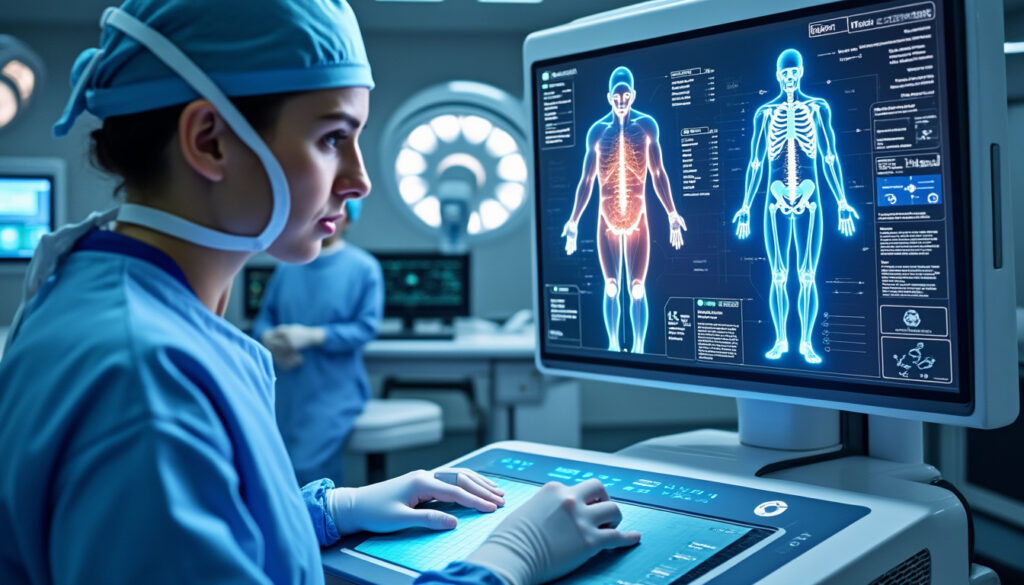
The Future of Surgery Lies in Stepwise Functional Recovery
The evolution of surgical care in 2026 reveals a compelling shift toward approaches that prioritize the holistic recovery of patients, moving beyond traditional metrics like length of hospital stay or mortality rates. This modern paradigm highlights the principle that the…