
Herniated Disc in Saint-Bruno-de-Montarville: Top 3 Warning Signs and Neurovertebral Decompression Treatment Explained
July 11, 2026
Can Surgery Be Avoided? Exploring the Role of Franchir in Patient Care
July 12, 2026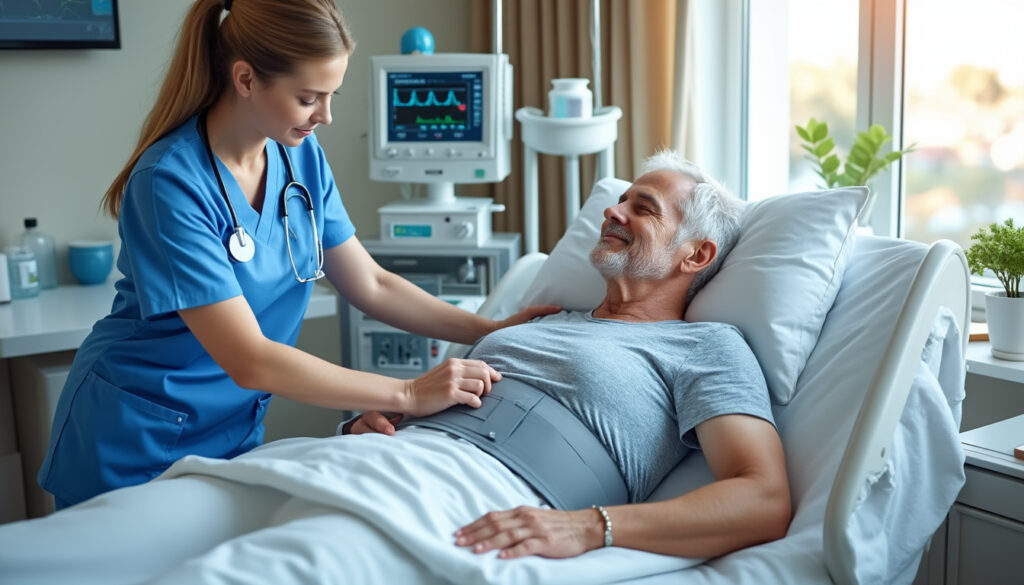
Back surgery represents a pivotal step for patients grappling with spinal disorders, offering a promising pathway to alleviating pain and restoring function. In 2026, the landscape of postoperative care for back surgery has evolved into a multi-dimensional discipline, integrating advanced pain management techniques, personalized rehabilitation, and nuanced patient education. This progression aligns with the increasing demand for optimized recovery experiences, especially for international patients returning from surgeries abroad. The complexities of the spinal column, combined with diverse surgical interventions—from minimally invasive decompressions to complex vertebral fusions—necessitate structured postoperative protocols to ensure optimal healing and minimize complications.
Among the innovations shaping postoperative care, neuromodulation techniques like repetitive transcranial magnetic stimulation (rTMS) have emerged as valuable adjuncts in managing chronic neuropathic pain, while interdisciplinary collaboration enhances continuity of care. The partnership between clinical centers, surgical teams, rehabilitation providers, and patient support services has become foundational in constructing a recovery environment that addresses both physiological and psychological dimensions. From wound care methods to mobility exercises and gradual reintegration into daily activities, each element contributes vitally to patient outcomes. This comprehensive view frames the discourse on postoperative care after back surgery, emphasizing guidelines grounded in clinical evidence, the tangible benefits to patients, and the inherent limitations yet to be fully overcome.
Structured Guidelines for Postoperative Care Following Back Surgery
Postoperative care after back surgery follows carefully developed guidelines tailored to the type of surgical intervention and the patient’s individual needs. Best practices emphasize early mobilization, meticulous wound care, pain management, and patient education. These protocols are designed to optimize healing, reduce the risk of complications such as infections or thromboembolism, and support the restoration of spinal function.
Upon completion of surgeries like laminectomy and discectomy—the most common minimally invasive procedures—patients are encouraged to start gentle mobility within 24 to 48 hours. Early walking is proven to enhance circulation and decrease the incidence of deep venous thrombosis, foster muscular strength, and help in maintaining the spinal range of motion. Pain management typically involves a combination of pharmacologic interventions and non-invasive techniques. Analgesics are titrated carefully to balance effective pain relief with the minimization of side effects.
For more complex surgeries such as spinal fusion or arthrodesis, the postoperative guidelines advocate a longer period of immobilization and gradual activity resumption. These protocols include the use of back braces or supports to stabilize the spine, combined with phased physical therapy aimed at reinforcing the surrounding musculature while avoiding mechanical overload on the surgical site.
Patient education forms another cornerstone of postoperative care. Providing patients comprehensive instructions on wound care, signs of complications, activity restrictions, and lifestyle adaptations significantly enhances patient engagement and adherence to recovery plans. Resources like detailed patient guides on postoperative restrictions help bridge the informational gap between healthcare providers and patients.
Incorporating evidence-based guidelines, such as those recommended by professional bodies and summarised in publications like the American Association of Neurological Surgeons’ clinical practice guidelines, ensures that care protocols remain current and scientifically sound. This structured approach not only improves clinical outcomes but also reduces hospital stays and readmission rates.

Understanding Sciatic Pain: Key Symptoms and When to Seek Medical Advice
Sciatic pain is a prevalent condition impacting a wide demographic, manifesting primarily as intense pain radiating from the lower back down the leg. This pain stems from irritation or compression of the sciatic nerve, a major nerve extending through the…
Benefits of Comprehensive Pain Management in Postoperative Back Surgery Care
Effective pain management stands as a critical pillar in postoperative care following back surgery, impacting recovery speed, functional rehabilitation, and overall patient wellbeing. Pain after spinal surgery is common, especially in the immediate postoperative period, and appropriate control reduces stress responses, improves sleep, and supports patient participation in physical therapy.
Traditional pharmacological approaches rely on multimodal analgesia: combining opioids with nonsteroidal anti-inflammatory drugs (NSAIDs), muscle relaxants, and adjunctive medications. However, concerns over opioid dependency and side effects have propelled the integration of cutting-edge therapies. In 2026, neuromodulation through repetitive transcranial magnetic stimulation (rTMS) is gaining traction as a non-invasive method targeting chronic neuropathic pain, widely recognized in postoperative care for its ability to enhance analgesic effects without systemic drug burden.
Clinical experience demonstrates that combining rTMS with conventional pain management can decrease opioid consumption and improve pain scores, particularly in patients suffering from persistent postoperative neuropathy or post-laminectomy syndrome. This reflects a broader trend of personalized pain management strategies that consider patient-specific pain etiologies and psychosocial factors.
The benefits extend beyond immediate pain relief. Reduced pain intensity facilitates more active engagement in mobility exercises and physical therapy, accelerating functional recovery and preventing muscle deconditioning. Furthermore, controlling pain mitigates the risk of developing psychological complications such as depression and anxiety, common in patients enduring prolonged postoperative discomfort.
Patient-centered approaches emphasize shared decision-making, allowing tailored pain management plans while educating patients on the expectations and realistic outcomes of postoperative recovery. Such holistic modalities underscore the benefits of advanced pain interventions embedded within standardized pain management guidelines for back surgery patients.
Common Pain Management Techniques Post Back Surgery
- Pharmacologic: opioids, NSAIDs, acetaminophen, nerve pain medications
- Neuromodulation: repetitive transcranial magnetic stimulation (rTMS)
- Physical modalities: cold and heat therapy, transcutaneous electrical nerve stimulation (TENS)
- Psychological support: cognitive behavioral therapy and pain coping strategies

The Stepwise Role of Functional Recovery in Achieving Successful Outcomes
The journey to full recovery following spinal surgery is often complex and multifaceted, demanding a meticulously structured approach to ensure optimal functional outcomes. In recent years, the concept of functional recovery through a stepwise approach has garnered significant attention in…
Role of Physical Therapy and Mobility Exercises in Postoperative Recovery
Physical therapy is integral to postoperative care following back surgery, bridging the gap between surgical intervention and functional restoration. Through guided mobility exercises and rehabilitative training, physical therapy enhances spinal stability, strengthens musculature, and improves posture, all essential for long-term recovery.
Early initiation of physical therapy, typically within the first one to two weeks after surgery, supports the prevention of joint stiffness and muscle atrophy. These exercises range from gentle walking and stretching to more targeted core stabilization and strengthening as the healing progresses. Customized rehabilitation programs address individual surgical procedures—from simple discectomies to complex spinal fusions—reflecting the necessity of adaptation based on surgical extent and patient baseline fitness.
Notably, exercises promoting proper body mechanics reduce undue strain on the healing spine and expedite functional independence. In patients who received dynamic implants preserving spinal motion, physical therapy protocols include specific mobility exercises designed to maximize implant benefits without risking displacement or wear.
Expert rehabilitation teams emphasize gradual progression, closely monitoring pain and neurological status to tailor exercise intensity. This vigilance contributes to minimizing setbacks and ensuring optimal functional outcomes. Rehabilitation also includes education on ergonomic corrections and lifestyle measures to prevent recurrent injuries.
Several studies have underscored the advantages of combining conventional physical therapy with adjunct neuromodulatory treatments like rTMS, which amplify patient tolerance to exercises and reduce residual neuropathic pain. Incorporation of such innovative therapies epitomizes the convergence between surgical advances and rehabilitative sciences.


Transatlantic Patient Journey: Insights into Indications, Benefits, and Challenges
The emergence of the Transatlantic Patient Journey as a strategic model within healthcare continues to capture attention for its innovative potential, especially in specialized fields such as spinal surgery. This cross-border care pathway integrates rigorous medical evaluation from Quebec with…
Understanding the Surgical Benefits Provided by Back Surgery
Back surgery, when indicated correctly, delivers significant benefits that can dramatically improve quality of life. These benefits include pain relief, improved neurological function, and the restoration of spinal stability. Over the past decade, surgical techniques have evolved appreciably, paralleling advancements in imaging, minimally invasive approaches, and robotic assistance, leading to reduced morbidity and quicker recovery timelines.
Surgical decompression procedures address nerve compression caused by herniated discs or stenosis, alleviating radicular pain and improving sensory and motor functions. Meanwhile, spinal fusion surgeries correct instability and deformities, preventing further neurological deterioration and structural complications.
Patients often report marked improvements in mobility and a decline in medication dependency following surgery. Moreover, the intervention can curtail progressive disabilities and improve the capacity to engage in daily activities and employment. The benefits resonate beyond the physical realm, encompassing enhanced psychological wellbeing and social participation.
Complementing surgical intervention with structured postoperative care maximizes these benefits by facilitating tissue healing, maintaining spinal alignment through bracing when necessary, and addressing pain thoroughly to encourage active rehabilitation.
Emerging surgical aids, such as navigation-assisted robotics and 3D imaging, have improved surgical precision and reduced complication rates. The integration of these technologies is transforming outcomes, underscoring the tangible advantages that modern back surgery offers patients in 2026.
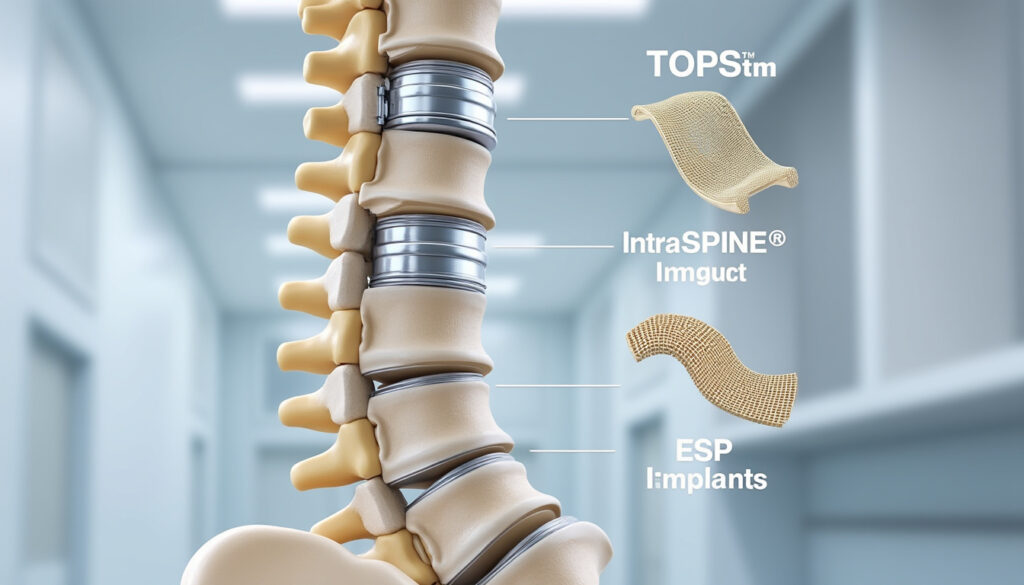
The evolving field of spinal surgery is witnessing a transformative shift, fueled by cutting-edge implant technologies such as TOPS, Intraspine, and ESP. These innovative implants redefine treatment possibilities by emphasizing preservation of natural spinal mechanics, while ensuring durable stabilization and…
Common Recovery Limitations and Challenges After Back Surgery
Despite progress in surgical techniques and postoperative care, patients face several inherent recovery limitations. These challenges can stem from the complexity of the surgery, preexisting patient health conditions, age, and individual healing capacities.
One of the main limitations is the variability in pain resolution. While many patients experience significant relief, some suffer from persistent or recurrent pain, often neuropathic in nature, requiring prolonged management and sometimes advanced interventions such as neuromodulation. Additionally, scar tissue formation and adjacent segment disease can complicate long-term recovery.
Functional limitations may persist, especially after extensive fusion surgeries. Reduced spinal mobility and muscle weakness are common, necessitating ongoing rehabilitation and lifestyle modifications. Psychological factors also influence recovery trajectory; anxiety, depression, or unrealistic expectations can hinder progress.
Complications such as infections, hardware failure, or neurological deficits, although relatively rare, can prolong convalescence and require additional interventions. Therefore, vigilant monitoring during the postoperative period is essential.
Economic and social factors play non-negligible roles. Access to high-quality rehabilitation services and supportive environments may limit recovery potential for some patients. Addressing these systemic barriers remains a critical aspect of holistic postoperative care.
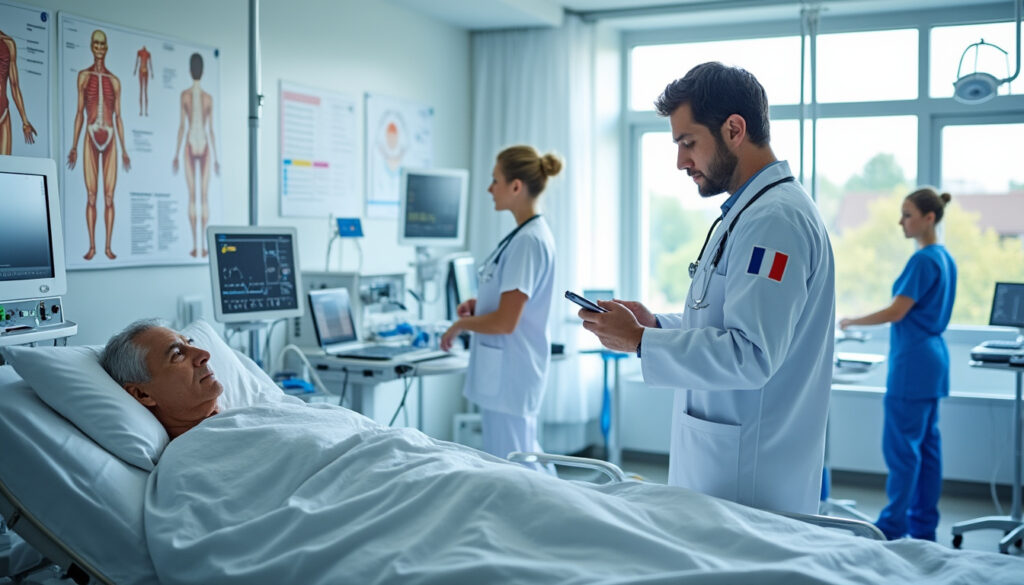
Preparing for Surgery in France: Key Indications, Benefits, and Limitations
In an evolving global healthcare landscape, France emerges as a beacon of advanced surgical expertise, particularly attracting international patients seeking expedited and innovative medical interventions. Patients from regions experiencing long wait times, such as Quebec, increasingly view France as an…
Effective Wound Care Practices After Back Surgery
Proper wound care following back surgery is vital to prevent infections and promote timely healing. This care begins immediately post-surgery and continues throughout the rehabilitation period, tailored to the type of incision and individual healing response.
Initial care includes keeping the surgical site clean and dry, observing for signs of infection such as redness, swelling, or drainage. Regular dressing changes under sterile conditions are essential. In some instances, specialized wound care techniques using silicone dressings or negative pressure wound therapy are applied for complex wounds.
Patients and caregivers receive detailed instructions about wound monitoring and hygiene practices. Education encompasses recognizing alarm symptoms requiring prompt medical evaluation, including fever, increased pain, or unusual discharge.
Evidence supports the importance of minimizing wound tension through appropriate posture and activity restriction in the early phase. Nutritional support also underpins effective tissue repair, emphasizing adequate protein and micronutrient intake.
Close communication between surgical teams and rehabilitation providers ensures an integrated approach to wound management, adapting care plans as healing progresses. Such coordination reduces complications and contributes to smoother, faster recoveries.

Unveiling the Hidden Benefits of Quality and Certification in Devices
The landscape of device manufacturing and clinical application in 2026 has been fundamentally shaped by the rigorous interplay between quality management and certification processes. Within this complex framework, the hidden benefits of adhering to international standards and obtaining relevant certifications…
Comprehensive Patient Education for Improved Postoperative Outcomes
Patient education constitutes a foundation for successful postoperative care in back surgery, empowering individuals to actively participate in their own recovery. Education involves informing patients about expected recovery trajectories, pain management options, wound care, activity limitations, and signs warranting medical attention.
Effective educational strategies utilize varied media including printed materials, videos, and digital platforms to accommodate different learning preferences. Tailored counseling sessions provide opportunities for patients to clarify doubts and address concerns, fostering trust and adherence.
Understanding the importance of mobility exercises and physical therapy motivates patients to engage consistently in rehabilitation, optimizing functional gains. Moreover, preparation facilitates psychological readiness, decreasing anxiety and enhancing coping mechanisms.
Such comprehensive education extends beyond initial discharge, involving family members and caregivers to support patient compliance. Continuous follow-up clinics reinforce messages and allow early identification and management of potential issues.
Several clinical centers worldwide emphasize integrating education into postoperative protocols, a practice linked to reduced hospital readmissions and improved long-term outcomes.
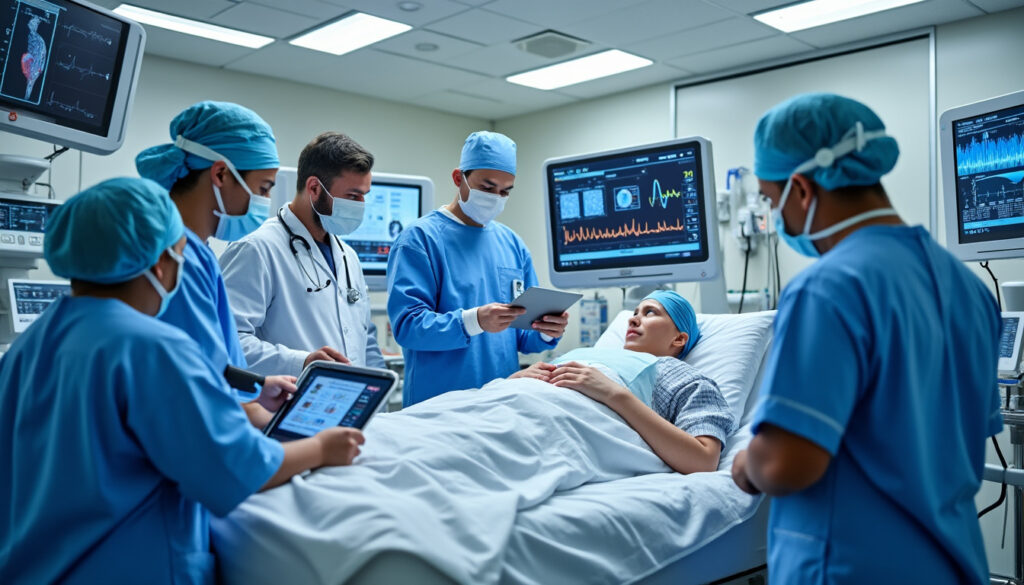
Why Experts Advocate for Comprehensive Preoperative Evaluations
In the complex and demanding field of spinal surgery, the emphasis on comprehensive preoperative evaluations has become a fundamental pillar supporting successful surgical outcomes. These evaluations, far beyond mere routine checks, integrate detailed analyses of patient health, surgical risk assessments,…
International Coordination and Emerging Innovations in Postoperative Back Surgery Care
The global mobility of patients undergoing back surgery necessitates seamless coordination between international care teams and facilities. Collaborative models, such as those connecting Canadian rehabilitation centers with French surgical units, exemplify this approach in 2026. These partnerships ensure continuity of care through shared medical records, aligned recovery guidelines, and synchronized follow-ups.
Innovations like robotic-assisted surgery and 3D imaging have refined surgical precision, reducing intraoperative trauma and enhancing recovery prospects. Postoperative care now increasingly incorporates these technological advances, pairing them with emerging therapies such as brain-computer interfaces aimed at optimizing neurological recovery.
Organizations dedicated to medical tourism and specialized centers offer tailored care pathways combining surgical excellence with rigorous postoperative protocols. Digital health platforms facilitate remote monitoring, tele-rehabilitation, and patient education, bridging geographic barriers.
The role of neurotherapeutic centers employing methods like rTMS showcases cutting-edge integration between surgery and neuromodulation, presenting promising avenues to mitigate chronic pain and enhance recovery quality. These developments highlight how postoperative care after back surgery is evolving toward a multidisciplinary, patient-centric paradigm that optimizes outcomes at both individual and systemic levels.
Postoperative Recovery Timeline After Common Back Surgeries
- element inside the timeline container
const timelineList = document.querySelector(‘div > ol’);/*
Generate timeline HTML dynamically.
Each timeline item includes:
– A time label
– The event description
– An interactive button to toggle more info (for extensibility)
Accessibility:
– Each time label is a