Terrebonne Residents Find Lasting Relief from Back Pain
November 9, 2025How Stepwise Functional Recovery Is Revolutionizing Patient Care in Quebec
November 10, 2025Transatlantic patient journeys, particularly in specialties such as spinal surgery, present a compelling solution to overcome local healthcare system limitations. For patients in Quebec facing extended wait times and limited access, the collaboration between Canadian medical expertise and French surgical innovation opens new horizons for care that is both rapid and high-quality. Yet, managing these cross-continental journeys requires meticulous coordination to avoid pitfalls that can jeopardize patient safety, delay treatment, or increase costs.
The integration of healthcare services across borders combines strengths from global leaders like Pfizer, AstraZeneca, Johnson & Johnson, and Medtronic in pharmaceutical and device innovations, while leveraging the state-of-the-art surgical methods employed by French clinics. However, the complexities of logistics, communication, and regulatory standards demand an organized approach to patient pathways that ensures seamless collaboration between multiple stakeholders.
Understanding the nuances of transatlantic healthcare navigation and learning from commonly encountered errors is essential for healthcare providers, patients, and coordinators alike. Informed preparations and adherence to best practices can transform a potentially arduous experience into a streamlined journey, optimizing outcomes and patient satisfaction.
Crucial Foundations of the Transatlantic Patient Journey in Spinal Surgery
The transatlantic patient journey for spinal surgery exemplifies a synergy between Quebec’s clinical evaluation expertise and France’s technological advancements. Spearheaded by specialists like Dr. Sylvain Desforges at Montreal’s TAGMED Clinic, initial rigorous assessments determine the appropriateness of conservative treatments versus surgical intervention. Patients benefit from advanced neuro-robotic decompression therapies in Quebec before being referred to leading French surgical centers.
France offers access to minimally invasive techniques, usage of dynamic implants such as TOPS or Intraspine, and precision robotic-assisted procedures enabled by partners like Medtronic and GE Healthcare. After surgery, follow-up rehabilitation is typically coordinated by teams such as Neurothérapie Montréal, ensuring recovery continuity and adaptation to daily activities.
Understanding the multi-step process highlights the importance of clear role definitions among key players:
- Initial Evaluation and Conservative Care by Canadian experts, leveraging advanced diagnostics and therapeutic technologies.
- Transatlantic Referral and Logistics managed by specialized agencies streamlining transport, accommodation, and scheduling.
- Surgical Intervention in French institutions recognized for innovation and adherence to regulatory standards upheld by entities such as the French Ministry of Health.
- Postoperative Follow-up focusing on personalized neurotherapy and functional rehabilitation tailored to patient needs.
This structured framework underlines the interdependence of clinical and logistical components, essential to mitigate delays and optimize surgical success rates in these complicated cross-border journeys.
| Journey Stage | Responsible Party | Key Value Added |
|---|---|---|
| Initial Assessment and Conservative Treatment | Dr. Sylvain Desforges & TAGMED | Evidence-based evaluation, prevention of premature surgery |
| Referral and Medical Logistics | Franchir | Optimized planning, customized surgical team selection |
| Surgical Intervention | French Surgical Centers | Minimally invasive approaches, innovative implants |
| Postoperative Rehabilitation & Follow-up | Neurothérapie Montréal | Comprehensive support, prevention of complications |

Understanding Sciatic Pain: Key Symptoms and When to Seek Medical Advice
Sciatic pain is a prevalent condition impacting a wide demographic, manifesting primarily as intense pain radiating from the lower back down the leg. This pain stems from irritation or compression of the sciatic nerve, a major nerve extending through the…
Common Missteps in Transatlantic Patient Management and How to Circumvent Them
Even with cutting-edge technology and concerted expertise, transatlantic patient journeys can be undermined by frequent missteps. Awareness of these pitfalls enables proactive measures that reduce risk, improve safety, and foster a seamless treatment experience.
Omitting or Skipping Crucial Conservative Treatments
Experts consistently emphasize the need for a substantial trial of specialized conservative therapies lasting three to six months before surgical consideration. Procedures such as robot-assisted neurovertebral decompression available at TAGMED provide effective symptom relief and can reduce surgical necessity.
Neglecting this step risks:
- Increased operative and postoperative complications due to inadequate preoperative conditioning
- Premature surgical intervention potentially leading to suboptimal outcomes
- Lengthened overall treatment timeline with intensified administrative and medical coordination needs
Referring cases early to surgical centers without optimized preoperative preparation reflects a missed opportunity for conservative care benefits, increasing healthcare resource burdens unnecessarily.
Underestimating Cross-border Medical Communication Rigor
Sustained and secure communication between Canadian and French multidisciplinary teams is paramount. Challenges often arise from incomplete electronic health records, inconsistent data exchange standards, and language barriers.
Potential consequences of poor communication include:
- Misalignment in surgical planning and postoperative care protocols
- Delays in critical decisions due to missing or unverified information
- Risk of confidentiality breaches impacting patient trust and regulatory compliance
Implementing encrypted, interoperable patient data systems endorsed by healthcare IT leaders like Philips Healthcare and Roche allows for confidential, real-time data sharing. Validated data transmissions by all players guarantee continuity and reduce avoidable errors during care transitions.
Inconsistent Administrative and Logistics Coordination
The practical aspects of transatlantic medical journeys include organizing appropriate transport, accommodation, insurance coverage, and appointment scheduling. Patients occasionally attempt to self-manage these complexities, leading to unpredictable delays and increased stress.
Failures in logistics manifest as:
- Prolonged waiting or missed medical appointments
- Stress-induced deterioration affecting medical recovery
- Financial difficulties linked to insurance claim processing and reimbursement
Entrusting these operations to specialized service providers guarantees comprehensive support. Companies like Franchir design streamlined patient accommodations, handle medical transports with safety standards, and coordinate all administrative tasks, drastically improving patient journey efficiency.
| Error Type | Implications | Recommended Strategy |
|---|---|---|
| Skipping Conservative Therapy | Higher procedural risk, delays | Adhere to conservative treatment protocols at TAGMED |
| Poor Cross-border Communication | Incomplete records, care errors | Use interoperable secured platforms validated jointly |
| Disorganized Logistics | Delays, patient distress | Let experts like Franchir handle logistics and coordination |

The Stepwise Role of Functional Recovery in Achieving Successful Outcomes
The journey to full recovery following spinal surgery is often complex and multifaceted, demanding a meticulously structured approach to ensure optimal functional outcomes. In recent years, the concept of functional recovery through a stepwise approach has garnered significant attention in…
Exploring Advanced Surgical Techniques in France Beneficial for Transatlantic Patients
France is acclaimed for advanced spinal surgery techniques that optimize biomechanics, preserve mobility, and expedite recovery. These innovative procedures align with personalized patient needs and are integral to the transatlantic pathway between Quebec and France.
Three principal categories define the surgical arsenal:
- Spinal Fusion (Arthrodesis) suitable for severe instability or deformities, providing segmental stability albeit at the cost of reduced spinal mobility.
- Dynamic Implants including devices like TOPS and Intraspine that maintain physiological movement and reduce adjacent segment degeneration risks.
- Disc Prostheses designed to preserve natural spinal flexibility and accelerate functional recovery for moderate degeneration.
These approaches are supplemented by minimally invasive and endoscopic surgery, recognized for decreasing postoperative pain and hospital stays. Prominent centers such as IRCAD Strasbourg and Clinique du Pré in Toulouse are dedicated to these techniques empowered by collaborations with industry leaders including Johnson & Johnson and Novartis.
| Surgical Technique | Primary Indications | Biomolecular Benefits | Reference French Centers |
|---|---|---|---|
| Spinal Fusion | Scoliosis, severe instability, advanced arthrosis | Segmental stability, pain reduction | Clinique du Pré (Toulouse), Orpea |
| Dynamic Implants (TOPS, Intraspine) | Unisegmental instability, lumbar pain | Movement preservation, reduces adjacent segment strain | Le Mans, Lyon |
| Disc Prosthesis | Moderate disc degeneration | Preserves spinal flexibility, faster recovery | Bordeaux, Strasbourg |
| Endoscopic Minimally Invasive Surgery | Disc herniations, foraminal stenosis | Reduced tissue trauma, accelerated healing | IRCAD Strasbourg, AP-HP Paris |
These technologies demonstrate a significant advantage for patients coordinating long-distance care, allowing integration with pharmaceutical advances from companies such as Sanofi and Merck that support perioperative management and pain control.

Transatlantic Patient Journey: Insights into Indications, Benefits, and Challenges
The emergence of the Transatlantic Patient Journey as a strategic model within healthcare continues to capture attention for its innovative potential, especially in specialized fields such as spinal surgery. This cross-border care pathway integrates rigorous medical evaluation from Quebec with…
Strategic Coordination of Medical and Logistical Processes in Transatlantic Care
Ensuring successful transatlantic care necessitates synchronization across medical evaluations, logistics, and patient-centered services. This requires dedicated channels of communication, specialized logistics providers, and compassionate clinical teams.
Secure International Medical Communication
Encrypted electronic health record systems, compliant with regulations in Quebec and the European Union, provide a backbone for safe and timely information exchanges. Manufacturers like Philips Healthcare contribute to developing interoperable platforms that ensure all clinicians have accurate, updated data facilitating optimal treatment decisions.
Efficient Scheduling and Travel Coordination
Companies specializing in medical travel, such as Franchir, arrange everything from emergency medical transport to specialized accommodations close to surgical centers. This structured approach reduces uncertainties and supports smooth medical appointments and therapy schedules.
Humanistic and Personalized Patient Support
Having support teams that offer accessible consultations and clear explanations throughout the journey significantly reduces patient anxiety and improves engagement. Follow-up units like Neurothérapie Montréal provide tailored rehabilitation plans integrating the latest evidence to optimize functional outcomes.
| Key Area | Recommended Action | Outcome |
|---|---|---|
| Medical Communication | Use certified secure platforms to exchange data | Improved decision-making and privacy protection |
| Travel Logistics | Delegate to expert coordinators experienced in medical tourism | Smoother transitions and minimized delays |
| Patient Support | Continuous education and personalized follow-up | Reduced anxiety and better recovery adherence |
Navigating Transatlantic Patient Journeys
Explore the key stages and common pitfalls to avoid when managing patient care across the Atlantic. Click on each step to learn more.
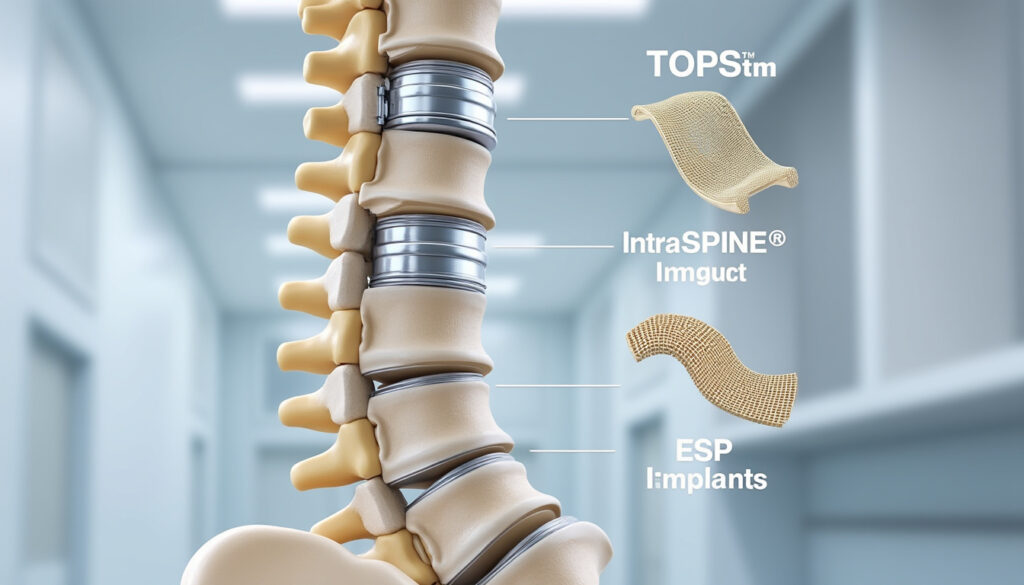
The evolving field of spinal surgery is witnessing a transformative shift, fueled by cutting-edge implant technologies such as TOPS, Intraspine, and ESP. These innovative implants redefine treatment possibilities by emphasizing preservation of natural spinal mechanics, while ensuring durable stabilization and…
Resources and Practical Guidance to Empower Patients Undertaking Transatlantic Surgery
Patients planning transatlantic spinal surgery should access comprehensive resources and support systems to navigate the intricate treatment path. Collaborations between Quebec and French healthcare providers have facilitated creation of information portals that clarify clinical options, eligibility, and bureaucratic steps.
- Book prompt consultations at specialized centers like TAGMED to get baseline evaluations and initiate conservative therapies.
- Engage with specialized referral organizations such as Franchir to select optimal surgical teams and manage travel arrangements.
- Use online platforms dedicated to medical tourism to explore reimbursement policies and patient rights.
- Participate in tailored postoperative care programs led by rehabilitation experts including Neurothérapie Montréal.
Educational materials available through trusted channels complement professional consultations, empowering patients to make fully informed decisions aligned with their lifestyles and health goals. Learning from real-world patient experiences, such as those shared through patient recovery stories, enriches understanding and builds confidence in the journey ahead.

Preparing for Surgery in France: Key Indications, Benefits, and Limitations
In an evolving global healthcare landscape, France emerges as a beacon of advanced surgical expertise, particularly attracting international patients seeking expedited and innovative medical interventions. Patients from regions experiencing long wait times, such as Quebec, increasingly view France as an…
Emerging Challenges in Managing Complex International Patient Pathways
The intricate nature of transatlantic medical journeys exposes patients and clinicians to unprecedented challenges related to healthcare system differences, regulatory requirements, and cultural variations. Healthcare professionals must stay vigilant to evolving issues in the management of these pathways.
Complexities include:
- Adjusting to different standards of care and procedural protocols between countries.
- Navigating insurance coverage inconsistencies and financial discrepancies affecting patient access.
- Addressing language and cultural barriers that may affect patient comprehension and compliance.
Innovations in patient journey modeling and data analytics, as discussed in expert guides, support enhanced planning and service coordination. Artificial intelligence tools are increasingly integrated to predict patient needs, optimize scheduling, and personalize care pathways, mitigating traditional obstacles.

Unveiling the Hidden Benefits of Quality and Certification in Devices
The landscape of device manufacturing and clinical application in 2026 has been fundamentally shaped by the rigorous interplay between quality management and certification processes. Within this complex framework, the hidden benefits of adhering to international standards and obtaining relevant certifications…
The Role of Pharmaceutical and Medical Device Leaders in Enhancing Patient Journey Outcomes
The success of transatlantic patient journeys is intertwined with advances from global healthcare companies. Industry leaders such as Pfizer, Sanofi, and Roche drive pharmaceutical research that improves perioperative care and pain management. Simultaneously, manufacturers like Medtronic and Philips Healthcare innovate surgical instruments and monitoring technologies critical for minimally invasive procedures.
Collaboration among device makers, pharmaceutical firms, and healthcare providers creates an ecosystem that enables safer surgeries, faster recovery, and quality of life improvements. These partnerships also foster patient education, adherence to therapy, and monitoring of long-term outcomes, essential in complex pathway management.

Why Experts Advocate for Comprehensive Preoperative Evaluations
In the complex and demanding field of spinal surgery, the emphasis on comprehensive preoperative evaluations has become a fundamental pillar supporting successful surgical outcomes. These evaluations, far beyond mere routine checks, integrate detailed analyses of patient health, surgical risk assessments,…
Adaptive Strategies for Continuous Improvement in Transatlantic Patient Experiences
Healthcare institutions promoting transatlantic patient journeys are adopting patient-centered quality improvement frameworks. By collecting and analyzing patient feedback on each journey phase, care providers identify bottlenecks, heterogeneity in clinical delivery, and opportunities for innovation.
Key strategies include:
- Implementing multidisciplinary care teams with cross-border training and communication protocols.
- Utilizing telemedicine and remote monitoring to maintain continuity during preoperative and postoperative periods.
- Enhancing awareness programs that better prepare patients emotionally and physically for the journey.
These approaches align with recommendations from authoritative reviews on patient journey optimization, fostering holistic care that respects patient autonomy and individual health contexts. The continuous evolution of technologies from Novartis and AstraZeneca likewise supports these adaptive strategies through advanced therapeutics and diagnostics.
What are the key preparatory steps before engaging in a transatlantic spinal surgery journey?
It is crucial to undergo a thorough initial evaluation with specialized conservative treatments lasting several months, ensure secure medical communication among all providers, and coordinate logistics with professional agencies to avoid delays and complications.
How do technological innovations in France improve surgical outcomes for international patients?
France utilizes minimally invasive and robotic-assisted techniques with dynamic implants that preserve spinal function, reduce postoperative pain, and accelerate recovery, significantly benefiting patients traveling internationally.
What role do pharmaceutical companies like Pfizer and Sanofi play in these transatlantic journeys?
These industry leaders develop medications that support pre- and postoperative pain control, infection prevention, and rehabilitation, which are vital components for patient comfort and successful recovery.
How can patients manage the complex logistics involved in transatlantic medical travel?
Delegating travel, accommodation, transportation, and insurance coordination to specialized organizations like Franchir ensures smoother journeys, reducing stress and optimizing timely treatment.
What challenges should clinicians be aware of when managing international patient pathways?
Key challenges include differences in healthcare system standards, insurance inconsistencies, language and cultural barriers, and the need for integrated communication platforms to maintain continuity and compliance throughout the care process.

The Future of Surgery Lies in Stepwise Functional Recovery
The evolution of surgical care in 2026 reveals a compelling shift toward approaches that prioritize the holistic recovery of patients, moving beyond traditional metrics like length of hospital stay or mortality rates. This modern paradigm highlights the principle that the…