Disc Herniation in Saint-Bruno-de-Montarville: Tips for Optimal Recovery and Neurovertebral Decompression Treatment
June 10, 2026
Simple Surgery, Fusion, and Motion: Personal Stories and Insights
June 10, 2026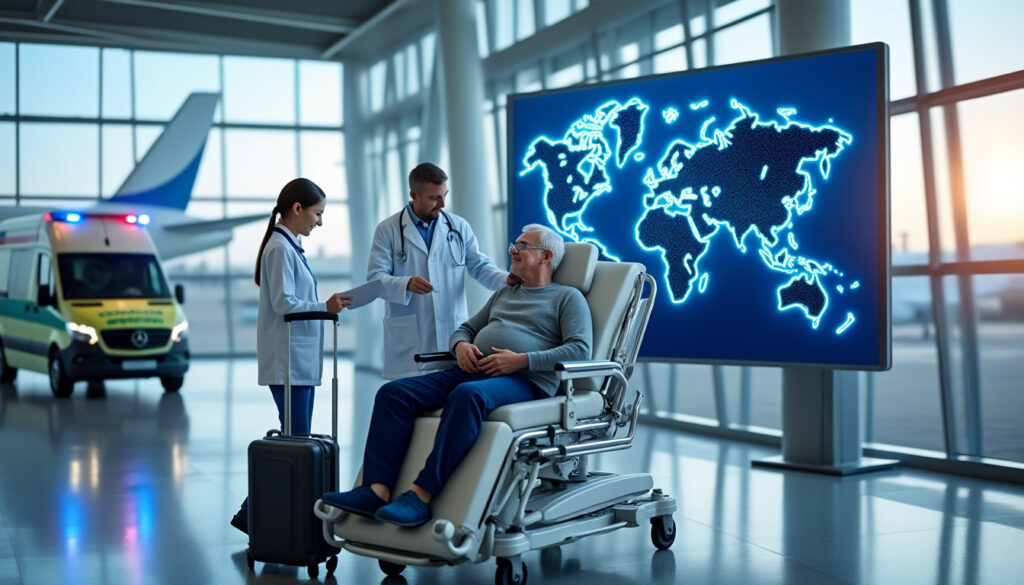
The intricate web of healthcare delivery is continuously evolving, with patients increasingly seeking solutions beyond geographic boundaries. The Transatlantic Patient Journey, linking Canada and France, represents more than just medical travel—it symbolizes a strategic fusion of expertise, innovation, and patient-centered care designed to overcome challenges such as prolonged wait times and limited access to advanced treatments. Amidst rising healthcare costs and systemic bottlenecks in spine care, this cross-border approach opens new avenues for patients to access specialized treatments and transformative health benefits.
Healthcare stakeholders are recognizing the critical role of international treatment pathways in reshaping medical tourism, offering not only expedited care but also enriching patient experiences with personalized coordination and ethical standards. This journey, facilitated by committed experts and innovative techniques, has the potential to reframe patient outcomes by balancing cutting-edge surgical interventions with robust conservative treatments and dynamic follow-up — ensuring patients navigate their healthcare with confidence and continuity regardless of borders.
Strategic Advantages of the Transatlantic Patient Journey for Healthcare Access and Outcomes
The Transatlantic Patient Journey provides a comprehensive framework designed to mitigate critical barriers in healthcare access, particularly for patients requiring spinal treatment. This journey is characterized by a deliberately coordinated approach spanning initial evaluations to post-treatment rehabilitation, thereby enhancing the overall quality of care.
One of the foremost healthcare benefits is the accelerated access to specialized intervention unavailable or delayed domestically. In Quebec, for instance, patients frequently confront extended wait periods for spinal care, which may exacerbate the severity of conditions. By integrating the strengths of French medical expertise and technology, patients benefit from earlier intervention combined with a more expansive choice of treatments.
Furthermore, the provision of healthcare across borders leverages innovative treatment modalities not yet widely deployed in the Canadian system. This adoption accelerates recovery times and improvement in patient mobility while simultaneously reducing complication rates. The continuum of care extends beyond surgery, emphasizing coordinated post-operative surveillance and rehabilitation programs tailored to individual patient profiles, significantly contributing to sustained health improvements.
Trust and transparency emerge as foundational pillars in this patient-centric model. By fostering open communication and emphasizing ethical clinical governance aligned with Canadian standards, the transatlantic pathway encourages patient confidence and adherence to treatment plans. The resultant patient experience is thus not only medically effective but also emotionally supportive, creating an environment conducive to holistic healing.
Evidence-based coordination efforts, such as those led by pioneering specialists, ensure that care pathways are individualized, optimizing resource deployment and minimizing redundancies. This model exemplifies a tangible solution for enhancing healthcare access and outcomes at an international level, illustrating how cross-border care can transcend logistical challenges through meticulous planning and patient advocacy.
Key Benefits of the Transatlantic Patient Journey:
- Accelerated access to specialized spinal treatments in France.
- Integration of advanced therapeutic options unavailable in local healthcare settings.
- Streamlined coordination from initial assessment to post-operative care.
- Enhanced continuity of medical oversight and rehabilitation.
- Patient-centered ethical standards ensuring safety and dignity.


Understanding Sciatic Pain: Key Symptoms and When to Seek Medical Advice
Sciatic pain is a prevalent condition impacting a wide demographic, manifesting primarily as intense pain radiating from the lower back down the leg. This pain stems from irritation or compression of the sciatic nerve, a major nerve extending through the…

The Stepwise Role of Functional Recovery in Achieving Successful Outcomes
The journey to full recovery following spinal surgery is often complex and multifaceted, demanding a meticulously structured approach to ensure optimal functional outcomes. In recent years, the concept of functional recovery through a stepwise approach has garnered significant attention in…
Advanced Spine Surgical Techniques in France Propelling the Transatlantic Pathway
France offers a diverse range of high-precision spinal surgical techniques which form a core advantage of the transatlantic patient journey. These include advanced fusion surgeries, motion preservation procedures, and minimally invasive endoscopic approaches, each tailored to optimize patient outcomes with respect to pathology and biomechanics.
Fusion Surgery: Stability Combined with Biomechanical Innovation
Spinal fusion, a mainstay in managing instability and severe lesions such as spondylolisthesis and vertebral fractures, is enhanced in the French medical landscape by the integration of dynamic implants. Devices like the TOPS and Intraspine systems provide partial fusion while preserving ligament integrity, thereby mitigating common post-operative stiffness and pain.
This biomechanical refinement allows for a more natural spinal function post-intervention, significantly improving the patient’s quality of life after surgery. The surgical technique is complemented by robotics and 3D imaging, guiding surgeons with unparalleled precision and reducing tissue trauma.
Motion Preservation Surgery: Restoring Natural Spinal Mobility
Preserving spinal range of motion is critical for long-term health, as traditional fusion methods may accelerate adjacent segment degeneration. French developments in prosthetic disc technology, pioneered by specialists aligned with manufacturers like Cousin Spine and Premia Spine, facilitate disc replacement with devices mimicking natural movement.
These technologies often utilize minimally invasive procedures, including endoscopy-assisted methods, thereby reducing operative stress and enabling quicker rehabilitation. Patients returning from transatlantic journeys emerge with better mobility and significantly decreased post-operative discomfort.
Minimally Invasive and Endoscopic Surgery: Revolutionizing Recovery and Safety
Minimally invasive spinal operations combined with endoscopic assistance represent an evolution in surgical care, focusing on reduced incision sizes and minimized trauma. In France, high-tech methods such as laser-assisted neurovertebral decompression coupled with robotic navigation illustrate the cutting edge of this specialty.
The precision afforded by these tools fosters quicker recovery timelines and diminishes infection risks, thereby assuring patients of safer and more effective treatment. This innovation significantly broadens the treatment spectrum for patients traveling from Quebec and elsewhere through the transatlantic pathway.
The Surgical Technique Comparison Table
| Technique | Primary Objective | Technological Integration | Patient Impact |
|---|---|---|---|
| Fusion Surgery | Eliminate vertebral instability | Dynamic implants, robotic guidance | Improved stability with reduced stiffness |
| Motion Preservation | Maintain natural spinal movement | Prosthetic discs, endoscopic assistance | Enhanced mobility and less post-op pain |
| Minimally Invasive Surgery | Reduce tissue trauma | Laser, 3D imaging, robotics | Faster recovery and lower complication rates |
Continual educational programs such as the Diplôme Inter-Universitaire de Chirurgie du Rachis foster expertise among surgeons, ensuring that French spine surgery remains at the forefront of innovation and patient care excellence. These efforts underscore the value inherent in the transatlantic medical travel model.

Transatlantic Patient Journey: Insights into Indications, Benefits, and Challenges
The emergence of the Transatlantic Patient Journey as a strategic model within healthcare continues to capture attention for its innovative potential, especially in specialized fields such as spinal surgery. This cross-border care pathway integrates rigorous medical evaluation from Quebec with…
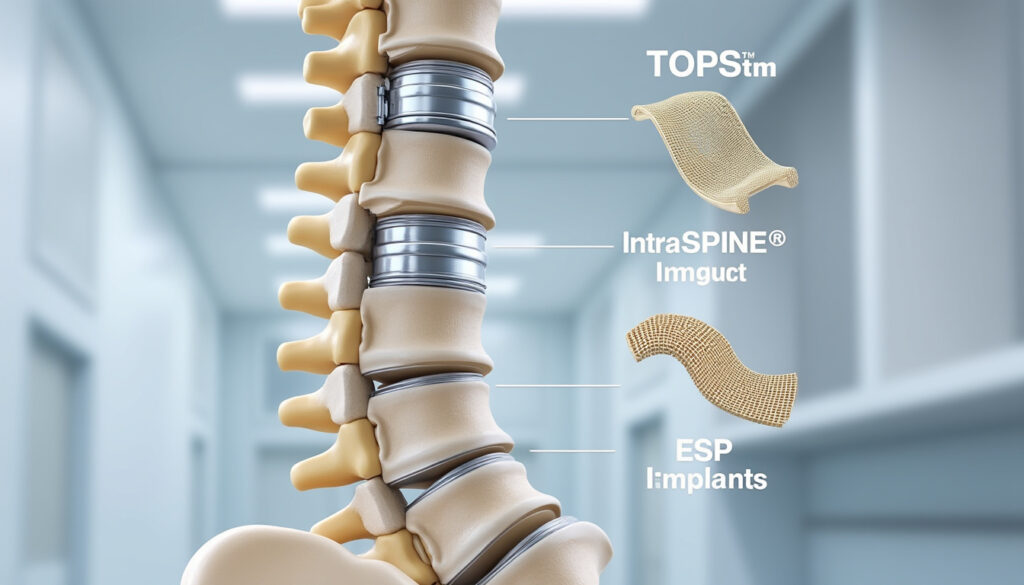
The evolving field of spinal surgery is witnessing a transformative shift, fueled by cutting-edge implant technologies such as TOPS, Intraspine, and ESP. These innovative implants redefine treatment possibilities by emphasizing preservation of natural spinal mechanics, while ensuring durable stabilization and…
Comprehensive Coordination for a Seamless Transatlantic Healthcare Experience
The success of a transatlantic patient journey heavily depends on seamless organization and communication between multiple care providers. The overarching coordination mechanism entails meticulous management from initial evaluations in Quebec through to personalized post-operative rehabilitation after patient return.
Initial Evaluation and Conservative Care: Setting the Foundation in Quebec
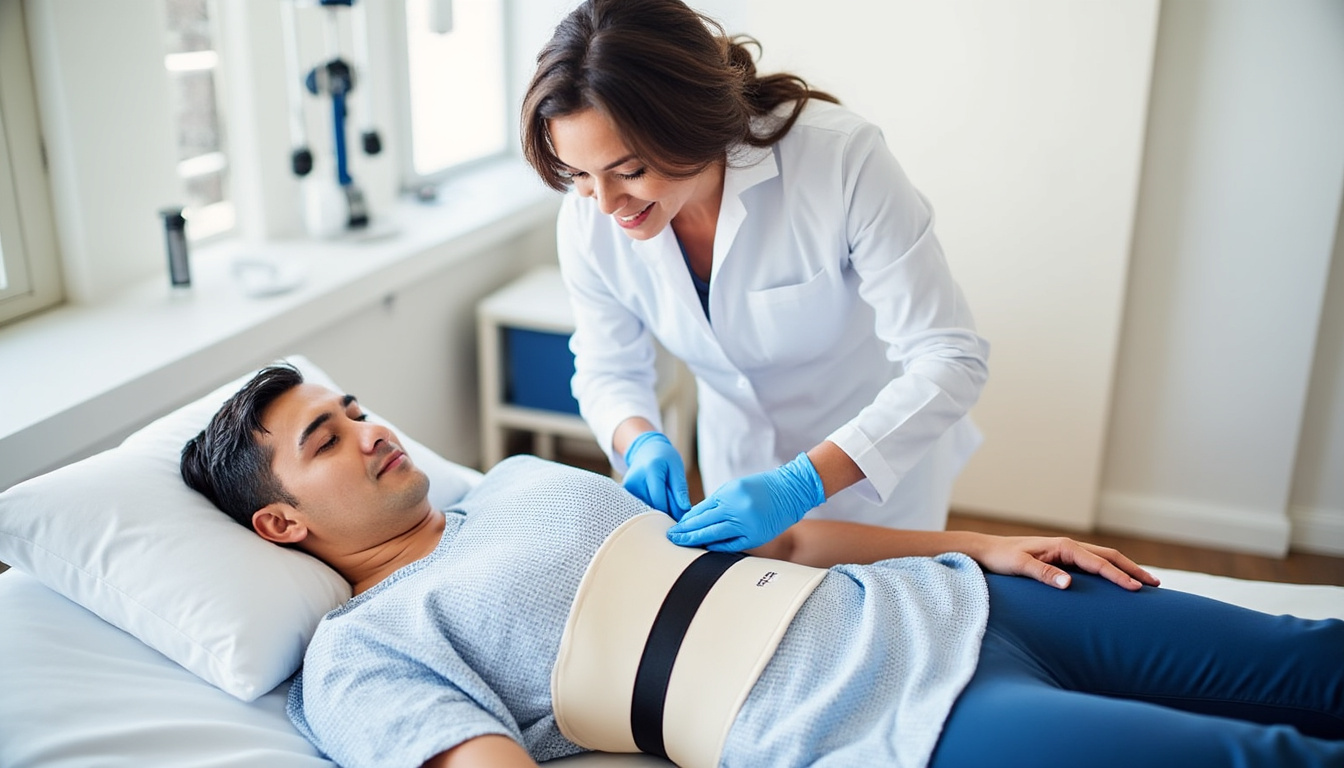
Before any transatlantic journey, thorough clinical assessments and conservative treatment trials occur locally. Advanced neurovertebral decompression therapies using robotic traction at specialized clinics like TAGMED provide an evidence-based approach to symptom management, seeking to delay or avoid surgical intervention where possible.
This step ensures all alternative treatments are exhausted, with progress carefully monitored. Such diligence exemplifies the ethical framework prioritizing patient safety and optimizing surgical candidacy.
Logistics and Patient Orientation: Simplifying International Medical Travel
Once surgery is indicated, organizations such as Franchir manage patient orientation to appropriate French centers, attend to logistics including flights, appointments, and accommodations, and provide continuous support throughout the stay. This relieves administrative burdens, allowing patients to focus solely on treatment and recovery.
Post-Operative Care and Rehabilitation: Sustaining Recovery in Quebec
Following surgery, patients return to Quebec for rehabilitation under Neurothérapie Montréal’s multidisciplinary program. This follow-up includes tailored physiotherapy, monitoring for complications, and gradual reintegration into daily activities, creating a full-circle continuum of care.
This robust follow-up phase is central to maintaining surgical benefits and ensuring quality of life improvements extend beyond initial treatment milestones. As described in detailed care guides, a patient’s journey does not end with the operation but continues through vigilant post-surgical support, a critical factor in overall success.

Preparing for Surgery in France: Key Indications, Benefits, and Limitations
In an evolving global healthcare landscape, France emerges as a beacon of advanced surgical expertise, particularly attracting international patients seeking expedited and innovative medical interventions. Patients from regions experiencing long wait times, such as Quebec, increasingly view France as an…

Unveiling the Hidden Benefits of Quality and Certification in Devices
The landscape of device manufacturing and clinical application in 2026 has been fundamentally shaped by the rigorous interplay between quality management and certification processes. Within this complex framework, the hidden benefits of adhering to international standards and obtaining relevant certifications…
Integrating Conservative and Surgical Treatments: A Personalized Pathway Optimizing Outcomes
Central to the transatlantic patient journey is the principle that surgical intervention is reserved only after extensive conservative therapy under specialist supervision. This dual-modal treatment paradigm enhances safety and ensures surgical decisions reflect comprehensive clinical evaluation rather than ancillary pressures.
Robotic-assisted decompression therapy exemplifies conservative treatment innovation, offering tangible symptomatic relief that may reduce surgical necessity. Patients engage in monitored treatments for periods ranging from three to six months, with surgical consideration limited to persistent symptomatology.
This strategy embodies patient-centered ethics, prioritizing minimally invasive options and informed decision-making. It ensures surgical approaches are patient-specific, scientifically supported, and aligned with Canadian healthcare regulations, fostering trust and improving long-term outcomes.

Why Experts Advocate for Comprehensive Preoperative Evaluations
In the complex and demanding field of spinal surgery, the emphasis on comprehensive preoperative evaluations has become a fundamental pillar supporting successful surgical outcomes. These evaluations, far beyond mere routine checks, integrate detailed analyses of patient health, surgical risk assessments,…
The Future of Surgery Lies in Stepwise Functional Recovery
The evolution of surgical care in 2026 reveals a compelling shift toward approaches that prioritize the holistic recovery of patients, moving beyond traditional metrics like length of hospital stay or mortality rates. This modern paradigm highlights the principle that the…
Unpacking Lesser-Known Benefits: Cost Efficiency, Technological Access, and Quality Assurance
While faster surgical access remains a clear advantage, the transatlantic patient journey also reveals nuances that heighten its appeal to a broader patient demographic. Access to exclusive advanced implants and technologies available in France offers innovative options unavailable in local healthcare systems, enriching choice and clinical outcomes.
Economically, this pathway strategically alleviates some financial burdens. Compared to certain private Canadian alternatives, transatlantic treatment incurs fewer overall costs by reducing wait-associated health decline and shortening disability-related economic impacts. It fosters a more sustainable healthcare spending model benefitting patients and systems alike.
Importantly, the transatlantic network emphasizes continuous communication and data sharing between healthcare providers, reducing fragmentation and improving patient safety through cohesive care plans. This integrated approach mitigates risks linked to care discontinuity and enhances patient peace of mind during complex medical travel.
| Benefit Aspect | Description | Impact on Patient |
|---|---|---|
| Technological Access | Exclusive dynamic implants and robotic assistance | Advanced treatment options with improved mobility and less pain |
| Cost Efficiency | Lower overall expenditure compared to private local care | Greater affordability and less financial strain |
| Continuity of Care | Coordinated cross-border communication and follow-up | Smoother recovery process and enhanced patient confidence |
| Ethical Compliance | Adherence to international safety and regulatory standards | High assurance of quality and patient safety |
Such advantages are increasingly recognized as healthcare systems worldwide embrace globalization and patient mobility. The expert recommendations for transatlantic patient journeys specifically highlight these hidden benefits as integral to improving health equity and innovation diffusion.
Enhancing Patient Experience through Personalization and Trust in Medical Tourism
Amid diverse medical tourism landscapes, the Transatlantic Patient Journey stands out for its commitment to personalization and trust-building. From initial consultations to follow-up, patients receive tailored communication strategies that address cultural differences, language nuances, and individual health expectations.
Building transparent relationships minimizes anxiety and fosters patient engagement throughout the treatment timeline. Dedicated international care coordinators act as liaisons, providing empathetic support and simplifying complex healthcare processes. This model aligns with insights from studies emphasizing the integration of trust and transparency as core to successful cross-border care experiences.
Quality assurance mechanisms, including international accreditation and rigorous ethical review, further underpin patient confidence. As patients navigate unfamiliar environments for critical treatments, these assurances act as pillars of reassurance, elevating patient satisfaction and adherence to postoperative protocols.
The Future of Cross-Border Care: Collaboration, Innovation, and Shared Expertise
The continuing evolution of healthcare in 2026 underscores the transformative potential of transatlantic collaborations. New initiatives emphasize collaborative data sharing, leveraging artificial intelligence to optimize patient journeys and health outcomes collectively. This trend reflects a growing recognition of global health interconnectivity and the power of shared resources.
Joint training programs and international educational courses promote the dissemination of emerging spinal surgical techniques, ensuring that expertise transcends borders and evolves in harmony with technological advancements. These programs cultivate a cadre of specialists adept at managing complex patient journeys with a holistic outlook.
The consolidation of such partnerships promises enhanced healthcare access, with reduced disparities and an empowered patient community benefiting from coordinated, high-quality care. As the healthcare sector integrates these transnational frameworks, the transatlantic patient journey remains a fundamental blueprint for future medical tourism standards.
Cross-Border Spine Care: Canada vs France
What is a Transatlantic Patient Journey?
It is a coordinated healthcare pathway that facilitates patients traveling between Canada and France to access specialized medical treatments, particularly in spine care, combining local and international expertise for optimized outcomes.
How do patients benefit from cross-border care?
Patients gain accelerated access to advanced treatments, benefit from innovative surgical techniques, reduced wait times, and enjoy comprehensive follow-up care orchestrated across countries to ensure consistent recovery.
Is the transatlantic journey cost-effective compared to local private options?
Yes, this approach often lowers overall costs by minimizing long wait times and related complications, providing patients with affordable access to high-quality care that might otherwise be unavailable or more expensive locally.
What role does technology play in the transatlantic healthcare model?
Advanced technologies such as robotic navigation, 3D imaging, and dynamic implants enhance precision, safety, and recovery rates, underlining the importance of innovation in cross-border patient journeys.