

Disc Prosthesis in Lévis: A Proven and Effective Solution
July 15, 2026
The Pivotal Role of Innovative Implants: TOPS™, Intraspine®, and ESP in Achieving Successful Outcomes
July 15, 2026
In an evolving global healthcare landscape, France emerges as a beacon of advanced surgical expertise, particularly attracting international patients seeking expedited and innovative medical interventions. Patients from regions experiencing long wait times, such as Quebec, increasingly view France as an optimal destination for surgery preparation that promises access to cutting-edge techniques and highly specialized practitioners. This trend reflects a broader collaboration between healthcare systems, merging French surgical prowess with comprehensive patient support from consultation through recovery. Delving into the intricate journey of surgery preparation in France reveals its pivotal role in optimizing surgical indications and patient readiness, augmenting surgery outcomes while acknowledging inherent surgery limitations.
The coordination required for patients to navigate this transnational healthcare path is complex yet meticulously managed, ensuring continuity of care across continents. Rigorous preoperative benefits are secured through exhaustive medical evaluations and tailored pre-surgical protocols that align with France’s stringent healthcare system standards. Such preparation mitigates surgical risks and bolsters post-operative recovery, underscoring the merits of structured medical procedures backed by personalized patient support networks. Exploring the multifaceted aspects of surgery preparation in France unveils not only the clinical advantages but also the organizational and psychological considerations vital for achieving optimal surgical results and patient well-being in international contexts.
Comprehensive Evaluation of Surgical Indications and Patient Eligibility in France Healthcare
Determining candidacy for surgery in France involves a thorough appraisal of surgical indications that transcend simple symptom assessment. Patient readiness encompasses a detailed clinical and paraclinical analysis, coordinated among Quebec medical teams and experienced French spine surgery consultants. This comprehensive evaluation integrates imaging modalities including MRI, CT scans, and X-rays alongside exhaustive medical histories and blood work, forming the foundation for safe surgical decisions.
During the initial consultations, patients provide detailed questionnaires outlining symptom severity, functional capacity, and lifestyle habits that could influence surgical outcomes. This transparent data gathering enhances tailored treatment planning. French surgical teams collaborate closely with their international counterparts to ascertain precise indications, discriminating cases requiring immediate operative intervention from those that might benefit from conservative or alternative therapies such as neurovertébral decompression with robotic assistance.
This rigorous patient selection framework respects individual health profiles, minimizing unnecessary exposure to surgical risks. Real-world examples underscore the importance of this process: cases referred to specialized centers often present complex degenerative spinal conditions where deciding on motion-preservation approaches versus arthrodesis requires the nuanced expertise that France’s multidisciplinary teams provide. By linking these efforts with logistics and follow-up managed by dedicated organizations, the pathway solidifies into a dependable healthcare continuum that safeguards both clinical efficacy and patient safety.
- Gather all recent spinal imaging (MRI, CT, radiographs) for review.
- Compile comprehensive blood panels assessing coagulation and organ function.
- Provide detailed medical, surgical, and allergy histories.
- Complete surgeon-supplied medical questionnaires fully and accurately.
- Disclose lifestyle factors such as smoking and physical activity levels.

Understanding Sciatic Pain: Key Symptoms and When to Seek Medical Advice
Sciatic pain is a prevalent condition impacting a wide demographic, manifesting primarily as intense pain radiating from the lower back down the leg. This pain stems from irritation or compression of the sciatic nerve, a major nerve extending through the…

The Stepwise Role of Functional Recovery in Achieving Successful Outcomes
The journey to full recovery following spinal surgery is often complex and multifaceted, demanding a meticulously structured approach to ensure optimal functional outcomes. In recent years, the concept of functional recovery through a stepwise approach has garnered significant attention in…
Advantages of Surgery Preparation Protocols in France: Enhancing Preoperative Benefits
The French healthcare system prioritizes meticulous preoperative preparation, ensuring patient safety and optimizing surgical outcomes. Central to this approach is the implementation of stringent hygiene protocols, including pre-surgical antiseptic showers and strict fasting guidelines that reduce infection risks and enhance surgical readiness.
In France, standard preparation includes a Betadine antiseptic shower performed the evening before and the morning of surgery, with explicit instructions to avoid shaving the surgical zone to prevent micro-abrasions that increase infection susceptibility. Moreover, patients receive precise fasting instructions—no solid foods six hours prior and only clear fluids up to two hours before the procedure—to minimize anesthesia-related complications. Smoking cessation is also rigorously recommended several weeks before surgery to improve wound healing and reduce postoperative complications.
These protocols are backed by comprehensive patient education and logistical support that reduces anxiety and enhances adherence. For example, neurological surgery candidates benefit from collaborative care frameworks facilitated by entities like Neurothérapie Montréal and Franchir, which schedule, coordinate, and oversee each preparatory step from initial assessment through hospital admission.
The benefits extend beyond infection control. Streamlined preoperative planning shortens hospital stays and expedites recovery by minimizing perioperative stress and complications. Case studies emphasize that patients who strictly adhere to these preparation steps experience fewer surgical setbacks and return to functional activities sooner, corroborating the necessity of robust surgery preparation practices within France’s healthcare milieu.

Transatlantic Patient Journey: Insights into Indications, Benefits, and Challenges
The emergence of the Transatlantic Patient Journey as a strategic model within healthcare continues to capture attention for its innovative potential, especially in specialized fields such as spinal surgery. This cross-border care pathway integrates rigorous medical evaluation from Quebec with…
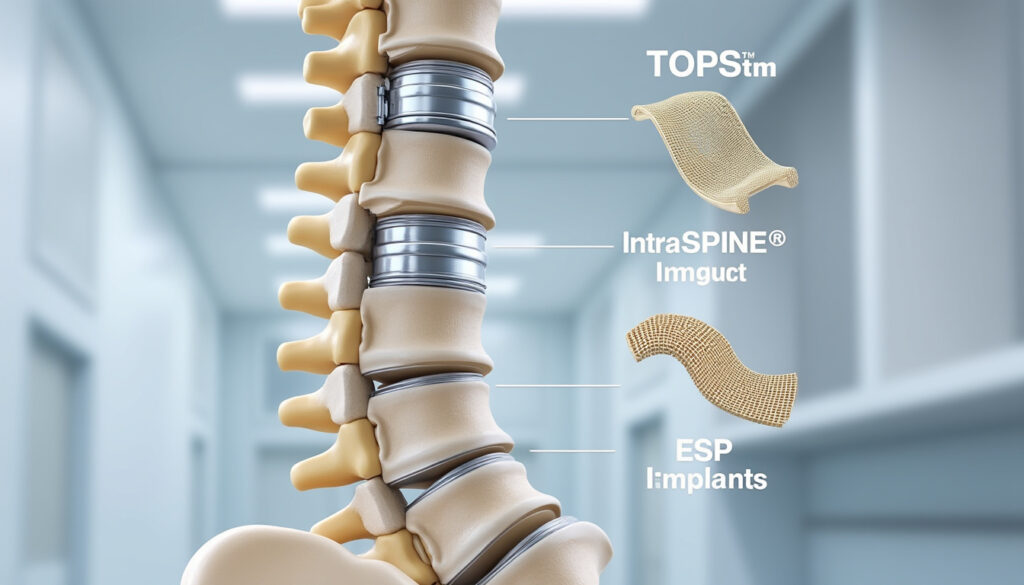
The evolving field of spinal surgery is witnessing a transformative shift, fueled by cutting-edge implant technologies such as TOPS, Intraspine, and ESP. These innovative implants redefine treatment possibilities by emphasizing preservation of natural spinal mechanics, while ensuring durable stabilization and…
The Role of Logistical Coordination and Human-Centered Support in International Surgical Pathways
For patients traveling internationally for surgery, logistical precision and empathetic support are paramount in their overall experience and recovery process. France’s healthcare ecosystem, complemented by specialized agencies, provides intricate orchestration of travel, accommodation, and hospital admissions to minimize patient stress
Franchir, a key player, acts as both navigator and facilitator by matching patients with suitable expert surgeons and accredited hospitals in France, specific to spinal conditions. They also arrange flights, transfers, and lodging that cater to medical needs and comfort, ensuring a stress-free transition across borders. This commitment to personalized service is mirrored by Neurothérapie Montréal’s interaction with patients prior to departure and postoperatively, forming a bridge between the two healthcare systems.
Moreover, the psychological impact of traveling abroad for complex surgical interventions is addressed through clear communication and continuous patient engagement. Preparing two separate luggage bags—one with essential medical documents and medications, the other with comfort items—is typical advice aimed at easing the patient journey. These small yet significant methods demonstrate the human-centric philosophy that marks surgery preparation in France as not only clinical but profoundly supportive, yielding better patient resilience and confidence.


Unveiling the Hidden Benefits of Quality and Certification in Devices
The landscape of device manufacturing and clinical application in 2026 has been fundamentally shaped by the rigorous interplay between quality management and certification processes. Within this complex framework, the hidden benefits of adhering to international standards and obtaining relevant certifications…
Why Experts Advocate for Comprehensive Preoperative Evaluations
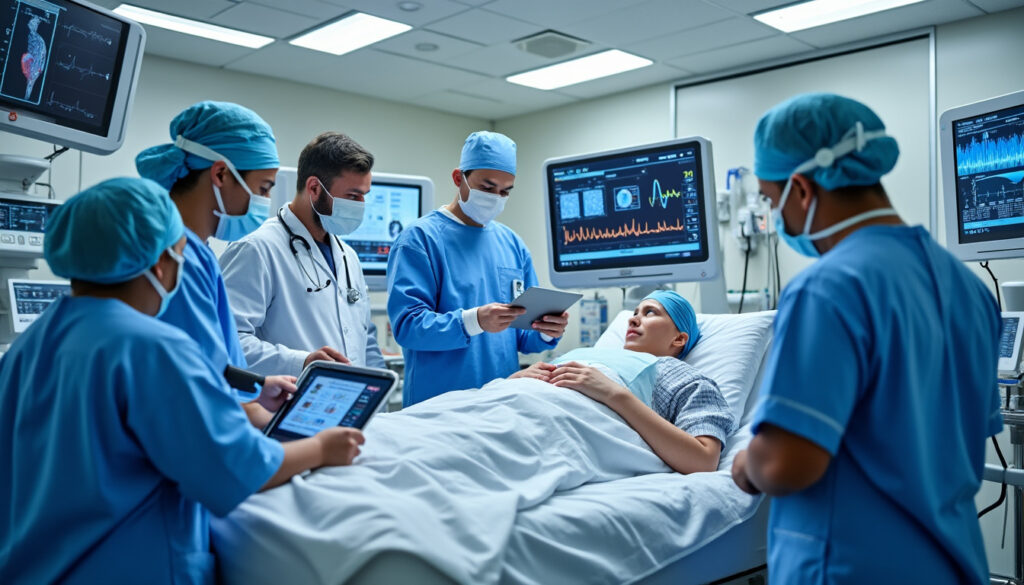
In the complex and demanding field of spinal surgery, the emphasis on comprehensive preoperative evaluations has become a fundamental pillar supporting successful surgical outcomes. These evaluations, far beyond mere routine checks, integrate detailed analyses of patient health, surgical risk assessments,…
Surgical Innovations in France: Indications and Benefits of Advanced Techniques and Implants
French spine surgery reflects a commitment to innovation, incorporating state-of-the-art techniques that advance functional outcomes and minimize invasiveness. These developments include robot-assisted surgery guided by 3D imaging, allowing for precision that reduces tissue damage and accelerates healing.
Specific surgical options cater to diverse pathologies: arthrodesis remains a reliable method for spinal stabilization in unstable or progressive deformities, while motion-preservation surgeries such as disc prostheses offer promising alternatives that maintain spinal mobility. Dynamic stabilization implants like TOPS and Intraspine bring versatility to lumbar interventions by preserving segmental function and reducing adjacent segment degeneration.
Collaboration with pioneering manufacturers such as Cousin Spine and Premia Spine ensures access to cutting-edge implants designed for optimal biomechanical performance. For example, a patient suffering from a debilitating cervical disc herniation underwent a disc replacement in France, benefitting from the minimally invasive procedure and the latest implant technology. This patient’s rapid postoperative recovery and return to professional activity exemplify the impactful blend of surgical innovation and comprehensive post-op care coordinated back in Quebec.
Such advanced medical procedures, supported by ongoing education efforts through programs like the Spinal Solution Course 2025, continue to strengthen France’s position as a leader in high-precision spinal surgery.
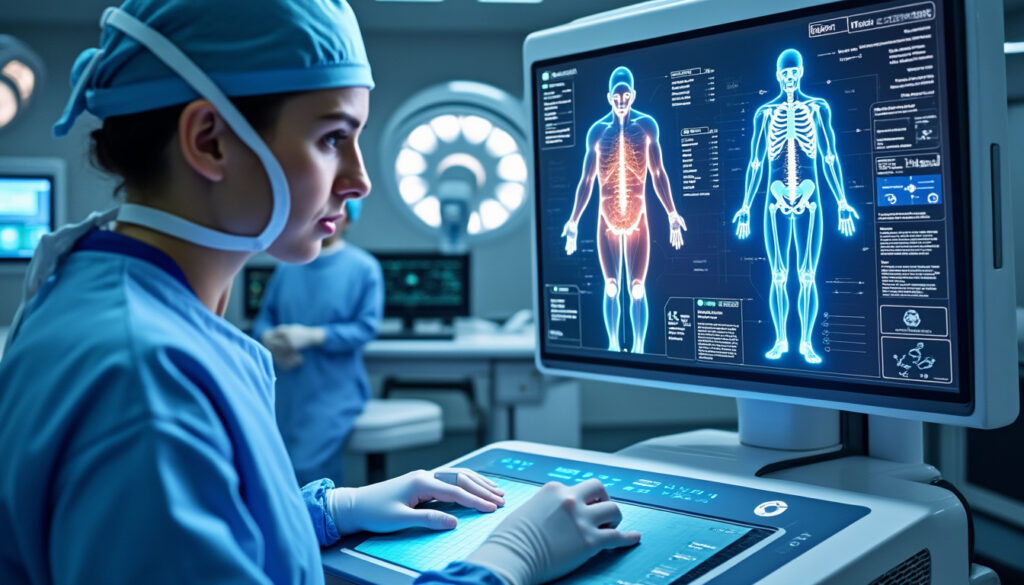
The Future of Surgery Lies in Stepwise Functional Recovery
The evolution of surgical care in 2026 reveals a compelling shift toward approaches that prioritize the holistic recovery of patients, moving beyond traditional metrics like length of hospital stay or mortality rates. This modern paradigm highlights the principle that the…
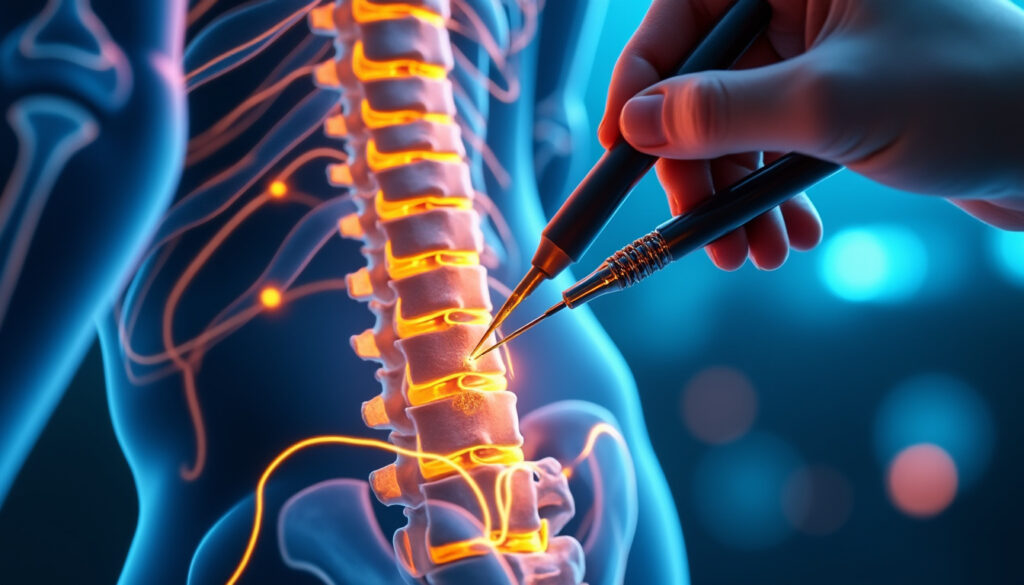
Common Pitfalls to Avoid in Neurovertebral Decompression Therapy and Its Crucial Role
Neurovertebral decompression therapy has emerged as a sophisticated non-invasive medical intervention aimed at relieving chronic spinal pain, particularly associated with conditions such as herniated discs and spinal stenosis. As spinal disorders persist as a leading cause of disability worldwide, patients…
Recognizing Surgery Limitations and Essential Precautions in Patient Preparation
Despite significant technological advancements, surgery preparation in France requires careful acknowledgement of inherent surgery limitations and patient-specific risks. Even the most experienced teams must balance potential benefits with neurological complications, infection risks, and implant-related reactions disclosed in recent French clinical studies.
Preoperative screening rigorously eliminates candidates for whom surgery could pose excessive risk due to comorbidities or unstable health states. Conservative approaches remain preferable where operative intervention carries disproportionate risk. This risk stratification underscores the tailored nature of surgical decision-making intrinsic to France’s healthcare system.
Furthermore, the geographical distance introduces logistical and psychological barriers demanding robust support mechanisms. Ensuring that patients are well-informed about these challenges forms an integral part of preparation, fostering realistic expectations and mental readiness. This approach underpins patient safety, recovery trajectory, and long-term surgery outcomes.
| Advantages of Surgery Preparation in France | Limitations and Precautions |
|---|---|
| Rapid access to over 20 expert surgeons | Requires careful management of international logistics |
| Innovative medical implants and advanced surgical techniques | Strict adherence to pre- and post-operative protocols |
| Significantly reduced wait times compared to some national systems | Not suitable for patients with uncontrolled comorbid conditions |
| Personalized postoperative follow-up via local centers in Quebec | Financial and administrative preparations required |
| Comprehensive multidisciplinary, patient-centered coordination | Mental and psychological adjustment for transnational care |
Strategic Preoperative Patient Readiness to Minimize Surgical Risks and Enhance Outcomes
A pivotal element of France’s surgical preparation involves comprehensive patient readiness designed to mitigate surgical risks. This encompasses not only meticulous medical assessments but also patient education and behavioral modifications supporting post-surgery recovery.
Strategies include smoking cessation programs, physical conditioning, and nutritional optimization, enhancing healing capacity. Additionally, patients receive explicit guidelines on hygiene and medication management aimed at reducing infection and complication rates. The success stories documented in numerous patient testimonials highlight the impact of such preparation, wherein well-prepared patients demonstrate reduced hospital stays and fewer complications.
Facilitating this readiness also involves psychosocial support and regular communication managed by an interdisciplinary team led by coordinators such as Marcel Mazaltarim at Neurothérapie Montréal. His leadership in orchestrating personalized care pathways ensures patients approach surgery in optimal health states, poised for successful outcomes upon return to their home country.
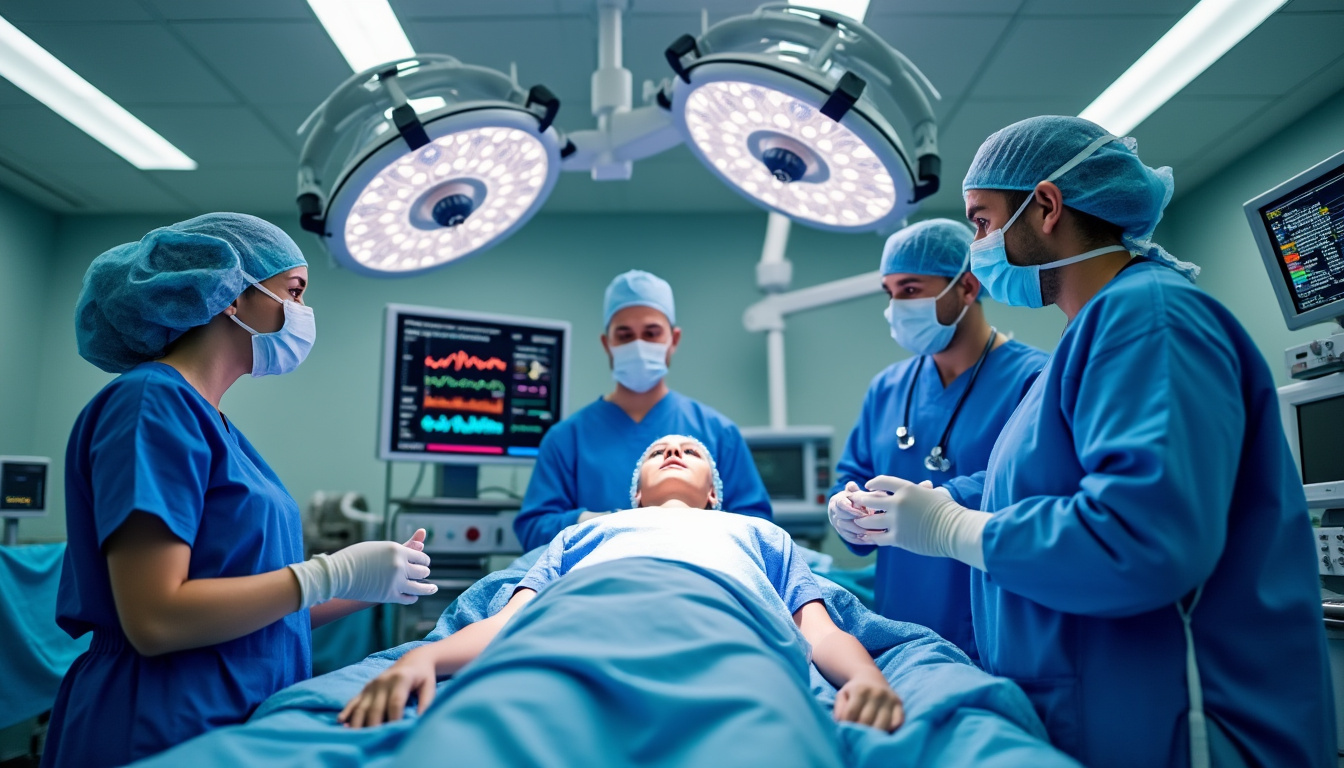
Integrating Postoperative Follow-up and Rehabilitation: Essential for Sustainable Surgery Outcomes
Postoperative care completes the surgical journey by reinforcing benefits secured during the procedure and preparation phases. Patients returning to Quebec benefit from tailored rehabilitation programs and monitoring implemented by Neurothérapie Montréal, which integrates neurofunctional assessments and advanced neurofeedback techniques.
This post-surgical management is key to sustaining improvements and detecting any early complications. Personalized protocols enable adaptive interventions that optimize neurological and musculoskeletal recovery, representing a holistic continuum of care fostered by the international partnership between French surgeons and Canadian rehabilitation experts.
Such structured follow-up exemplifies how successful surgery outcomes rely not only on the operation itself but also on long-term engagement with supportive healthcare structures dedicated to patient well-being beyond hospital discharge. It embodies the future of surgery where functional recovery is the ultimate endpoint of care, fulfilling patient expectations and enhancing quality of life.
Preparing for Surgery in France: Key Indications, Benefits, and Limitations
| Aspect | France Healthcare | Quebec Healthcare |
|---|
What essential documents are needed for surgery preparation in France?
Patients must provide recent spinal imaging studies (MRI, CT scans, X-rays), comprehensive blood tests, complete medical histories including allergies, and completed medical questionnaires to allow thorough evaluation prior to surgery.
Is surgery preparation in France suitable for every patient?
Eligibility is determined individually, factoring in health status, pathology type, and adherence to medical criteria set by multidisciplinary teams, ensuring surgery only proceeds when benefits outweigh risks.
What advantages does surgery in France offer compared to other healthcare systems?
France provides reduced waiting times, access to advanced surgical technologies and implants, a network of more than 20 expert surgeons, plus personalized postoperative follow-up managed locally in patients’ home countries.
How should patients prepare hygienically before surgery in France?
Patients must follow strict ‘zero infection’ protocols including Betadine showers before surgery, avoid shaving surgical sites, remove jewelry and nail enhancements, adhere to fasting guidelines, and follow smoking cessation advice.
Who ensures coordination of care throughout the international surgery pathway?
Coordinators like Marcel Mazaltarim from Neurothérapie Montréal oversee patient care logistics, bridging communication between patients, French surgical teams, logistical services, and medical tourism facilitators.