Understanding tiered functional recovery: a comprehensive guide
August 16, 2025
TOPS™ Implant: A Modern Solution for Chronic Back Pain
August 17, 2025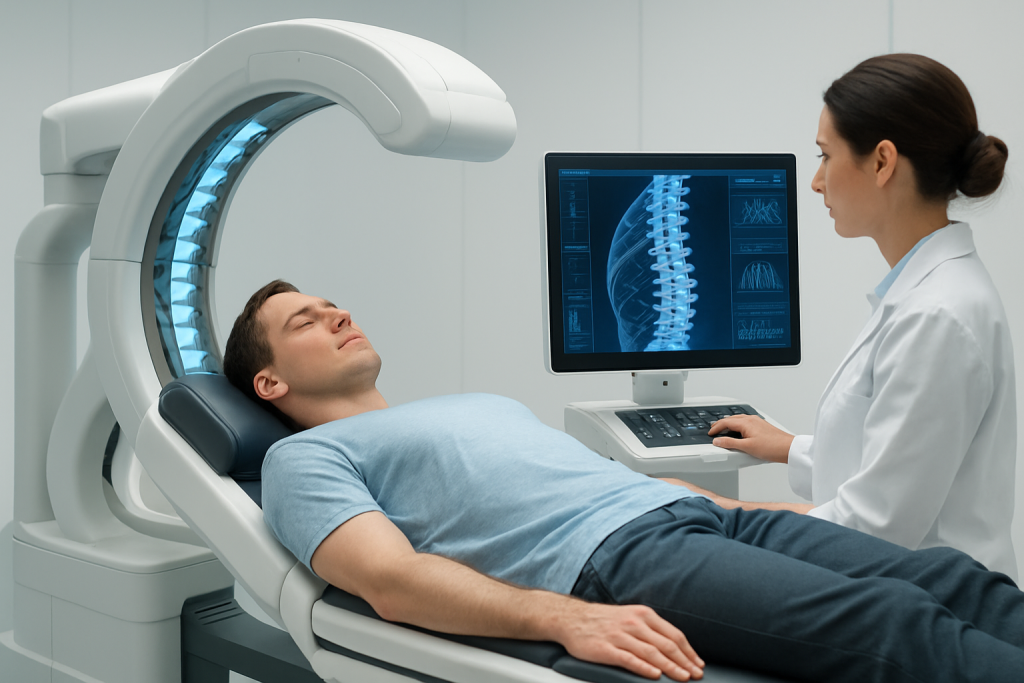
The evolving landscape of spinal care in 2025 introduces a dynamic blend of innovation, technology, and patient-centric solutions aimed at reducing the reliance on traditional spinal surgeries. Among pioneering developments, Cousin Spine technology stands out by offering novel approaches that preserve spinal mobility, alleviate chronic pain, and enhance recovery outcomes. This transformative technology, coupled with strategic collaborations like Franchir’s logistical expertise, enables patients—particularly those from Canada—to access cutting-edge treatments in France and across Europe. These advancements not only challenge the long-standing spinal fusion paradigm but also emphasize minimally invasive procedures and personalized care pathways, positioning patients at the core of a holistic treatment experience. As spinal implants evolve, incorporating biomechanical sophistication and materials science, the prospect of avoiding complex surgeries grows ever more tangible, fostering a future where spinal health is maintained with greater precision and less trauma.
Understanding Cousin Spine Technology and Its Role in Avoiding Spinal Fusion Surgery
Traditional spinal fusion has long been the gold standard for addressing various spinal pathologies, including degenerative disc disease, spinal instability, and foraminal stenosis. However, fusion often leads to reduced spinal mobility and adjacent segment degeneration, impacting patient quality of life postoperatively. Cousin Spine technology introduces a groundbreaking alternative: dynamic stabilization implants that preserve physiological motion while providing mechanical stability.
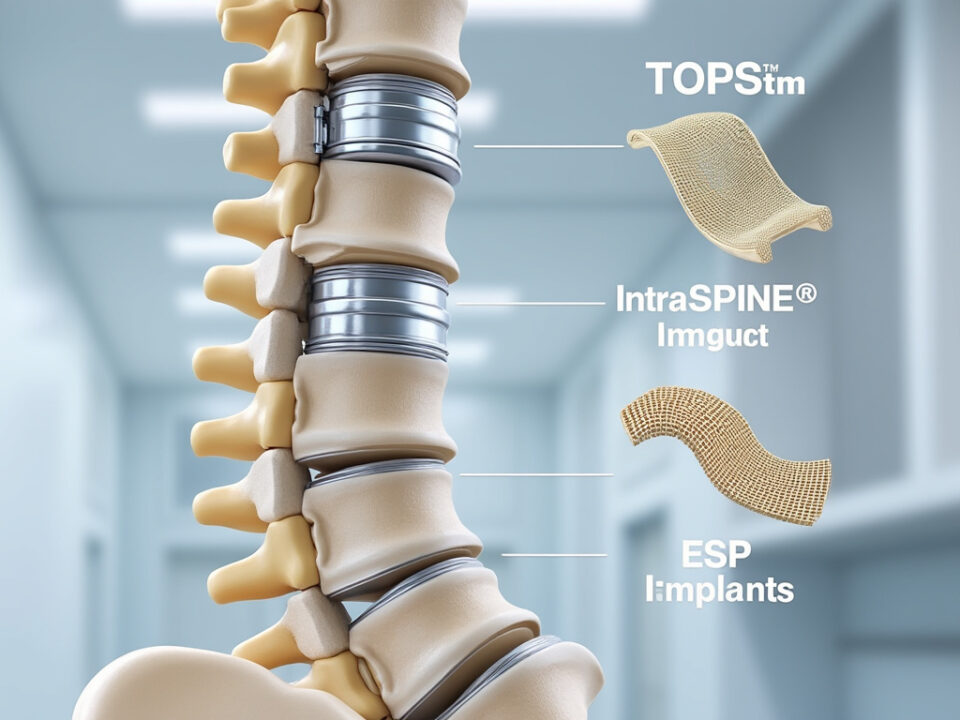
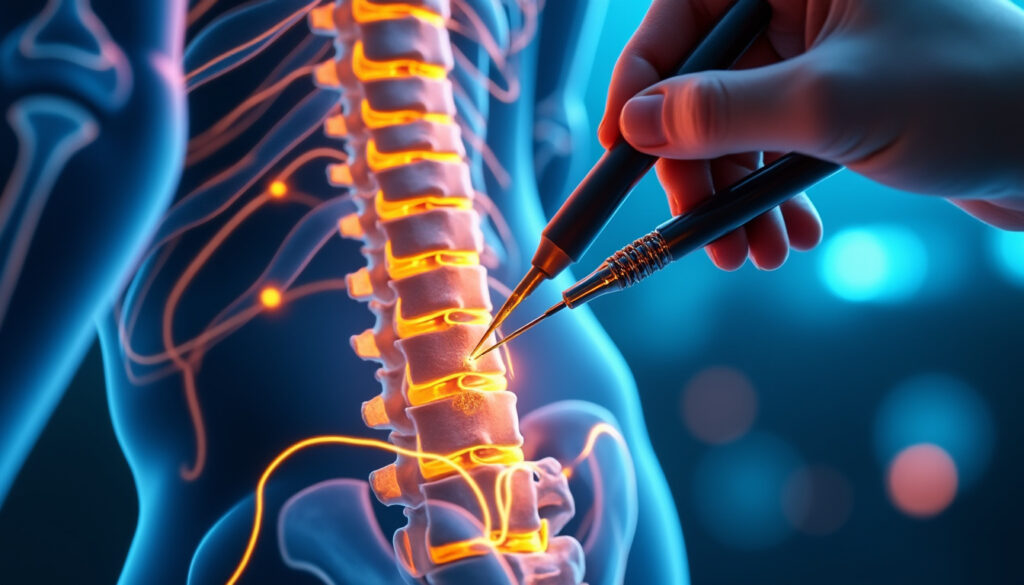
One of the flagship innovations is the Total Posterior Solution (TOPS), a dynamic posterior stabilization device that replaces fusion by allowing controlled spinal motion. This implant effectively reduces the pain associated with spinal rigidity and offers a functionality closer to the natural biomechanics of the vertebral segment. Similarly, the Intraspine device serves as an interlaminar dynamic spacer that decompresses nerve roots and maintains segmental mobility, especially beneficial in cases of herniated discs and chronic low back pain.
Key advantages of Cousin Spine implants include:
- Preservation of spinal mobility: Unlike rigid fusion, dynamic implants maintain natural movement, reducing compensatory strain on adjacent segments.
- Reduction of postoperative pain: Biomimetic design minimizes inflammation and improves biomechanical function.
- Personalized treatment options: Implants such as TOPS, ESP (elastic stabilization), and B-DYN can be selected based on specific pathology, anatomy, and patient needs.
- Minimally invasive surgical approaches: Reduced tissue trauma translates into quicker recovery and shorter hospital stays.
- Superior implant materials: Innovative composites improve longevity and biocompatibility.
The impact of these technologies is profound. For patients with moderate spinal degenerative changes or failed conservative therapy, Cousin implants offer an opportunity to delay or completely avoid spinal fusion surgery. In collaboration with internationally renowned manufacturers such as Medtronic, Stryker, NuVasive, Globus Medical, Zimmer Biomet, DePuy Synthes, Baxter, Boston Scientific, Alphatec Spine, and Orthofix, Cousin Spine leverages the latest in implant design and quality assurance.
For those seeking non-fusion alternatives, further information and options can be explored at Penn Spine & Orthopedic and Premia Spine’s guide on avoiding spinal fusion surgery, which detail complementary treatments and emerging technologies in this context.


The Stepwise Role of Functional Recovery in Achieving Successful Outcomes
The journey to full recovery following spinal surgery is often complex and multifaceted, demanding a meticulously structured approach to ensure optimal functional outcomes. In recent years, the concept of functional recovery through a stepwise approach has garnered significant attention in…
How Dynamic Stabilization Implants Preserve Mobility and Enhance Patient Outcomes
The core philosophy behind Cousin Spine’s technology is the preservation of spinal motion contrasted against the rigid immobilization characteristic of traditional fusion surgeries. Maintaining mobility at the operated segment is crucial, as spinal fusion often leads to increased mechanical stress on adjacent vertebrae, accelerating their degeneration and potentially leading to further surgeries.
Dynamic stabilization devices allow controlled micro-movements of the spinal segment, supporting the natural biomechanics that enable bending, rotation, and load absorption. This is accomplished through implants engineered with elastomeric or metallic components designed to flex under physiological loads while providing sufficient stability to prevent pathological motion.
Clinical benefits of this approach include:
- Decreased adjacent segment disease: By preserving motion at the implanted level, degenerative changes in nearby spinal segments are minimized.
- Improved functional recovery: Patients often achieve a quicker return to work and daily activities due to reduced stiffness and pain.
- Lower postoperative complications: Enhanced biomechanical compatibility reduces inflammation and irritation around the implant site.
- Better long-term outcomes: Studies suggest higher patient satisfaction rates and durability of symptom relief.
For instance, ESPlastic implants utilized in France and Europe provide elastic stabilization that absorbs shocks, protecting the spine from degenerative forces. The B-DYN system offers dynamic fusion alternatives that maintain segmental balance. These technologies are well-suited for conditions like moderate spinal instabilities and degenerative disc disease where complete fusion would often be unnecessary or harmful.
When combined with robotics and advanced 3D imaging navigation systems—such as those developed by eCential Robotics—surgeons achieve unprecedented precision during implant placement, maximizing the benefits of dynamic stabilizers. This synergy ensures that treatments are not only biomechanically superior but also tailored specifically to each patient’s spinal anatomy and pathology (Top 5 innovations enhancing spine surgery).
| Dynamic Implant | Function | Main Indications | Clinical Advantages |
|---|---|---|---|
| TOPS | Posterior dynamic stabilization | Foraminal stenosis, spinal instability | Maintains mobility, reduces chronic pain |
| Intraspine | Interlaminar spacer | Disc herniation, lower back pain | Preserves motion, avoids fusion |
| ESP | Elastic dynamic stabilization | Moderate instability, degenerative discs | Shock absorption, arthrosis prevention |
Transatlantic Patient Journey: Insights into Indications, Benefits, and Challenges
The emergence of the Transatlantic Patient Journey as a strategic model within healthcare continues to capture attention for its innovative potential, especially in specialized fields such as spinal surgery. This cross-border care pathway integrates rigorous medical evaluation from Quebec with…
Franchir’s Unique Role in Coordinating International Access to Advanced Spine Treatments
While technological innovation forms the backbone of improved spinal care, logistical and organizational frameworks are equally crucial. Franchir exemplifies this by providing integrated coordination services that assist Canadian patients in accessing Cousin Spine’s innovative implants and surgical expertise in France. This partnership streamlines the entire medical journey from evaluation to postoperative recovery.
Franchir’s involvement includes:
- Medical assessment coordination: Initial evaluation by specialists like Dr. Sylvain Desforges and TAGMED clinics to determine candidacy for dynamic implants or conservative treatment.
- Personalized surgical pathway: Identification of leading surgeons and hospitals in cities such as Le Mans, Toulouse, and Bordeaux proficient in implanting devices like TOPS, Intraspine, and ESP.
- Comprehensive logistical management: Handling travel arrangements, accommodation selection near medical centers, scheduling of interventions, and administration of health documentation.
- Postoperative rehabilitation support: Collaboration with Neurothérapie Montréal ensures locally delivered physiotherapy, pain management, and long-term follow-up.
This seamless workflow reduces patient anxiety and uncertainty, delivering a high-quality experience grounded in clinical excellence and patient comfort. Importantly, this model circumvent long national wait times common in Canada, providing timely access to advanced spinal procedures.
Patients benefit from a multidisciplinary approach that bridges continental healthcare systems, reinforcing quality of care and innovation. More about Franchir’s capabilities is detailed at Cousin Surgery website and Cousin Surgery USA.

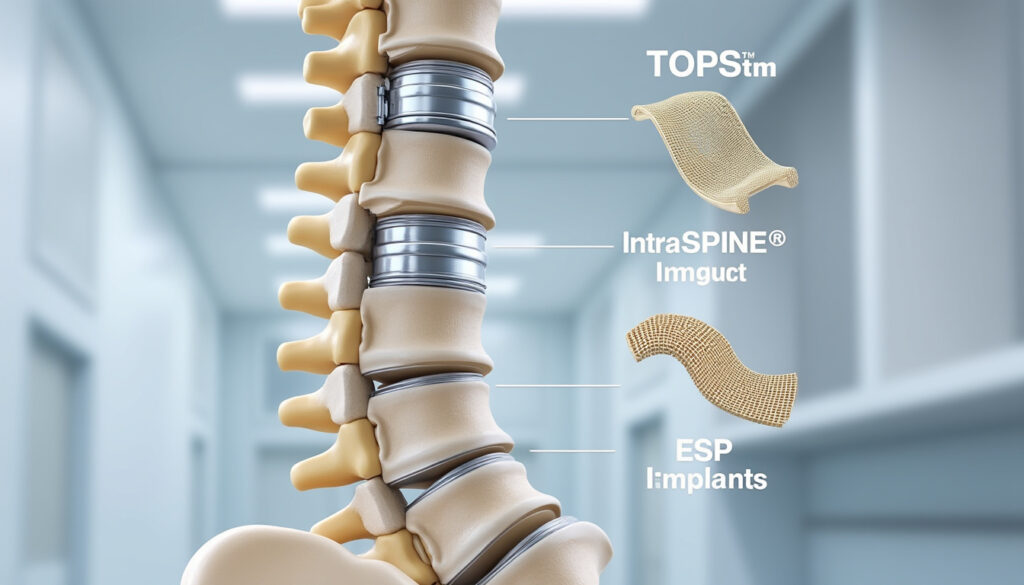
The evolving field of spinal surgery is witnessing a transformative shift, fueled by cutting-edge implant technologies such as TOPS, Intraspine, and ESP. These innovative implants redefine treatment possibilities by emphasizing preservation of natural spinal mechanics, while ensuring durable stabilization and…
Minimally Invasive Techniques Supporting Cousin Spine Technology
Integral to the success of dynamic implants is their implantation using minimally invasive surgical (MIS) techniques. These methods limit trauma to muscles and soft tissue, resulting in reduced blood loss, less postoperative pain, and a faster functional recovery compared to open surgery.
Key aspects of MIS for spine include:
- Smaller incisions: Limiting the operative window reduces collateral damage.
- Advanced imaging guidance: Use of intraoperative 3D fluoroscopy and robotic navigation enhances accuracy.
- Preservation of anatomical structures: Maintaining ligament and joint integrity supports the biomechanical goals of dynamic stabilization.
- Shorter hospital stays: Some patients are discharged within one to two days post-procedure.
The combination of Cousin Spine’s flexible implants and minimally invasive approaches not only optimizes patient outcomes but sets a new standard for spinal surgery worldwide. Importantly, this synergy improves safety by reducing neurological complications documented in traditional surgeries (EM-Consulte on neurological complications in spinal surgery).
Examples of hospitals pioneering MIS techniques equipped with these implants include the Clinique du Pré and Centre Hospitalier du Mans, where highly experienced spine teams employ state-of-the-art technology alongside Cousin devices to maximize patient benefit.
Preparing for Surgery in France: Key Indications, Benefits, and Limitations
In an evolving global healthcare landscape, France emerges as a beacon of advanced surgical expertise, particularly attracting international patients seeking expedited and innovative medical interventions. Patients from regions experiencing long wait times, such as Quebec, increasingly view France as an…
The Role of Neurovertebral Decompression as a Non-Surgical Adjunct
Prior to considering any surgical intervention, patients often explore conservative options. Neurovertebral decompression is one such leading non-invasive therapy gaining traction in Québec and beyond. It involves controlled spinal traction designed to alleviate pressure on discs, nerve roots, and joints.
This therapy is particularly effective in early or moderate cases of:
- Disc herniations
- Sciatica
- Foraminal stenosis
- Chronic lower back and neck pain
Neurovertebral decompression works by gently stretching the spine, improving nutrient flow to discs, promoting natural healing, and reducing nerve inflammation. It serves as a critical step in avoiding surgical intervention for many patients.
The technique is pain-free, non-invasive, and backed by robust clinical evidence, making it a viable complement or alternative to surgery. Dr. Sylvain Desforges and the TAGMED clinic team in Quebec utilize computer-controlled decompression systems to ensure precision and safety. Patient testimonials report significant symptomatic relief and increased daily activity tolerance.
Resources to learn more about this approach include The Technology Behind Spinal Decompression Therapy and Exploring Innovative Spine Implants for Quebec Patients.


Unveiling the Hidden Benefits of Quality and Certification in Devices
The landscape of device manufacturing and clinical application in 2026 has been fundamentally shaped by the rigorous interplay between quality management and certification processes. Within this complex framework, the hidden benefits of adhering to international standards and obtaining relevant certifications…
Personalized Treatment Planning With Advanced Spinal Technologies
Spinal pathologies necessitate individualized treatment strategies due to the complexity and variability of biomechanics and disease progression. Cousin Spine technology embraces this by offering a spectrum of implants and surgical solutions tailored to the unique presentation of each patient.
Factors considered in personalized planning include:
- Precise pathology diagnosis: Detailed imaging identifies the levels, type, and severity of degeneration or instability.
- Patient age and lifestyle: Younger patients often benefit more from motion-preserving implants.
- Previous treatments and outcomes: A history of failed conservative management or surgeries guides strategy.
- Anatomical considerations: Spinal curvature, bone density, and tissue quality influence implant choice.
Such nuanced assessment aligns with educational programs offered by French institutions specializing in spine care, including the University of Bordeaux’s DIU program and the SFCR (Société Française de Chirurgie Rachidienne) diploma, both emphasizing contemporary surgical techniques and implant innovation.
Ultimately, this approach fosters informed decision-making between surgeon and patient, reducing unnecessary surgeries and optimizing functional results.
| Assessment Criterion | Influence on Treatment Choice |
|---|---|
| Pathology Type | Directs implant choice and surgical approach |
| Age & Activity Level | Determines need for motion preservation |
| Prior Treatments | Helps identify refractory cases for surgery |
| Anatomy & Bone Quality | Affects implant durability and fixation technique |
Why Experts Advocate for Comprehensive Preoperative Evaluations
In the complex and demanding field of spinal surgery, the emphasis on comprehensive preoperative evaluations has become a fundamental pillar supporting successful surgical outcomes. These evaluations, far beyond mere routine checks, integrate detailed analyses of patient health, surgical risk assessments,…
Integrating Robotics and Imaging to Enhance Surgical Precision
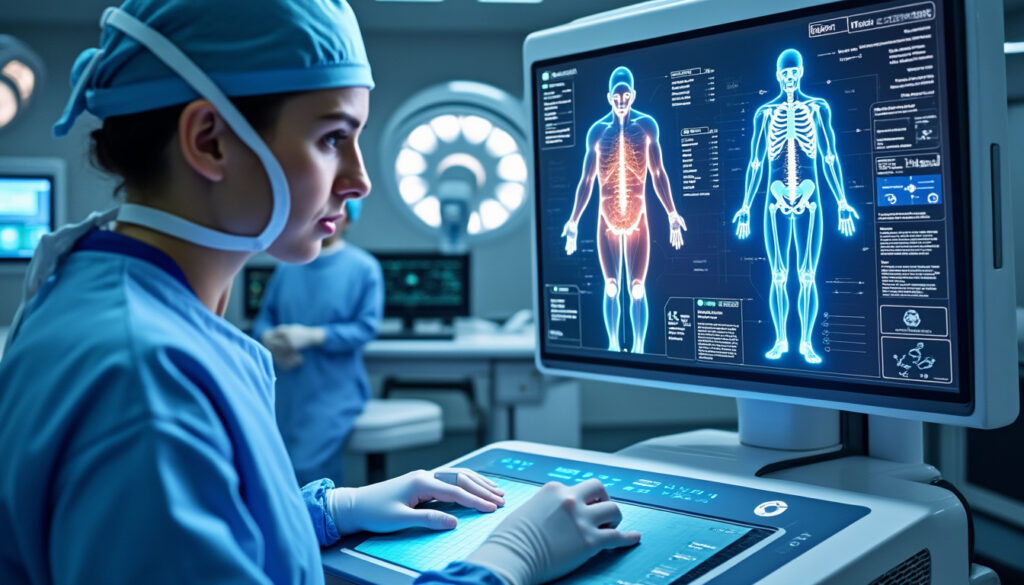
The fusion of spinal implant technology with robotics represents a frontier in surgical innovation. Robotic-assisted spine surgery enhances implant placement accuracy, reduces intraoperative radiation exposure, and shortens operation times.
Companies such as eCential Robotics lead the way with FDA-approved 3D imaging and robotic navigation platforms designed specifically for spinal procedures. This enables surgeons to execute highly precise, patient-specific interventions, increasing safety and improving functional outcomes.
- Preoperative 3D planning: Enables surgeons to simulate implant positioning and adjust plans in real-time.
- Intraoperative guidance: Robotic arms and navigation tools ensure exact screw trajectory and implant alignment.
- Minimally invasive adaptation: Robotics facilitate precision through small incisions, sparing tissues.
- Enhanced patient safety: Reduced risk of neurological injury and postoperative complications.
Such technology contributes heavily to the success of dynamic implants like TOPS and ESP by ensuring optimal biomechanical outcomes. For more on robotic advancements in spine surgery, refer to eCential Robotics solutions.
Cousin Spine Implant Technology Comparison
| Implant Type | Mobility Preservation | Minimally Invasive Deployment | Indicated Pathologies | Main Benefits |
|---|
The Future of Surgery Lies in Stepwise Functional Recovery
The evolution of surgical care in 2026 reveals a compelling shift toward approaches that prioritize the holistic recovery of patients, moving beyond traditional metrics like length of hospital stay or mortality rates. This modern paradigm highlights the principle that the…
Enhancing Quality of Life through Innovation: Patient Stories and Clinical Evidence
Patients who have undergone treatment with Cousin Spine technology report significant improvements in back function, decreased pain, and accelerated return to daily performance. Case examples include middle-aged individuals with foraminal stenosis who avoided spinal fusion and resumed full mobility within months of surgery.
Research data collected from European centers demonstrate that dynamic stabilization reduces the incidence of long-term adjacent segment disease compared to fusion, with fewer neurological complications and enhanced post-surgical quality of life.
Testimonials often highlight:
- Regaining independence without the limitations caused by rigid fusion.
- Experiencing less postoperative discomfort and faster recovery.
- Continued improvement in spinal mobility years after surgery.
- Availability of international healthcare pathways that remove traditional barriers.
Physicians emphasize a multidisciplinary approach combining advanced implant technology, minimally invasive surgery, and coordinated care pathways—as offered by Franchir—to optimize outcomes and patient satisfaction.
Common Pitfalls to Avoid in Neurovertebral Decompression Therapy and Its Crucial Role
Neurovertebral decompression therapy has emerged as a sophisticated non-invasive medical intervention aimed at relieving chronic spinal pain, particularly associated with conditions such as herniated discs and spinal stenosis. As spinal disorders persist as a leading cause of disability worldwide, patients…
Questions about Cousin Spine technology and non-fusion spinal surgery
Who are the ideal candidates for Cousin Spine dynamic implants?
Patients suffering from chronic lower back pain, foraminal stenosis, or early-stage degenerative disc disease who have not responded well to conservative treatments are prime candidates. The implants especially benefit those wishing to avoid fusion-related mobility loss and adjacent segment stress.
How does Franchir help Canadian patients access advanced spinal surgery in Europe?
Franchir manages the entire journey, from remote evaluation to scheduling surgery with leading French spine specialists, arranging travel and accommodation, and ensuring comprehensive postoperative rehabilitation coordination in Canada.
Can neurovertebral decompression replace spine surgery altogether?
Neurovertebral decompression is an effective non-invasive treatment for many patients, potentially avoiding surgery if applied early. However, severe or progressive spinal pathologies may ultimately require surgical intervention.
What distinguishes Cousin Spine implants from conventional spinal fusion?
Cousin implants preserve the natural biomechanics of the spine, reduce long-term complications associated with fusion, and promote faster functional recovery, making them a superior option where appropriate.
What is the postoperative care like for patients treated through the Franchir network?
Patients receive tailored rehabilitation via Neurothérapie Montréal, including physiotherapy, pain management, and lifestyle guidance, ensuring sustained spinal health after returning home.