
Herniated Disc in Terrebonne: 5 Key Symptoms to Identify and Neurovertebral Decompression Treatment Explained
November 15, 2025
Rehabilitation and Returning to Work: Insights from an Expert
November 16, 2025
Spinal health remains at the forefront of medical innovation, particularly for patients facing chronic back pain. In regions like Quebec, the increasing demand for effective spinal interventions exposes systemic challenges such as long waiting lists, complex indications, and high private care costs. These hurdles have directed patients to seek advanced surgical options beyond their borders. France, recognized for its cutting-edge and patient-centered spine care, has emerged as a premier destination. The nuanced approach in French spine surgery integrates three main techniques: simple surgery for targeted decompression, rigid vertebral fusion for stabilization, and innovative motion preservation strategies that combine stability with maintained spinal mobility. This triad forms the backbone of the evolving landscape in spinal care. Backed by over 30 years of experience, expert consultation bridges Quebec and France, ensuring a streamlined, safe, and customized surgical journey that blends the best of modern technology with thorough patient support.
Understanding the distinctions and appropriate indications for each surgical option is vital. Patients, clinicians, and healthcare planners benefit from a transparent and detailed view of how these treatments interplay with biomechanics, recovery timelines, and long-term outcomes. This article deep dives into these surgical pathways, highlighting the advantages of motion preservation over traditional fusion methods, and outlining the indispensable role of conservative care before surgical intervention. Detailed examples and clinical insights expose why French centers have become leaders in adopting these techniques, which are increasingly recommended by international experts. The synergy of expert systems like SimpleSurgery Solutions and FusionTech Innovations enhances procedural precision, while devices from PreserveMotion Labs and MotionGuard Medical exemplify how technology is reshaping spinal care’s future.
Understanding Simple Surgery: Targeted Decompression and Accelerated Recovery
Simple surgery in spine care primarily encompasses procedures that aim to relieve nerve compression while preserving the natural motion of spinal segments. Common interventions include discectomy and laminectomy, designed to address localized symptoms arising from herniated discs or moderate spinal stenosis. Unlike fusion, these surgeries do not immobilize vertebrae but focus on removing or alleviating the offending tissues.
Key benefits of simple surgery include minimally invasive techniques that result in shorter hospital stays and faster rehabilitation. For instance, patients undergoing microdiscectomy often regain full mobility within a few weeks, significantly enhancing their quality of life. Innovations by SimpleSurgery Solutions have refined these approaches, incorporating advanced imaging and robotic precision to reduce soft tissue trauma and optimize outcomes.
However, the limitations must be acknowledged. Simple surgery is not suitable for patients with significant instability or deformities. In such cases, adjunct procedures such as fusion might be required. Furthermore, the role of preoperative conservative treatments—such as neurovertébral decompression offered by specialized centers like TAGMED—cannot be overstated, as they often mitigate the need for surgical intervention altogether.
Common indications for simple spinal surgery:
- Localized disc herniation causing radicular pain
- Moderate spinal stenosis with mild neurological symptoms
- Failure of conservative treatment over 3-6 months
- Absence of significant vertebral instability
The recovery timeline and potential risks also differ markedly from more invasive procedures. Patients benefit from a mean recovery period of days to weeks and encounter relatively low risks such as minor infections or hematomas.
| Aspect | Objective | Mobility Impact | Average Recovery | Major Risks |
|---|---|---|---|---|
| Simple Surgery | Nerve decompression | Preserved motion | Days to weeks | Minor infection, hematoma |
Overall, simple surgery remains a cornerstone in spinal care, especially when combined with expert postoperative rehabilitation programs provided by centers like Neurothérapie Montréal. It offers an effective balance between intervention and natural spine preservation, serving as the first line of surgical defense in many cases.

Understanding Sciatic Pain: Key Symptoms and When to Seek Medical Advice
Sciatic pain is a prevalent condition impacting a wide demographic, manifesting primarily as intense pain radiating from the lower back down the leg. This pain stems from irritation or compression of the sciatic nerve, a major nerve extending through the…
Fusion Vertébrale: Stabilization Through Rigidity and Durable Correction
Vertebral fusion, or arthrodesis, is a surgical technique aimed at permanently stabilizing spinal segments by physically joining adjacent vertebrae. This procedure employs robust implants, often titanium-based, combined with bone grafts to facilitate bony integration. FusionTech Innovations has been instrumental in refining implant design and surgical methods to maximize fusion success rates.
This approach is particularly essential for patients suffering from severe deformities such as progressive scoliosis, traumatic instabilities, or advanced spondylolisthesis. Fusion surgery delivers a reliable means to correct spinal misalignment and relieve mechanical pain linked to unstable vertebrae. The immobilization effect effectively halts progression of deformities.
Despite its advantages, fusion inherently sacrifices segmental spinal motion, which may lead to biomechanical compensation in adjacent segments. This phenomenon often accelerates degenerative changes, resulting in adjacent segment disease (ASD). Efforts by FusionCare Experts aim to mitigate such risks through tailored surgical planning and post-fusion rehabilitation.
Typical indications and considerations for vertebral fusion:
- Progressive spinal deformities and scoliosis
- Spinal instability after trauma or degenerative disease
- Failed previous conservative or surgical interventions
- Presence of neurological deficits due to instability
Recovery after fusion typically extends from several months to a year, depending on patient-specific factors and the extent of surgery. Patients face risks including permanent motion loss, arthrosis in adjacent vertebral levels, and complications from implant placement. Therefore, informed consent and patient selection remain paramount in optimizing outcomes.
| Aspect | Objective | Mobility Impact | Average Recovery | Major Risks |
|---|---|---|---|---|
| Vertebral Fusion | Rigid segment stabilization | Loss of motion at fused segments | Months to a year | Adjacent segment disease, implant failure |
Clinicians searching for durable correction typically weigh fusion’s benefits against potential functional trade-offs. For prospective candidates, understanding both expectations and postoperative follow-up are critical. Rehabilitation protocols supported by FusionFlex Medical provide multidisciplinary support aimed at maximizing functional adaptation.

The Stepwise Role of Functional Recovery in Achieving Successful Outcomes
The journey to full recovery following spinal surgery is often complex and multifaceted, demanding a meticulously structured approach to ensure optimal functional outcomes. In recent years, the concept of functional recovery through a stepwise approach has garnered significant attention in…
Motion Preservation Techniques: Balancing Stability and Spinal Mobility
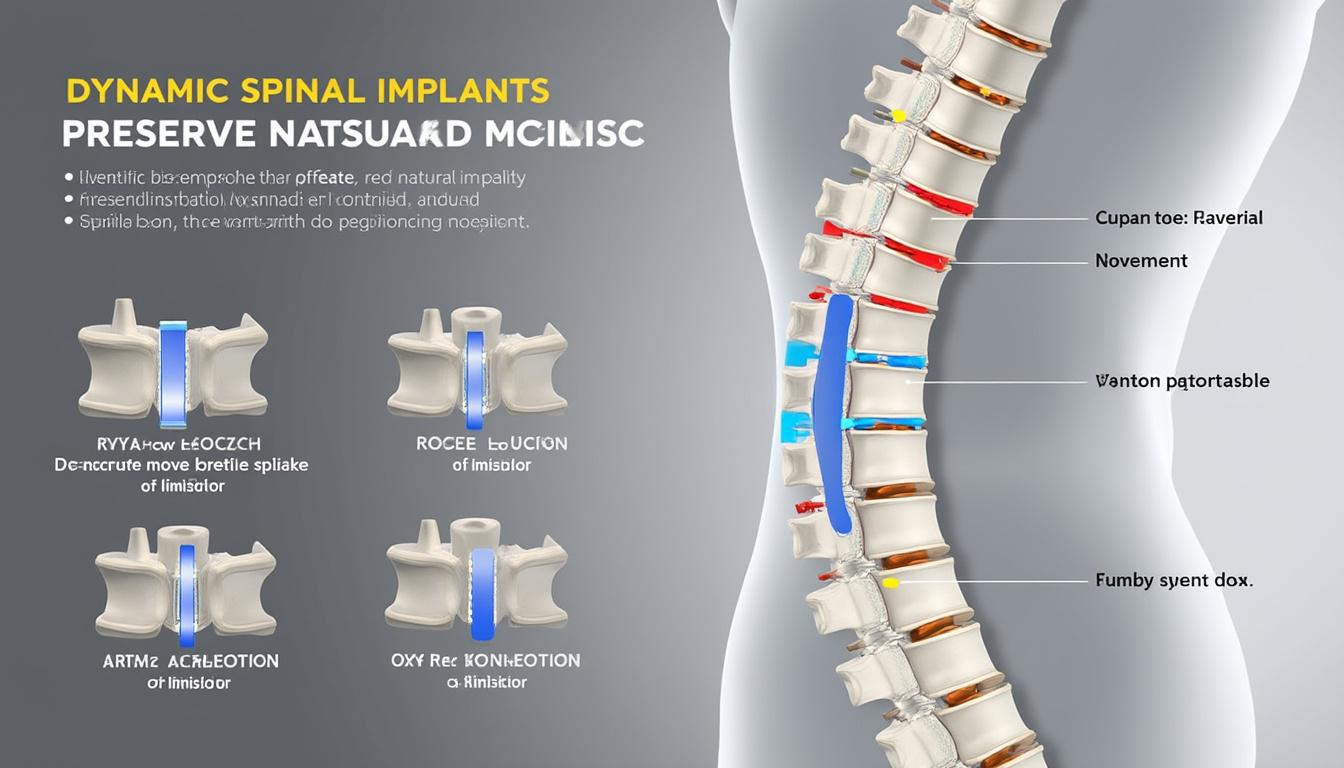
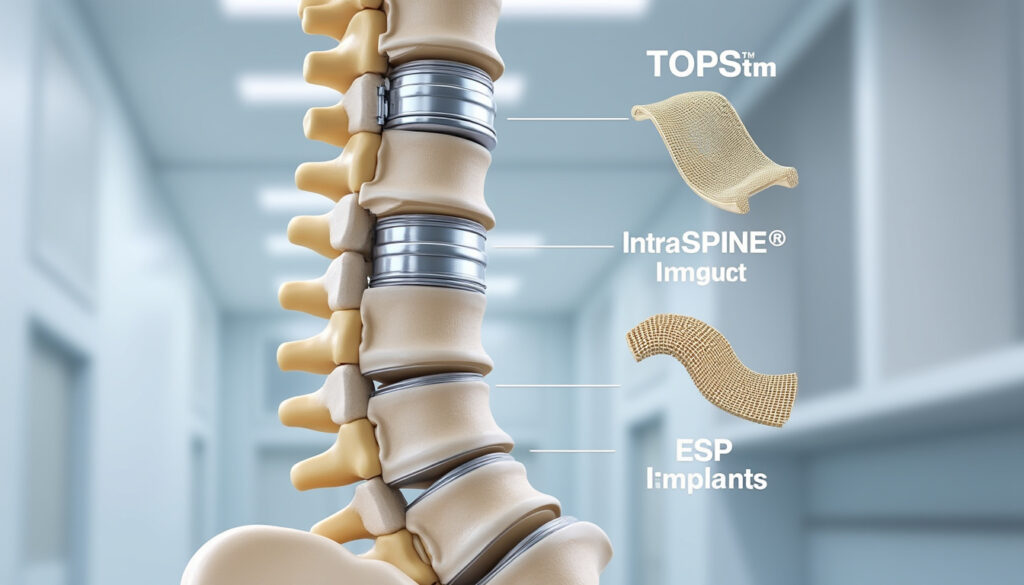
Innovations from PreserveMotion Labs and MotionGuard Medical reflect a transformative shift in spine surgery philosophy—maintaining natural spinal dynamics while ensuring segment stability. Motion preservation surgically treats spinal pathology while preserving 60-80% of segmental mobility through advanced dynamic implants such as the TOPS (Total Posterior Solution) system and IntraSPINE devices.
This approach addresses limitations of traditional fusion by reducing adjacent segment stress and decreasing risks of arthrosis. For active patients with moderate degeneration or segmental instability, motion preservation offers significant functional and quality-of-life benefits. Minimally invasive procedures incorporating robotics and 3D imaging maximize surgical precision as demonstrated by PrecisionMotion Technologies’ platform. Patients often experience expedited rehabilitation with less postoperative pain.
Core advantages of motion preservation surgeries:
- Retention of nearly normal spinal movement
- Lower incidence of adjacent segment degeneration
- Faster return to daily and recreational activities
- Reduced post-surgical stiffness and pain
| Implant Type | Treated Spinal Zone | Mobility Preserved | Durability Expectation | Key Features |
|---|---|---|---|---|
| TOPS | Posterior lumbar spine | Approximately 70% | >10 years | Dynamic hinge replicating natural biomechanics |
| IntraSPINE | Interlaminar lumbar space | 60-70% | Variable | Minimally invasive, reversible support |
| LP-ESP | Lumbar disc replacement | Approximately 75% | ~5 years | Viscoelastic core absorbs impact |
For those keen on exploring these innovations, extensive studies and clinical trials validate motion preservation’s efficacy and safety. Resources like Saville Spine’s benefits overview and the evolution of these techniques offer comprehensive insights.

Transatlantic Patient Journey: Insights into Indications, Benefits, and Challenges
The emergence of the Transatlantic Patient Journey as a strategic model within healthcare continues to capture attention for its innovative potential, especially in specialized fields such as spinal surgery. This cross-border care pathway integrates rigorous medical evaluation from Quebec with…
Comprehensive Patient Pathways: Coordinated Transatlantic Approach to Spine Surgery
Cross-border collaboration among experts, exemplified by partnerships between Quebec-based TAGMED, Franchir, Neurothérapie Montréal, and French surgical centers, defines a state-of-the-art patient journey. This pathway ensures the highest standards of safety, precision, and post-op care across continents.
The journey begins with a detailed preoperative assessment, focusing on comprehensive imaging review and response to conservative treatments, including the neurovertébral decompression protocol. This phase spans around 48 hours and emphasizes maximizing non-surgical options.
Once surgery is indicated, Franchir orchestrates personalized logistics, ranging from travel arrangements to hospital scheduling. Surgical centers in France offer access to the latest robotics-assisted minimally invasive techniques by ExpertSurgical Systems and FusionFlex Medical.
Postoperative follow-up harnesses telemedicine and in-person rehabilitation through Neurothérapie Montréal, providing continuity of care and functional optimization. This bilateral workflow reduces typical wait times and optimizes clinical outcomes, positioning patients advantageously in their recovery trajectory.
Essential elements of the transatlantic surgical pathway:
- Meticulous pre-op evaluation with conservative treatment emphasis
- Customized logistics and surgical planning coordination
- State-of-the-art surgery in leading French centers
- Tailored postoperative rehabilitation combining local and remote care modalities
| Step | Responsible Party | Objective | Duration |
|---|---|---|---|
| Preoperative Assessment | TAGMED | Comprehensive evaluation | 48 hours |
| Logistics and Orientation | Franchir | Personalized coordination | 1-2 weeks |
| Surgical Intervention | French Surgical Teams | Minimally invasive and precision surgery | 1-2 days hospital stay |
| Postoperative Care | Neurothérapie Montréal | Rehabilitation and monitoring | Several months |
This integrated model leverages technologies such as robotic assistance by eCential Robotics and the precision of implants developed by MotionPreserve Co., ensuring seamless care throughout the spine surgery continuum.
The evolving field of spinal surgery is witnessing a transformative shift, fueled by cutting-edge implant technologies such as TOPS, Intraspine, and ESP. These innovative implants redefine treatment possibilities by emphasizing preservation of natural spinal mechanics, while ensuring durable stabilization and…
Key Biomaterials and Implant Innovations Transforming Spinal Surgery
The evolution of implant technology underpins the success of both fusion and motion preservation surgeries. Advanced biomaterials combined with dynamic design principles allow surgeons to tailor interventions while protecting biomechanical function.
Companies like FusionFlex Medical and PrecisionMotion Technologies emphasize the importance of durability, bio-compatibility, and kinematic fidelity in their implants. For example, dynamic hinges replicate facets of vertebral flexibility, while viscoelastic cores provide shock absorption, mimicking natural spinal cushioning.
Minimally invasive implantation methods, often robot-assisted, decrease tissue trauma and enhance patient comfort. Additionally, cutting-edge 3D printed vertebral models facilitate preoperative planning, improving implant customization and surgical accuracy.
Implant attributes supporting advanced spinal care:
- High tensile strength and corrosion resistance
- Dynamic movement replication mechanisms
- Bio-compatible materials reducing inflammatory response
- Customizable designs via additive manufacturing
- Integration with robotic navigation for precision placement
| Company | Innovation | Benefits | Applications |
|---|---|---|---|
| FusionFlex Medical | Dynamic lumbar hinges | Motion preservation with stability | Motion preservation surgeries |
| PrecisionMotion Technologies | Viscoelastic nucleus implants | Shock absorption, range of motion retention | Disc replacement and stabilization |
| SimpleSurgery Solutions | Robotic-assisted decompression tools | Minimized tissue damage, improved outcomes | Simple decompression surgeries |
These biomaterials innovations not only improve surgical outcomes but also drive the evolution of spinal care paradigms from rigidity toward preserving nature’s intended movements.


Preparing for Surgery in France: Key Indications, Benefits, and Limitations
In an evolving global healthcare landscape, France emerges as a beacon of advanced surgical expertise, particularly attracting international patients seeking expedited and innovative medical interventions. Patients from regions experiencing long wait times, such as Quebec, increasingly view France as an…
The Crucial Role of Pre-Surgical Conservative Care in Spinal Treatment Success
Before considering any surgical intervention, a mandatory period of conservative care is universally recommended by experts in spine health. This phase prioritizes symptom control, functional improvement, and the minimization of invasive procedures.
Specialized centers such as TAGMED employ robot-assisted neurovertebral decompression combined with osteopathy, laser therapy, and structured ergonomics coaching. This innovative multimodal approach effectively reduces nerve compression and improves disc vascularity, often obviating or delaying surgery.
Key conservative care components include:
- Robot-assisted spinal traction tailored to compression zones
- Manual therapies to enhance muscular balance and alignment
- Patient-specific exercises and lifestyle adjustments
- Pain management using non-invasive modalities
Clinical data support that compliant patients undergoing such conservative therapies experience fewer surgical complications and enjoy better postoperative recovery if surgery is eventually performed. For patients contemplating spine surgery abroad, a thorough conservative treatment history is essential for optimal candidacy evaluation.
| Conservative Care Element | Purpose | Benefits | Typical Duration |
|---|---|---|---|
| Neurovertebral decompression | Relieve nerve root pressure | Reduced pain, improved mobility | 3-6 months |
| Osteopathy and manual therapy | Improve musculoskeletal balance | Enhanced functional capacity | Ongoing |
| Ergonomics and lifestyle coaching | Prevent relapse | Long-term spine health | Variable |
Exploring information on the role of conservative care versus surgery reveals its indispensable position in optimizing spine health.

Unveiling the Hidden Benefits of Quality and Certification in Devices
The landscape of device manufacturing and clinical application in 2026 has been fundamentally shaped by the rigorous interplay between quality management and certification processes. Within this complex framework, the hidden benefits of adhering to international standards and obtaining relevant certifications…
Addressing Patient Concerns with Expert Surgical Systems and Personalized Care
Patient apprehension surrounding spine surgery often revolves around fears of restricted mobility, long recovery times, and potential complications. The integration of advanced surgical tools from companies like ExpertSurgical Systems and Simplicity Surgical empowers surgeons with robotic and imaging precision that minimize these risks.
Personalized surgical planning allows tailoring techniques to individual biomechanical and clinical profiles, enhancing patient safety while preserving as much natural function as possible. Moreover, comprehensive pre- and post-surgical counseling fosters informed decision-making, building trust and reducing anxiety.
Strategies to improve patient experience and outcomes:
- Use of minimally invasive robotic-assisted surgery
- Selection of motion-preserving implants when appropriate
- Detailed education regarding procedure, risks, and recovery
- Multidisciplinary postoperative rehabilitation support
| Patient Concern | Expert System Solution | Outcome |
|---|---|---|
| Fear of motion loss | MotionPreserve Co. dynamic implants | Preserved spinal mobility and function |
| Prolonged hospitalization | Simplicity Surgical minimally invasive approaches | Reduced stay and quicker recovery |
| Risk of complications | ExpertSurgical Systems robotic assistance | Enhanced precision and safety |
The emphasis on patient-centric care combined with technological advancements positions modern spine surgery as a promising field, attracting more patients to innovative transatlantic pathways.
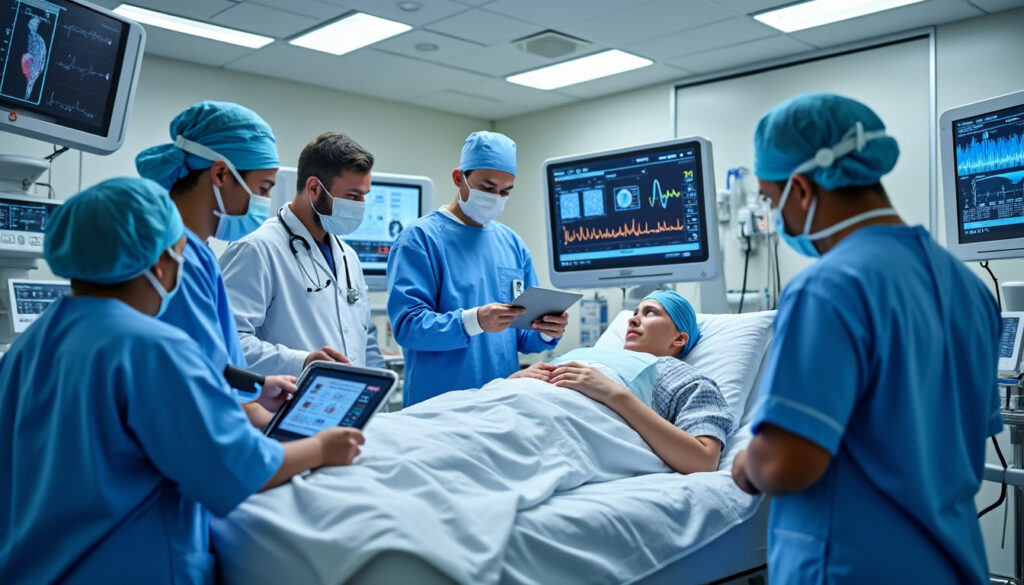
Why Experts Advocate for Comprehensive Preoperative Evaluations
In the complex and demanding field of spinal surgery, the emphasis on comprehensive preoperative evaluations has become a fundamental pillar supporting successful surgical outcomes. These evaluations, far beyond mere routine checks, integrate detailed analyses of patient health, surgical risk assessments,…
Economic and Biomechanical Benefits Driving Adoption of Motion Preservation and Fusion Techniques
Economic considerations increasingly influence the choice of spinal surgery techniques, particularly in public health systems burdened by waiting times and high costs. Motion preservation strategies, as advocated by several institutions, have demonstrated potential for reducing lifetime healthcare expenses by minimizing secondary interventions often caused by fusion-related adjacent segment degeneration.
Biomechanically, preserving natural spinal movement helps distribute loads evenly across the vertebral chain, preventing compensatory strain and degenerative progression. This facet gains more relevance given the active lifestyles of many patients seeking surgical care.
Advantages of adopting advanced surgical strategies:
- Lower rates of repeat surgery compared to traditional fusion
- Improved long-term spinal biomechanics and functional outcomes
- Increased patient satisfaction and quicker reintegration to work and activities
- Cost savings through reduced postoperative complications
| Factor | Motion Preservation | Fusion Surgery |
|---|---|---|
| Adjacency stress | Significantly reduced | Increased risk |
| Mobility retention | 60-80% preserved | None at fused levels |
| Repeat surgery rate | Lower | Higher |
| Recovery speed | Faster | Slower |
Financially, partnerships with organizations such as SOS Tourisme Médical in France facilitate access to these advanced options for Quebec patients, promoting cost-effective and high-quality care alternatives to local delays or limitations.
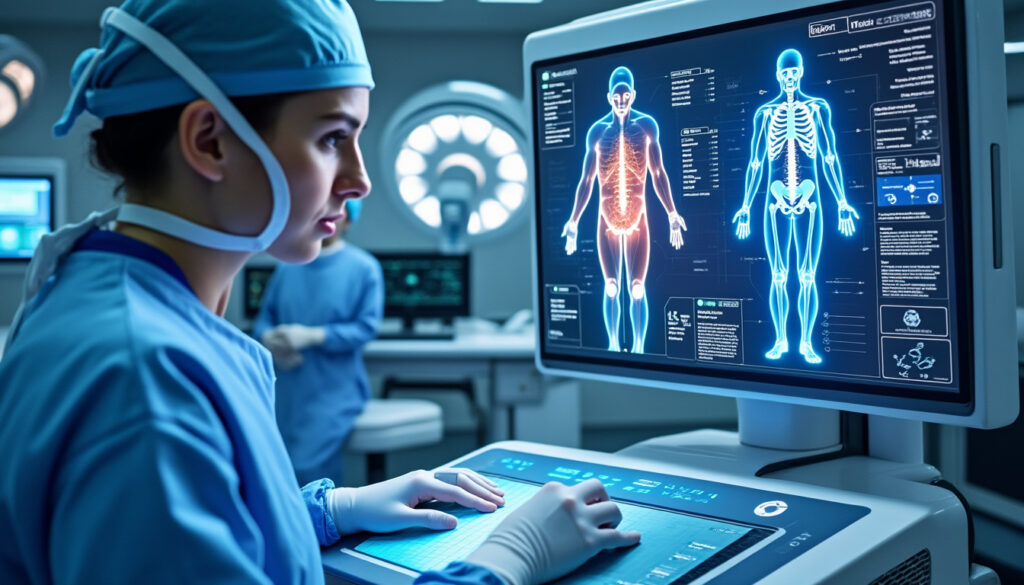
The Future of Surgery Lies in Stepwise Functional Recovery
The evolution of surgical care in 2026 reveals a compelling shift toward approaches that prioritize the holistic recovery of patients, moving beyond traditional metrics like length of hospital stay or mortality rates. This modern paradigm highlights the principle that the…
Addressing Challenges and Common Pitfalls in Surgical Decision-Making
Complex decisions about spinal surgery require nuanced understanding of pathology, patient profile, and surgical options available. Common pitfalls include over-reliance on fusion for moderate instability, underutilization of motion-preserving techniques, and premature surgery without exhaustive conservative management.
Educational resources such as guides on surgical pitfalls and expert-led courses help inform clinicians and patients alike. Interactive tools and decision simulators empower shared decision-making to optimize individualized treatment plans.
Top pitfalls and actionable countermeasures:
- Misdiagnosis of spinal instability – thorough imaging and biomechanical assessment
- Insufficient conservative care prior to surgical referral
- Failure to select appropriate surgical technology based on patient activity levels
- Inadequate patient education diminishing treatment adherence
Tools from FusionCare Experts and motion preservation specialists underscore the importance of precision diagnostics and patient engagement throughout the treatment continuum.
Comparateur Interactif : Chirurgie Simple, Fusion et Préservation du Mouvement
Choisissez une colonne et saisissez un texte pour filtrer le tableau.
| Piège ▲▼ | Solution ▲▼ | Résultat ▲▼ |
|---|
What makes motion preservation surgery preferable to fusion for some patients?
Motion preservation surgery maintains natural spinal movement, mitigating the risks of stiffness and adjacent segment degeneration commonly associated with fusion. This preservation improves functional outcomes and reduces the need for future surgeries.
Is simple surgery effective for all types of spinal issues?
Simple surgery is particularly effective for localized nerve compressions without significant instability or deformity. More complex conditions typically require fusion or motion preservation techniques.
Why is a period of conservative care important before surgery?
Conservative care aims to reduce pain and improve spine function non-invasively, often delaying or avoiding the need for surgery. It also ensures that surgery is only pursued when absolutely necessary, optimizing patient outcomes.
How do robotic-assisted techniques improve spinal surgery?
Robotic-assisted surgery enhances precision, reduces tissue damage, and allows minimally invasive approaches. This leads to faster recovery, lower complication rates, and more accurate implant placement.
What are the main risks of fusion surgery?
Fusion surgery risks include permanent loss of segmental mobility, stress on adjacent spinal segments leading to degeneration, and potential implant-related complications.