Lumbar Disc Herniation in Longueuil: A Comprehensive Guide to Booking Appointments and Neurovertebral Decompression Therapy
November 14, 2025
Rehabilitation and Return to Work: Guidelines, Benefits, and Potential Challenges
November 15, 2025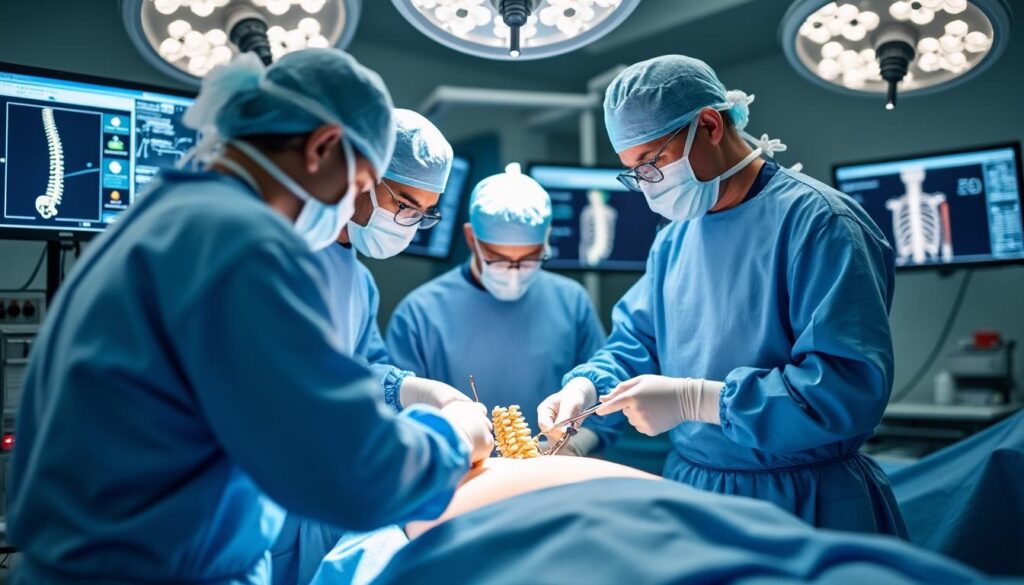
Spinal surgery continues to advance in 2025, offering diverse techniques tailored to patients with varying severity of back and neck disorders. However, the complexity involved in diagnosing, selecting, and performing these interventions demands exceptional precision to avoid common pitfalls that may compromise outcomes. Patients from Quebec often face long waiting times and high private care costs, prompting many to seek solutions abroad, especially in France, where innovative technologies and expert multidisciplinary networks optimize safety and effectiveness.
The evolving landscape of spinal treatment includes three predominant surgical approaches: simple decompression surgery, spinal fusion, and motion-preserving procedures. Navigating the nuances of each technique ensures that patients receive appropriate care while minimizing risks of complications or functional loss. Failures often arise not from skill deficits but from errors in protocol, patient selection, implant choice, or postoperative management. Thus, it is vital to integrate conservative therapies such as robot-assisted decompression before contemplating surgery.
This synthesis highlights critical mistakes to avoid in these distinct yet overlapping surgical categories. It underscores the importance of meticulous interdisciplinary pathways, including transatlantic coordination between Canadian and French specialists, to guarantee personalized, safe, and efficient care. In line with advancements like SurgiGuard technologies and PrecisionOrtho instrumentation, this article elaborates on clinical, technical, and organizational strategies that reduce errors and enhance patient outcomes in simple surgery, fusion, and motion procedures alike.
Understanding Key Surgical Techniques: Simple Surgery, Fusion, and Motion — Essential Insights and Risks in 2025 Spine Care
Each spinal surgery type presents distinct clinical targets, advantages, and challenges that practitioners must balance carefully. Simple surgery primarily involves decompression to relieve nerve root impingement without fusion or stabilization. Utilized mostly for herniated discs or mild stenosis, this approach offers less invasiveness and faster recovery. However, its success hinges on correctly ruling out vertebral instability; failure to detect subtle instability is a common error that can worsen postoperative symptoms.
Conversely, fusion surgery, also known as arthrodesis, remains a reliable choice for mechanically unstable segments, spondylolisthesis, or severe degenerative changes. By permanently immobilizing affected vertebrae, it eliminates painful motion but at the cost of reduced mobility and a risk of adjacent segment degeneration. Critical precautions include precise selection of fusion levels and implant types, attentive care to prevent infections, and long-term surveillance for complications arising from mechanical overload on neighboring vertebrae.
Recently, motion-preserving surgery has gained traction by employing dynamic implants like TOPS or IntraSPINE systems that stabilize without entirely blocking movement. This technique promotes a more natural biomechanical environment and may diminish stress on adjacent segments. Yet, it demands rigorous candidate screening and operative precision. Incorrect implant positioning or underestimation of residual instability are significant pitfalls that can lead to implant failure or suboptimal functional results.
These distinctions are displayed below in an illustrative overview:
| Technique | Advantages | Potential Risks | Common Errors to Avoid |
|---|---|---|---|
| Simple Surgery (Decompression) | Minimally invasive; rapid recovery; preserves motion | Untreated instability; recurrence of compression | Ignoring subtle vertebral instability; inappropriate surgical indication |
| Spinal Fusion | Robust stability; indicated for severe conditions | Loss of segmental motion; adjacent segment degeneration; infection | Incorrect choice of fusion levels; inadequate infection control |
| Motion-Preserving Surgery | Maintains mobility; reduces adjacent degeneration risks | Implant malposition; biomechanical complications | Poor patient selection; neglect of strict surgical protocols |
Adhering to these technical insights and carefully avoiding known pitfalls helps optimize clinical outcomes. For additional guidance on refined operative practices and error prevention, resources such as Most Common Surgical Errors provide valuable context for surgeons navigating these complex decisions.
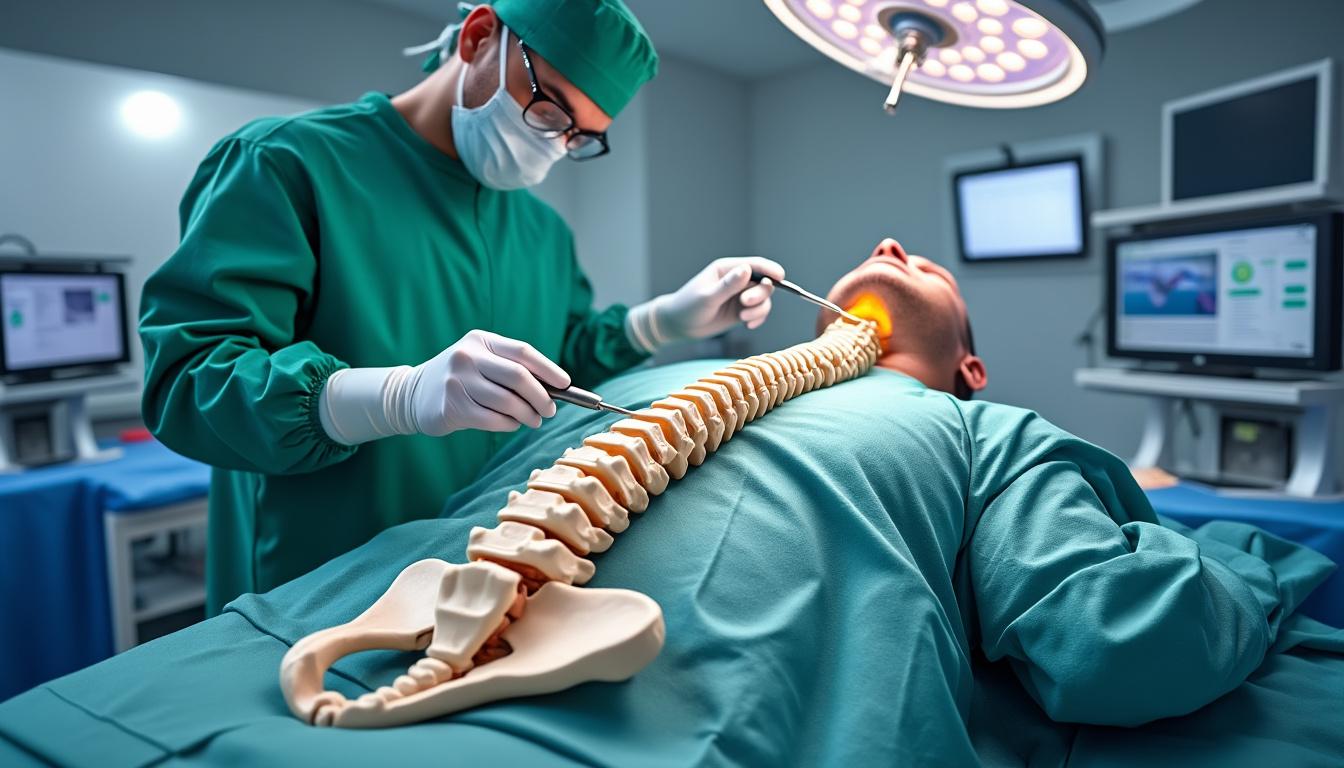

Understanding Sciatic Pain: Key Symptoms and When to Seek Medical Advice
Sciatic pain is a prevalent condition impacting a wide demographic, manifesting primarily as intense pain radiating from the lower back down the leg. This pain stems from irritation or compression of the sciatic nerve, a major nerve extending through the…
Critical Mistakes in Simple Spinal Surgery: Recognizing Instability and Preventing Overprescription
Simple decompression surgery promises considerable benefits, yet its misuse owing to diagnostic oversights or premature intervention compromises recovery. A frequent and serious pitfall is the underestimation of spinal segment instability, which may not be easily visible on routine imaging but significantly affects prognosis. Misjudging this can lead to inadequate decompression alone, necessitating subsequent fusion or revision procedures.
Overconfidence in symptom relief through decompression, without comprehensive biomechanical assessment, also risks overprescription of surgery where conservative treatments might suffice. Many patients report improvement with extended non-surgical care, including targeted rehabilitation and advanced neurodecompression techniques such as the robot-assisted methods offered by specialized centers like the Clinic TAGMED.
Key points to mitigate common errors in simple surgery include:
- Perform detailed biomechanical evaluation to exclude latent instability.
- Enforce mandatory conservative treatment trial lasting 3–6 months to optimize noninvasive recovery.
- Apply evidence-based surgical indication criteria, balancing risks and benefits.
- Incorporate tools such as SurgiGuard to enhance intraoperative precision and avoid nerve damage.
An example of protocol deviation is rushing to decompression in patients with mild stenosis but unrecognized facet joint laxity, which can lead to persistent pain or neurological decline, forcing secondary fusion. Multicenter analyses recommend pairing decompression with motion-preserving options or fusion following strict candidate selection to reduce such complications.
| Error Type | Description | Prevention Strategy |
|---|---|---|
| Instability Underdiagnosis | Failure to identify subtle vertebral motion abnormalities | Dynamic imaging; multidisciplinary team review |
| Inadequate Conservative Care | Skipping or shortening non-surgical treatment protocols | Structured rehabilitation; robot-assisted decompression |
| Inappropriate Surgical Indication | Misinterpreting symptoms or imaging findings | Second opinions; clinical decision algorithms |
| Technical Surgical Errors | Nerve root injury; insufficient decompression | Use of PrecisionOrtho tools and real-time neuromonitoring |
Understanding these pitfalls for simple surgery allows practitioners and patients to make safer, better-informed decisions. Enhanced operator skills and adherence to protocols significantly reduce complication rates, as highlighted in Top Surgical Errors in the Operating Room.

The Stepwise Role of Functional Recovery in Achieving Successful Outcomes
The journey to full recovery following spinal surgery is often complex and multifaceted, demanding a meticulously structured approach to ensure optimal functional outcomes. In recent years, the concept of functional recovery through a stepwise approach has garnered significant attention in…
Avoiding Complications in Spinal Fusion: Precision in Level Selection and Infection Prevention
Spinal fusion remains indispensable for managing unstable or deformity-prone spinal pathologies, yet its rigid immobilization nature predisposes to unique challenges. Excessive fusion length can limit function unnecessarily, while too short fusion risks nonunion or recurrent instability. Therefore, a tailored selection of fusion levels and implants, often incorporating FusionFlex systems, is essential.
Additionally, fusion surgeries are vulnerable to post-operative infection—a complication that can severely prolong recovery or demand hardware removal. Surgeons must implement rigorous sterile techniques, perioperative antibiotic protocols, and consider patient risk factors such as diabetes or smoking.
To minimize fusion pitfalls, clinicians should observe the following guidelines:
- Careful preoperative imaging and biomechanical analyses to determine precise fusion levels.
- Employ advanced imaging-guided techniques to ensure implant placement accuracy.
- Strict adherence to sterile field maintenance and prophylactic antibiotic regimens.
- Close postoperative monitoring focused on early detection of infection or implant-related issues.
Risk management extends to anticipating adjacent segment disease, which occurs when fused segments generate abnormal stresses on neighboring vertebrae raising degeneration risk. FusionFlow protocols recommend periodic follow-ups and possibly integrating motion-preserving adjuncts when feasible.
| Risk Factor | Impact on Fusion Outcome | Mitigation Measures |
|---|---|---|
| Incorrect Fusion Levels | Poor stability or excessive rigidity | Preoperative planning with 3D imaging; multidisciplinary assessment |
| Infection | Delayed healing; reoperation | Strict asepsis; antibiotic prophylaxis; patient optimization |
| Adjacent Segment Degeneration | Long-term functional decline | Consider motion-preserving strategies; monitor clinically |
| Implant Failure | Hardware loosening or fracture | Use of FusionFlex implants; precise implant positioning |
Integration of FusionFlex implant technology and SafeStep Surgical protocols assist surgeons in optimizing biomechanical integrity and reducing risks. Detailed case studies demonstrating significant reduction in complications substantiate these strategies, supported by clinical guidelines available on platforms such as common surgical error reviews.

Transatlantic Patient Journey: Insights into Indications, Benefits, and Challenges
The emergence of the Transatlantic Patient Journey as a strategic model within healthcare continues to capture attention for its innovative potential, especially in specialized fields such as spinal surgery. This cross-border care pathway integrates rigorous medical evaluation from Quebec with…
Mastering Motion Preservation Surgery: Implant Selection, Positioning, and Postoperative Monitoring
Motion-preserving spinal surgery has revolutionized treatment by offering an alternative to fusion that balances segmental stability with mobility conservation. Dynamic stabilizers like TOPS and IntraSPINE implants facilitate natural spinal movements postoperatively, aiming to diminish the incidence of adjacent segment degeneration commonly seen following fusion.
Nonetheless, motion surgery’s innovative nature introduces distinct challenges. Strict candidate selection criteria must be met to prevent performing this technique on patients with marked instability or deformity. Implant malpositioning can lead to biomechanical failure or neurological compromise. Absence of rigorous postoperative follow-up may miss progressive implant-related issues.
Essential measures to bypass motion surgery pitfalls are:
- Comprehensive multidisciplinary screening assessing biomechanics, neurological status, and lifestyle factors.
- Utilization of robotic-assisted navigation systems such as those provided by MotionSafe for precise implant insertion.
- Strict adherence to operative protocols emphasizing soft tissue preservation and optimal implant alignment.
- Structured postoperative surveillance including imaging and motion analysis to detect early complications.
These efforts are crucial as poor selection or technique can culminate in implant failure or revision surgery, undermining the benefits of this advanced approach. Training modules and protocols, like those promoted by Simple Surgery, Fusion, and Motion Care Pathways, enhance team readiness and outcomes.
| Aspect | Risk | Prevention Strategy |
|---|---|---|
| Patient Selection | Instability, deformity leading to failure | Strict preoperative biomechanical and clinical assessment |
| Implant Positioning | Malalignment causing implant failure | Robotic navigation; intraoperative imaging guidance |
| Postoperative Follow-up | Missed early complications | Regular imaging and functional evaluations |
| Surgical Team Training | Protocol deviations | Continuous education with MotionCare and OrthoShield |
Implementing MotionCare technologies fosters enhanced precision and consistency in motion surgery, improving patient satisfaction and lowering revision rates. As spine surgery evolves, combining such innovations with evidence-based protocols remains paramount.
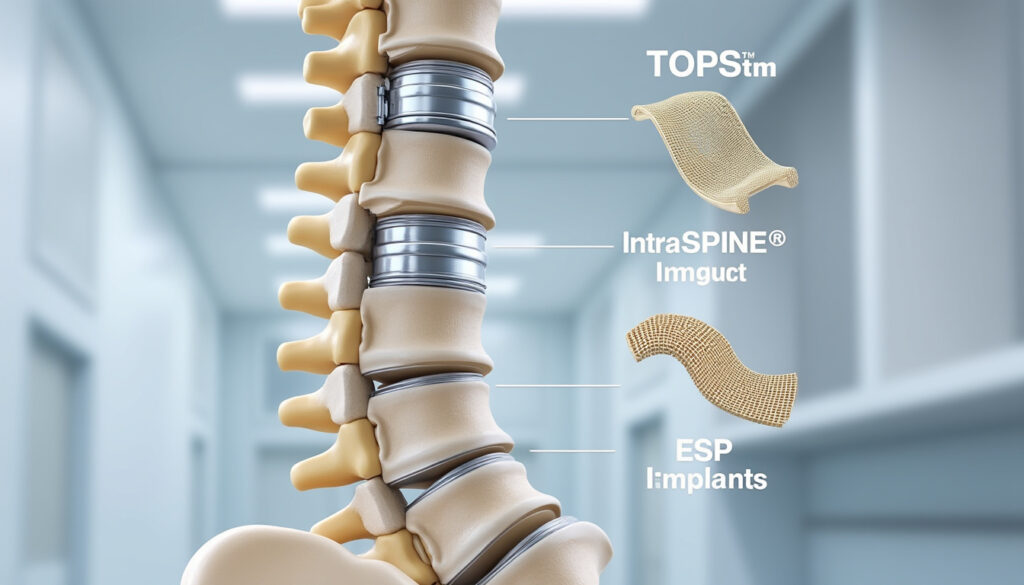
The evolving field of spinal surgery is witnessing a transformative shift, fueled by cutting-edge implant technologies such as TOPS, Intraspine, and ESP. These innovative implants redefine treatment possibilities by emphasizing preservation of natural spinal mechanics, while ensuring durable stabilization and…
Enhancing Patient Outcomes through Transatlantic Care Coordination: Quebec-France Surgical Journey
Patients seeking spinal surgery in Quebec often encounter delays and elevated costs, making coordinated international care pathways increasingly relevant. The Quebec-France model embodies such collaboration, integrating expertise, innovation, and ethical patient management. Overseen by experienced consultants like Dr. Sylvain Desforges, this approach emphasizes conservative treatments first and precise surgical indication aligned with patient-specific profiles.
Key components of this pathway include:
- Initial remote evaluation through thorough clinical and imaging review.
- Conservative management involving robot-assisted neurodecompression and osteopathic care at centers like the Clinic TAGMED.
- Customized surgical planning selecting centers and surgeons in France via organizations such as Franchir, ensuring access to cutting-edge techniques and safe infrastructures.
- Postoperative rehabilitation coordinated in Quebec with Neurotherapie Montréal to optimize functional recovery.
Detailed workflow is presented below:
| Step | Action | Responsible Team | Goal |
|---|---|---|---|
| 1 | Comprehensive case evaluation | Dr. Desforges and TAGMED Team | Accurate diagnosis and treatment recommendation |
| 2 | Conservative therapies | Clinic TAGMED Professionals | Amplitude for non-surgical improvement |
| 3 | Coordination of surgical care in France | Franchir Network | Optimal surgical environment and logistics |
| 4 | Surgical intervention | Expert surgeons in France | Precision surgery with modern technologies |
| 5 | Rehabilitation and follow-up | Neurotherapie Montréal | Secure and complete recovery |
This multidisciplinary framework minimizes errors by ensuring each phase meets stringent quality and safety standards. Patients benefit from innovations such as FusionFlow protocols and EasyClear guided decompression techniques. More information on this integrative pathway is available from comparative analyses of spine care in France and Quebec.

Preparing for Surgery in France: Key Indications, Benefits, and Limitations
In an evolving global healthcare landscape, France emerges as a beacon of advanced surgical expertise, particularly attracting international patients seeking expedited and innovative medical interventions. Patients from regions experiencing long wait times, such as Quebec, increasingly view France as an…
Innovative Implant Technologies Forging Safer Spine Surgeries: TOPS and IntraSPINE Benefits in Reducing Traditional Complications
In 2025, dynamic implants such as TOPS and IntraSPINE mark a pivotal shift in managing spinal pathologies by offering alternatives to conventional fusion. These devices preserve natural motion and mitigate complications of rigid fusion including degeneration at adjacent segments.
TOPS (Total Posterior Solution) represents a posterior dynamic stabilization system that maintains spine flexibility by allowing controlled articulation in flexion, extension, and rotation. This is achieved through advanced materials and engineering that balance stability with mobility. Important benefits include significant neuropathic pain reduction and preservation of physiological motion.
The IntraSPINE prosthesis acts interspinously, functioning as a shock absorber and neurodecompression aid without rigid fixation, facilitating an outpatient surgical approach with reduced hospital stays and accelerated postoperative comfort.
| Feature | TOPS System | IntraSPINE Implant |
|---|---|---|
| Implant Type | Posterior dynamic stabilization | Interspinous spacer |
| Insertion Technique | Minimally invasive posterior approach | Minimally invasive posterior insertion |
| Main Advantages | Restores physiological motion; reduces nerve pain | Enhances decompression; preserves segment mobility |
| Compatibility | Suitable with robot-assisted surgery (e.g. SafeStep Surgical) | Ambulatory surgery; optimized recovery |
Combining these implants with precision surgical tools such as PrecisionOrtho and protection systems like OrthoShield improves safety profiles and reduces error rates. The well-structured postoperative follow-up facilitated by Neurotherapie Montréal further secures patient recovery and implant performance.

Unveiling the Hidden Benefits of Quality and Certification in Devices
The landscape of device manufacturing and clinical application in 2026 has been fundamentally shaped by the rigorous interplay between quality management and certification processes. Within this complex framework, the hidden benefits of adhering to international standards and obtaining relevant certifications…
The Pivotal Role of Preoperative Conservative Therapies in Minimizing Surgical Risks and Delaying Invasive Procedures
Prior to any surgical decision, it is imperative to exhaust all reasonable conservative measures. Evidence strongly supports that targeted non-surgical management mitigates symptoms effectively in many degenerative spinal conditions, thus avoiding premature or unnecessary surgery. This approach is a cornerstone advocated by leading spine specialists including Dr. Sylvain Desforges.
Core elements of the preoperative protocol include robotically assisted neurodecompression, advanced osteopathy, and personalized ergonomic education designed to maintain spinal health and function. This comprehensive program can last from three to six months and is adjusted based on response.
- Controlled neurovertébral decompression using robotics for precise traction and nerve root relief.
- Specialized osteopathic manipulations to improve spinal motion and reduce soft tissue tension.
- Patient education on posture and ergonomics to avert recurrence.
- Intensive pain management tailored to individual needs.
The efficacy of this conservative phase, supported by technological breakthroughs such as SurgiGuard and MotionCare, is instrumental in refining patient selection for surgery and enhancing overall outcomes. Detailed protocols can be explored on the non-surgical care planning resources.
| Treatment Modality | Description | Therapeutic Goal |
|---|---|---|
| Robot-Assisted Neurodecompression | Computer-controlled cervical and lumbar traction | Decrease nerve compression and pain |
| Specialized Osteopathy | Manual therapy targeting spinal mechanics | Enhance mobility and reduce tension |
| Postural Education | Ergonomic guidance tailored to patient | Prevent recurrence and reduce stress |
| Individualized Pain Management | Personalized pharmacological and non-pharmacological strategies | Provide comfort and enable active engagement |
Why Experts Advocate for Comprehensive Preoperative Evaluations
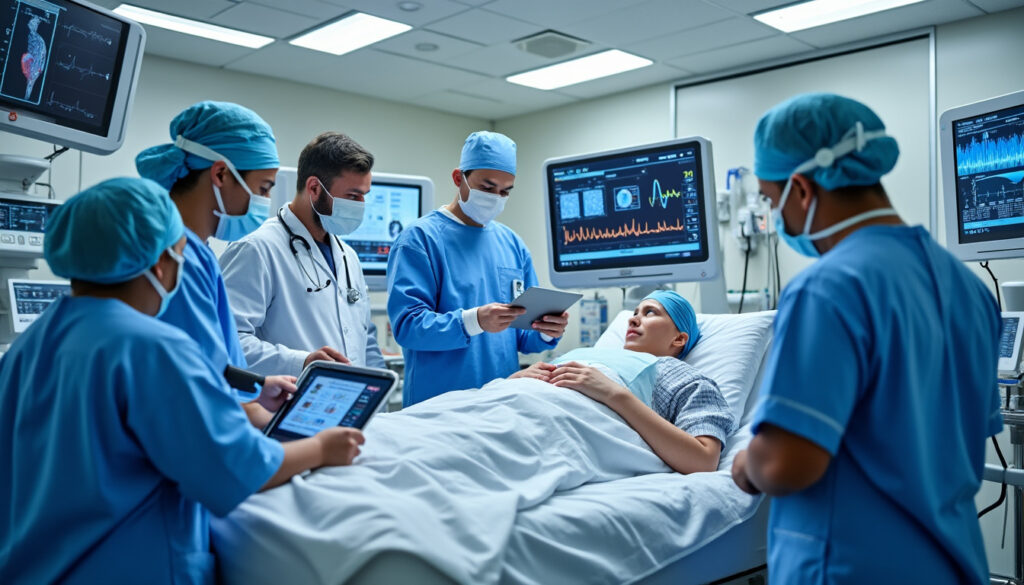
In the complex and demanding field of spinal surgery, the emphasis on comprehensive preoperative evaluations has become a fundamental pillar supporting successful surgical outcomes. These evaluations, far beyond mere routine checks, integrate detailed analyses of patient health, surgical risk assessments,…
Choosing the Optimal Surgical Approach: Expertise, Patient Profile, and Protocol Adherence as Keys to Avoiding Errors
The surgical pathway in spinal care must be a shared decision-making process grounded in comprehensive clinical evaluation. Choosing between simple decompression, fusion, or motion-preserving techniques requires balancing clinical indications, biomechanical considerations, and patient lifestyle. Expertise from multidisciplinary teams and consultation in centers accredited for specialized training such as those certified by the Société Française de Chirurgie Rachidienne guarantee adherence to up-to-date protocols that limit errors.
Important aspects and recommendations include:
- Ensure completion of conservative care before surgery is considered.
- Assess instability severity and degeneration to determine fusion versus motion preservation.
- Evaluate patient expectations and functional demands.
- Employ teamwork between Canadian coordinators and French surgeons for optimized planning.
- Implement postoperative follow-up through dedicated rehabilitation networks like Neurotherapie Montréal.
| Criteria | Simple Surgery | Fusion Surgery | Motion Surgery |
|---|---|---|---|
| Indication | Compression without instability | Severe instability, fractures, deformities | Moderate degenerative instability |
| Motion Preservation | Yes | No | Yes |
| Recovery Time | Short | Long | Moderate |
| Major Limitation | Not suitable for unstable vertebrae | Restricted mobility; risk of adjacent stress | Requires strict patient selection |
Tools such as SimpleSurg Solutions and MotionSafe frameworks support decision-making and execution quality. Increasingly, data-driven insights from patient recovery stories inform surgical planning improving long-term success, as described in recent clinical literature.
Comparaison des erreurs fréquentes à éviter dans les procédures simples, fusion et mouvement
Tableau comparatif interactif des caractéristiques, avantages, risques et temps de récupération des types de chirurgie : simple, fusion et mouvement.
Instructions : Cliquez sur un en-tête pour trier. Pressez Entrée pour les utilisateurs clavier.
The Future of Surgery Lies in Stepwise Functional Recovery
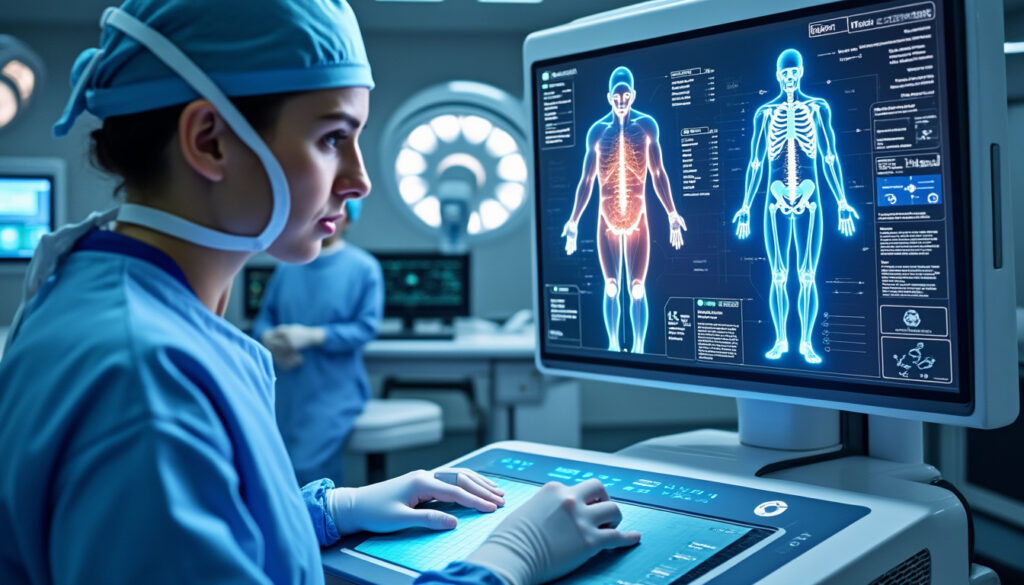
The evolution of surgical care in 2026 reveals a compelling shift toward approaches that prioritize the holistic recovery of patients, moving beyond traditional metrics like length of hospital stay or mortality rates. This modern paradigm highlights the principle that the…
Frequently Encountered Challenges with Clear Strategies to Prevent Surgical Errors in Spinal Procedures
Regardless of technique, surgical errors generally emanate from avoidable lapses in judgment, communication, and process execution. Highlighted below are prevalent challenges and practical recommendations to avoid them:
- Wrong-site surgery: Ensuring proper surgical site marking and checklist verification, supported by technologies like SurgiGuard.
- Implant misplacement: Utilizing robotic-assisted navigation and intraoperative imaging.
- Insufficient patient evaluation: Multidisciplinary case conferences involving radiologists, neurologists, and surgeons.
- Postoperative complication oversight: Structured follow-up protocols including use of SafeStep Surgical monitoring frameworks.
- Communication breakdowns: Instituting standardized documentation and digital coordination platforms.
Case series and literature such as the most common surgical errors emphasize that continuous quality improvement and adherence to validated protocols directly correlate with better patient safety and surgical success.
Structured Rehab and Postoperative Care: The Final Pillar to Avoid Pitfalls in Spinal Surgery Recovery
Effective postoperative care is a critical component to consolidate surgical benefits and prevent failures. Early mobilization, pain management, and physical therapy tailored by expert teams like Neurotherapie Montréal focus on restoring function while monitoring for complications. The incorporation of motion preservation principles into rehabilitation protocols further enhances outcome durability.
Important rehab focus areas include:
- Incremental load bearing and mobility exercises.
- Neuromuscular re-education supporting spinal stability.
- Continuous pain and complication monitoring.
- Use of technology-assisted feedback systems to guide therapy progression, aligning with FusionFlow and MotionCare modalities.
| Rehab Phase | Objective | Intervention |
|---|---|---|
| Immediate Post-op (0-2 weeks) | Manage pain and inflammation | Pharmacologic and ice therapy; gentle mobilization |
| Early Rehab (2-6 weeks) | Restore joint mobility and muscle activation | Physical therapy; motor control exercises |
| Advanced Rehab (6-12 weeks) | Improve functional capacity and endurance | Progressive strengthening and aerobic conditioning |
| Long-term Maintenance (>12 weeks) | Prevent recurrence and maintain performance | Ergonomic education; ongoing exercise programs |
Failing to uphold these phased protocols can lead to stiffness, implant failure, or symptom recurrence. Leveraging structured postoperative pathways with digital monitoring aligns with principles set forth by preventive surgical error management.
What factors most commonly lead to errors in spinal surgery?
Common factors include misdiagnosis of instability, inadequate preoperative planning, wrong-site surgery, implant misplacement, and poor postoperative follow-up. Employing technologies like SurgiGuard and standardized protocols significantly reduces these errors.
How does motion-preserving surgery differ from fusion in terms of patient recovery?
Motion-preserving surgery maintains segmental mobility, often resulting in a moderate recovery time and reduced risk of adjacent segment degeneration, whereas fusion eliminates motion, requiring longer recuperation but addressing severe instability more definitively.
Why is conservative treatment essential before considering spinal surgery?
Conservative treatment, including robot-assisted decompression and osteopathic care, can alleviate symptoms for many, potentially avoiding surgery. It also helps identify patients who truly require surgical intervention, enhancing surgical success rates.
How does international coordination improve spinal surgery outcomes?
Platforms connecting expertise across Quebec and France ensure access to cutting-edge technologies, expert multidisciplinary evaluations, and tailored surgical planning, thereby reducing complications and enhancing recovery.
What role do advanced implants like TOPS and IntraSPINE play in modern spinal surgery?
These implants preserve natural spinal motion while providing stabilization, thus reducing traditional fusion-related complications such as adjacent segment degeneration and promoting better postoperative function.