Blainville Herniated Disc Solutions Without Medication or Surgery
October 27, 2025
Mascouche Neck Pain Treatment Success Stories
October 28, 2025
Each year, thousands of patients from Quebec undertake challenging journeys to France to undergo spinal surgery, seeking relief and improved quality of life. The complex transition from one continent to another introduces unique demands on post-operative care, where established clinical pathways meet innovative therapies. One breakthrough gaining traction in recent years is the integration of repetitive transcranial magnetic stimulation (rTMS) in the recovery process after spinal surgeries. This non-invasive, painless neuromodulation technique offers a new horizon for personalized post-operative follow-up, particularly in managing persistent neuropathic pain and psychosocial symptoms commonly encountered in spinal surgery patients. Leading centers like Neurothérapie Montréal have been pivotal in steering comprehensive management programs for Canadian patients treated abroad, orchestrating care coordination that bridges cutting-edge surgical intervention, meticulous pre-operative preparation, and tailored rehabilitation integrated with rTMS. Exploring the multifaceted benefits of rTMS and its incorporation within specialized protocols shines a light on how this advanced neuromodulation method is transforming recovery trajectories for post-surgical spine patients.
Comprehensive Neuromodulation Through rTMS: Advancing Post-Operative Care After Spinal Surgery
Repetitive transcranial magnetic stimulation (rTMS) represents a sophisticated neuromodulatory approach that modifies brain activity through focused magnetic pulses. These impulses non-invasively stimulate cortical areas linked to pain processing and sensorimotor control, yielding therapeutic effects especially relevant to spinal surgery recovery. Within post-operative frameworks, rTMS targets maladaptive neuroplastic changes manifesting as chronic neuropathic pain, often stemming from conditions like post-laminectomy syndrome. By modulating excitability in the sensorimotor cortex or prefrontal cortex, rTMS facilitates pain reduction and supports emotional stability, which is crucial when dealing with anxiety or depressive symptoms linked to surgery and rehabilitation challenges.
Environmental influences, individual neurophysiology, and surgical specifics create diverse patient responses, emphasizing the importance of personalized treatment protocols in rTMS application. Experts like Philippe Mazaltarim at Neurothérapie Montréal employ devices manufactured by companies such as Magstim, Neuronetics, and MagVenture to customize stimulation frequency, intensity, and duration. These tailored approaches prevent side effects and maximize therapeutic gains. Emerging platforms including Neurosoft and CloudTMS power real-time monitoring, enabling adaptive interventions throughout the rehabilitation journey.
This tailored use of rTMS enhances post-surgical outcomes by:
- Reducing persistent neuropathic pain resistant to conventional analgesics
- Improving cortical plasticity, thereby supporting functional recovery in sensorimotor pathways
- Alleviating depressive and anxiety symptoms that interfere with motivation and participation in rehabilitation
- Providing a safe, non-invasive option without pharmacological side effects
An in-depth understanding of these effects affirms rTMS’s place as a valuable adjunct in holistic spinal surgery aftercare. For detailed insights on mechanisms, readers can explore reviews on neuromodulation in chronic pain and the effect of stimulation parameters on cortical excitability.
Understanding Sciatic Pain: Key Symptoms and When to Seek Medical Advice
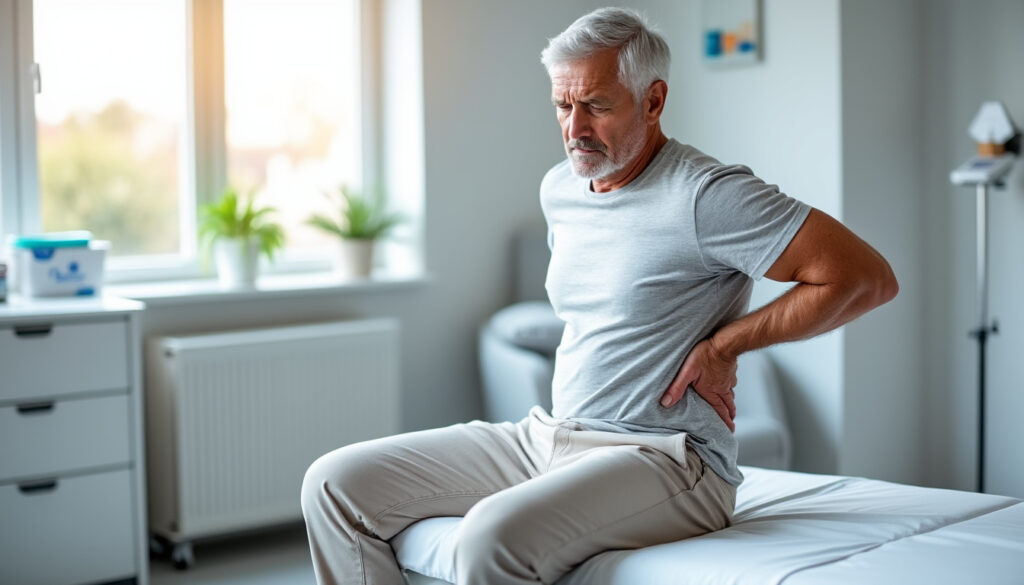
Sciatic pain is a prevalent condition impacting a wide demographic, manifesting primarily as intense pain radiating from the lower back down the leg. This pain stems from irritation or compression of the sciatic nerve, a major nerve extending through the…
Personalized Protocols and Neurofunctional Assessments: The Key to Unlocking rTMS Efficacy After Surgery
Successful rTMS integration hinges on the ability to identify precise neurofunctional targets and adapt stimulation schedules to each patient’s unique neurological profile. This precision medicine approach utilizes comprehensive assessments before, during, and after surgery to tailor intervention protocols.
In practice, this begins with an extensive neurofunctional evaluation aimed at mapping cortical regions involved in pain and motor control. Technologies linked to the Deymed and eNeura systems assist in this mapping through advanced neuroimaging and functional monitoring. These assessments highlight dysfunctional circuits contributing to pain syndromes or psychological distress.
Subsequently, rehabilitation timelines are structured around the physiological healing phases:
- Initiation phase: Starting rTMS within a few weeks post-surgery, synchronized with tissue healing to promote early neuronal plasticity.
- Adaptation phase: Continuous modification of stimulation paradigms in response to clinical feedback and symptom trajectory.
- Maintenance phase: Periodic booster sessions designed to consolidate gains in pain control and functional recovery.
This approach leads to more efficient outcomes by striking a balance between stimulation intensity and patient tolerance, thus reducing side effects while enhancing benefits. Combining rTMS with other neuromodulation methods, such as BrainPort or PoNS devices, has demonstrated synergistic effects, contributing to comprehensive clinical care.
| Protocol Phase | Purpose | Typical Timing |
|---|---|---|
| Initiation | Stimulate plasticity; reduce acute pain | 2-4 weeks post-surgery |
| Adaptation | Adjust frequency/intensity; tailor to symptom changes | 1-3 months post-surgery |
| Maintenance | Consolidate functional and emotional gains | 3+ months post-surgery |
Extensive clinical data affirm the significance of timing and protocol customization, as explored in recent analyses available at expert insights on post-surgery rTMS integration.
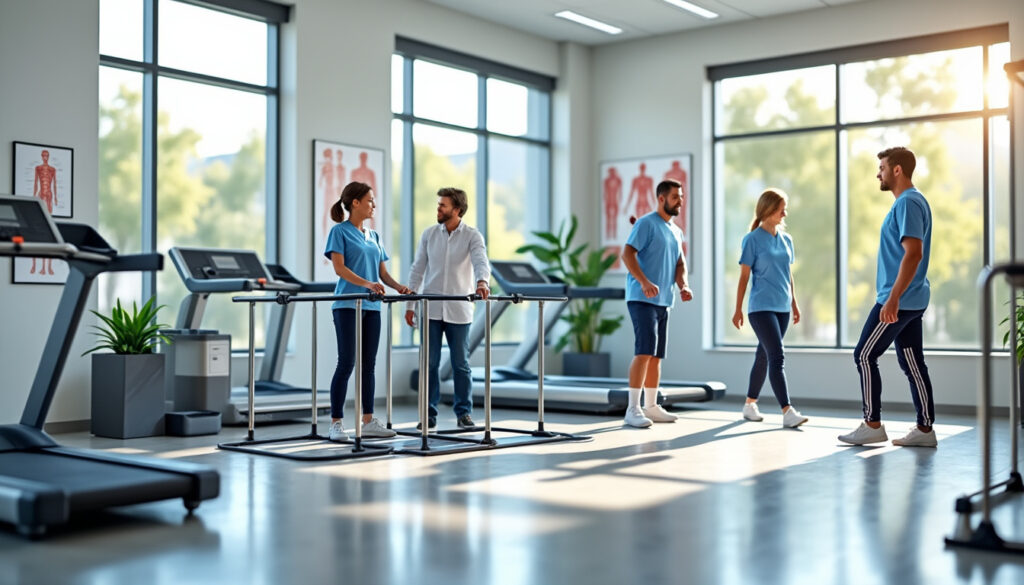
The Stepwise Role of Functional Recovery in Achieving Successful Outcomes
The journey to full recovery following spinal surgery is often complex and multifaceted, demanding a meticulously structured approach to ensure optimal functional outcomes. In recent years, the concept of functional recovery through a stepwise approach has garnered significant attention in…
Integrated Management of Franco-Québécois Patients: Neurothérapie Montréal’s Role in Seamless Post-Operative Care
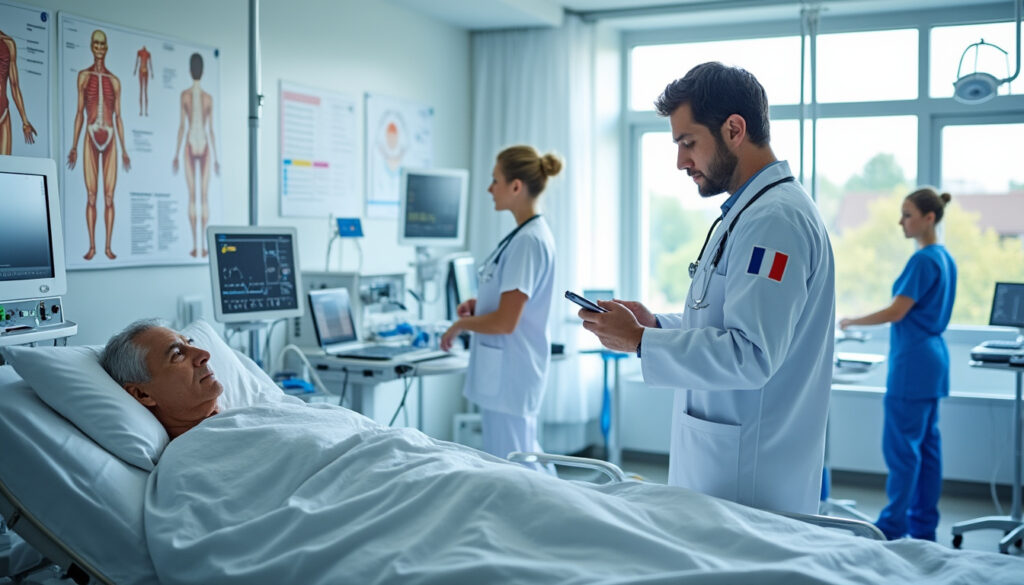
For patients undergoing spinal surgery in France, the pathway to recovery is multi-phased and transcends geographical borders, demanding seamless collaboration between overseas surgical teams and Canadian follow-up providers. Neurothérapie Montréal, under the guidance of renowned specialists, plays a pivotal role in this integrated model, ensuring continuity of care and tailored neuromodulation strategies that dovetail with surgical procedures and recovery milestones.
The clinical journey coordinated by this center includes:
- Pre-operative preparation: Consolidating medical records, detailed neurofunctional assessments, and psychological readiness support before departure.
- Remote surgical support: Collaborative monitoring of patient status during surgery through telemedicine and liaison with French surgical teams.
- Post-operative follow-up: Personalized rehabilitation guidance, rTMS application for persistent symptoms, and psychosocial support upon return to Quebec.
This comprehensive pathway minimizes risks of complications such as post-laminectomy syndrome, and optimizes functional recovery. Furthermore, it supports gradual reintroduction to daily activities including occupational and sporting efforts.
| Phase | Neurothérapie Montréal Actions | Outcomes |
|---|---|---|
| Pre-Operative | Detailed evaluations and patient preparations | Better surgical readiness and reduced anxiety |
| Surgical Support | Real-time patient status collaboration | Early complication detection; optimized intraoperative care |
| Post-Operative | Neuromodulation, rehabilitation, psychological aid | Improved pain management and functional gains |
Such integrated care models can enhance patient satisfaction and clinical results, fostering trust and motivating consistent rehabilitation effort. For a deeper understanding of how post-operative follow-up improves clinical outcomes, refer to comprehensive analyses of post-operative care.
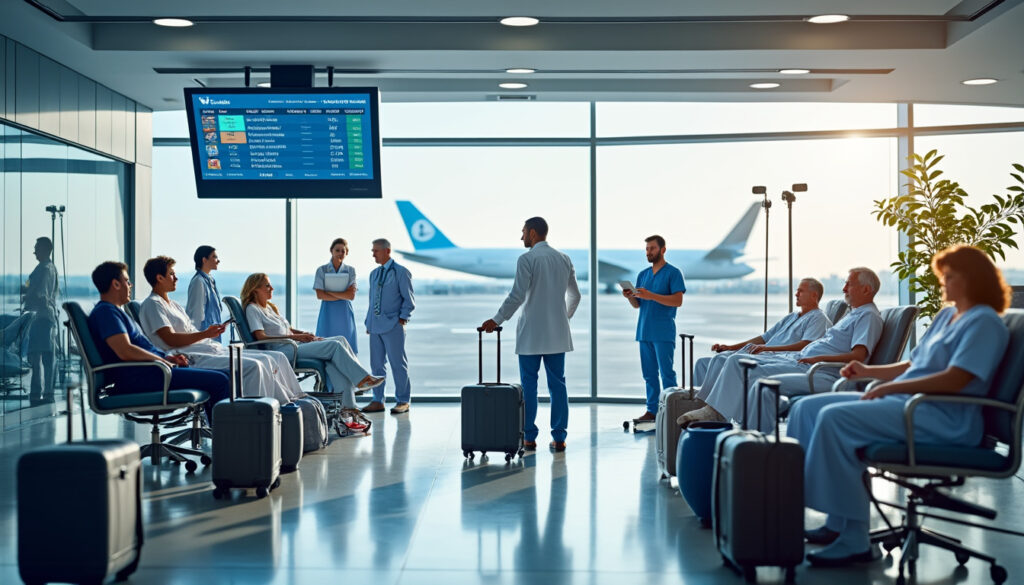
Transatlantic Patient Journey: Insights into Indications, Benefits, and Challenges
The emergence of the Transatlantic Patient Journey as a strategic model within healthcare continues to capture attention for its innovative potential, especially in specialized fields such as spinal surgery. This cross-border care pathway integrates rigorous medical evaluation from Quebec with…
International Collaboration Enhancing Patient Safety and Experience: The Triad of SOS Tourisme Médical, Franchir, and Neurothérapie Montréal
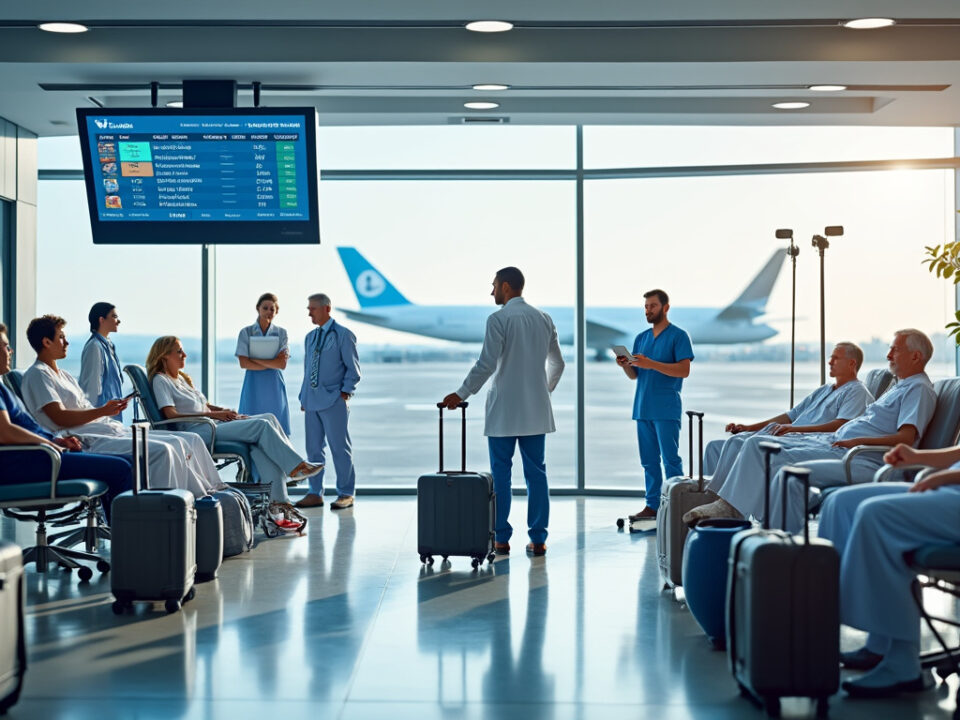
The patient journey involving spinal surgery in France followed by return to Quebec exemplifies an international collaboration intricately balancing medical expertise, logistics, and patient-centered care. Organizations like SOS Tourisme Médical and Franchir play essential roles alongside Neurothérapie Montréal in ensuring patients’ smooth transitions across healthcare systems.
SOS Tourisme Médical provides vital functions such as:
- Informing patients about surgical options, eligibility criteria, and administrative processes.
- Educating patients about advanced procedures like spinal fusion, motion preservation technologies, or dynamic stabilization devices.
- Streamlining logistics linked to medical travel.
Franchir specializes in:
- Directing patients to the most appropriate French surgical centers based on pathology and profiles.
- Coordinating accommodations and on-site logistics ensuring comfort and minimal stress.
- Maintaining constant communication between medical teams across continents, notably with Neurothérapie Montréal for seamless post-op care integration.
This synchronized effort creates a healthcare continuum where no patient experience or medical data falls through the cracks. The combined effort of these three stakeholders is outlined in detail in comprehensive explorations of the role of Franchir in patient care.
| Partner | Primary Role | Strengths |
|---|---|---|
| SOS Tourisme Médical | Patient information and administrative guidance | Clear procedure outlines and eligibility clarification |
| Franchir | Patient orientation and logistical support | Center selection and on-site logistics management |
| Neurothérapie Montréal | Post-op neuromodulation and rehab follow-up | Personalized care, clinical expertise, rTMS integration |
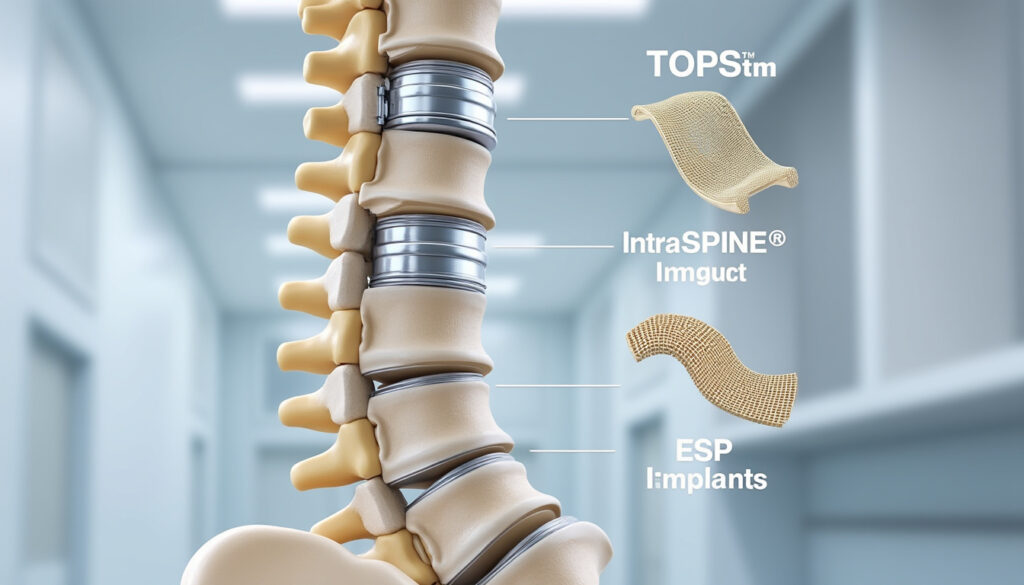
The evolving field of spinal surgery is witnessing a transformative shift, fueled by cutting-edge implant technologies such as TOPS, Intraspine, and ESP. These innovative implants redefine treatment possibilities by emphasizing preservation of natural spinal mechanics, while ensuring durable stabilization and…
Modern Spinal Surgical Techniques and How rTMS Enhances Functional Recovery
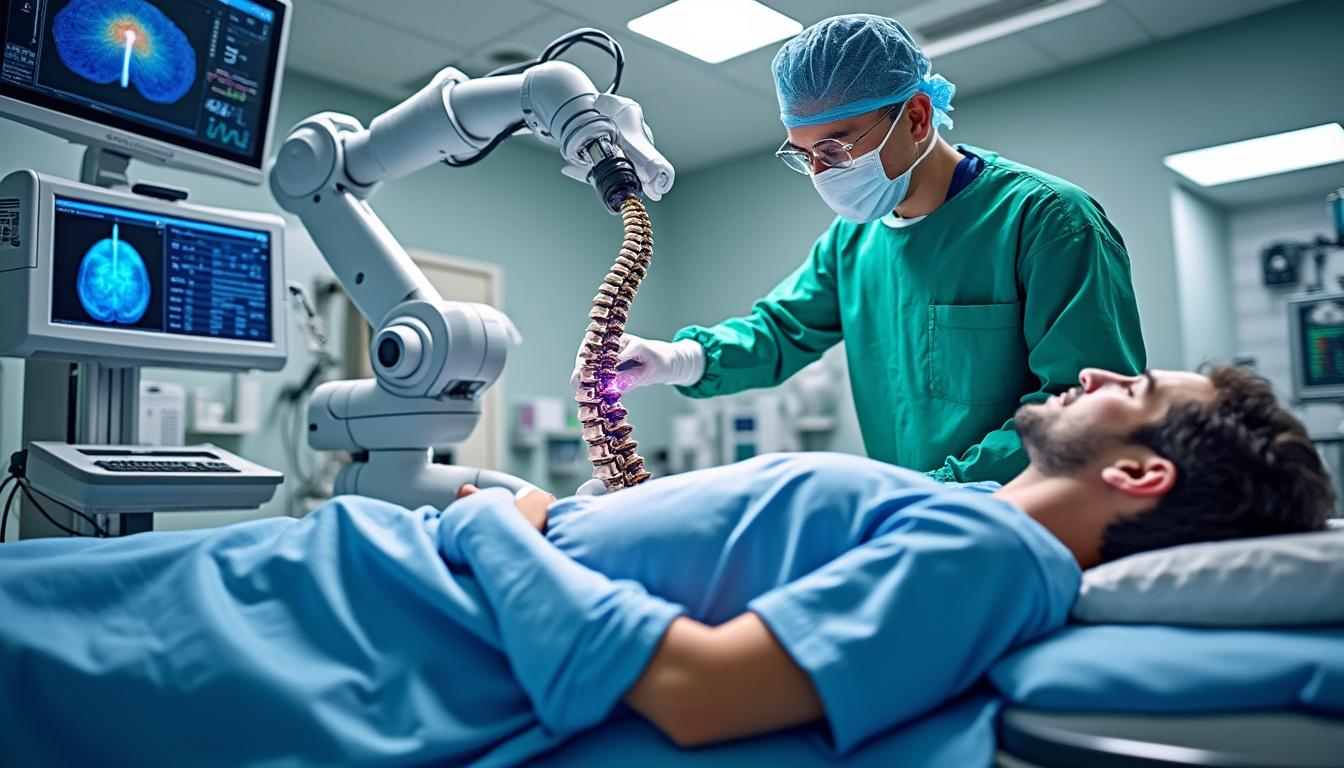
Spinal surgery in France has embraced significant technological advances, enabling less invasive methods with improved precision and reduced recovery times. These innovations include robotic-assisted navigation platforms by companies like eCential Robotics, and motion-preserving prosthetic devices such as IntraSPINE, which contribute to functional preservation after surgery.
Integrating rTMS into these contexts optimizes patient outcomes by:
- Mitigating post-surgical acute and chronic pain through targeted cortical stimulation.
- Preventing development or worsening of neuropathic sequelae like post-laminectomy syndrome.
- Supporting psychological well-being which correlates with better physical rehabilitation adherence and success.
- Enhancing neuroplasticity to facilitate motor function improvements and sensory reintegration.
| Type of Surgery | rTMS Role in Recovery | Clinical Example |
|---|---|---|
| Discectomy & Decompression | Rapid reduction of acute pain; early mobility support | Patient resuming walking within two weeks |
| Motion-preserving Prostheses | Plasticity optimization; neuropathy prevention | Return to sports in 2-3 months with less pain |
| Fusion/Arthrodesis | Prolonged pain management; support rehab tolerance | Reduced neuropathic pain; improved rehabilitation adherence |
Current research and case studies substantiate the complementary relationship between surgical advancements and rTMS-aided neuromodulation, underscoring a future where integrated protocols become standard practice as outlined in studies on approved motion technologies in spine surgery.
Preparing for Surgery in France: Key Indications, Benefits, and Limitations
In an evolving global healthcare landscape, France emerges as a beacon of advanced surgical expertise, particularly attracting international patients seeking expedited and innovative medical interventions. Patients from regions experiencing long wait times, such as Quebec, increasingly view France as an…
Tiered Functional Recovery and Progressive Activity Resumption: Clinical Pathways Supported by rTMS
Post-operative recovery after spinal surgery is a tiered process carefully balancing healing progression with incremental return to function. This dynamic pacing is critical in avoiding complications while optimizing patients’ independence and life quality.
Standardized recovery schedules integrated with rTMS protocols generally feature:
- Early Mobilization: Walking encouraged within 1-2 weeks to promote circulation and prevent deconditioning.
- Return to Occupational Tasks: Light work resumption from 4-6 weeks for less invasive interventions; extended to 8-12 weeks after fusion surgeries.
- Gradual Sports & Physical Activities: Controlled reintroduction from around 3 months, with monitoring of symptoms and mobility progress.
Neurothérapie Montréal complements these stages with:
- Neurofunctional monitoring to gauge cortical response and functional gains.
- Individualized rTMS sessions targeting pain and motor recovery domains.
- Psychological support aimed at alleviating anxiety and depression often prevalent in post-surgery patients.
Documented patient experiences provide compelling evidence of this approach’s efficacy. For example, Jean, a 48-year-old undergoing lumbar fusion complicated by neuropathic pain, experienced significant relief through rTMS enabling return to moderate sports within six months. Similarly, Marie, treated with a cervical disc prosthesis, showed marked mood improvements and pain reduction after tailored rTMS for post-laminectomy syndrome. These cases underscore the transformative potential of carefully orchestrated post-op care blending modern neuromodulation techniques and traditional rehabilitation. For an extensive guide on tiered functional recovery, professionals recommend reviewing the analysis on comprehensive functional recovery strategies.
Timeline interactif – Comprendre les bénéfices de l’intégration rTMS après chirurgie
Unveiling the Hidden Benefits of Quality and Certification in Devices
The landscape of device manufacturing and clinical application in 2026 has been fundamentally shaped by the rigorous interplay between quality management and certification processes. Within this complex framework, the hidden benefits of adhering to international standards and obtaining relevant certifications…
Insights from Research Regarding Post-Operative rTMS Care Following Spinal Surgery
The expanding body of scientific literature corroborates the clinical benefits of rTMS in managing post-surgical symptoms associated with spine interventions. Research underscores its role in reducing neuropathic pain intensity, improving motor function recovery, and addressing psychosocial challenges such as depression and PTSD-related symptoms.
Notable findings from recent investigations include:
- Consistent evidence supporting rTMS’s capability to induce cortical reorganization and neuroplasticity beneficial in stroke and spine-related dysfunctions, as detailed in immunological and neural studies.
- Demonstrated efficacy in lowering post-laminectomy neuropathic pain by modulating cortical excitability, described in longitudinal studies accessible via neurological complication reports.
- Highlighting synergistic effects when combining rTMS with interdisciplinary rehabilitation regimes, consistent with findings showcased in systematic reviews on post-operative stroke and neurological recoveries.
- Emerging evidence on rTMS applications in PTSD and related mood disorders, enhancing psychological resilience and treatment compliance, as discussed in dedicated articles on rTMS for PTSD treatment.
These scientific perspectives provide a strong rationale for integrating rTMS in routine post-operative spinal care, fostering a future of multimodal, personalized rehabilitation protocols.
Why Experts Advocate for Comprehensive Preoperative Evaluations
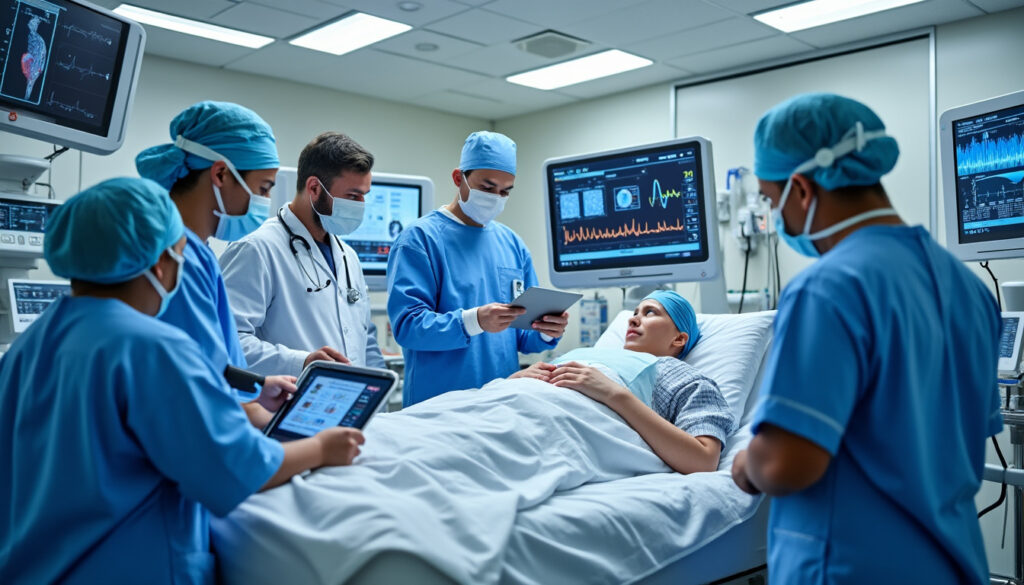
In the complex and demanding field of spinal surgery, the emphasis on comprehensive preoperative evaluations has become a fundamental pillar supporting successful surgical outcomes. These evaluations, far beyond mere routine checks, integrate detailed analyses of patient health, surgical risk assessments,…
Practical FAQs: Clarifying Common Concerns About rTMS Use After Spinal Surgery
Is rTMS a painful or invasive procedure?
rTMS is a non-invasive and painless neuromodulation technique that uses external magnetic pulses to modulate brain activity without surgery or anesthesia. Patients generally tolerate sessions very well.
When should rTMS treatments usually start after spinal surgery?
Typically, rTMS sessions begin a few weeks post-operation, depending on surgical protocol and healing status. Individualized evaluations determine optimal timing to balance efficacy and safety.
What specific benefits does rTMS offer post-surgery?
rTMS aids in controlling chronic neuropathic pain, helps prevent post-laminectomy syndrome, and supports emotional well-being by alleviating depressive or anxious symptoms during recovery.
Does rTMS replace physical rehabilitation?
No, rTMS complements physical rehabilitation by enhancing neural plasticity and sensorimotor function recovery but does not substitute physiotherapy or exercise programs.
How can patients access specialized follow-up after treatment in France?
Patients are encouraged to contact specialized centers like Neurothérapie Montréal, which coordinate comprehensive evaluations and personalized care plans. The collaboration between SOS Tourisme Médical, Franchir, and Neurothérapie Montréal ensures a secure and well-supported medical journey.
The Future of Surgery Lies in Stepwise Functional Recovery
The evolution of surgical care in 2026 reveals a compelling shift toward approaches that prioritize the holistic recovery of patients, moving beyond traditional metrics like length of hospital stay or mortality rates. This modern paradigm highlights the principle that the…