Recovering from a Herniated Disc in Saint-Bruno-de-Montarville: Expert Post-Treatment Tips and Neurovertebral Decompression Therapy
November 5, 2025
What Research Reveals About Cousin Spine Technology and the Franchir Procedure
November 5, 2025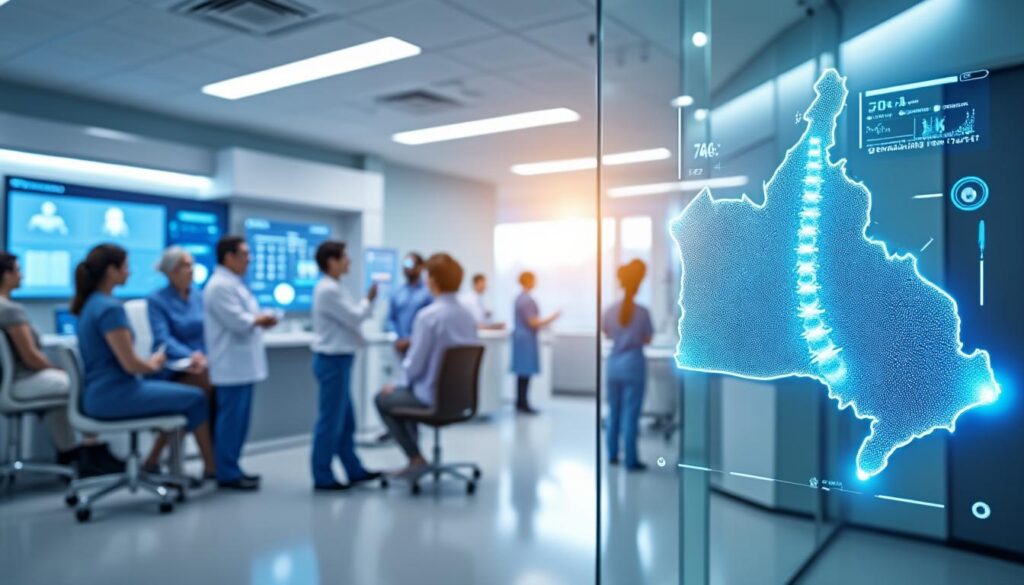
Quebec’s landscape for back surgery is undergoing a significant transformation as evolving eligibility criteria reshape patient care and access to advanced surgical options. Chronic back pain remains a widespread issue affecting quality of life, prompting many patients to seek effective interventions amid long provincial waiting lists and limited access to cutting-edge technology. This evolving framework redefines who qualifies for surgery, emphasizing scientific rigor, multidisciplinary evaluation, and personalized pathways that extend beyond local capacities. Linked with international collaborations, particularly between Quebec and France, these developments provide patients with new opportunities for prompt, technologically advanced treatments and comprehensive postoperative support.
The integration of rigorous eligibility assessments ensures that surgery is reserved for individuals who will benefit most, reducing unnecessary procedures and optimizing outcomes. Multidisciplinary teams, including consultants in neurosurgery, neurotherapy, and physiotherapy, coordinate care pathways that span from preliminary evaluations in Quebec to surgical interventions abroad and follow-ups locally. This innovative cross-border model enhances procedure accessibility while embedding advanced implants and minimally invasive methods not yet widespread in Quebec. Amid rising demand and evolving technological landscapes—including contributions from key medical technology leaders like Medtronic, Stryker, and Zimmer Biomet—patient-centric care is markedly improved, reflecting broader global trends in spine surgery advancements.
Defining and Refining Eligibility Criteria for Back Surgery in Quebec
Back surgery eligibility criteria in Quebec have evolved considerably, driven by the need to optimize surgical outcomes and ensure that patients receive the most appropriate interventions. Central to this evolution is the scientific and clinical evaluation framework implemented under the leadership of experts such as Dr. Sylvain Desforges at the TAGMED clinics in Montreal and Terrebonne.
Each patient’s candidacy for surgery begins with a detailed review process that includes:
- Comprehensive medical history and symptom analysis: Chronic, disabling pain or neurological deficits that persist despite conservative therapies are closely examined.
- Imaging studies review: High-resolution MRIs and radiographs assess structural abnormalities such as lumbar disc herniation, spinal stenosis, or myelopathies.
- Functional questionnaires and neurofunctional assessments: Utilizing standardized pain scales and mobility evaluations to quantify patient limitations objectively.
- Screening for contraindications: Comorbid conditions including cardiac issues or coagulation disorders are carefully factored in to avoid surgical complications.
- Multidisciplinary consensus: Spine surgeons in France, neurotherapists in Montreal, and neurosurgical consultants collaboratively determine individual suitability based on detailed case discussions.
In clinical practice, approximately 75% of back surgery candidates present with lumbar conditions, while 25% involve cervical issues, and a smaller fraction have thoracic spine involvement. To illustrate, an eligible candidate with a symptomatic lumbar herniated disc typically exhibits radiologic evidence of nerve root compression combined with neurological signs resistant to at least six months of non-surgical treatment. Conversely, patients with nonspecific back pain without identifiable structural pathology are preferentially managed conservatively before surgery is considered.
This rigorous approach balances the need to alleviate suffering for appropriate candidates with the responsibility to minimize the risks and costs associated with unnecessary surgical procedures. Consequently, eligibility criteria act both as filters and facilitators, guiding patients toward personalized, evidence-based care pathways.
| Key Eligibility Criterion | Description | Clinical Impact |
|---|---|---|
| Persistent Disabling Symptoms | Chronic pain, neurological deficits, and functional loss | Indicates failure of conservative care and need for surgery |
| Clear Surgical Indication | Specific pathology suitable for fusion, disc replacement, or dynamic stabilization | Increases likelihood of favorable surgical outcome |
| No Significant Contraindications | Overall healthy status with absence of high-risk comorbidities | Reduces perioperative complications |
| Informed Consent | Comprehensive understanding of risks and benefits | Facilitates shared decision-making |

Understanding Sciatic Pain: Key Symptoms and When to Seek Medical Advice
Sciatic pain is a prevalent condition impacting a wide demographic, manifesting primarily as intense pain radiating from the lower back down the leg. This pain stems from irritation or compression of the sciatic nerve, a major nerve extending through the…
Stepwise Evaluation and Preparation of Quebec Patients for Back Surgery
The preoperative evaluation and preparation process orchestrates patient safety and optimizes surgical outcomes through several sequential phases. Upon attending an initial consultation at TAGMED with Dr. Desforges, candidates undergo a stringent assessment to confirm candidacy based on the defined eligibility standards.
Key components of the preoperative workup encompass:
- Advanced imaging reevaluation: Ensuring diagnostic accuracy with the latest available scans.
- Completion of functional and neurofunctional questionnaires: Supplementary tools from Neurothérapie Montréal quantify neural and musculoskeletal status.
- Review of conservative therapy history: Evaluating prior interventions and their effectiveness to ascertain surgical necessity.
- Patient education and counseling: Detailed discussions explain surgical options, including techniques like fusion, disc prostheses, or minimally invasive stabilization (e.g., TOPS or Intraspine implants).
- Medical optimization: Comprehensive review of systemic comorbidities to mitigate anesthetic and surgical risks.
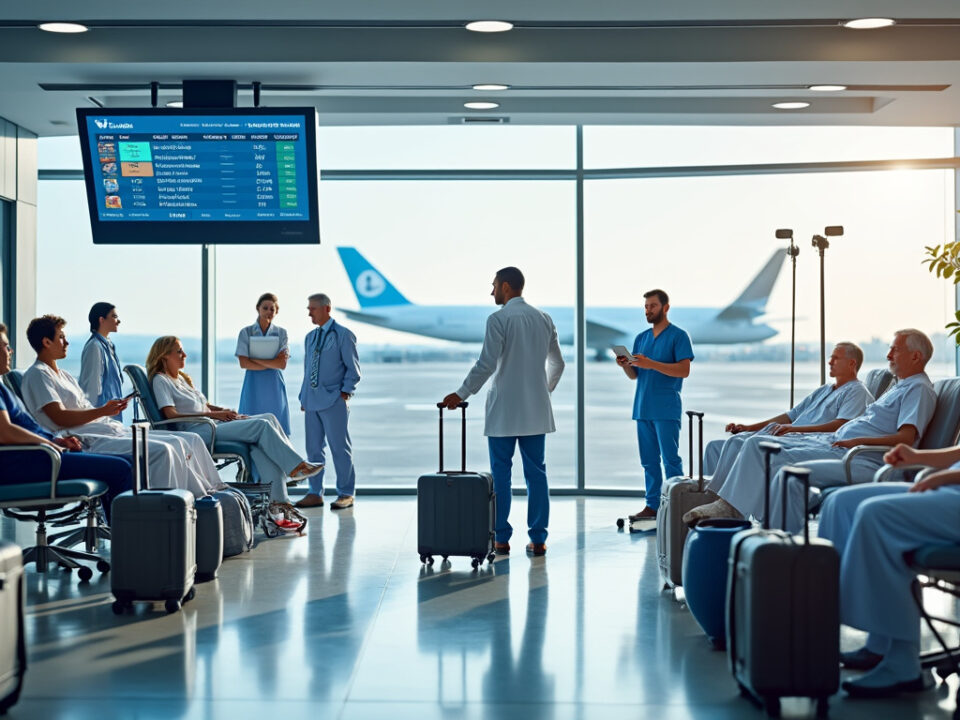
Once deemed eligible, a dedicated organization, Franchir, coordinates the patient’s logistical aspects for surgery in France. This includes travel arrangements, accommodation near specialized centers, and airport-hospital transportation, which significantly reduces patient anxiety and logistical hurdles.
Preparation also includes:
- Personalized information sessions: Addressing individual concerns and tailored preoperative advice.
- Postoperative neurofunctional rehabilitation plans: Developed in conjunction with Neurothérapie Montréal for smooth recovery.
- Cross-border coordination: Ensuring seamless communication between Quebec’s care teams and French surgical teams.
This integrative structure ensures an optimal balance between medical thoroughness and patient-centered care, promoting faster recovery and better long-term results.
| Phase | Objectives | Key Stakeholders |
|---|---|---|
| Initial Evaluation | Confirm diagnosis and symptoms | Dr. Sylvain Desforges, TAGMED |
| Eligibility Confirmation | Multidisciplinary consensus on surgical candidacy | Neurothérapie Montréal, French Spine Surgeons |
| Logistics Coordination | Manage travel and accommodations | Franchir |
| Patient Preparation | Education and establish rehabilitation protocols | Neurothérapie Montréal, SOS Tourisme Médical |
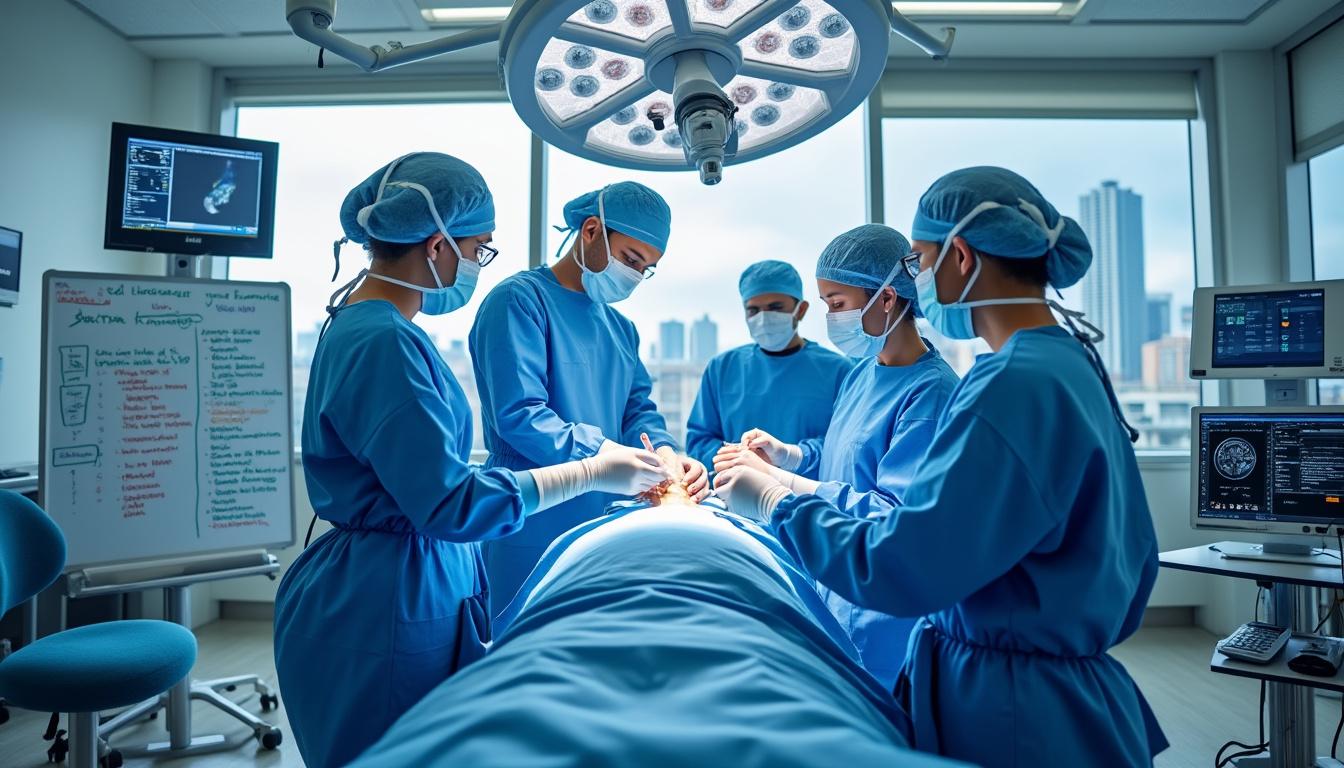

The Stepwise Role of Functional Recovery in Achieving Successful Outcomes
The journey to full recovery following spinal surgery is often complex and multifaceted, demanding a meticulously structured approach to ensure optimal functional outcomes. In recent years, the concept of functional recovery through a stepwise approach has garnered significant attention in…
Comprehensive Multidisciplinary Care Model: Enhancing Patient Support in Quebec
Modern spine care hinges not only on surgical expertise but also on holistic support systems that address neural function, psychological readiness, and rehabilitation needs. Neurothérapie Montréal exemplifies this by offering integrated neurofunctional evaluations and patient-centered coaching before and after surgery.
This comprehensive approach includes:
- Advanced neurofunctional assessments: Use of biofeedback and neurofeedback technologies to assess the autonomic nervous system’s status and predict patient recovery trajectories.
- Personalized rehabilitation protocols: Tailored programs address physical therapy alongside cognitive and pain management strategies.
- Psychological support: Focusing on anxiety reduction, motivation, and coping mechanisms associated with chronic pain and surgical recovery.
- Ongoing follow-up coordination: Liaison with French surgeons and Quebec care teams to ensure continuous monitoring and timely intervention in case of complications.
By bridging clinical science and empathetic care, this model significantly alleviates patient fears and optimizes functional outcomes. Patients engage in supportive programs that extend beyond the operating room, helping sustain the benefits of spinal surgery in daily life.
| Care Element | Description | Patient Benefit |
|---|---|---|
| Neurofunctional Evaluations | Autonomic nervous system analysis pre- and post-surgery | Improved understanding of recovery progress and needs |
| Customized Protocols | Programs adapted to neurological and physical status | Enhanced recovery speed and efficiency |
| Human-Centered Support | Psychological counseling and empathetic communication | Reduced anxiety and improved patient satisfaction |
| International Coordination | Ongoing communication between Quebec and French teams | Continuity of care and early management of complications |
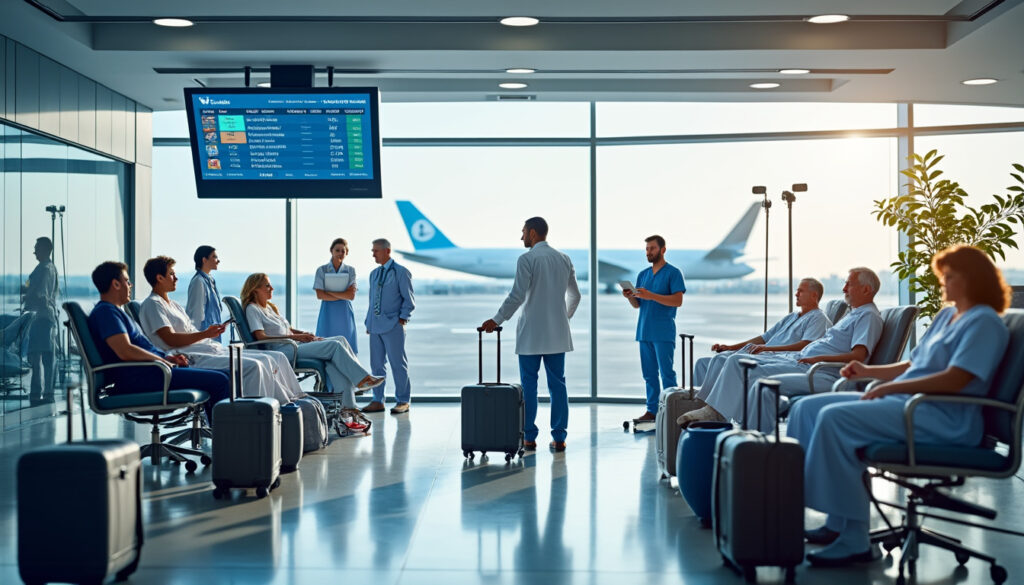
Transatlantic Patient Journey: Insights into Indications, Benefits, and Challenges
The emergence of the Transatlantic Patient Journey as a strategic model within healthcare continues to capture attention for its innovative potential, especially in specialized fields such as spinal surgery. This cross-border care pathway integrates rigorous medical evaluation from Quebec with…
Leveraging International Collaborations to Expand Access to Advanced Back Surgery Techniques
One of the transformative aspects of evolving eligibility criteria is their role in connecting Quebec patients with French surgical centers that offer a broad spectrum of technologically advanced back surgery options. Partnerships facilitated by organizations like SOS Tourisme Médical and Franchir enable expedited surgical care while ensuring quality and safety.
Patients accessing surgery through this international network benefit from:
- Reduced waiting periods: Avoidance of provincial backlogs that delay critical interventions.
- Access to a wide choice of specialists: More than 20 spine surgeons with diverse expertise are available to tailor treatment plans.
- Innovative surgical techniques: Including motion-preserving disc prostheses, minimally invasive endoscopic procedures, and dynamic stabilization implants (TOPS, Intraspine).
- Comprehensive logistical support: Coordinated travel, accommodation, and transport reduce patient and caregiver stress.
This model addresses systemic limitations within Quebec’s health infrastructure and embraces global spine surgery innovations made possible by manufacturers like NuVasive, DePuy Synthes, and Globus Medical. The inclusion of robotic-assisted systems and 3D navigation technologies provided by companies such as SpineGuard and Boston Scientific further elevates clinical precision.
International surgery pathways represent a compelling strategy, harmonizing provincial needs with the global advances highlighted in the next decade in spine surgery and detailed in innovative technologies in spine surgery.
| Advantage | Impact on Quebec Patients |
|---|---|
| Near-Immediacy | Significant reduction in surgical wait times compared to local options |
| Technology Access | Availability of motion-preserving and minimally invasive implants |
| Choice and Personalization | Multiple surgical experts and techniques specialized by pathology |
| Integrated Support | Comprehensive logistical and postoperative care coordination |
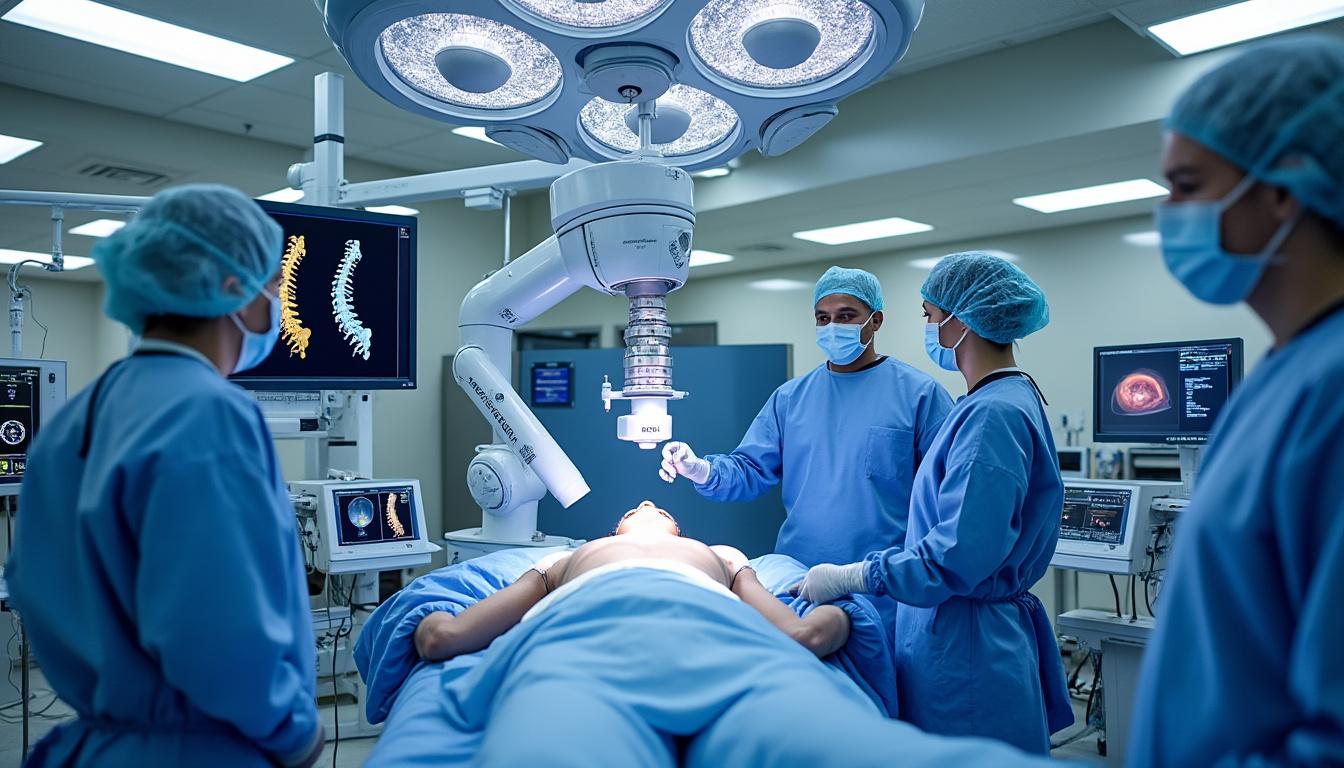
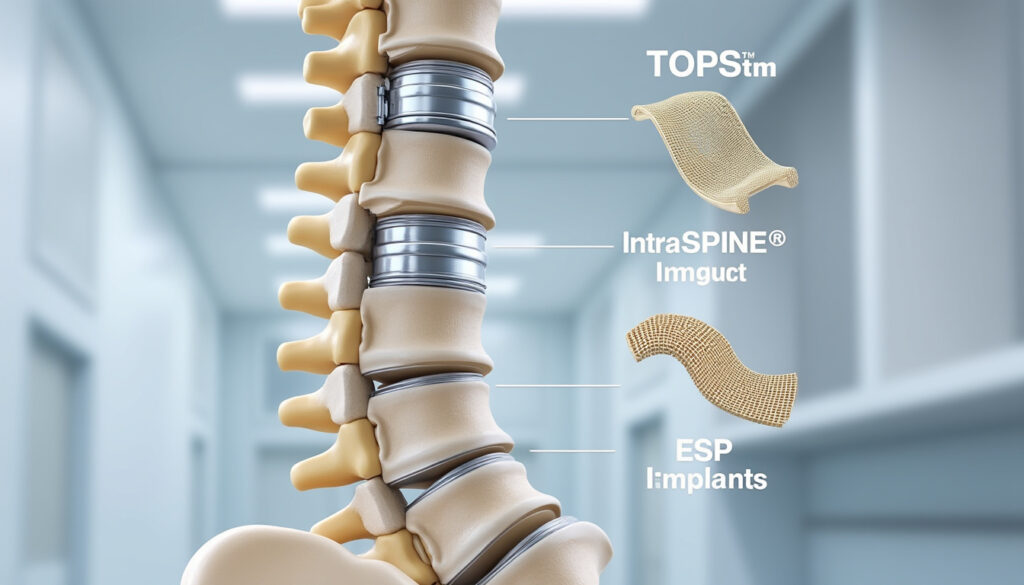
The evolving field of spinal surgery is witnessing a transformative shift, fueled by cutting-edge implant technologies such as TOPS, Intraspine, and ESP. These innovative implants redefine treatment possibilities by emphasizing preservation of natural spinal mechanics, while ensuring durable stabilization and…
Utilizing State-of-the-Art Surgical Techniques to Address Diverse Spinal Pathologies
Back surgery eligibility criteria in Quebec accommodate a wide array of spinal diseases that benefit from modern surgical advances. Common pathologies span many conditions:
- Lumbar and cervical disc herniations: Treated with microdiscectomies or disc prostheses when conservative care fails.
- Spinal canal stenosis: Surgical decompression combined with stabilization to restore function and reduce nerve compression symptoms.
- Spondylolisthesis: Vertebral slippage requiring fusion procedures to reestablish alignment and stability.
- Adult scoliosis: Complex deformity corrections with fixation techniques to enhance spinal alignment.
- Cervical myelopathy: Surgical decompressions aimed at preventing progressive neurological deterioration.
Available surgical options are chosen based on pathology type and patient-specific factors:
- Total disc replacements: Preserve segmental motion and decrease adjacent segment degeneration risk.
- Arthrodesis: Provides rigid stabilization in cases of instability or severe deformity.
- Dynamic stabilization devices: Such as TOPS and Intraspine, which allow controlled spinal movement while reducing pain.
- Minimally invasive and endoscopic surgery: Reduces tissue trauma, shortens hospital stays, and expedites return to daily activities.
This array of techniques is supported by ongoing education and training at institutions like the Diplôme Inter-Univeritaire de Chirurgie du Rachis and specialized courses such as the Endoscopic Spine Course at IRCAD Strasbourg. Real-life applications in Quebec and France demonstrate measurable improvements in quality of life and reduced complication rates, supported by systematic post-surgical follow-up.
| Condition | Surgical Technique | Main Benefit |
|---|---|---|
| Herniated Disc | Microdiscectomy, Disc Prosthesis | Nerve decompression with preserved mobility |
| Spinal Stenosis | Decompression, Dynamic Stabilization | Pain reduction and improved motor function |
| Spondylolisthesis | Arthrodesis | Enhanced vertebral stability |
| Adult Scoliosis | Correction and Fixation | Improved spinal alignment |
| Cervical Myelopathy | Surgical Decompression | Prevention of neurological damage |
Preparing for Surgery in France: Key Indications, Benefits, and Limitations
In an evolving global healthcare landscape, France emerges as a beacon of advanced surgical expertise, particularly attracting international patients seeking expedited and innovative medical interventions. Patients from regions experiencing long wait times, such as Quebec, increasingly view France as an…
Innovations by Leading Medical Technology Brands Shaping Spine Surgery Today
Modern spinal surgery benefits significantly from innovations developed by prominent medical device companies including Medtronic, Stryker, Zimmer Biomet, and NuVasive. These companies contribute advanced implants, navigation tools, and surgical instruments that promote precision and patient safety.
Recent developments highlight:
- Robotic-assisted navigation: Enabled by platforms from SpineGuard and eCential Robotics, facilitating minimally invasive implant placements with improved accuracy.
- Dynamic stabilization devices: Produced by DePuy Synthes and Globus Medical, offering motion-preserving alternatives to traditional fusion.
- Enhanced imaging and visualization: Systems by Smith & Nephew and Boston Scientific providing superior intraoperative views to aid surgical decision-making.
- Biologic implants and interbody cages: Designed to stimulate fusion or maintain alignment while minimizing post-op complications.
The integration of these technologies into the Quebec-France surgical pathway supports care that aligns with global best practices, as reflected in reviews on recent advances in spine surgery and their revolutionary impact and strategic forecasts about the future of spine care emerging trends.
| Manufacturer | Contribution | Clinical Benefit |
|---|---|---|
| Medtronic | Robotic-assisted surgical platforms | High precision and reduced tissue damage |
| Stryker | Advanced spine implants and instrumentation | Improved implant longevity and safety |
| Zimmer Biomet | Dynamic stabilization devices | Preservation of spinal motion |
| NuVasive | Minimally invasive surgical technologies | Quicker recovery and reduced hospital stays |

Unveiling the Hidden Benefits of Quality and Certification in Devices
The landscape of device manufacturing and clinical application in 2026 has been fundamentally shaped by the rigorous interplay between quality management and certification processes. Within this complex framework, the hidden benefits of adhering to international standards and obtaining relevant certifications…
Emerging Trends in Postoperative Integration and Rehabilitation Protocols
In line with evolving eligibility criteria, postoperative care is enhanced through advanced integration of rehabilitation and neuromodulation technologies. Rehabilitation programs now incorporate techniques such as repetitive transcranial magnetic stimulation (rTMS), which provide promising results in pain management and functional recovery.
Key elements of the postoperative approach include:
- Individualized neurorehabilitation: Combining physical therapy with cognitive rehabilitation to address chronic pain syndromes.
- Neurofeedback-assisted recovery monitoring: Using biofeedback tools to track autonomic nervous system responses post-surgery.
- Psychosocial support: Addressing mental health concerns that affect recovery trajectory.
- International follow-up collaboration: Joint management between Neurothérapie Montréal and French surgical teams to adjust rehabilitation when needed.
Research indicated in articles on post-surgery integration of rTMS and innovations for faster recovery support the effectiveness of these multidisciplinary strategies. They not only improve physical outcomes but also help prevent chronic postoperative pain, reducing the need for lengthy medical interventions.
| Postoperative Element | Description | Benefits for Patients |
|---|---|---|
| rTMS Therapy | Noninvasive modulation of brain regions involved in pain processing | Reduction in neuropathic pain, improved quality of life |
| Neurofeedback | Real-time monitoring of autonomic nervous system function | Enhanced recovery monitoring and tailored rehab plans |
| Psychosocial Counseling | Support addressing psychological barriers to recovery | Improves patient motivation and adherence to therapy |
| International Coordination | Continued communication between care teams | Optimal recovery and early identification of complications |
Why Experts Advocate for Comprehensive Preoperative Evaluations
In the complex and demanding field of spinal surgery, the emphasis on comprehensive preoperative evaluations has become a fundamental pillar supporting successful surgical outcomes. These evaluations, far beyond mere routine checks, integrate detailed analyses of patient health, surgical risk assessments,…
Enhancing Accessibility Through Technological and Logistical Innovations
Dedicated strategies to overcome access barriers in Quebec include the use of telemedicine consultations, digital imaging exchanges, and streamlined referral systems that expedite eligibility evaluations and surgical scheduling. This digital integration is particularly crucial given the frequent geographic distance between specialists and patients, and the complexity of cross-border care coordination.
Important measures implemented are:
- Virtual multidisciplinary meetings: Remote case discussions between Quebec-based teams and French surgeons.
- Secure digital transmission of medical records: Ensures timely sharing of imaging and clinical data to support surgical planning.
- Centralized patient navigation services: Coordinators guide patients through diagnostic, surgical, and rehabilitation phases, including travel and insurance arrangements.
- Use of advanced scheduling software: Facilitates efficient allocation of surgical slots based on priority criteria and patient readiness.
Collaborations with organizations like SOS Tourisme Médical demonstrate how international medical travel is complemented by meticulous logistical frameworks, thereby reducing patient stress and enhancing outcomes. Moreover, Quebec’s health system benefits from the adoption of these technologies as described in the central role of spinal surgery in coordinated care pathways.
| Innovation | Application | Benefit to Patients |
|---|---|---|
| Telemedicine Coordination | Remote consultation and case review | Faster eligibility decisions and treatment planning |
| Digital Records Exchange | Secure sharing of diagnostics and history | Improved surgical accuracy and reduced duplication |
| Patient Navigation | Personalized guidance through healthcare journey | Reduced anxiety and improved adherence to protocols |
| Scheduling Software | Efficient surgical slot allocation | Optimized use of surgical resources and minimized wait |
The Future of Surgery Lies in Stepwise Functional Recovery
The evolution of surgical care in 2026 reveals a compelling shift toward approaches that prioritize the holistic recovery of patients, moving beyond traditional metrics like length of hospital stay or mortality rates. This modern paradigm highlights the principle that the…
Training and Education: Preparing Surgeons for Advanced Criteria and Technologies
As eligibility criteria continuously evolve, so too does the educational landscape preparing surgeons to deliver state-of-the-art care. Universities and specialized institutions in Quebec and France offer advanced diplomas and courses addressing the complexities of eligible spinal pathologies and emerging technologies.
Examples include:
- Diplôme Interuniversitaire de Chirurgie du Rachis (SFCR): A comprehensive credential emphasizing surgical protocols and technology adaptation.
- Spinal Solution Course at FICV Bordeaux: Practical workshops focusing on minimally invasive and motion-preserving procedures.
- EuroSpine Endoscopic Spine Courses IRCAD Strasbourg: Training in the latest endoscopic techniques enhancing minimally invasive care.
- Continuous professional development: Workshops by companies like Medtronic and Boston Scientific on robotic-assisted surgery and navigation systems.
These initiatives ensure surgeons stay abreast of innovations such as the use of artificial discs, next-generation implants, and integrated imaging technologies, improving decision-making aligned with defined eligibility frameworks.
| Educational Program | Focus | Location |
|---|---|---|
| DIU Chirurgie du Rachis (SFCR) | Spine surgery protocols and technology | France |
| FICV Spinal Solution Course | Minimally invasive & motion-preserving procedures | Bordeaux, France |
| IRCAD Endoscopic Spine Course | Advanced endoscopic surgery | Strasbourg, France |
| Workshops by Medtronic & Boston Scientific | Robotic-assisted and navigational technologies | International |
Eligibility Criteria for Back Surgery – Interactive Comparison
This table highlights key factors influencing surgical eligibility and their impacts on patient care in Quebec.
| Eligibility Factor | Description | Impact on Patient Care |
|---|