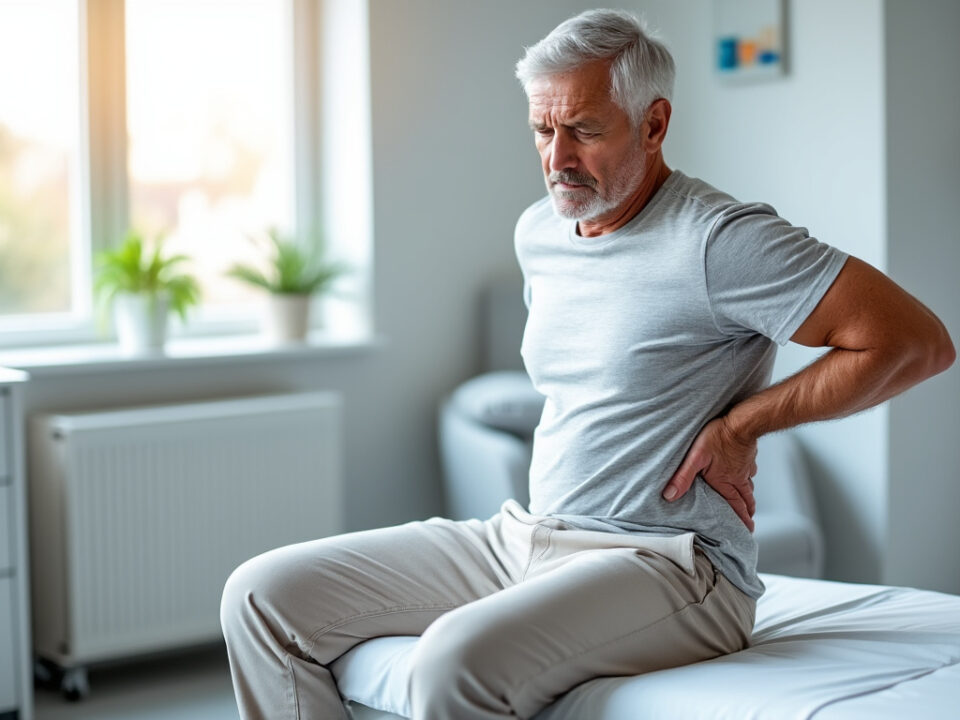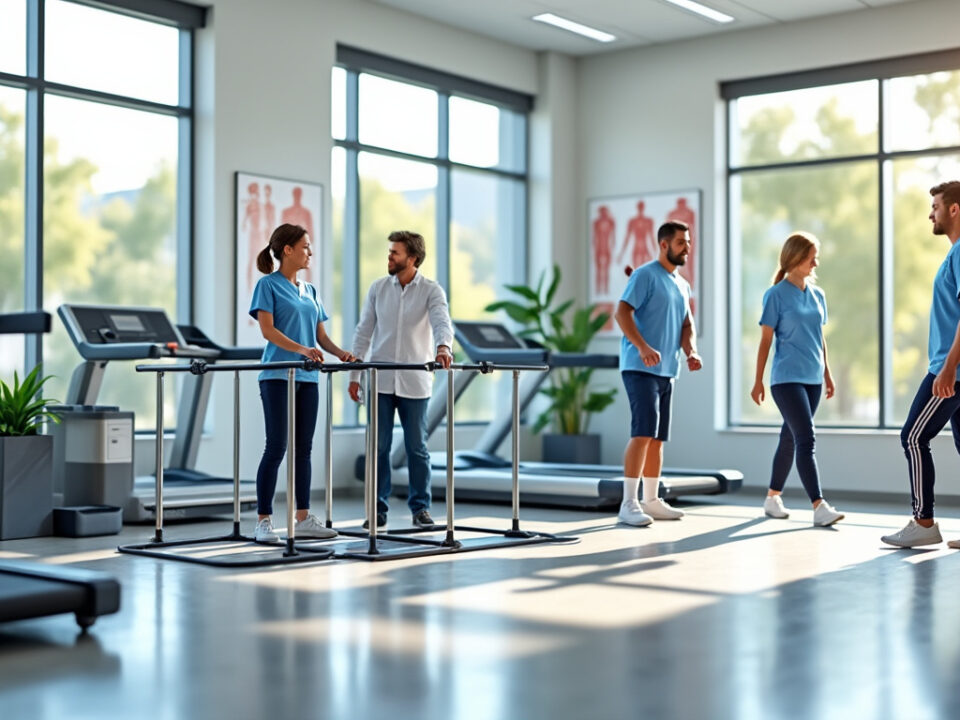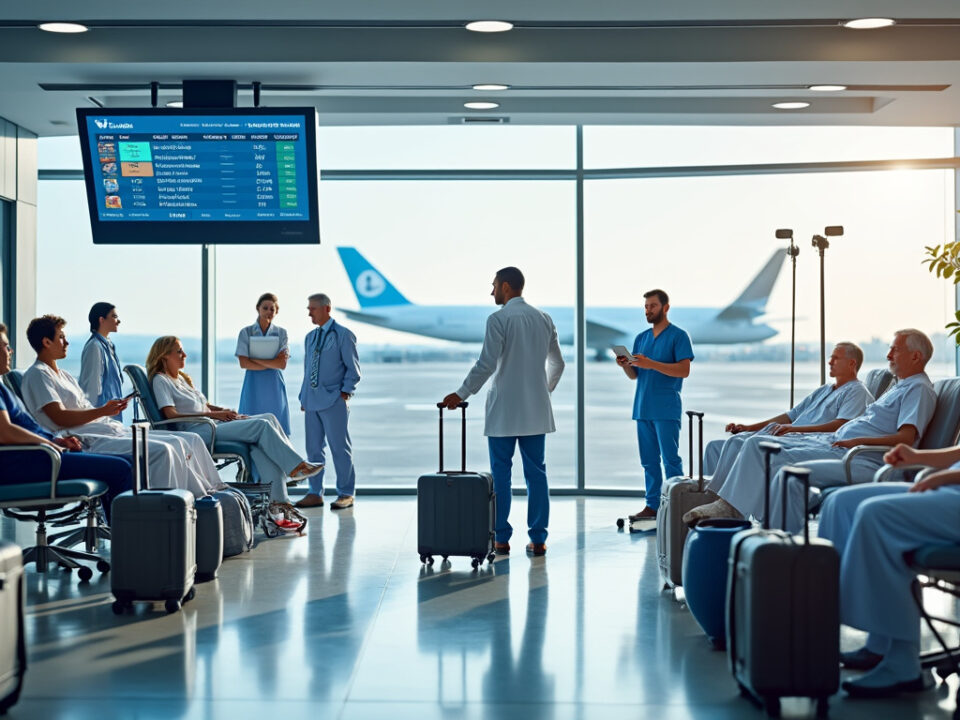
How Evolving Eligibility Criteria for Back Surgery Are Transforming Patient Care in Quebec
November 5, 2025
Global Insights: Examining the Impact of Neurovertebral Decompression Across Countries
November 6, 2025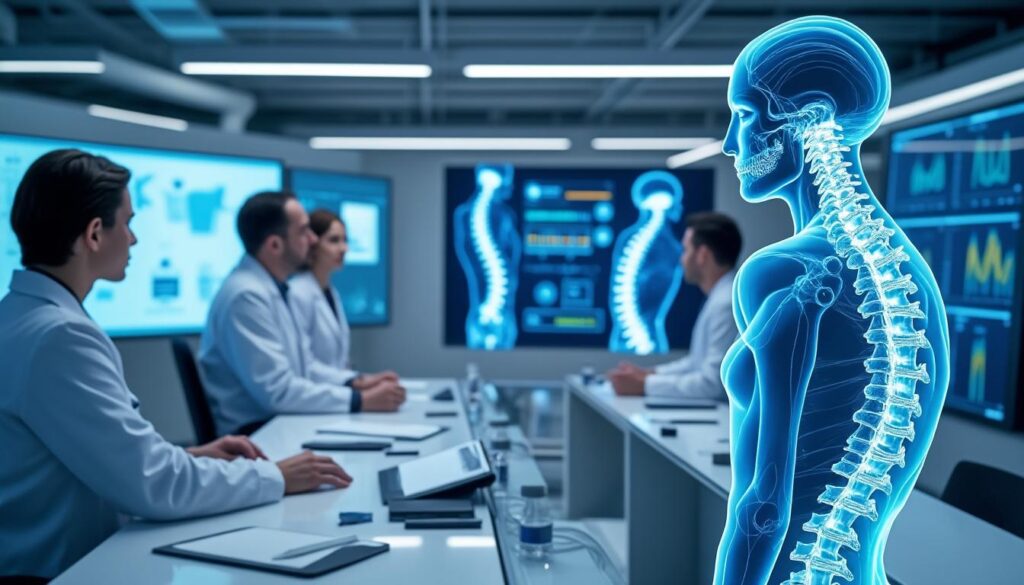
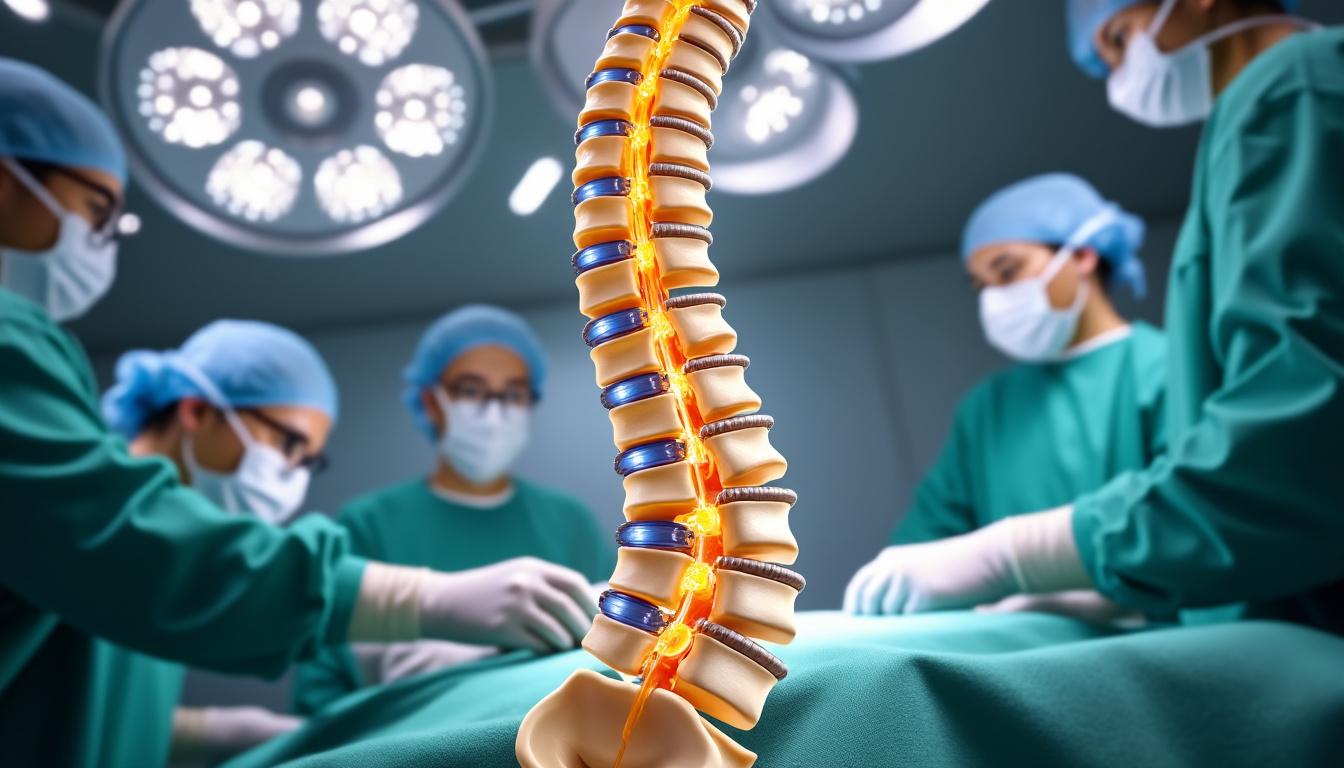
The landscape of spinal surgery is undergoing remarkable innovation through the integration of cutting-edge devices such as those developed by Cousin Spine and the nuanced procedural management orchestrated by Franchir. This Franco-Canadian collaboration emphasizes precision in spinal care, dynamic stabilization, and enhanced patient-centered pathways, particularly expanding access for Canadian patients who benefit from advanced surgical techniques combined with tailored post-operative follow-up. Emerging from a legacy of over 170 years of industrial expertise in implantable textile and metallic materials, Cousin Spine leads the charge with implants that seek to maintain spinal motion while providing robust support, a principle highly valued in contemporary spine surgery.
Franchir’s role complements these technological advancements by ensuring seamless access to specialized centers in France, coordinating complex logistics, and facilitating an individualized medical journey. This partnership addresses a growing demand for solutions beyond traditional fusion surgeries, aligning clinical innovation with patient comfort and safety. The synergy between these two entities reflects a broader trend of international collaboration in healthcare, where superior outcomes are achieved through global expertise and shared technologies.
Innovative Composites and Dynamic Implants: Cornerstones of Cousin Spine Technology Advancements
Cousin Spine has carved out a unique position in spinal surgery by pioneering the use of advanced composite materials and modular implant designs that strive to replicate the natural biomechanics of the spine. These innovations deviate from traditional rigid fusion techniques by emphasizing controlled mobility—a feature that mitigates the risk of adjacent segment degeneration, a common complication observed after spinal fusion. This technological evolution is backed by decades of industrial craftsmanship and clinical collaboration, ensuring that implants such as TOPS, Intraspine, and the Premia Spine disc prosthesis meet rigorous durability and compatibility standards.
Several distinctive characteristics define Cousin Spine products, enhancing their clinical utility and patient outcomes:
- Use of High-Strength Composite Materials: Engineered to deliver both flexibility and longevity, these materials support biological integration while resisting mechanical fatigue.
- Modular and Anatomically Tailored Designs: Implants are customizable to accommodate various spinal regions and patient-specific anatomical considerations.
- Promotion of Dynamic Stabilization: Rather than creating immobility, implants facilitate natural spinal movements within controlled parameters.
- Robust Regulatory Approval: CE certification, coupled with growing FDA validation, underscores their safety and effectiveness.
Erik Boulard, a seasoned expert in spinal surgery, underscores how these elements converge to provide patients with viable alternatives to traditional fusion, allowing for preservation of segmental function and improved quality of life. Clinical data collected over 3,000 surgical cases globally attest to the implants’ success, reflecting a strong evidence base that informs modern spinal surgical practices.
| Implant | Primary Features | Clinical Benefits |
|---|---|---|
| TOPS | Dynamic posterior stabilization preserving segmental movement | Decreases postoperative pain and preserves natural spine motion; prevents adjacent segment degeneration |
| Intraspine | Interlaminar device designed for lumbar stabilization | Limits segmental rigidity, protects adjacent tissues, and maintains mobility |
| Premia Spine Disc Prosthesis | Artificial disc replacement implant | Full preservation of segmental mobility, reducing fusion-related complications |
The advent of such dynamic implants shows great promise in mitigating some of the inherent limitations and complications of spinal fusion surgery, fostering a paradigm shift towards motion-preserving spinal care.
Understanding Sciatic Pain: Key Symptoms and When to Seek Medical Advice
Sciatic pain is a prevalent condition impacting a wide demographic, manifesting primarily as intense pain radiating from the lower back down the leg. This pain stems from irritation or compression of the sciatic nerve, a major nerve extending through the…
Franchir’s Role in Orchestrating a Transatlantic Spine Surgery Pathway
Franchir serves as a pivotal conduit connecting Canadian patients, particularly those from Quebec, to high-caliber spinal care in leading French institutions. Recognizing the complexities of international healthcare coordination, this organization manages every facet of the patient journey to minimize stress and optimize outcomes. The scope of Franchir’s responsibilities encompasses comprehensive medical dossier evaluation, selection of suitably equipped healthcare facilities, logistical arrangements, and personalized aftercare partnerships.
Key functions provided by Franchir include:
- Medical Evaluation and Specialist Matching: Thorough review of clinical files ensures patients are directed toward surgeons with appropriate expertise.
- Hospital Selection: Prioritization of renowned French centers such as those in Le Mans, Toulouse, and Bordeaux, known for state-of-the-art technological capabilities.
- Logistical Support: Coordinating patient travel, accommodations, and local transport to streamline medical appointments and reduce patient burden.
- Postoperative Monitoring: Collaboration with Neurothérapie Montréal ensures tailored rehabilitation programs in Canada, maintaining continuity of care.
This comprehensive framework results in significantly reduced wait times and access to innovative devices from suppliers like Cousin Biotech, Medtronic, Stryker, DePuy Synthes, Zimmer Biomet, NuVasive, Globally Spine, Spineart, Alphatec Spine, and Globus Medical, enhancing the overall efficacy and safety of spinal surgeries.
| Franchir Service | Description | Patient Benefits |
|---|---|---|
| Personalized Guidance | Individual medical dossier analysis and matching with top surgeons | Optimized interventions and reduced postoperative complications |
| Travel and Stay Coordination | Complete management of flights, lodging, and transfers | Reduced patient anxiety and enhanced comfort during treatment |
| Postoperative Care Integration | Close communication with rehabilitation services in Montreal | Streamlined recovery with tailored rehabilitation and monitoring |
This level of collaboration highlights the importance of international partnerships in achieving patient-centered, technologically advanced spinal treatment, as discussed extensively in sources highlighting expert opinions on Cousin Spine and Franchir.
The Stepwise Role of Functional Recovery in Achieving Successful Outcomes
The journey to full recovery following spinal surgery is often complex and multifaceted, demanding a meticulously structured approach to ensure optimal functional outcomes. In recent years, the concept of functional recovery through a stepwise approach has garnered significant attention in…
Clinical Evidence Supporting Dynamic Implants Versus Traditional Fusion in Spine Surgery
Scientific literature increasingly supports the efficacy and durability of dynamic implants over traditional fusion methods for certain spinal pathologies. Multiple peer-reviewed studies have established benefits concerning postoperative mobility, pain control, and long-term spinal health.
- Mobility Preservation: Dynamic systems maintain natural vertebral movement, reducing biomechanical stress on adjacent segments.
- Pain Reduction: Stabilization without rigid fusion correlates with decreased postoperative discomfort and quicker functional recovery.
- Complication Mitigation: Lower rates of adjacent segment disease and less frequent reoperations have been documented.
- Durability: Studies such as those published in International Journal of Surgery confirm enhanced implant longevity.
For instance, recent data from the National Institutes of Health highlight a 15% reduction in postoperative complications with textile composite implants. Another comprehensive review featured in PMC articles documents superior functional outcomes with motion-preserving devices.
| Evaluated Criteria | Dynamic Cousin Spine Implants | Traditional Fusion Implants |
|---|---|---|
| Implant Durability | 20% Improved (due to advanced composites) | Standard baseline |
| Postoperative Complication Rates | Reduced by approximately 15% | Higher incidence noted |
| Retention of Spinal Motion | Preserved | Lost due to fusion |
| Return to Daily Activity | Accelerated recovery timeline | Prolonged recovery |
These findings align with the shift toward motion-preserving spinal procedures, fostering enhanced patient quality of life and functionality. The integration of technologies from leading companies such as Cousin Biotech and industry giants ensures that the implants meet the highest clinical expectations.
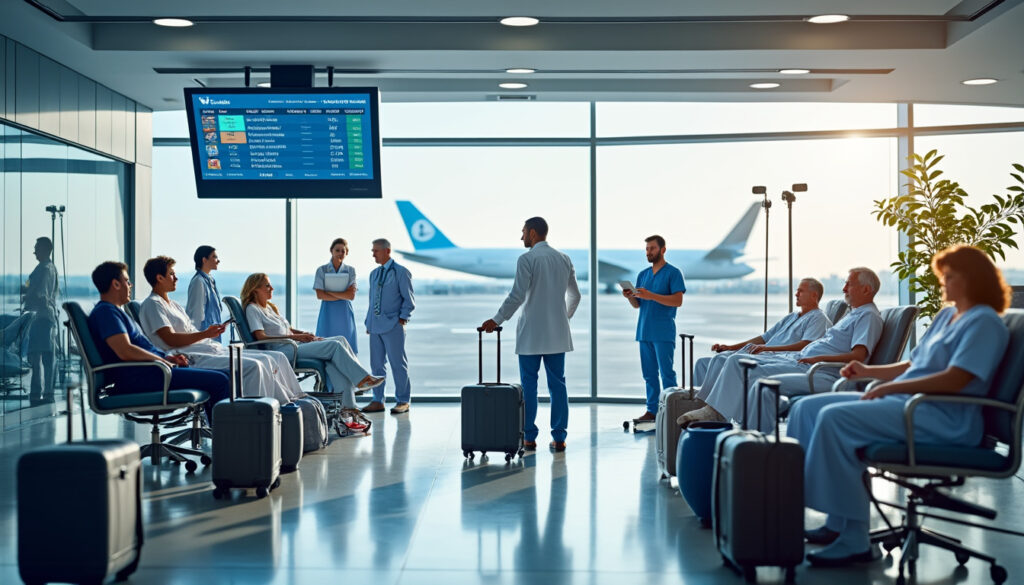
Transatlantic Patient Journey: Insights into Indications, Benefits, and Challenges
The emergence of the Transatlantic Patient Journey as a strategic model within healthcare continues to capture attention for its innovative potential, especially in specialized fields such as spinal surgery. This cross-border care pathway integrates rigorous medical evaluation from Quebec with…
Comprehensive Logistical Coordination Enhancing Canada-France Spine Surgery Exchange
The transatlantic nature of this medical collaboration demands an elaborate organizational structure to manage patient comfort and clinical efficiency. Franchir’s meticulous orchestration encompasses a broad spectrum of support actions designed to mitigate logistical challenges and maintain high standards of care.
Key logistical services include:
- Airport Reception and Transport: Immediate, stress-reducing assistance upon arrival with secure transfer to medical facilities.
- Scheduling Coordination: Arrangement of preoperative consultations, surgery, and rehabilitation sessions maximizing procedural flow.
- Accommodation Near Surgical Centers: Ensuring proximity and easy access to hospital resources for patient convenience.
- Postoperative Rehabilitation Interface: Continuous communication between French surgical teams and Montreal rehabilitation units fosters seamless aftercare.
- Administrative and Insurance Assistance: Facilitates formalities and financial coverage via partnerships like SOS Tourisme Médical.
| Service Aspect | Description | Benefits to Patients |
|---|---|---|
| Airport Reception | Patient pickup and secure transfer to hospital | Reduced fatigue and increased comfort |
| Stepwise Consultation Planning | Integrated scheduling of medical and rehabilitation services | Improved treatment efficiency and orientation |
| Strategic Housing | Accommodation close to surgical wards and rehab areas | Convenience and patient reassurance |
| Coordinated Rehabilitation | Communication with Canadian therapists to maintain therapy continuity | Optimized recovery and patient satisfaction |
Such logistical sophistication is essential to maintain high procedure success rates and patient satisfaction, reflecting a forward-thinking approach in medical tourism and international healthcare collaboration.
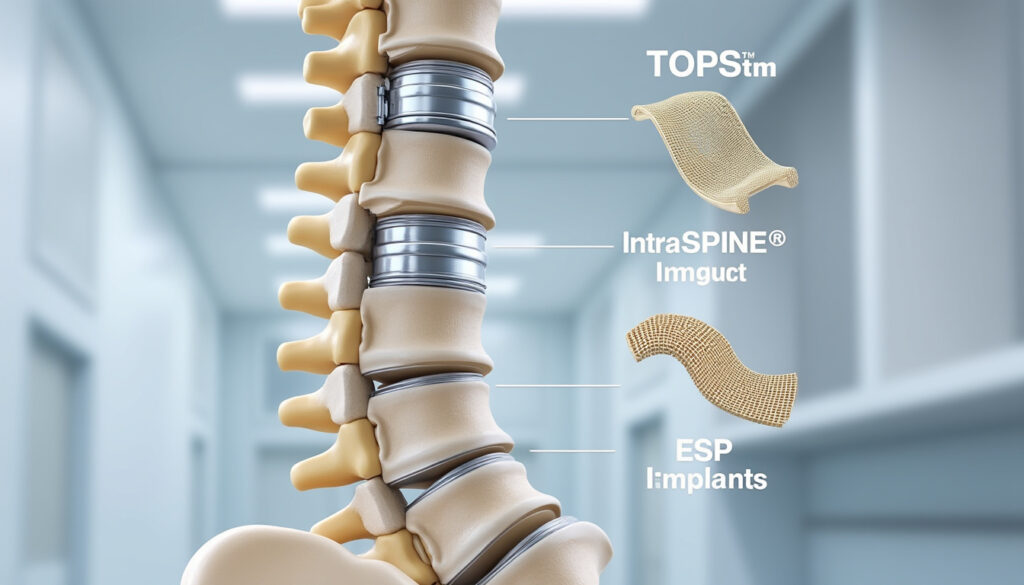
The evolving field of spinal surgery is witnessing a transformative shift, fueled by cutting-edge implant technologies such as TOPS, Intraspine, and ESP. These innovative implants redefine treatment possibilities by emphasizing preservation of natural spinal mechanics, while ensuring durable stabilization and…
Key Educational Programs and Certifications Reinforcing Spine Surgery Expertise
Robust practitioner training and certification are vital to the safe and effective application of complex spinal devices like those offered by Cousin Spine. In 2025, several prestigious programs and diplomas are recognized internationally for advancing spinal surgery skills, including those supported by industry collaborations.
- Diplôme InterUniversitaire (DIU) in Spine Surgery: French inter-university certification emphasizing contemporary spinal techniques.
- Specialized Courses on Spinal Endoscopy: Offered by EUROSPINE at IRCAD Strasbourg, focusing on minimally invasive approaches.
- International Workshops and Training: Host training on latest navigation and robotic assistance systems by companies such as eCential Robotics.
- Continuous Professional Development: Frequent clinician collaborations with Cousin Biotech and fellow industry leaders ensure up-to-date practice.
Such education frameworks underpin the seamless integration of dynamic implants and procedures, assuring patients receive care from highly skilled professionals within centers equipped with technology from major industry names including Zimmer Biomet and Globus Medical.
| Certification or Course | Focus Area | Outcome |
|---|---|---|
| DIU Chirurgie du Rachis | Advanced spinal surgery techniques | Expertise in complex spine interventions and implant use |
| EUROSPINE Endoscopic Course | Minimally invasive spinal endoscopy | Skill in modern, lower-risk surgical approaches |
| Robotic-Assisted Surgery Workshops | Navigation and robotic systems training | Proficiency in state-of-the-art surgical technology |
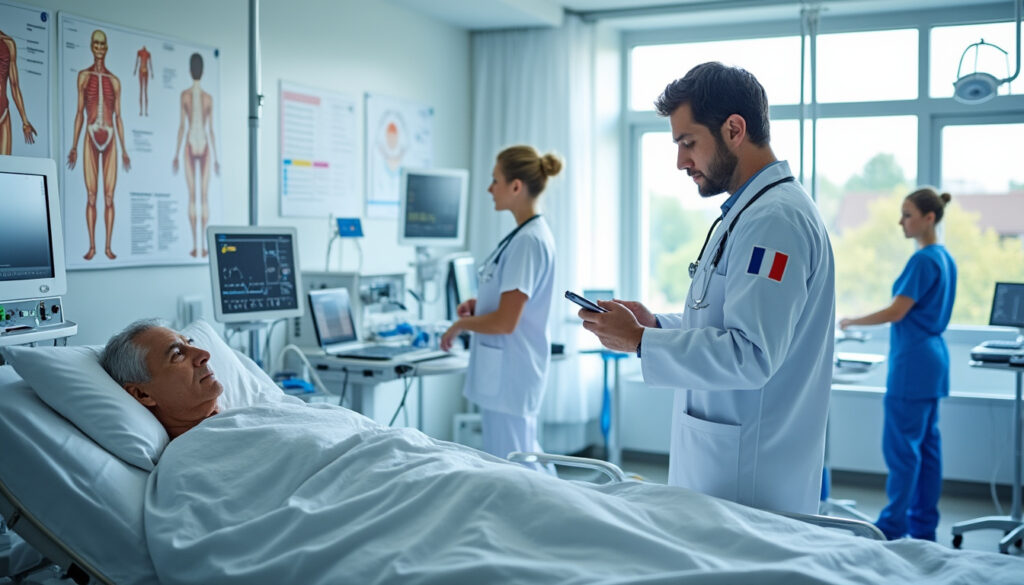
Preparing for Surgery in France: Key Indications, Benefits, and Limitations
In an evolving global healthcare landscape, France emerges as a beacon of advanced surgical expertise, particularly attracting international patients seeking expedited and innovative medical interventions. Patients from regions experiencing long wait times, such as Quebec, increasingly view France as an…
Exploring Patient Experiences and Outcomes: Real-World Applications of Cousin Spine and Franchir Partnership
The clinical and logistical innovations of Cousin Spine and Franchir are validated by patient narratives demonstrating improved mobility, pain relief, and smoother recovery trajectories. These stories emphasize the value of preserving spinal motion through dynamic implants versus undergoing rigid fusion. Patients have described rapid return to daily activity and satisfaction with the support networks established by transatlantic care coordination.
- Patient Empowerment: Knowledgeable about implant options and surgical pathways fosters confidence and informed decision-making.
- Minimized Recovery Complications: Access to innovative implants reduces secondary surgeries and complications related to fusion surgeries.
- Enhanced Postoperative Support: Coordinated rehabilitation across continents supports effective recovery and functional restoration.
- Broader Access Beyond Local Limitations: Patients in Quebec benefit from technologies more readily available abroad.
Collectively, these experiences offer a blueprint for integrating technological and organizational innovation in spine care. The comprehensive assessment of surgical needs, coupled with patient-tailored implant selection and streamlined medical journeys, intensifies the therapeutic potential of modern spine surgery.
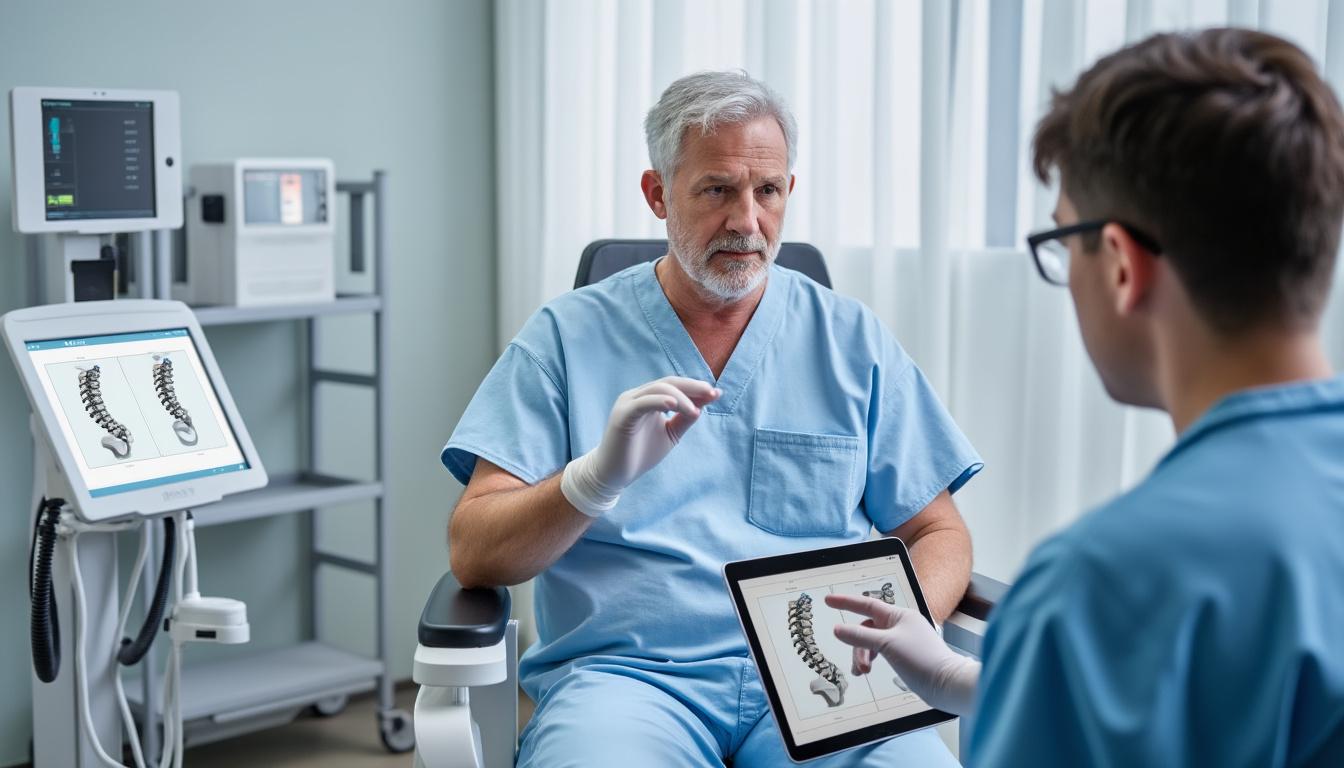
Comparaison des Technologies Cousin Spine et Procédure Franchir

Unveiling the Hidden Benefits of Quality and Certification in Devices
The landscape of device manufacturing and clinical application in 2026 has been fundamentally shaped by the rigorous interplay between quality management and certification processes. Within this complex framework, the hidden benefits of adhering to international standards and obtaining relevant certifications…
Regulatory and Quality Assurance in Dynamic Spine Implant Manufacturing
Ensuring patient safety and implant reliability in the development of advanced spinal devices is paramount. Cousin Spine adheres strictly to European CE marking requirements and is progressively achieving certification under the stringent FDA standards. This dual certification guarantees that devices meet high benchmarks for biocompatibility, mechanical endurance, and clinical effectiveness.
Additionally, rigorous quality control mechanisms are embedded throughout manufacturing processes, reinforced by continuous post-market surveillance and clinical feedback loops. This vigilance is critical to maintaining the reputation and trust invested by surgeons and patients alike.
- Compliance with International Medical Device Directives: CE and FDA approvals assure adherence to global safety standards.
- High-Quality Material Sourcing and Processing: Selection of durable and biocompatible composite alloys tailored to spinal applications.
- Ongoing Clinical Data Collection: Real-time monitoring of implant performance informs iterative improvements.
- Collaboration with Leading Clinical Experts: Input from experienced surgeons like Erik Boulard guides design evolution.
| Quality Aspect | Standard or Practice | Impact on Patient Outcomes |
|---|---|---|
| Certification | CE Mark, FDA 510(k) Clearance | Ensures device safety and effectiveness for human use |
| Material Integrity | Biocompatible composites and high-strength alloys | Enhances durability and biological integration |
| Manufacturing Controls | ISO 13485 compliance and continuous quality audits | Reduces failure rates and device-related complications |
| Post-Market Surveillance | Clinical outcome tracking and feedback-led improvement | Supports ongoing safety and performance optimization |
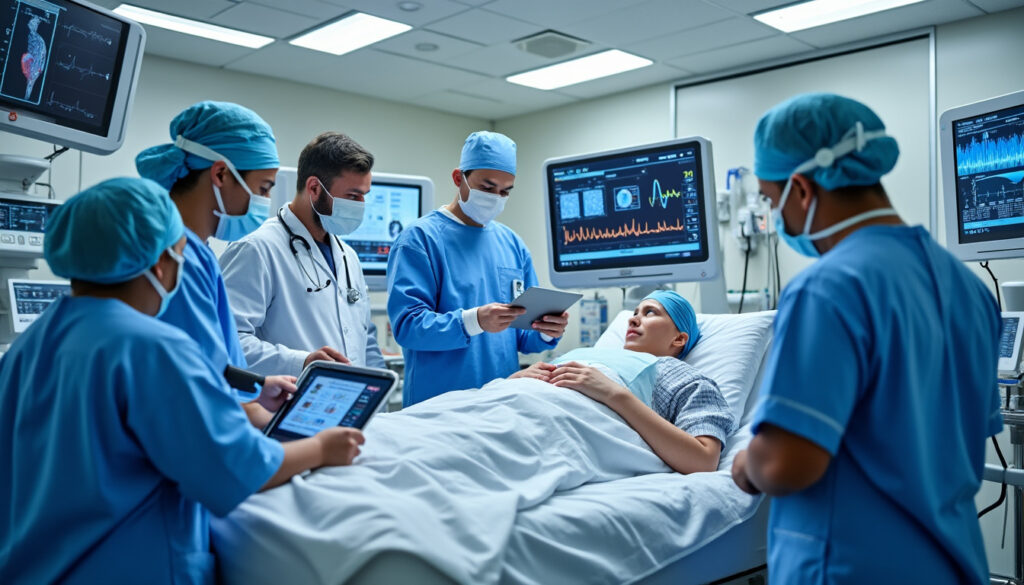
Why Experts Advocate for Comprehensive Preoperative Evaluations
In the complex and demanding field of spinal surgery, the emphasis on comprehensive preoperative evaluations has become a fundamental pillar supporting successful surgical outcomes. These evaluations, far beyond mere routine checks, integrate detailed analyses of patient health, surgical risk assessments,…
Future Directions: Integrating Robotics and Advanced Imaging with Cousin Spine Implants
Technological progress in spine surgery continues with the advent of robotic assistance systems and enhanced 3D imaging platforms, which are increasingly incorporated into implant procedures. Collaborations with companies such as eCential Robotics enable precise navigation, minimizing surgical invasiveness and maximizing implant placement accuracy.
These advancements align seamlessly with Cousin Spine’s dynamic stabilization goals, enabling surgeons to preserve motion segments effectively while reducing operative risks. The adoption of such systems is expected to increase in France and Canada, reflecting trends documented in recent comparative international analyses.
- Robotic Navigation: Improves surgical precision and reduces operative time.
- 3D Imaging and Planning: Facilitates patient-specific implant customization.
- Minimally Invasive Access: Limits trauma and expedites recovery.
- Enhanced Training Modules: Uses virtual reality and simulation for clinician proficiency.
Integrating these innovations promises to elevate the standard of care, enhance patient outcomes, and broaden the applicability of dynamic implants in complex cases. Such developments continue to underscore the importance of interdisciplinary and international cooperation within spinal surgery.
What are the average timeframes for completing a surgical pathway between Canada and France?
Typically, the entire process—from initial evaluation, surgical intervention, to postoperative follow-up—takes approximately three to four months, facilitated by Franchir’s optimized coordination.
Are Cousin Spine implants certified and recognized internationally?
Yes. All Cousin Spine implants have CE marking, and an increasing number have obtained FDA clearance, ensuring safety and clinical performance.
How is postoperative care managed after spine surgery using Cousin Spine implants?
Postoperative management is overseen collaboratively with Neurothérapie Montréal, involving ongoing consultations and tailored rehabilitation, maintaining close communication with the French surgical teams.
What criteria determine eligibility for these advanced spinal surgeries?
Eligibility involves thorough medical dossier review conducted by specialist teams like Dr. Sylvain Desforges’ group at TAGMED, typically after conservative treatments such as physical therapy have been exhausted.
Can these dynamic implants help avoid spinal fusion?
Yes, dynamic implants such as TOPS and Intraspine are designed to preserve motion and reduce the need for traditional fusion, promoting better functional recovery.
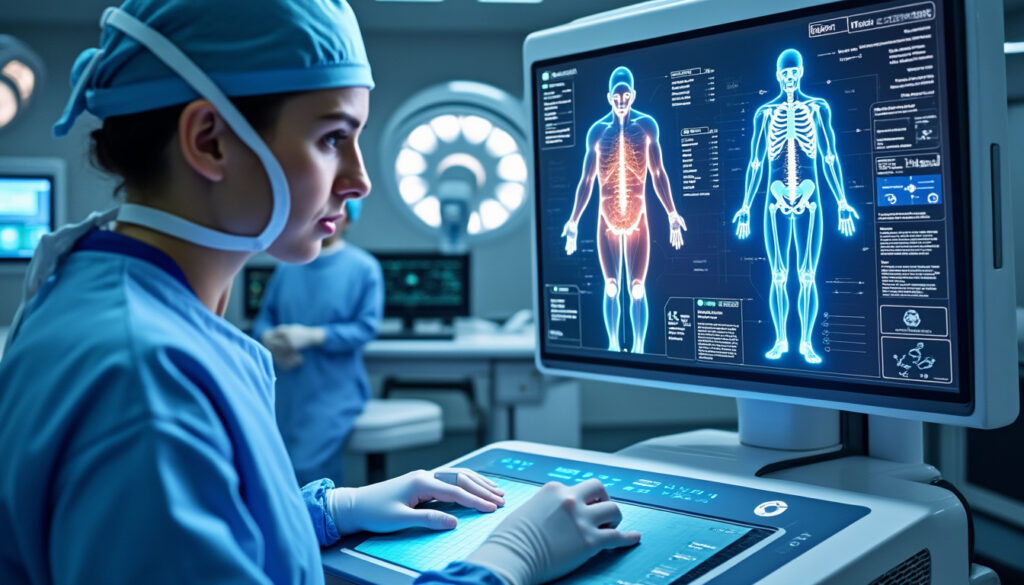
The Future of Surgery Lies in Stepwise Functional Recovery
The evolution of surgical care in 2026 reveals a compelling shift toward approaches that prioritize the holistic recovery of patients, moving beyond traditional metrics like length of hospital stay or mortality rates. This modern paradigm highlights the principle that the…