Treating Herniated Discs in Ahuntsic-Cartierville: Exploring the Benefits of Neurovertebral Decompression Therapy
June 29, 2026
How Comprehensive Preoperative Assessment is Transforming Outcomes for Quebec Patients
June 29, 2026
In the evolving landscape of healthcare, the integration of rehabilitation with returning to work has emerged as a pivotal factor in enhancing clinical outcomes. This synergy not only accelerates patient recovery but also promotes long-term functional improvement and mental well-being. Throughout various medical disciplines, notably spinal surgery and musculoskeletal rehabilitation, evidence increasingly underscores that a structured return-to-work program, combined with comprehensive rehabilitation, fosters superior clinical results compared to isolated therapeutic approaches.
Patient recovery has traditionally focused on physical therapy and symptom alleviation, yet the influence of workplace integration as part of this continuum is gaining recognition for its holistic benefits. Return-to-work initiatives are no longer merely about economic productivity; they embody disability management practices that contribute actively to restoring an individual’s sense of purpose, self-efficacy, and social interaction. This paradigm shift reflects an understanding that clinical success transcends symptom control to include mental health resilience and sustainable occupational engagement.
Globally, innovative healthcare networks and rehabilitation centers are collaborating across borders, utilizing advanced neuromodulation technologies and personalized occupational health strategies to optimize recovery trajectories. These integrated models involve multidisciplinary teams that assess, rehabilitate, and systematically plan a graduated reintegration into professional roles, ensuring that physical capacity aligns with job demands, thus minimizing relapse or chronic disability. As a result, workplace safety and employee well-being become integral to clinical success, defining a new standard of patient-centered care.
Comprehensive Rehabilitation Protocols: Foundations for Enhanced Clinical Outcomes and Functional Improvement
Effective rehabilitation programs encompass a multitude of therapeutic modalities aimed at facilitating patient recovery and optimizing physical and cognitive function. Central to this approach is personalized physical therapy, which is tailored to the individual’s surgical procedure, injury severity, and occupational requirements. For example, spinal surgery patients benefit from progressive mobilization strategies that restore spinal stability, flexibility, and muscular strength, reducing the risk of complications such as chronic pain or neurological deficits.
Functional improvement is the primary objective, achieved through coordinated interventions that address not only mobility but also pain management and psychological support. Techniques such as repetitive transcranial magnetic stimulation (rTMS) have gained attention for their ability to modulate neuropathic pain post-surgery and enhance mental health outcomes. These methods reduce reliance on systemic pharmacotherapy, lowering adverse effects and fostering patient adherence to rehabilitation plans.
Incorporating occupational health principles, rehabilitation specialists evaluate patients’ work tasks and environments early in the recovery process. This assessment informs the development of targeted interventions that prepare the patient for workplace reintegration, focusing on endurance, posture correction, and ergonomics. Studies have demonstrated that when physical therapy programs include these occupational considerations, the incidence of prolonged disability and work absenteeism decreases significantly.
Moreover, the introduction of assistive technologies and neuromodulation devices such as BrainPort and PoNS expedites neural plasticity and functional recovery. These innovations complement traditional therapies by stimulating alternative neural pathways, particularly in cases of complex spinal procedures or injury. Tailored application of such technologies exemplifies the integration of rehabilitation modalities that holistically enhance clinical outcomes beyond mere physical repair.
Understanding Sciatic Pain: Key Symptoms and When to Seek Medical Advice
Sciatic pain is a prevalent condition impacting a wide demographic, manifesting primarily as intense pain radiating from the lower back down the leg. This pain stems from irritation or compression of the sciatic nerve, a major nerve extending through the…
Returning to Work as a Clinical Outcome: Psychological and Social Dimensions
Returning to work (RTW) is increasingly recognized as a critical indicator of successful clinical outcomes, especially within rehabilitation frameworks for musculoskeletal and neurological conditions. The act of re-engaging in professional activities transcends the physical domain, encompassing vital psychological and social dimensions that contribute substantially to patient recovery.
Patients often encounter psychological challenges during the convalescence phase, including anxiety, depression, and fear of re-injury. Addressing these through integrated mental health support alongside physical rehabilitation fosters resilience and self-efficacy, essential for a gradual return to occupational roles. Work environments that implement disability management frameworks and provide ergonomic adaptations further ease this transition, mitigating stress and preventing chronic work-related disabilities.
Social reintegration occasioned by returning to work re-establishes a sense of identity and normalcy, which positively influences mental health and subjective well-being. Employment promotes structure in daily routines, enhances social connectedness, and reinforces self-worth, which are often compromised during prolonged disability. Clinical programs that emphasize workplace integration consequently demonstrate reduced relapse rates and improved long-term functional outcomes.
A growing body of research highlights the importance of early and coordinated RTW efforts involving collaboration among healthcare providers, employers, and occupational therapists. Such coordination ensures that rehabilitation plans align with job demands and facilitate the implementation of gradual work reintegration programs. The benefits of this approach are reflected in sustained employment, improved productivity, and higher quality of life metrics among recovering patients.

Factors Predicting Successful Return to Work Post Rehabilitation
Multiple factors influence the likelihood of patients successfully returning to work following rehabilitation. Physical readiness, measured by functional capacity and pain control, remains foundational. However, psychosocial variables such as return-to-work self-efficacy and workplace social support have demonstrated significant predictive value.
Self-efficacy, or the belief in one’s ability to perform work tasks despite health limitations, is a modifiable target through rehabilitation programs that incorporate cognitive-behavioral therapies and graded exposure to job-like activities. Enhanced self-efficacy correlates with improved clinical outcomes and reduced work absenteeism.
Furthermore, workplace accommodations and supportive employer attitudes are instrumental in facilitating return to work. Job modification, flexible scheduling, and phased reintegration reduce the risk of relapse and foster a sustainable occupational presence. Evidence from systematic reviews suggests that programs combining inpatient rehabilitation with workplace interventions yield superior return-to-work rates, emphasizing the need for integrated disability management strategies.
Additionally, patient education and continuous communication among care teams and employers help align expectations, promptly address concerns, and adapt rehabilitation objectives, reinforcing a successful transition back into the workforce.

The Stepwise Role of Functional Recovery in Achieving Successful Outcomes
The journey to full recovery following spinal surgery is often complex and multifaceted, demanding a meticulously structured approach to ensure optimal functional outcomes. In recent years, the concept of functional recovery through a stepwise approach has garnered significant attention in…
Innovations in Postoperative Pain Management and Rehabilitation for Sustainable Workforce Reintegration
Contemporary advancements in postoperative pain management have revolutionized rehabilitation programs, crucially impacting the quality of patient recovery and return to work. Among these, neuromodulation techniques, notably repetitive transcranial magnetic stimulation (rTMS), offer non-invasive solutions to chronic postoperative pain syndromes commonly inhibiting functional improvement.
Chronic pain following spinal surgery or traumatic injury presents a formidable barrier to rehabilitation success and occupational re-engagement. The integration of rTMS therapy modulates cortical excitability to alleviate neuropathic pain and improve mood disorders. This therapeutic innovation reduces reliance on opioids and other systemic pain medications, promoting more robust patient participation in physical therapy and workplace reintegration programs.
Alongside rTMS, emerging devices such as BrainPort and PoNS stimulate alternative neural pathways to foster neuromotor plasticity, enhancing recovery from functional deficits. These technologies are integrated into multidisciplinary rehabilitation plans, adapting intensity and application based on patient progress and specific clinical contexts.
Effective pain management combined with targeted rehabilitation fosters a virtuous cycle: reduced pain leads to greater physical activity and mental health improvement, which in turn facilitates sustainable RTW and diminishes disability duration. Continuous monitoring and individualized adjustments of these interventions are vital to optimize outcomes.

Transatlantic Patient Journey: Insights into Indications, Benefits, and Challenges
The emergence of the Transatlantic Patient Journey as a strategic model within healthcare continues to capture attention for its innovative potential, especially in specialized fields such as spinal surgery. This cross-border care pathway integrates rigorous medical evaluation from Quebec with…
Collaborative Care Models: Transatlantic Coordination to Optimize Patient Recovery and Workplace Reintegration
The complexity of spinal surgery rehabilitation often requires cross-border coordination to ensure continuity and quality of care. Transatlantic collaboration between specialized centers in France and Canada represents an exemplary model where expertise, technology, and patient-centered strategies coalesce to enhance clinical outcomes and support patient return-to-work trajectories.
Coordination efforts include detailed preoperative evaluation, perioperative planning, and comprehensive postoperative follow-up. Through digital health platforms and collaborative networks, clinicians ensure that rehabilitation is personalized and responsive to ongoing patient needs. This model incorporates regular functional assessments, pain management adjustments, and psychosocial support, creating a scaffolded recovery pathway.
Logistical support from agencies like SOS Tourisme Médical and Franchir streamlines patient navigation through medical appointments, documentation, travel, and workplace accommodations. This integrated navigation is essential to minimize treatment interruptions and promote seamless reintegration into occupational roles.
Such transatlantic partnerships demonstrate a commitment to bridging healthcare systems with a shared objective: optimizing patient recovery while promoting effective disability management and workplace integration. This holistic approach has shown promising improvements in clinical outcomes, patient satisfaction, and sustainable employment rates.
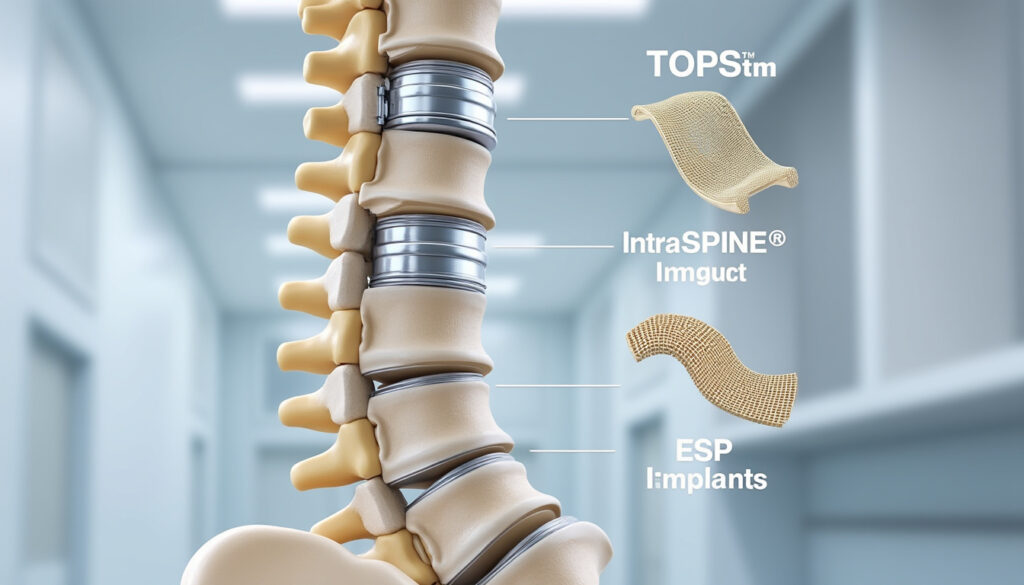
The evolving field of spinal surgery is witnessing a transformative shift, fueled by cutting-edge implant technologies such as TOPS, Intraspine, and ESP. These innovative implants redefine treatment possibilities by emphasizing preservation of natural spinal mechanics, while ensuring durable stabilization and…
Workplace Integration Strategies: Ergonomics, Occupational Therapy, and Disability Management
Workplace integration forms a cornerstone of rehabilitation that directly impacts clinical outcomes and patient recovery. Incorporating ergonomics and occupational therapy into rehabilitation plans addresses the specific physical and cognitive demands of individual jobs, facilitating safer and more effective return-to-work processes.
Assessment of workplace hazards and individual functional capacity enables the design of customized modifications, including ergonomic workstation adjustments, adaptive equipment, and task rotation. These modifications reduce strain and minimize the risk of secondary injuries, thereby supporting longevity in employment.
Occupational therapists play a vital role by providing workplace assessments, educating patients on self-management strategies, and coordinating with employers to implement accommodations. Their interventions enhance functional independence and encourage gradual workload increases while preventing relapse.
Disability management programs integrated with rehabilitation services enable employees to transition back to work progressively, with clear communication channels between healthcare providers and employers. This strategy improves adherence to therapeutic regimens, reduces absenteeism, and preserves the mental and physical health of the workforce.
| Workplace Integration Component | Role in Rehabilitation | Impact on Clinical Outcomes |
|---|---|---|
| Ergonomics Assessment | Identifies workplace hazards and adapts tasks | Reduces injury risk and supports functional capacity |
| Occupational Therapy | Educates and trains patients for job demands | Enhances independence and reduces disability duration |
| Disability Management Programs | Facilitates communication among stakeholders | Improves return-to-work rates and employee well-being |
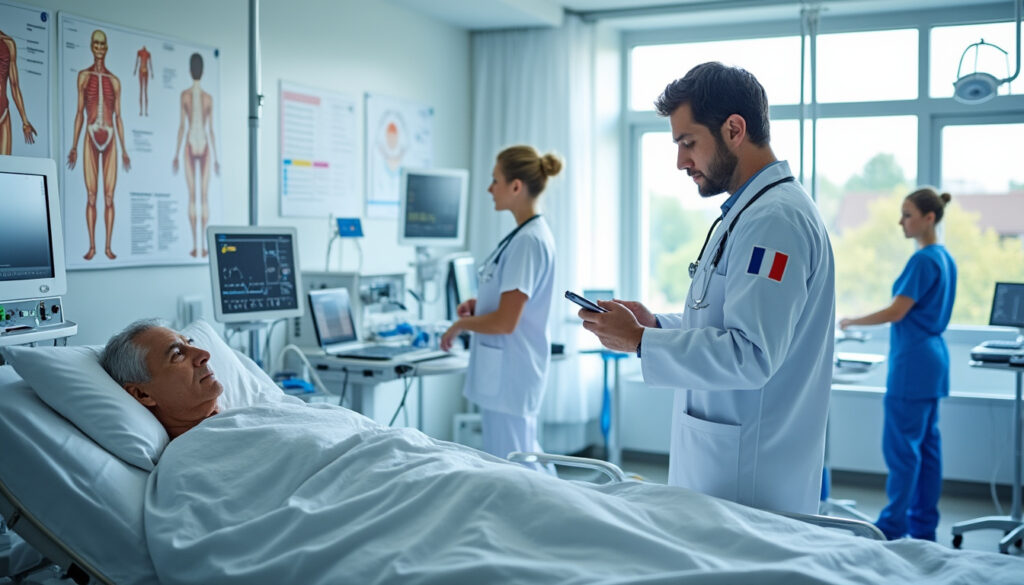
Preparing for Surgery in France: Key Indications, Benefits, and Limitations
In an evolving global healthcare landscape, France emerges as a beacon of advanced surgical expertise, particularly attracting international patients seeking expedited and innovative medical interventions. Patients from regions experiencing long wait times, such as Quebec, increasingly view France as an…
Physical Therapy and Mental Health: Synergistic Roles in Clinical Recovery
Physical therapy remains a foundational pillar in rehabilitation, supporting the restoration of strength, flexibility, and endurance. However, its interaction with mental health interventions deeply influences clinical outcomes, particularly in complex cases like spinal surgery recovery.
Chronic pain and prolonged disability can precipitate mood disorders that undermine patient motivation and compliance with rehabilitation protocols. Tailoring physical therapy to include psychological support and cognitive-behavioral elements enhances patient engagement and adherence, leading to improved function and quality of life.
For instance, graded activity programs combined with stress management stimulate both physiological and psychological resilience. These interventions address fear-avoidance behaviors, common in patients hesitant to resume work due to pain-related anxieties. A comprehensive approach to mental health within physical therapy enhances return-to-work confidence and mitigates chronic disability risks.
Emerging studies emphasize the necessity of screening for mental health conditions early during rehabilitation and offering integrated care pathways that include counseling, peer support, and pharmacotherapy when appropriate. This dual focus on body and mind optimizes patient recovery trajectories and clinical outcomes.
How Rehabilitation and Returning to Work Enhance Clinical Outcomes
Explore the key phases of rehabilitation and their clinical benefits interactively.
Acute Recovery
The initial stage focuses on stabilizing the patient, managing medical conditions, and initiating early mobilization to promote healing.
- Reduces complications and secondary injuries
- Optimizes physical healing environment
- Improves subsequent rehabilitation potential

Unveiling the Hidden Benefits of Quality and Certification in Devices
The landscape of device manufacturing and clinical application in 2026 has been fundamentally shaped by the rigorous interplay between quality management and certification processes. Within this complex framework, the hidden benefits of adhering to international standards and obtaining relevant certifications…
Tailored Rehabilitation and Return-to-Work Plans: Case Studies and Best Practices
Tailoring rehabilitation and return-to-work plans to patient-specific factors yields the best clinical outcomes. Consider a patient recovering from lumbar fusion: an extended immobilization period necessitates gradual reintroduction of mobility and strength exercises over months. Concurrently, implementing workplace ergonomics and phased return ensures that physical limitations do not precipitate relapse.
Case studies from spinal rehabilitation centers demonstrate that individualized plans incorporating neuromodulation, occupational therapy, and psychosocial support enhance function and reduce chronic pain prevalence. For instance, patients undergoing rTMS combined with occupational therapy report better work endurance and lower anxiety compared to traditional rehabilitative care.
Best practices stress interdisciplinary coordination involving surgeons, physiotherapists, occupational health specialists, and mental health professionals. This collaborative framework ensures comprehensive care from surgery to full workforce reintegration, addressing complex biopsychosocial needs.
Furthermore, digital health platforms enable continuous monitoring and dynamic adjustment of rehabilitation goals, facilitating timely interventions. This proactive management aligns with current research advocating for personalized and flexible rehabilitation pathways to optimize both clinical outcomes and successful return to work.
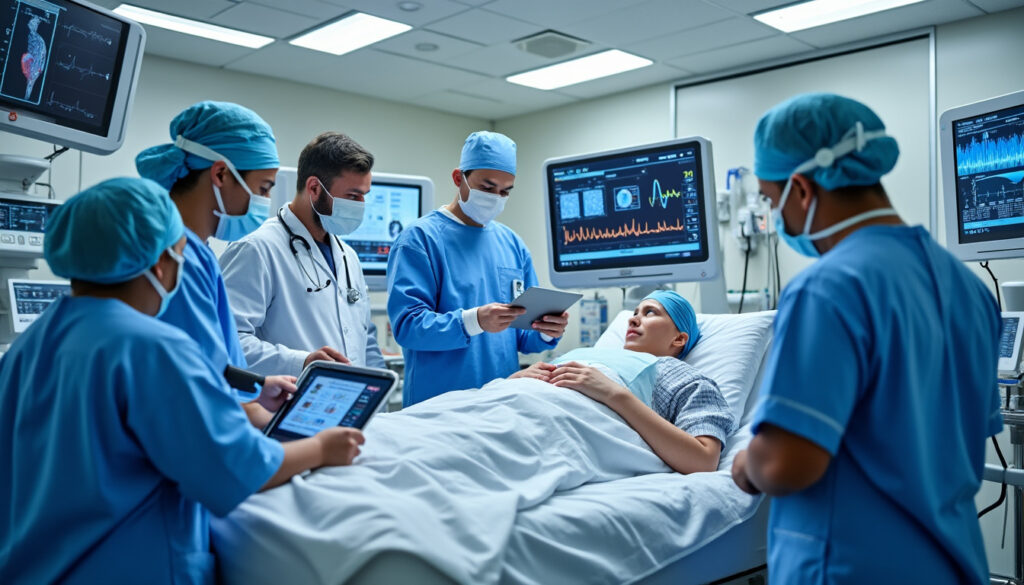
Why Experts Advocate for Comprehensive Preoperative Evaluations
In the complex and demanding field of spinal surgery, the emphasis on comprehensive preoperative evaluations has become a fundamental pillar supporting successful surgical outcomes. These evaluations, far beyond mere routine checks, integrate detailed analyses of patient health, surgical risk assessments,…
Challenges and Future Directions in Rehabilitation and Workforce Reintegration
Despite progress, challenges persist in optimizing rehabilitation and return-to-work outcomes. Variability in patient motivation, workplace cultures, and healthcare accessibility impact the consistency of successful reintegration. Additionally, disparities in rehabilitation resource allocation pose barriers, particularly in rural or underserved populations.
Research continues to identify factors associated with improved return-to-work outcomes, including the role of social support networks and workplace policies. Technological advancements in robotics and 3D imaging provide promising tools to enhance surgical precision and rehabilitation efficacy, but equitable access remains a concern.
Future efforts must focus on standardizing rehabilitation outcome measures, fostering multidisciplinary training, and expanding telehealth solutions to overcome logistical hurdles. Integrating patient-reported outcomes and long-term follow-up into clinical practice will further refine treatment protocols and support sustainable workforce participation.
Stakeholders in healthcare, occupational health, and policy domains must collaborate to promote inclusive rehabilitation models that prioritize functional recovery, mental health, and meaningful employment. By doing so, clinical outcomes will not only improve statistically but also transform the lived experience of patients navigating recovery and returning to work.
For patients seeking in-depth resources and success stories in lumbar disc rehabilitation, exploring expert insights into post-injury recovery strategies can be highly beneficial, as detailed in lumbar disc injury rehabilitation success stories. Additionally, examining the future of surgery rehabilitation alongside returning to work highlights the evolving synergy between clinical care and occupational reintegration through innovative methods, discussed further in the future of surgery rehabilitation and return to work.

What are the primary benefits of combining rehabilitation with returning to work?
Integrating rehabilitation with return-to-work programs accelerates functional improvement, reduces chronic disability risks, supports mental health, and results in more sustainable clinical outcomes.
How does repetitive transcranial magnetic stimulation (rTMS) aid patient recovery?
rTMS helps manage chronic neuropathic pain after surgery, improves mood, and enhances cognitive function, thereby facilitating greater participation in rehabilitation and return-to-work processes.
Why is workplace integration essential for clinical recovery?
Workplace integration addresses the physical and psychological demands of returning to work, reducing re-injury risk, and fostering sustained employment and improved quality of life.
How do multidisciplinary teams contribute to better clinical outcomes?
Multidisciplinary teams provide coordinated care across physical therapy, occupational health, mental health, and surgical follow-up, ensuring personalized rehabilitation plans that optimize patient recovery and work reintegration.
What advice is crucial for patients aiming for a successful return to work?
Patients should adhere to individualized rehabilitation schedules, communicate openly with healthcare providers and employers, engage in gradual reintegration, and utilize available psychological and technological supports to manage pain and motivation.
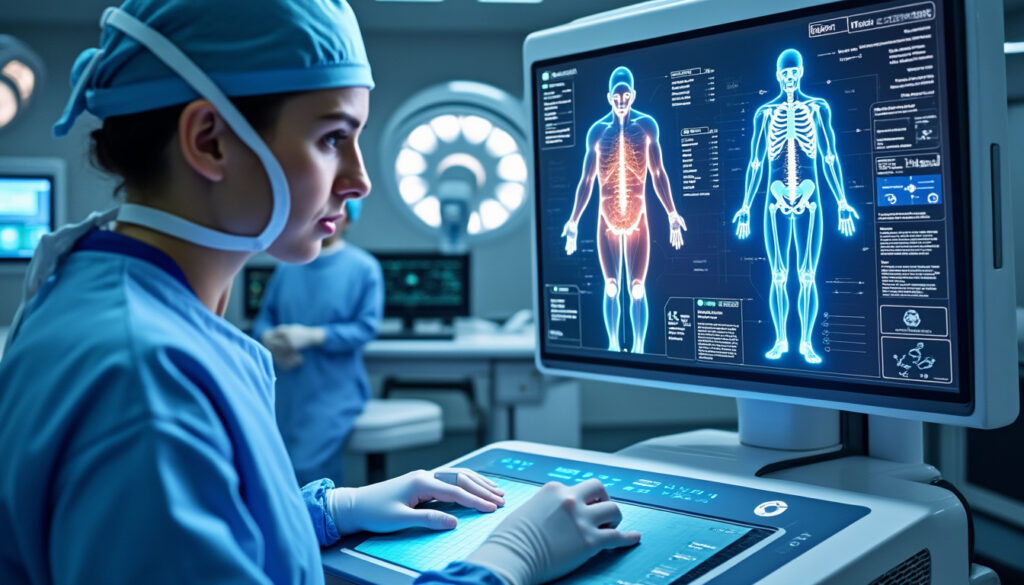
The Future of Surgery Lies in Stepwise Functional Recovery
The evolution of surgical care in 2026 reveals a compelling shift toward approaches that prioritize the holistic recovery of patients, moving beyond traditional metrics like length of hospital stay or mortality rates. This modern paradigm highlights the principle that the…