Comprehensive Guide to Cutting-Edge Implants: Exploring TOPS™, Intraspine®, and ESP Technologies
July 9, 2026
TOPS™ in Gatineau: Alleviating Pain and Enhancing Lower Back Function
July 10, 2026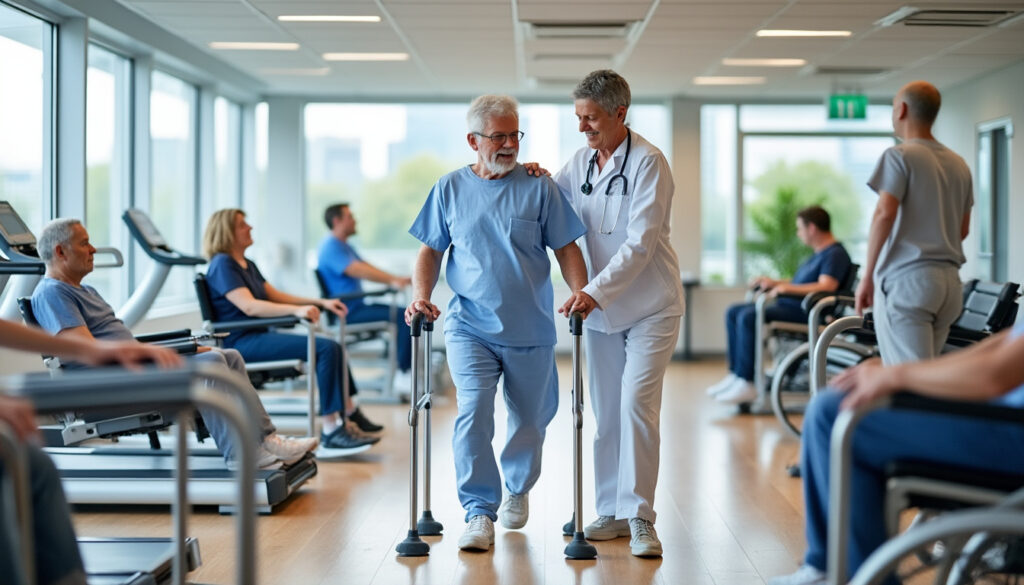
In the evolving landscape of healthcare, Quebec’s approach to patient rehabilitation following spinal surgery is witnessing a remarkable transformation. Stepwise functional recovery, a structured and individualized methodology, is rapidly emerging as a cornerstone in improving patient outcomes across the province. This approach integrates cutting-edge medical innovation with a deep understanding of the body’s natural healing processes, fostering a rehabilitation process that is both progressive and adaptive. The collaboration between Canadian and French experts has been pivotal in refining this model, enabling it to address the unique challenges faced by Quebec patients undergoing spinal procedures in France and returning home for recovery.
Traditional rehabilitation protocols often lacked precision and flexibility, leading to varied recovery success rates and prolonged hospital stays. Today, stepwise functional recovery emphasizes a phased progression that carefully balances protection of vulnerable spinal structures with gradual restoration of mobility and function. By aligning treatment to each patient’s evolving needs and leveraging advanced neuromodulation techniques, this model not only accelerates physical rehabilitation but also enhances psychological resilience. As healthcare systems worldwide grapple with optimizing resource allocation and patient experience, Quebec’s integrated framework represents a powerful example of healthcare improvement in practice.
Moreover, patient care in Quebec is benefiting from a coordinated approach involving specialists in spinal surgery, rehabilitation experts, and innovative clinical centers like Neurothérapie Montréal. This integrated network tracks patient progress meticulously, adjusting protocols in real time based on neurofunctional assessments and therapeutic responses. By doing so, it addresses common post-treatment challenges such as neuropathic pain, mobility limitations, and mental health concerns, mitigating complications that previously hindered long-term recovery.
Stepwise Recovery: Defining a New Standard in Functional Rehabilitation for Quebec Patients
Stepwise recovery represents a deliberate and methodical model of patient rehabilitation following spinal surgeries, especially for Quebec patients undergoing procedures abroad. This approach respects the biological healing timelines intrinsic to spinal structures while integrating personalized therapeutic interventions.
Each recovery journey is segmented into distinct phases or tiers tailored to the surgery type—be it discectomy, foraminotomy, fusion, or motion-preserving disc replacements. These phases are designed to avoid premature stress on the spinal column, thereby reducing risks such as prolonged pain or insufficient functional restoration. Instead, patients experience an incremental enhancement of mobility, reduction in discomfort, and reinforcement of muscular stability.
Key to the stepwise method is its adaptability; therapies adjust dynamically in response to patient progress monitored through comprehensive neurofunctional evaluations. This real-time feedback loop ensures interventions are neither rushed nor delayed, which is crucial in spinal rehabilitation where both can lead to secondary complications.
For instance, following an arthrodesis fusion, the initial tier might prioritize osseous consolidation with relative immobilization, progressing only upon radiological confirmation and functional milestones. Contrastingly, patients with motion-sparing implants benefit from earlier controlled mobilization. This nuanced differentiation enhances the quality of care and optimizes recovery trajectories.
Extensive studies underscore how such tailored approaches influence patient outcomes positively in Quebec’s healthcare context. As detailed in recent literature, functional independence and sensorimotor recovery have markedly improved when standard rehabilitation is supplemented with stepwise strategies adapted to patient-specific needs (sensorimotor functional outcomes study).

Understanding Sciatic Pain: Key Symptoms and When to Seek Medical Advice
Sciatic pain is a prevalent condition impacting a wide demographic, manifesting primarily as intense pain radiating from the lower back down the leg. This pain stems from irritation or compression of the sciatic nerve, a major nerve extending through the…
Personalized Rehabilitation Process Enhances Patient Outcomes in Quebec Healthcare
Personalization forms the backbone of innovative rehabilitation pathways implemented in Quebec. Recognizing the diversity of patient profiles, from age and lifestyle to surgical complexity and pre-existing conditions, recovery protocols are highly customized.
Neurothérapie Montréal exemplifies this individualized care approach with comprehensive neurofunctional assessments that guide therapy modification. Their multidisciplinary teams integrate advanced neuromodulation modalities such as repetitive transcranial magnetic stimulation (rTMS) to address neuropathic pain and psychological distress, facilitating a more holistic recovery.
This personalized approach contrasts sharply with generic rehabilitation models, which often fail to accommodate the fluctuating recovery rates encountered in spinal surgery patients. By continuously analyzing patient feedback and objective measurements, healthcare professionals can tweak exercise intensity, duration, and supportive interventions, ensuring steady progress without setbacks.
An effective rehabilitation process also involves precise coordination with preoperative care and surgical teams, guaranteeing continuity of care. As patients transition from their surgery in France back to Quebec, seamless communication ensures medical histories, operative details, and progress markers are clearly shared, minimizing treatment gaps.
Such integration reduces hospitalization duration and readmission risk, key markers of healthcare improvement. In fact, Quebec’s framework aligns strongly with international recovery models where personalized, stepwise rehabilitation has become the standard of excellence (heart of the care pathway in stepwise recovery).

The Stepwise Role of Functional Recovery in Achieving Successful Outcomes
The journey to full recovery following spinal surgery is often complex and multifaceted, demanding a meticulously structured approach to ensure optimal functional outcomes. In recent years, the concept of functional recovery through a stepwise approach has garnered significant attention in…
Integrating Neuromodulation: A Medical Innovation Accelerating Post-treatment Progress
Neuromodulation techniques, particularly repetitive transcranial magnetic stimulation (rTMS), are revolutionizing recovery after spinal surgery. These non-invasive methods modify neural circuitry, diminishing chronic neuropathic pain and enhancing motor function.
In Quebec, clinics have pioneered combining stepwise functional recovery with neuromodulation to create comprehensive care packages. Patients undergoing spinal fusion or disc replacement benefit from targeted stimulation protocols that promote neuroplasticity, a vital process for the restoration of lost sensory and motor abilities.
Anecdotal evidence from Neurothérapie Montréal reveals patients receiving rTMS report significantly less post-operative pain and faster return to functional independence compared to traditional physical therapy alone. This dual approach addresses both physical impairments and psychological factors such as anxiety and depression, common hurdles in rehabilitation adherence.
Further innovations include the use of devices like BrainPort and PoNS, which complement rTMS by stimulating alternative sensory pathways. This multisensory neuromodulation enhances neural network reorganization, supporting sustained recovery.
Clinical outcomes supported by peer-reviewed studies confirm the benefits of neuromodulation within the recovery transformation paradigm, marking it as a critical component in progressive spinal rehabilitation in Quebec (frontiers in human neuroscience on neuromodulation).

Transatlantic Patient Journey: Insights into Indications, Benefits, and Challenges
The emergence of the Transatlantic Patient Journey as a strategic model within healthcare continues to capture attention for its innovative potential, especially in specialized fields such as spinal surgery. This cross-border care pathway integrates rigorous medical evaluation from Quebec with…
Stepwise Functional Recovery Protocols Adapted to Specific Spine Surgery Types
Functional recovery tailored to specific surgical techniques is essential for optimizing outcomes. Stepwise protocols in Quebec differentiate rehabilitation milestones based on surgery classification:
- Discectomy and Foraminotomy: Focus on pain reduction and gentle mobilization within the first 1-3 weeks, emphasizing avoidance of spinal twisting and heavy lifting.
- Motion-preserving Disc Prostheses: Early controlled mobilization encouraged, with active but cautious exercise initiated within 1-2 weeks to promote segmental motion and prevent stiffness.
- Arthrodesis (Fusion): Extended protection phase lasting 4-8 weeks to allow bone healing, coupled with progressive deep muscle strengthening to avoid adjacent segment overload.
This precise calibration mitigates complications such as neuropathic pain or post-laminectomy syndrome. The following table illustrates estimated timelines and key objectives guiding each recovery tier:
| Type of Surgery | Initial Recovery Phase (Weeks) | Primary Objective | Major Restrictions |
|---|---|---|---|
| Discectomy / Foraminotomy | 1-3 | Pain control and gradual mobility restoration | Avoid intense effort and spinal rotations |
| Motion-preserving Disc Prosthesis | 1-2 | Maintain controlled segmental movement | Prevent implant destabilization |
| Arthrodesis / Fusion | 4-8 | Osseous healing and targeted muscular reinforcement | Limit mechanical stress; enforce immobilization |
With this framework, patients are empowered to comprehend their rehabilitation journey clearly, fostering compliance and motivation. The approach also facilitates adjustments by care teams based on ongoing assessments, ensuring safety and efficacy.
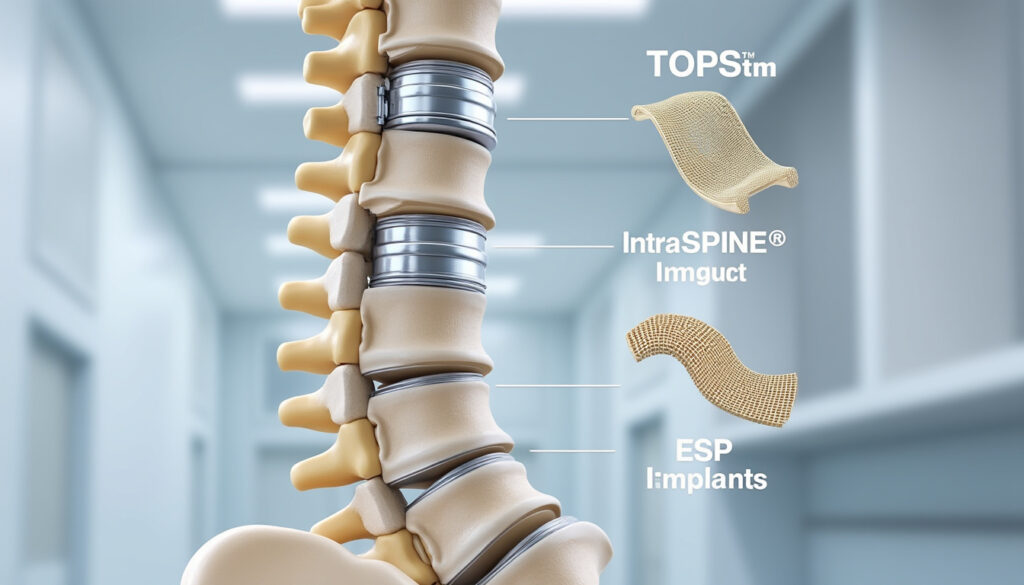
The evolving field of spinal surgery is witnessing a transformative shift, fueled by cutting-edge implant technologies such as TOPS, Intraspine, and ESP. These innovative implants redefine treatment possibilities by emphasizing preservation of natural spinal mechanics, while ensuring durable stabilization and…
Timely Return to Daily and Recreational Activities Under Guided Stepwise Recovery
Stepwise recovery extends beyond hospital walls, encompassing a well-structured calendar for reintegrating daily functions and sports. This timeline respects the biological healing resonant with the patient’s intervention and individual profile.
Walking emerges as the foundational activity, usually permitted immediately after hospital discharge. Short, frequent sessions prioritize neuro-muscular reactivation and reduce risks like venous thrombosis. From here, incremental increases in distance and duration align with patient tolerance.
Return to employment varies widely. Sedentary office workers may resume activities within 4-6 weeks, often necessitating ergonomic adjustments to minimize spinal strain. Manual laborers require extended convalescence, typically 8-12 weeks, to safeguard against undue mechanical load.
Sports participation is phased according to intensity. Light activities such as swimming and cycling often recommence 3-6 months post-surgery. High-impact sports or competitive athletics demand complete functional restoration, frequently occurring beyond 6 months post-intervention.
Such calendars are dynamic, recalibrated through ongoing assessments at Neurothérapie Montréal. This ensures rehabilitation progression aligns with patient-specific recovery pace, underpinning a safer, more effective return to full societal participation.
Preparing for Surgery in France: Key Indications, Benefits, and Limitations
In an evolving global healthcare landscape, France emerges as a beacon of advanced surgical expertise, particularly attracting international patients seeking expedited and innovative medical interventions. Patients from regions experiencing long wait times, such as Quebec, increasingly view France as an…
How Stepwise Recovery Models Prevent Post-operative Complications in Quebec’s Healthcare System
Post-operative complications have historically challenged spinal surgery outcomes. Stepwise functional recovery serves as a strategic defense against such adversities by emphasizing gradual loading and holistic patient management.
Neuropathic pain, a frequent obstacle, is proactively targeted through combination therapies including neuromodulation, precise pharmacological intervention, and adaptive physical therapy. Early identification and intervention reduce chronic pain development.
Syndrome post-laminectomie, a complex condition characterized by persistent pain post-surgery, is addressed with tailored rehabilitation protocols that balance protective rest with carefully monitored activity resumption. The multi-disciplinary team regularly reassesses patients to optimize therapeutic strategies.
Psychological well-being, often overshadowed in surgical recovery, is brought to the forefront through integrated mental health support. Emotional resilience plays a pivotal role in sustaining patients’ engagement with the recovery process, directly influencing medical outcomes.
Quebec healthcare’s embrace of these comprehensive protections exemplifies commitment to maximizing functional recovery and reducing readmission rates, contributing to the overall systemic improvement.

Unveiling the Hidden Benefits of Quality and Certification in Devices
The landscape of device manufacturing and clinical application in 2026 has been fundamentally shaped by the rigorous interplay between quality management and certification processes. Within this complex framework, the hidden benefits of adhering to international standards and obtaining relevant certifications…
Real-world Success Stories: Stepwise Functional Recovery in Action for Quebec Patients
Illustrative patient cases demonstrate how stepwise recovery transforms lives. Antoine, a 42-year-old office worker who underwent a cervical disc prosthesis implantation, followed a meticulously planned recovery pathway that included early mobilization and adjunctive rTMS therapy. Within six months, he returned to competitive ice hockey with notable pain relief and restored performance.
Meanwhile, Claire, age 58, experienced a more complex scenario involving a laminectomy with fusion. Suffering post-laminectomy syndrome, she benefited from a customized protocol including neuromodulation that significantly diminished neuropathic pain. Her recovery enabled resumption of gardening and regular nature walks, activities crucial to her quality of life.
These cases underscore the importance of multidisciplinary coordination spanning preoperative preparation in France to in-depth rehabilitation in Quebec, facilitated by services like SOS Tourisme Médical and Neurothérapie Montréal. Such integration ensures patients are fully supported throughout their recovery transformation.
Why Experts Advocate for Comprehensive Preoperative Evaluations
In the complex and demanding field of spinal surgery, the emphasis on comprehensive preoperative evaluations has become a fundamental pillar supporting successful surgical outcomes. These evaluations, far beyond mere routine checks, integrate detailed analyses of patient health, surgical risk assessments,…
Future Directions: Expanding the Stepwise Recovery Paradigm Across Quebec Healthcare
Looking ahead, research and clinical innovation continue to propel stepwise functional recovery forward. Advancements in robotic-assisted surgical techniques and 3D imaging are expected to complement rehabilitation protocols, allowing even more precise interventions and recovery monitoring (spinal surgery innovation with robotic navigation).
Education initiatives such as the Diplôme Inter-Universitaire de Chirurgie du Rachis in France influence Quebec neurosurgeons and rehab specialists, promoting exchange of best practices. Continued collaboration with international centers aims to refine recovery timelines and neuromodulation applications, integrating the latest evidence to boost patient care quality.
Efforts to broaden accessibility of personalized stepwise rehabilitation, potentially through telemedicine and remote monitoring, are gaining momentum. This ensures rural or underserved regions within Quebec can benefit from healthcare improvement measures initially pioneered in urban centers.
The stepwise recovery model thus embodies a living, evolving framework, central to transforming patient outcomes and setting new standards in spinal rehabilitation worldwide.
How Stepwise Functional Recovery Is Transforming Outcomes for Quebec Patients
Explore the four key phases of Stepwise Functional Recovery:
Select a phase to learn more
Click or navigate through the phases on the left to discover how each step contributes to enhanced recovery outcomes.
Estimated Functional Improvement Over Time
Line chart presenting the functional recovery improvement percentages over weeks, differentiated by recovery phase.
What is stepwise functional recovery?
Stepwise functional recovery is a progressive and personalized rehabilitation strategy tailored to the natural healing phases after spinal surgery, aiming to optimize healing and limit complications.
How is the rehabilitation timeline structured?
The recovery timeline varies by surgery type and patient progress, including early walking, return to sedentary work within weeks, and gradual resumption of sports after several months.
What role does neuromodulation play in recovery?
Neuromodulation, including rTMS, helps alleviate chronic pain, enhances sensorimotor function recovery, and supports mental well-being post-surgery.
Does Neurothérapie Montréal support patients operated on in France?
Yes, Neurothérapie Montréal offers personalized follow-up, neurofunctional assessments, and innovative therapies to assist patients in Quebec throughout their recovery.
Can patients plan their convalescence proactively?
Certainly, services like SOS Tourisme Médical assist Quebec patients with surgical planning in France and managing their post-operative recovery processes.
The Future of Surgery Lies in Stepwise Functional Recovery
The evolution of surgical care in 2026 reveals a compelling shift toward approaches that prioritize the holistic recovery of patients, moving beyond traditional metrics like length of hospital stay or mortality rates. This modern paradigm highlights the principle that the…