How Streamlining Imaging Exam Coordination Enhances Clinical Outcomes
November 22, 2025
Minimally Invasive Surgery in Longueuil: Modern Techniques for the Spine
November 22, 2025
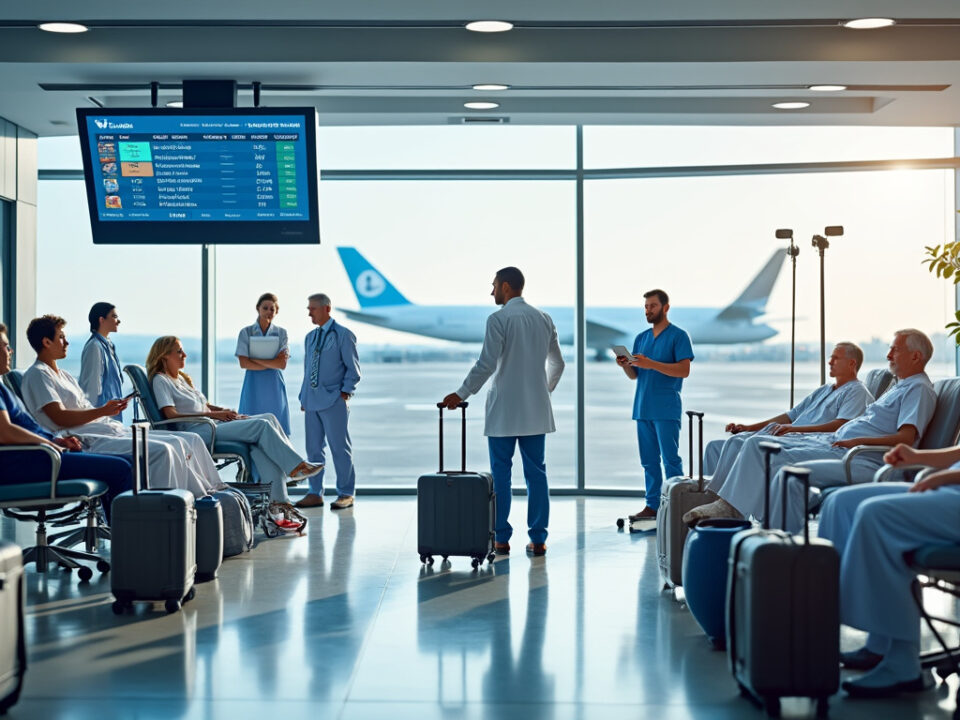
In the intricate world of international healthcare, medical logistics and accommodation management form the backbone of efficient patient care delivery. When patients from Canada, particularly those seeking specialized spinal surgeries in France, embark on their treatment journeys, a seamless integration of medical supply chain dynamics and patient relocation services proves vital. This synthesis not only guarantees the timely availability of cutting-edge implants such as TOPS and Intraspine but also ensures optimal patient comfort through well-organized hospital accommodation and healthcare transportation services. As global healthcare landscapes evolve toward personalized and accelerated care pathways in 2025, the precision in managing medical inventory and healthcare facility planning emerges as a decisive factor in transforming patient outcomes and experiences. The concerted efforts of dedicated medical logistics experts and coordinators, supported by advanced technology and rigorous quality assurance protocols, encapsulate the future of international healthcare coordination.
Efficient medical logistics bridge the gap between innovation and patient access, effectively reducing waiting times by maintaining robust inventory and transport systems for surgical materials. Meanwhile, accommodation management tailors the hospital stay and convalescence environment tailored to patient needs, addressing both medical and psychological recovery parameters. This guide navigates the complexities encountered in managing transcontinental surgical journeys, spotlighting the key challenges and innovative solutions that healthcare providers and logistics teams deploy to balance clinical excellence with operational efficiency. With growing demand for medical tourism and intercontinental treatment, understanding the nuances of healthcare coordination—spanning supply chain, patient logistics, and facility management—is critical for stakeholders aiming to optimize care worldwide.
Essential Foundations of Medical Logistics and Hospital Accommodation Management for International Surgical Care
The journey for a patient considering specialized spinal surgery in a foreign country hinges on an impeccable orchestration of medical logistics and accommodation management. At the core of this coordination lies an extensive process that integrates medical inventory management with patient relocation and hospital accommodation. Each facet serves the overarching goal of a smooth, secure, and effective treatment pathway.
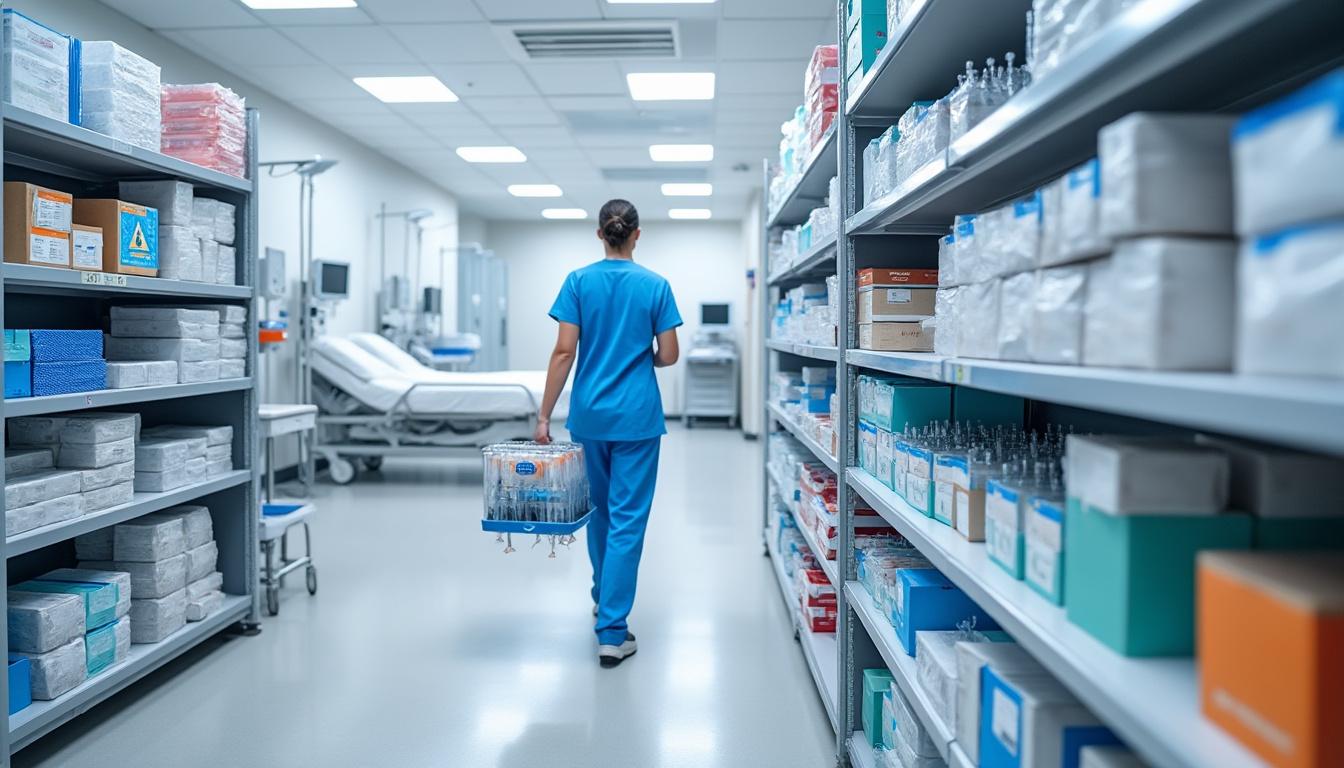
Medical inventory management employs high-tech tools such as RFID technology to monitor and track surgical implants and consumables in real time. This approach minimizes risks of stockouts and errors, thereby ensuring that only certified and approved devices compliant with CE and FDA standards are available during surgery. The immediate benefit to the patient includes improved safety profiles and reduced procedural delays.
Complementing supply management is the meticulous planning of healthcare facility resources. Advanced operating rooms equipped with 3D navigation and robotic-assisted surgery platforms enhance surgical precision and patient safety. Incorporating these technologies into healthcare facility planning elevates the quality of medical care and contributes to accelerated recovery timelines.
Accommodation management extends beyond simply housing patients. Specialized healthcare-focused lodging facilities near hospitals provide environments conducive to recuperation, offering not only physical comfort but also medical monitoring tailored to postoperative needs. Efficient healthcare transportation services integrate transfers from the airport to hospital and accommodation, reducing patient fatigue and logistical complexities, thereby enabling stress-free transitions.
- RFID-enabled medical inventory: Real-time tracking of implants and medical devices
- High-tech surgical suites: Equipped with 3D and robotic assistance for superior surgical outcomes
- Specialized convalescence accommodation: Proximity and tailored amenities for swift recovery
- Seamless healthcare transportation: Coordinated patient and medical material transfers
- Integrated healthcare coordination: Streamlined communication among clinical and logistic teams
| Component | Description | Patient Benefit |
|---|---|---|
| Medical inventory management | Use of RFID and certified implants ensuring real-time traceability | Guaranteed implant availability and minimized procedural risks |
| Healthcare facility planning | Allocation of advanced surgery suites equipped with 3D navigation and robotic tools | Enhanced surgical accuracy and improved outcomes |
| Hospital accommodation management | Specialized lodging close to surgical centers for recovery comfort | Reduced stress and improved convalescence environment |
| Healthcare transportation | Coordination of patient and medical supply transfers to minimize fatigue | Smooth transitions and reduced travel-related stress |
| Integrated coordination systems | Centralized communication platforms linking surgical, logistics, and accommodation teams | Streamlined processes and reduction of errors and delays |
This solid foundation underscores the importance of an interconnected approach to medical supply chain and patient logistics. Further reading on these critical elements reveals their impact on the overall success of international care programs such as those expertly managed by specialized medical logistics teams.

Understanding Sciatic Pain: Key Symptoms and When to Seek Medical Advice
Sciatic pain is a prevalent condition impacting a wide demographic, manifesting primarily as intense pain radiating from the lower back down the leg. This pain stems from irritation or compression of the sciatic nerve, a major nerve extending through the…
Advanced Surgical Implants and Techniques Preserving Spinal Mobility through Innovative Medical Logistics
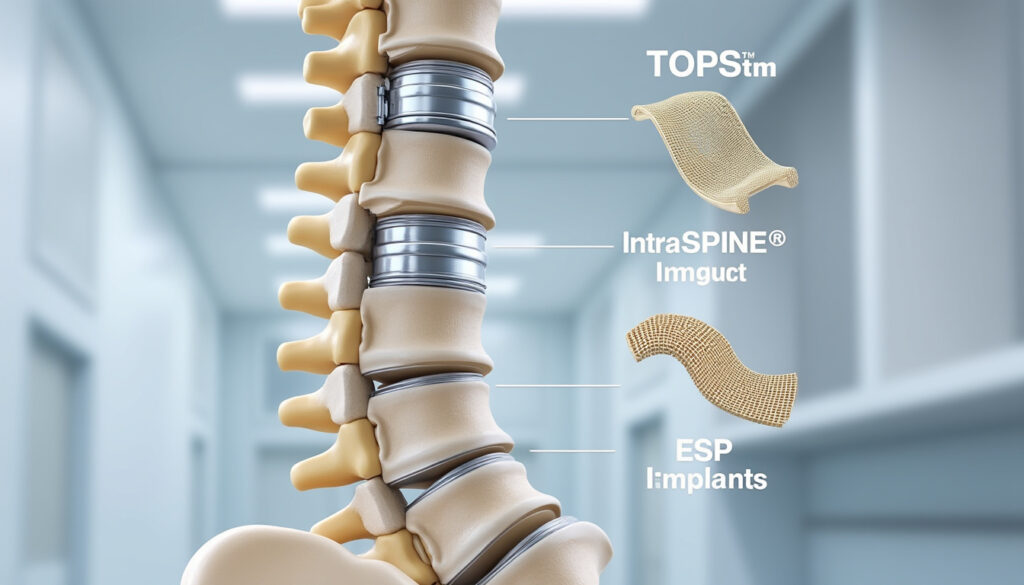
Innovation in spinal surgery leverages medical logistics to deliver cutting-edge implants designed to preserve natural spinal motion. Notably, implants such as TOPS, Intraspine, ESP, and B-DYN incorporate dynamic stabilization technologies that differ significantly from traditional fusion techniques that restrict mobility.
The TOPS system provides multiaxial stabilization, enabling preservation of lumbar motion and decreasing the incidence of adjacent segment degeneration. This technology is often selected for patients with lumbar herniated discs or instability, where preserving an active range of motion improves postoperative quality of life. The meticulous medical supply chain guarantees the timely arrival of these specialized implants during surgery, critical for optimal outcomes.
Intraspine implants use mini-invasive methods to interlaminarly stabilize the spine, reducing soft tissue disruption and facilitating quicker recovery. The ESP implant offers elastic damping for moderate instability, providing both support and comfort during critical healing phases. B-DYN implants adapt dynamically to individual biomechanics, accelerating patients’ return to daily functioning while maintaining implant longevity.
- TOPS Implant: Multiaxial dynamic stabilization preserving lumbar mobility
- Intraspine Device: Minimally invasive interlaminar stabilization with ergonomic design
- ESP Implant: Soft shock absorption for functional spinal instabilities
- B-DYN System: Biomechanically adaptive stabilization enhancing durability
| Implant | Main Function | Clinical Advantages | Typical Indications |
|---|---|---|---|
| TOPS | Dynamic multiaxial spine stabilization | Preserves motion and reduces adjacent segment stress | Herniated discs, lumbar instability |
| Intraspine | Minimally invasive interlaminar stabilization | Accelerated recovery, less invasive approach | Radicular syndrome, chronic low back pain |
| ESP | Elastic damping for moderate instability | Improved comfort and wear prevention | Functional instabilities |
| B-DYN | Adaptive biomechanical stabilization | Long durability and faster activity resumption | Degenerative spinal pathologies |
Implementing these advanced implants requires not only surgical expertise but also precise medical supply chain management to assure compliance with stringent quality and certification protocols. Clinics in Bordeaux, Toulouse, and Lyon specialize in such implantations, exemplifying the synergy between surgical innovation and optimized logistics, which is elaborated in resources such as medical logistics and accommodation transformations in patient care.

The Stepwise Role of Functional Recovery in Achieving Successful Outcomes
The journey to full recovery following spinal surgery is often complex and multifaceted, demanding a meticulously structured approach to ensure optimal functional outcomes. In recent years, the concept of functional recovery through a stepwise approach has garnered significant attention in…
Streamlining Patient Logistics: Coordinating Transport, Accommodation, and Personalized Postoperative Care
The orchestration of international surgical stays transcends clinical intervention alone, demanding detailed patient logistics encompassing transportation, accommodation, and post-operative support. Entities like Franchir, MediTransport, and Neurothérapie Montréal integrate efforts to create a cohesive healthcare coordination network for patients journeying from Canada to France.
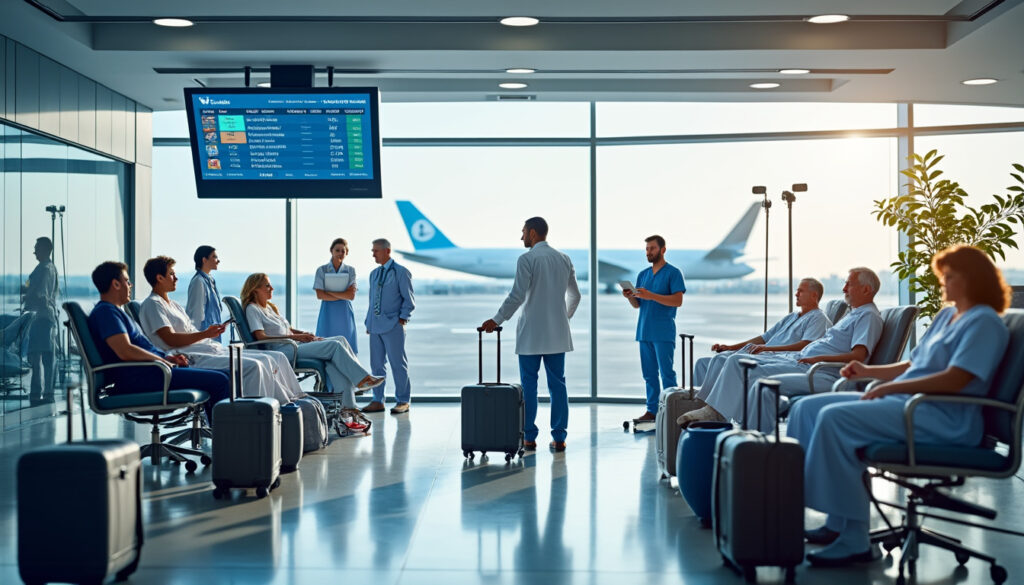
Franchir efficiently plans medical transportation by booking direct flights adapted to patient medical requirements, arranging secure transfers between airport, hospital, and accommodation, and managing administrative responsibilities such as visas and insurance documentation. This coordination mitigates travel-related fatigue and logistical barriers, contributing decisively to patient wellbeing.
Specialized accommodations such as those provided by HébergoMed situate patients close to treatment centers in carefully designed lodgings that facilitate recuperation. These settings deliver not only a quiet environment but also basic monitoring aligned with patient needs, underpinning the medical recovery process outside the hospital setting.
Post-operative management follows patients back to Canada under the guidance of Neurothérapie Montréal, providing continuity of care, psychological support, and ongoing medical assessment, thereby extending healthcare delivery beyond borders.
- Coordinated healthcare transportation: Direct flight scheduling and stress-minimized transfers
- Specialized patient accommodation: Location-sensitive, medically adapted lodgings
- Comprehensive administrative assistance: Handling visas, insurance, and documentation
- Longitudinal postoperative care: Managed follow-up and rehabilitation support
- Communication across care teams: Seamless information flow between international providers
| Stage of Patient Stay | Responsible Entity | Service Provided | Advantage for Patient |
|---|---|---|---|
| Flight Booking | Franchir | Direct flights and travel customization | Minimized fatigue and optimized journey |
| Accommodation | HébergoMed | Specialized convalescence lodgings near hospitals | Comfort and convenient access to medical care |
| Transfers | MediTransport | Secure and comfortable ground transfers | Stress reduction and logistics simplification |
| Administrative Support | AssistanceLogistique | Management of visas, insurance, documentation | Facilitated bureaucratic processes |
| Postoperative Care | Neurothérapie Montréal | Medical and psychological follow-up | Enhanced recovery and outcome continuity |
The interconnected structure of these services embodies the essence of patient-centered healthcare coordination. More insights into this multifaceted logistics and accommodation process can be found in patient guides on medical logistics and accommodation.
Transatlantic Patient Journey: Insights into Indications, Benefits, and Challenges
The emergence of the Transatlantic Patient Journey as a strategic model within healthcare continues to capture attention for its innovative potential, especially in specialized fields such as spinal surgery. This cross-border care pathway integrates rigorous medical evaluation from Quebec with…
Centers of Excellence for Spinal Surgery in France: Expertise Supported by World-Class Medical Logistics
The success of international surgical interventions is inherently tied to the standards of healthcare facilities and the expertise of their medical teams. France hosts numerous centers of excellence with a focus on spinal surgery, offering advanced treatment supported by comprehensive medical logistics ecosystems.
Institutions such as CHU Bordeaux, CHU Toulouse, Clinique du Pré Lyon, and CH Le Mans exemplify this synergy, hosting surgeons with extensive experience in minimally invasive techniques, dynamic stabilization, and robotic-assisted spine surgeries. These centers have integrated implants like TOPS and B-DYN into their standard protocols, backed by strict adherence to international implant certification and regulatory compliance.
Moreover, these facilities employ state-of-the-art imaging and navigational technologies, including high-definition endoscopy and 3D intraoperative imaging, to enhance surgical precision. Their collaboration with logistics partners assures that all medical materials and patient accommodation arrangements meet the highest operational standards, fostering outcomes that are both clinically robust and patient-focused.
- CHU Bordeaux: Lumbar and cervical endoscopy, dynamic implants, robotic assistance
- CHU Toulouse: Mini-invasive arthrodesis, high-definition endoscopy, dynamic stabilization
- Clinique du Pré Lyon: Disc prostheses, robotic navigation, certified innovative implants
- CH Le Mans: Specialized in minimally invasive neck surgeries and implant technologies
- International collaboration: Logistics partners coordinating patient movement and supply chain
| Facility | Specialized Surgical Techniques | Available Implants | Technological Highlights |
|---|---|---|---|
| CHU Bordeaux | Lumbar & cervical endoscopy, dynamic stabilization | TOPS, Intraspine, disc prostheses | 3D navigation, robotic assistance |
| CHU Toulouse | Mini-invasive fusion, dynamic stabilization | B-DYN, ESP, Premia Spine implants | 4K endoscopy, advanced imaging |
| Clinique du Pré Lyon | Disc prosthesis, dynamic treatments | CE and FDA-certified implants, Cousin Spine | Robotic surgery, 3D navigation |
| CH Le Mans | Minimally invasive neck and spine surgery | TOPS, Intraspine, ESP | High-tech operating rooms, per-operative imaging |
Choosing an optimal treatment center involves evaluating not only the surgical expertise but also the robustness of the medical logistics and accommodation support systems, as curated by international healthcare facilitators like Franchir. For an in-depth view into the operational excellence of these centers, consider exploring expert annual reviews and logistical resources such as those by industry-leading healthcare logistics platforms.
The evolving field of spinal surgery is witnessing a transformative shift, fueled by cutting-edge implant technologies such as TOPS, Intraspine, and ESP. These innovative implants redefine treatment possibilities by emphasizing preservation of natural spinal mechanics, while ensuring durable stabilization and…
Modern Hospital Logistics: Innovations Addressing Healthcare Sustainability and Crisis Resilience
Hospital logistics are rapidly evolving to meet the demands of a complex healthcare environment where quality assurance, sustainability, and responsiveness are imperative. The integration of medical supply chain management with hospital accommodation planning and patient logistics involves applying stringent quality standards and adopting innovative technologies.
Hospitals increasingly comply with ISO 13485 and ISO 9001 standards for medical devices and service quality, ensuring reliability and safety. These frameworks enable healthcare systems to systematically reduce operational risks and elevate patient confidence. Beyond certification, data-driven tools such as predictive analytics platforms empower medical logistics teams to anticipate supply fluctuations and adapt inventory proactively, preventing shortages.
Advances in collaborative digital platforms facilitate real-time coordination between multiple stakeholders—ranging from procurement officers to surgical teams and accommodation managers. Such integrated approaches minimize workflow bottlenecks, optimize resource utilization, and enhance patient-centered outcomes. Moreover, ecological imperatives drive innovative waste management and equipment sterilization practices, supporting sustainable healthcare facility planning.
- ISO-compliant quality management: Strengthening device safety and procedural consistency
- Predictive analytics: Anticipating demand fluctuations and reducing stockouts
- Collaborative communication platforms: Enhancing coordination across healthcare sectors
- Sustainable logistics practices: Environmentally responsible waste and equipment management
- Continuous staff training: Empowering personnel in new technologies and protocols
| Logistics Practice | Description | Benefits for Healthcare |
|---|---|---|
| ISO Compliance | Adherence to medical device and process quality standards | Increased patient safety and industry confidence |
| Predictive Analytics | Software forecasting stock needs and demand changes | Reduced material shortages and better planning |
| Collaborative Platforms | Real-time stakeholder communication systems | Improved process flow and rapid response |
| Sustainable Waste Management | Eco-friendly disposal and recycling programs | Lower environmental footprint and compliance adherence |
| Training & Development | Ongoing employee education on innovations | Optimal use of technologies and quality consistency |
Hospitals embracing such modern logistical frameworks illustrate a commitment to both clinical excellence and sustainable operations, fundamental for meeting the evolving expectations of international patients. For practical implementation insights, healthcare administrators can refer to case studies and guides offered by healthcare logistics organizations.
Key Components of Medical Logistics and Accommodation Management
Hover or click on each component to discover detailed explanations and real-time data related to medical logistics management.
Real-time Hospital Bed Availability
This data is fetched live from a public API to show availability of hospital beds in selected cities.
Preparing for Surgery in France: Key Indications, Benefits, and Limitations
In an evolving global healthcare landscape, France emerges as a beacon of advanced surgical expertise, particularly attracting international patients seeking expedited and innovative medical interventions. Patients from regions experiencing long wait times, such as Quebec, increasingly view France as an…
Emerging Technologies Enhancing Medical Supply Chain Transparency and Patient Logistics
The push towards greater transparency and efficiency in medical logistics has been accelerated by emerging technologies focusing on data integration and automation. Blockchain technology is gaining momentum as a trusted medium for secure and immutable tracking of medical devices and pharmaceuticals, ensuring authenticity and compliance throughout the supply chain.
Simultaneously, Internet of Things (IoT) devices linked with RFID tags enable continuous monitoring of storage conditions such as temperature and humidity, critical for sensitive medical materials. This real-time data integration supports rapid decision-making and reduces the risk of compromised implants or drugs.
Artificial intelligence-driven analytics optimize supply routes and inventory levels, directly influencing hospital accommodation planning by forecasting patient inflows and adjusting resource allocation accordingly. These innovations demonstrate a new frontier in patient logistics management, reducing costs while enhancing care standards.
- Blockchain for medical supply transparency: Secures supply chain audit trails and counterfeiting prevention
- IoT-enabled monitoring: Real-time environmental control of medical materials storage
- AI-based logistics optimization: Predicts supply and patient flow for resource planning
- Automated inventory management systems: Reduces human error and streamlines replenishment
- Integrated patient logistics platforms: Coordinate multi-modal transport and accommodation processes
| Technology | Function | Benefits |
|---|---|---|
| Blockchain | Secure tracking of medical supplies authenticity | Improved trust and regulatory compliance |
| IoT Sensors | Real-time monitoring of storage parameters | Prevents spoilage and maintains material integrity |
| Artificial Intelligence | Optimizes route planning and stock management | Increases efficiency and reduces costs |
| Automation | Automated stock tracking and replenishment | Limits human error and improves accuracy |
| Patient Logistics Platforms | Integrates scheduling, transport, and accommodation | Streamlines patient experience and resource use |
The fusion of digital technologies with traditional medical logistics and accommodation management practices defines a new paradigm of healthcare delivery, making international care more accessible and reliable. For knowledge expansion on these subjects, healthcare practitioners may consult expert analyses such as those offered by military health logistics programs.

Unveiling the Hidden Benefits of Quality and Certification in Devices
The landscape of device manufacturing and clinical application in 2026 has been fundamentally shaped by the rigorous interplay between quality management and certification processes. Within this complex framework, the hidden benefits of adhering to international standards and obtaining relevant certifications…
Strategic Considerations for Patient-Centered Healthcare Coordination and Medical Supply Chains
Patient-centered healthcare coordination demands a comprehensive understanding of the interface between clinical care pathways and medical logistics systems. Central to this understanding is fostering collaborative networks which integrate hospital accommodation, healthcare transportation, and medical inventory management, ensuring adaptability to patient needs and treatment complexities.
Implementing flexible supply chains that anticipate emergencies and fluctuations in demand is critical. These systems benefit from decentralized medical inventory hubs situated near treatment centers, allowing rapid access to necessary surgical materials while preventing congestion at central warehouses. Similarly, healthcare facility planning incorporates scalable accommodations and transport options, ready to adjust to patient volume changes primarily seen in cross-border patient flows.
Furthermore, transparent communication channels between patients, healthcare providers, logistics coordinators, and accommodation managers reduce the risk of errors and improve response times. This synergy is essential in managing international cases where distance and regulatory differences can add layers of complication.
- Collaborative healthcare networks: Enhance intersectoral communication and logistic efficiency
- Decentralized inventory management: Improves responsiveness and reduces centralized load
- Scalable accommodation and transport frameworks: Adjusts to fluctuating patient flows
- Transparent communication: Mitigates errors and improves patient satisfaction
- Patient-centered logistics: Prioritizes individualized needs and convenience
| Strategic Element | Description | Impact on Patient Care |
|---|---|---|
| Collaborative Networks | Integration of clinical, logistic, and accommodation teams | Smooth coordinated care and fewer delays |
| Decentralized Inventory | Local supply hubs near hospitals | Quicker access to implants and materials |
| Scalable Logistics | Flexible transport and housing capacity | Effective management of patient influx |
| Transparent Communication | Open information sharing protocols | Decreased errors and improved satisfaction |
| Patient-Centered Approach | Tailored logistics and accommodation plans | Enhanced experience and outcomes |
Such strategic considerations are instrumental in shaping modern healthcare logistics systems, ensuring that patient needs drive operational decisions. Insightful perspectives on these approaches are detailed in materials like medical referral frameworks from Quebec.
Why Experts Advocate for Comprehensive Preoperative Evaluations
In the complex and demanding field of spinal surgery, the emphasis on comprehensive preoperative evaluations has become a fundamental pillar supporting successful surgical outcomes. These evaluations, far beyond mere routine checks, integrate detailed analyses of patient health, surgical risk assessments,…
Training and Development in Medical Logistics and Accommodation Management: Building Expertise for Next-Generation Healthcare Delivery
Education and continuous professional development underpin the advancement of medical logistics and accommodation management. Training programs focus on integrated healthcare coordination, compliance with quality standards, and adoption of emerging technologies.
Courses such as the 2-day seminar on integrated medical leave and accommodation management systems provide healthcare administrators and logistics personnel with essential skills to optimize workflow and improve patient satisfaction. Hands-on workshops cover topics from medical inventory tracking to healthcare transportation intricacies, empowering teams to implement robust supply chains and accommodation frameworks.
Moreover, ongoing professional development incorporates modules on sustainability, patient-centered planning, and crisis-responsive logistics, preparing healthcare providers for evolving global health challenges. This comprehensive educational approach fosters a workforce capable of delivering seamless international healthcare experiences.
- Integrated seminar training: Holistic understanding of patient logistics and accommodation
- Quality compliance modules: Focus on ISO standards and regulatory requirements
- Technology adoption: Training in RFID, AI, and blockchain applications
- Sustainability education: Emphasizing eco-friendly practices and waste management
- Crisis management preparedness: Building agile logistics systems for emergencies
| Training Component | Focus Area | Expected Outcome |
|---|---|---|
| Integrated Seminars | Coordinated medical leave and accommodation management | Enhanced workflow efficiency and patient care |
| Quality Compliance | ISO 13485, ISO 9001 standards | Improved safety and compliance |
| Technology Training | RFID, AI, blockchain applications | Optimized inventory and logistics management |
| Sustainability Education | Waste reduction and eco-friendly processes | Lower environmental impact |
| Crisis Management | Responsive supply chain planning | Resilience during emergencies |
Healthcare professionals seeking to enhance their skills in this evolving sector may explore offerings from organizations specializing in medical logistics training, including integrated management courses.
The Future of Surgery Lies in Stepwise Functional Recovery
The evolution of surgical care in 2026 reveals a compelling shift toward approaches that prioritize the holistic recovery of patients, moving beyond traditional metrics like length of hospital stay or mortality rates. This modern paradigm highlights the principle that the…
Best Practices in Medical Logistics and Accommodation: Lessons from Global Healthcare Systems
An international perspective reveals diverse approaches to medical logistics and accommodation management. Benchmarking these frameworks helps identify effective strategies adaptable to various healthcare contexts.
Key attributes of successful systems include centralized medical inventory management combined with regional distribution hubs, multi-modal patient transportation services tailored to medical conditions, and flexible accommodation options ranging from hospital wards to specialized convalescent facilities. Countries leading in healthcare logistics emphasize embedding technology innovations such as 3D printing for bespoke implants and robotic surgical navigation to streamline operative procedures.
Cross-border patient logistics also benefit from unified digital platforms coordinating healthcare providers, insurers, and accommodation managers. This integration fosters transparency and patient empowerment through real-time scheduling and feedback mechanisms. Experience from countries with high medical tourism rates underscores the importance of patient-centric communication and seamless care pathways in managing healthcare facility planning and patient relocation effectively.
- Centralized inventory with regional hubs: Efficient supply distribution and stock management
- Tailored transportation networks: Adapted service levels based on patient needs
- Varied accommodation options: From acute care to recovery settings
- Advanced surgical and implant technologies: Improving clinical outcomes
- Integrated digital platform systems: Streamlining inter-institutional coordination
| Best Practice | Key Feature | Healthcare Benefit |
|---|---|---|
| Centralized Inventory | Regional supply hubs for inventory | Rapid delivery and availability |
| Personalized Patient Transport | Multi-modal and condition-specific | Enhanced patient comfort and safety |
| Diverse Accommodation | Range from hospital to convalescent care | Improved recovery environments |
| Innovative Technologies | Robotic surgery, 3D printed implants | Higher precision and outcomes |
| Unified Digital Platforms | Real-time care coordination | Smoother patient experiences |
Global comparisons highlight adaptive logistics systems as integral to maintaining continuous, high-quality patient care. Industry reports and analyses such as those detailed in international medical logistics studies provide valuable insights into diverse healthcare delivery models.
What are the primary benefits of integrated medical logistics for international patients?
Integrated medical logistics ensures rapid access to care, reduces waiting times, guarantees implant availability, minimizes errors, and enhances overall patient experience through coordinated transport and accommodation.
How does RFID technology improve medical inventory management?
RFID technology provides real-time tracking of implants and surgical materials, preventing stock outages and misplacements, thereby increasing procedural safety and efficiency.
Which innovative spinal implants are commonly used in France?
Dynamic spinal implants such as TOPS, Intraspine, ESP, and B-DYN are utilized, promoting spinal mobility preservation in various conditions.
Who manages the logistics of medical stays in France for international patients?
Specialist companies like Franchir coordinate flights, transfers, accommodation, and administrative support to ensure smooth and secure patient journeys.
How is postoperative care maintained after patients return to Canada?
Neurothérapie Montréal provides personalized follow-up care, ensuring continuous medical and psychological support and cooperation with French surgical teams.