
Herniated Disc in Terrebonne: Safety, Contraindications, and Neurovertebral Decompression Treatment
May 20, 2026
How to Effectively Prepare for Spinal Surgery in France
May 20, 2026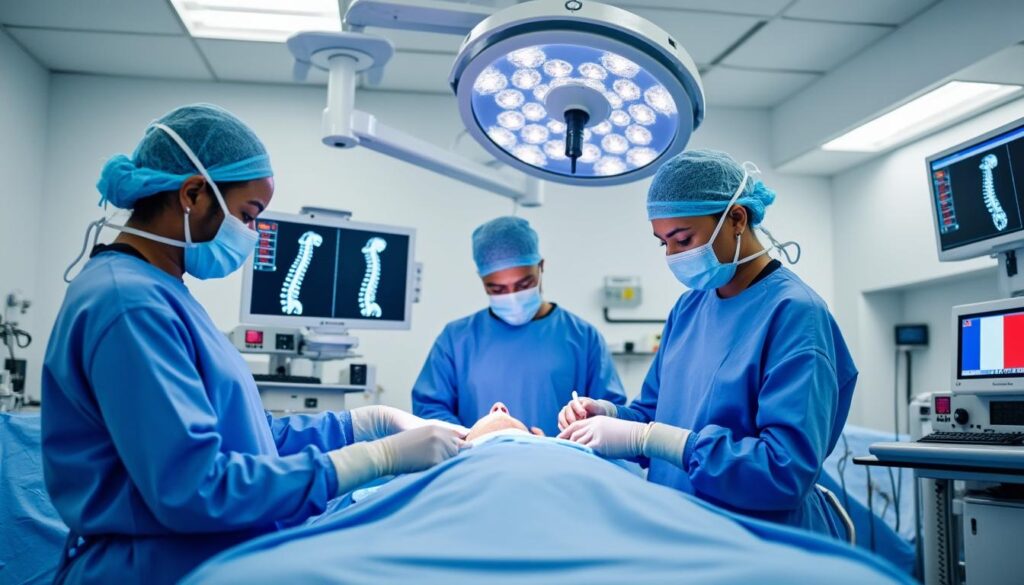
Quebec patients facing complex spinal conditions often encounter extended wait times and limited access to cutting-edge procedures within their local healthcare system. Meanwhile, France offers a well-established pathway for advanced spinal surgery, combining state-of-the-art technology with a robust regulatory framework that ensures high standards of patient safety and care. The collaboration between Quebec and France has created an innovative transatlantic approach that streamlines treatment options, from thorough preoperative assessments to follow-up care, providing patients with new hope for recovery and improved quality of life.
This comprehensive patient guide explores how Quebec residents can navigate spinal surgery in France, highlighting the benefits of medical tourism, the spectrum of surgical procedures available, and the specialized support networks that ease the journey from diagnosis to rehabilitation. With access to pioneering techniques such as minimally invasive surgery, dynamic stabilization implants, and robotic-assisted operations, Quebec patients gain opportunities often unavailable domestically, with a personalized plan supervised by cross-continental expert teams.
Advanced Spinal Surgery Techniques in France Tailored for Quebec Patients
France’s healthcare infrastructure supports a broad array of surgical techniques designed to address diverse spinal pathologies with precision and safety. This sophistication stems from a blend of rigorous medical training, innovation, and adherence to European Union standards, enabling the country to remain a leading destination for spinal surgery.
A key set of procedures include decompression surgeries, which aim to alleviate pressure on nerve roots caused by herniated discs or spinal stenosis. These interventions frequently employ minimally invasive or endoscopic approaches, drastically reducing incision sizes, surgical trauma, and postoperative pain, facilitating a quicker return to everyday activities. For instance, the IRCAD Strasbourg 2025 course emphasizes endoscopic spine surgery techniques, equipping surgeons with the latest tools for such interventions.
Fusion surgery, or arthrodesis, is traditionally applied for cases involving spinal instability or deformity corrections, using metal implants and bone grafts to immobilize affected vertebral segments. Advancements in implant design from companies like Cousin Spine or Premia Spine have improved biomechanical outcomes, balancing rigidity with the need for adjacent segment health.
Innovative motion preservation methods, such as the IntraSPINE interlaminar device and cervical disc prostheses, seek to maintain physiological spine movement post-surgery. These dynamic stabilization options reduce the risk of adjacent segment degeneration, enhancing long-term function and patient satisfaction. Recent clinical data demonstrate reduced chronic pain incidence following such interventions compared to conventional fusion.
The choice of surgical modality is patient-specific, relying on detailed evaluations by specialists such as the renowned Dr. Sylvain Desforges, whose expertise integrates advanced diagnostics with personalized treatment plans. Through partnerships with centers like the Spine Center at Groupe Hospitalier Privé Ambroise Paré, patients gain access to multidisciplinary teams that ensure optimal surgical outcomes.


Understanding Sciatic Pain: Key Symptoms and When to Seek Medical Advice
Sciatic pain is a prevalent condition impacting a wide demographic, manifesting primarily as intense pain radiating from the lower back down the leg. This pain stems from irritation or compression of the sciatic nerve, a major nerve extending through the…

The Stepwise Role of Functional Recovery in Achieving Successful Outcomes
The journey to full recovery following spinal surgery is often complex and multifaceted, demanding a meticulously structured approach to ensure optimal functional outcomes. In recent years, the concept of functional recovery through a stepwise approach has garnered significant attention in…
The Transatlantic Patient Journey: Coordinated Care from Quebec to France
Quebec patients pursuing spinal surgery in France benefit from a meticulously coordinated journey crafted to minimize stress and maximize clinical success. The pathway begins with a comprehensive assessment at centers like TAGMED clinics in Montreal and Terrebonne, where specialized conservative treatments, including neurovertebral decompression, precede any surgical decision-making.
This approach prioritizes non-invasive interventions for at least three to six months to avoid unnecessary operations. Should surgery become necessary, the French-Quebec medical network, supported by organizations such as Franchir, orchestrates all logistical components, including specialist referrals, travel arrangements, and accommodation. This ensures patients and their families experience a seamless and supportive process throughout their medical journey.
Upon returning to Quebec, patients receive continued rehabilitation and monitoring via trusted providers like Neurothérapie Montréal, who tailor post-operative care based on the surgical approach and individual progress. This continuity of care embeds a feedback loop between French surgical teams and Quebec practitioners, ensuring timely interventions if complications or setbacks arise.
Communication is a cornerstone, with clear and accessible information helping patients understand every step, reducing anxiety and empowering them to make informed healthcare decisions. Platforms such as Comprehensive Preoperative Assessment Explained for Quebec Patients exemplify this patient-focused ethos by demystifying surgical preparation and expectations.

Transatlantic Patient Journey: Insights into Indications, Benefits, and Challenges
The emergence of the Transatlantic Patient Journey as a strategic model within healthcare continues to capture attention for its innovative potential, especially in specialized fields such as spinal surgery. This cross-border care pathway integrates rigorous medical evaluation from Quebec with…
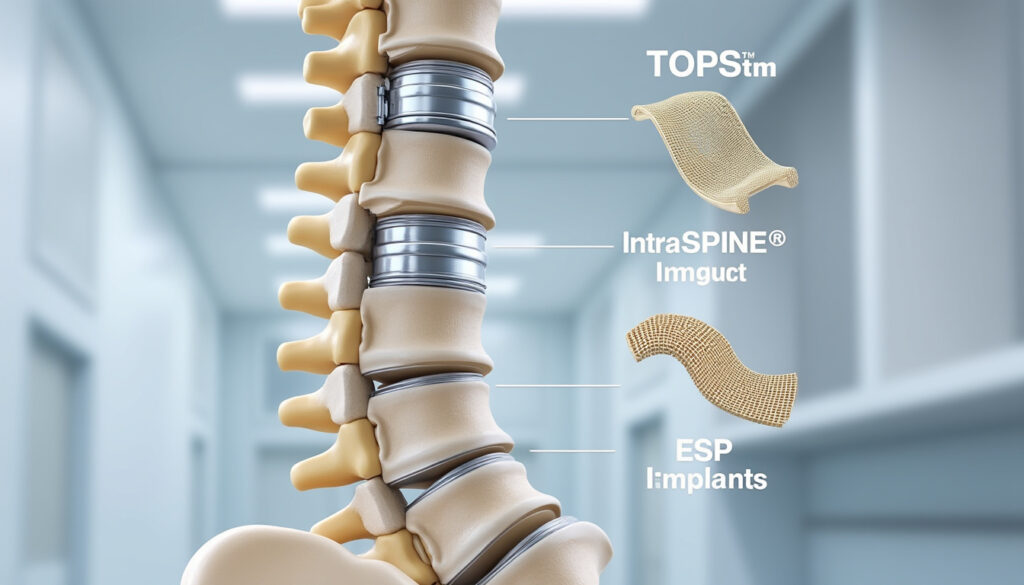
The evolving field of spinal surgery is witnessing a transformative shift, fueled by cutting-edge implant technologies such as TOPS, Intraspine, and ESP. These innovative implants redefine treatment possibilities by emphasizing preservation of natural spinal mechanics, while ensuring durable stabilization and…
The Crucial Role of Conservative Treatments Before Surgery
Spinal surgery in France, as promoted through the France-Quebec partnership, strongly advocates for exhaustive conservative care before any surgical intervention. This aligns with global best practices emphasizing patient safety and outcome optimization.
For Quebec patients, conservative treatment options include physical therapy, pharmacological management, and specialized techniques like robotic-assisted neurovertebral decompression offered at TAGMED clinics. This particular therapy utilizes computer-controlled traction to alleviate nerve compression with minimal discomfort, often resulting in significant symptom relief.
Only after these measures have been exhausted for a sufficient duration—typically between three and six months—is surgery considered. This protocol reduces the risk of unnecessary surgery, lowers healthcare costs, and promotes faster recovery.
Moreover, this process engages patients actively in their care decisions, fostering a collaborative relationship that strengthens post-operative adherence and outcomes. The careful evaluation by experts like Dr. Desforges ensures any escalation to surgical treatment is both evidence-based and ethically justified.

Preparing for Surgery in France: Key Indications, Benefits, and Limitations
In an evolving global healthcare landscape, France emerges as a beacon of advanced surgical expertise, particularly attracting international patients seeking expedited and innovative medical interventions. Patients from regions experiencing long wait times, such as Quebec, increasingly view France as an…

Unveiling the Hidden Benefits of Quality and Certification in Devices
The landscape of device manufacturing and clinical application in 2026 has been fundamentally shaped by the rigorous interplay between quality management and certification processes. Within this complex framework, the hidden benefits of adhering to international standards and obtaining relevant certifications…
Innovations in Spinal Surgery: Robotic Assistance and 3D Imaging in France
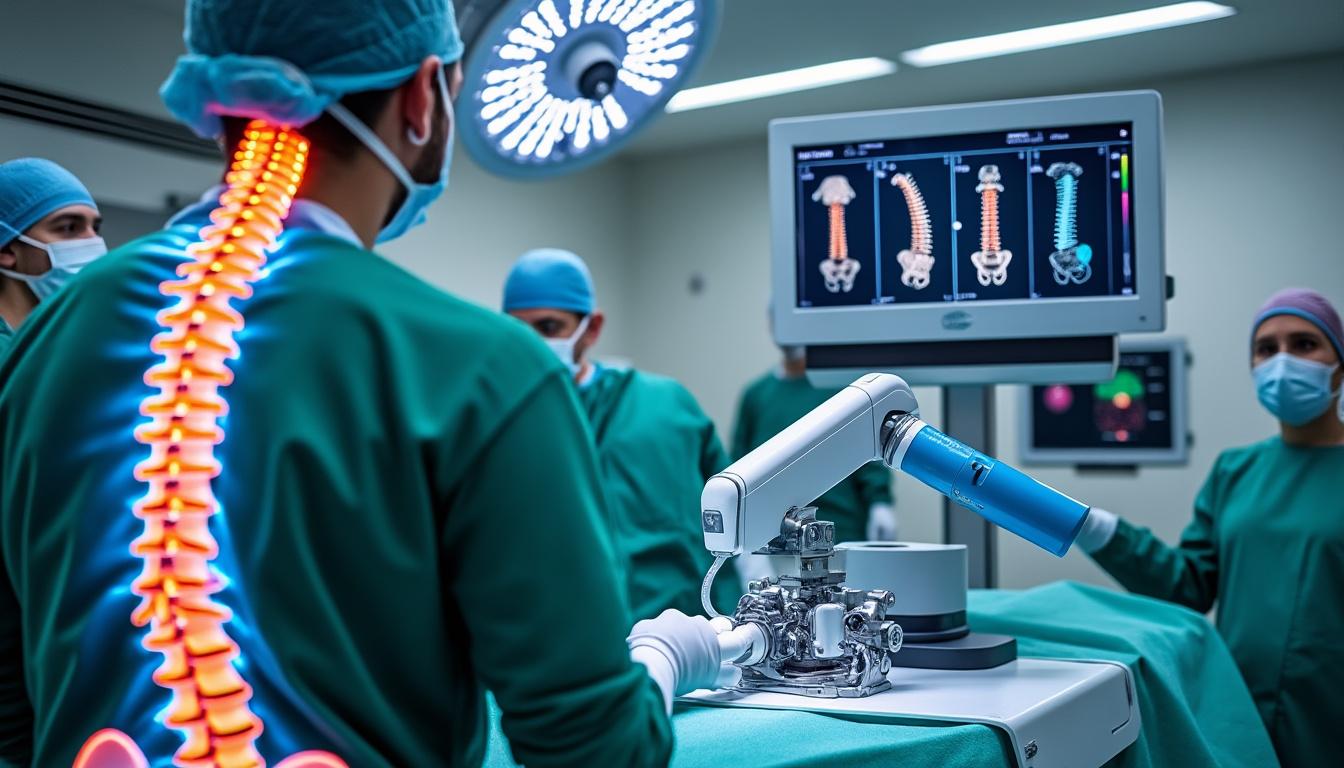
France stands at the forefront of integrating robotic assistance and advanced imaging technologies into spinal surgeries. The deployment of FDA-cleared platforms like eCential Robotics enhances surgical precision, drastically minimizing intraoperative risks.
Robotic navigation allows surgeons to execute complex spinal procedures with millimeter accuracy, optimizing implant placement and reducing radiation exposure. Combined with 3D imaging and printed vertebrae models—a revolutionary tool for surgical planning—these advances contribute to lower complication rates and improved functional outcomes.
Such innovations are critical for Quebec patients seeking state-of-the-art care not readily accessible locally, offering sophisticated alternatives for complex pathology management. Reports indicate already significant uptake of minimally invasive robotic-assisted surgery across French spine centers, supported by volume-based analysis from national health databases.
Clinics such as the leading spine surgery centers in France are increasingly adopting these cutting-edge modalities, making this country a compelling destination for medical tourism in neurosurgery and orthopedic surgery.

Why Experts Advocate for Comprehensive Preoperative Evaluations
In the complex and demanding field of spinal surgery, the emphasis on comprehensive preoperative evaluations has become a fundamental pillar supporting successful surgical outcomes. These evaluations, far beyond mere routine checks, integrate detailed analyses of patient health, surgical risk assessments,…

The Future of Surgery Lies in Stepwise Functional Recovery
The evolution of surgical care in 2026 reveals a compelling shift toward approaches that prioritize the holistic recovery of patients, moving beyond traditional metrics like length of hospital stay or mortality rates. This modern paradigm highlights the principle that the…
Medical Tourism Considerations: Navigating Regulations and Ensuring Patient Safety
Medical tourism for spinal surgery entails careful planning, particularly across international borders. France’s health system operates under strict governance, ensuring procedures align with international safety and quality standards. Patients benefit from transparent clinical protocols, high surgeon qualifications, and continuous monitoring.
Quebec patients are advised to verify that all surgical acts comply with established medical regulations and that facilities possess accreditation reflecting these norms. Reliable agencies and networks facilitate patient access to vetted institutions and specialists, ensuring comprehensive documentation and follow-up care arrangements.
Cost considerations also play a significant role. Expenses for spinal surgery in France typically range widely based on procedure complexity, hospital choice, and implant technology. However, estimated savings of 40-60% compared to North American prices have been reported, making France an economically viable option without compromising quality.
To aid informed decision-making, patients should consult resources such as France-Quebec Comparison in Spinal Care Explained to Quebec Patients, which clarifies differences in care models, costs, and timelines between the two regions.
Postoperative Outcomes: Optimizing Rehabilitation and Long-Term Spine Health
Successful spinal surgery extends beyond the operating room. The French-Quebec collaborative framework prioritizes personalized postoperative care plans, recognizing the heterogeneity of patient needs and surgical interventions.
Rehabilitation programs encompass physical therapy, pain management, and functional training tailored to the specific procedure, such as fusion or motion preservation techniques. Neurothérapie Montréal, among other Quebec centers, offers specialized support to maximize recovery efficiency and monitor neurological functions.
Evidence suggests patients undergoing dynamic stabilization surgery exhibit faster functional recovery and higher satisfaction compared to traditional fusion, but comprehensive rehabilitation remains critical for all patients regardless of the technique employed.
Moreover, ongoing communication between the French surgical teams and Quebec rehabilitation providers ensures any complications, such as infection or neurological deficits, are promptly addressed, providing a safety net during the vulnerable post-surgical phase.
Essential Patient Guide: Preparing for Your Spinal Surgery Journey in France
Preparation is fundamental to a positive surgical experience. Quebec patients are encouraged to gather comprehensive medical records, including imaging studies and previous treatment summaries, to facilitate accurate assessment upon initial consultation.
Understanding the surgical procedure, risks, expected outcomes, and recovery timeline is also vital. Patients should seek clear explanations and engage actively with their medical team to address concerns early.
Checklist for Quebec patients considering spinal surgery in France:
- Complete conservative treatments under specialized supervision before considering surgery.
- Secure thorough preoperative assessment to identify the most suitable surgical approach.
- Coordinate travel and accommodation through dedicated service providers to reduce logistical stress.
- Prepare for postoperative rehabilitation with local support in Quebec upon return.
- Stay informed and communicate throughout the process with medical teams in both countries.
Understanding these steps helps patients navigate the complex healthcare landscape with confidence, ensuring a well-rounded approach to spinal health that prioritizes effectiveness and safety.
Spinal Surgery: France vs. Quebec Comparison
Filters rows in the comparison table by aspect.
| Aspect | Advantages of France-Quebec Partnership | Advantages of Quebec Local Care |
|---|

What types of spinal surgeries are commonly available in France for Quebec patients?
France offers a range of surgeries including minimally invasive decompression, fusion (arthrodesis), and motion preservation implants like disc replacements and dynamic stabilization devices.
How is the patient experience optimized during the transatlantic surgical journey?
Patients undergo thorough preoperative evaluation in Quebec, have their surgery scheduled in France coordinated by specialized agencies, and receive continuous postoperative support upon return, ensuring safety and comfort.
Is minimally invasive spine surgery widely accessible in France?
Yes, France has become a leader in minimally invasive spine surgery, with many hospitals equipped with robotic assistance and advanced imaging to support precise and less traumatic procedures.
What role do conservative treatments play before considering spinal surgery?
Conservative treatments, such as physical therapy and neurovertebral decompression, are essential first steps to alleviate symptoms and possibly avoid surgery, conducted under expert supervision for at least 3 to 6 months.
How does the cost of spinal surgery in France compare to Quebec?
Surgical costs in France can be 40-60% lower than in North America, offering both high-quality care and economic benefits for Quebec patients, with transparent pricing facilitated by medical tourism providers.