
Disc Prosthesis in Lévis: Achieving Fast and Effective Results
June 15, 2026
Can Patient Recovery Stories Help Us Avoid Surgery?
June 15, 2026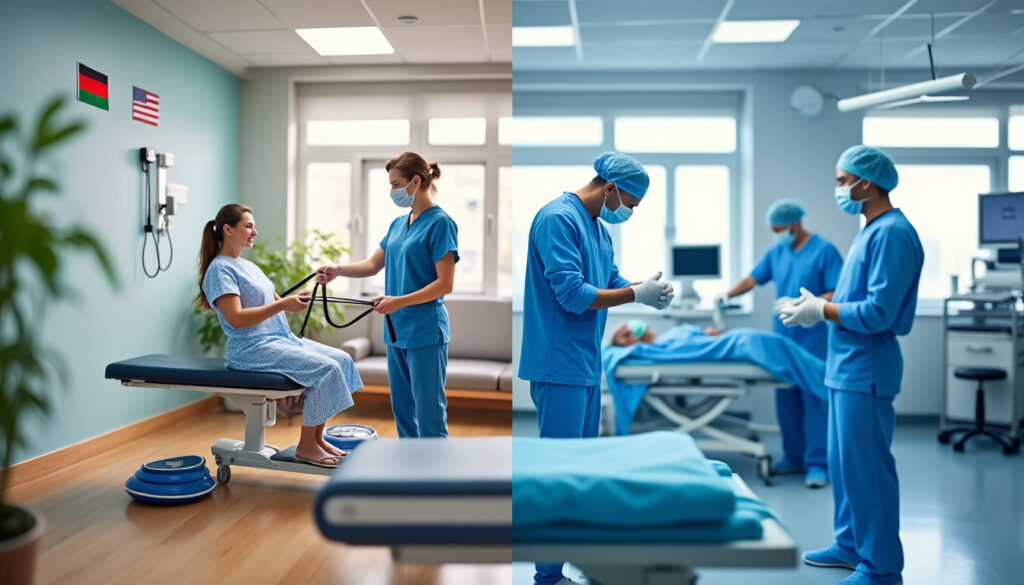
Across global healthcare systems, the debate between conservative treatments and surgical approaches continues to impact patient care profoundly. Evolving medical practices in regions such as Quebec and France reveal a dynamic interplay of non-invasive procedures and surgical interventions, each offering distinct benefits and challenges. With demographic shifts and advancements in clinical effectiveness shaping treatment outcomes, understanding how different nations apply these methods sheds light on optimizing care pathways. This international comparison spotlights the synergy between biomechanical innovations, economic realities, and human factors paving the way for personalized spinal care, integrating rigorous evaluations and cross-border opportunities for patients facing complex spine pathologies.
Notably, the patient journey in managing spinal disorders illustrates how healthcare infrastructure influences access and decision-making. In Quebec, pressures from wait times and specialist availability often steer patients toward exploring transatlantic surgical options in France, which boasts cutting-edge implants and minimally invasive techniques. Collaborative efforts among experts coordinate these pathways, underscoring the importance of shared protocols and continuous monitoring post-intervention to maximize functional recovery. Investigations into non-surgical options also underline the importance of comprehensive conservative care prior to considering surgery, promoting a stepwise approach tailored to individual needs.
Understanding Conservative Treatments in Spine Care: Foundations and Global Practices
Conservative treatments serve as the foundational approach in addressing spine-related ailments across diverse healthcare systems. These treatments prioritize non-invasive procedures aimed at symptom management, functional improvement, and delaying or avoiding surgery. Through a combination of physical therapies, pharmacological interventions, and lifestyle modifications, conservative care addresses conditions ranging from cervical and lumbar pain to disc degeneration.
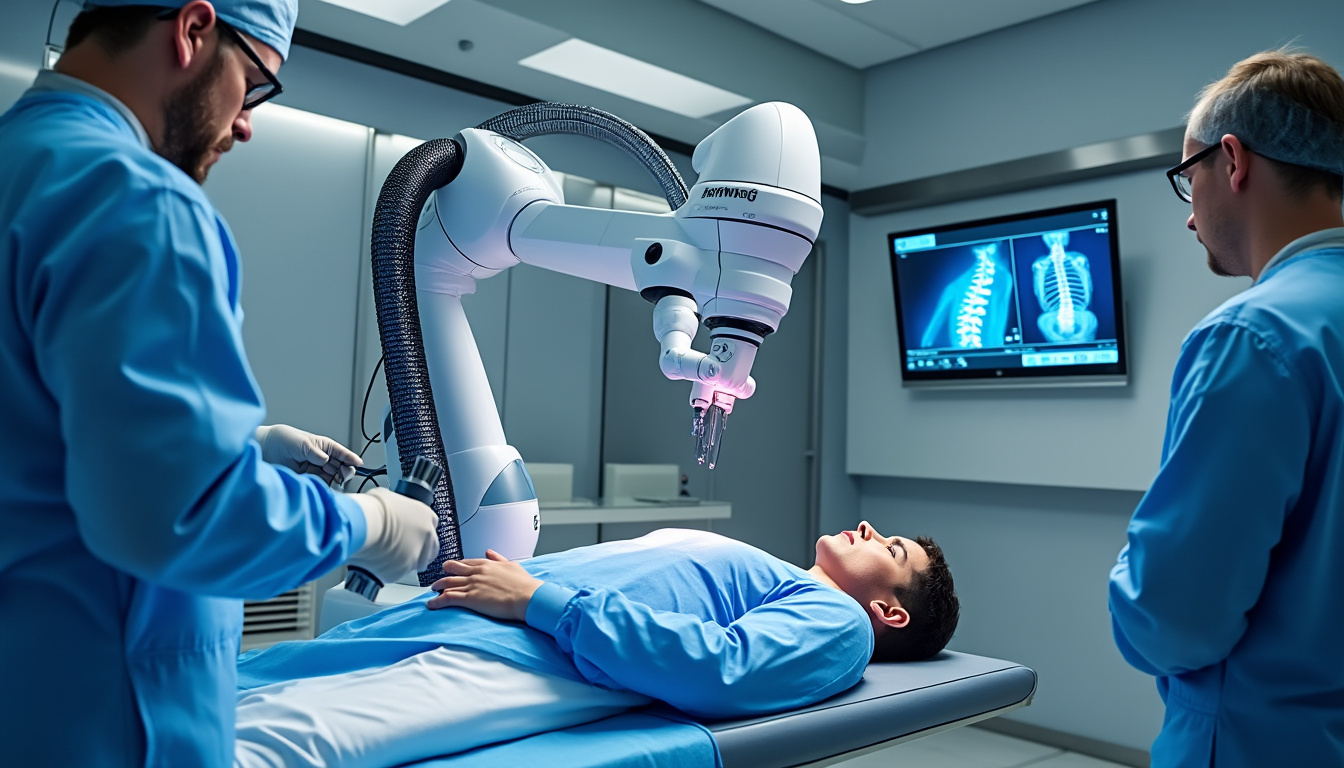
Internationally, there is consensus that a period of at least 3 to 6 months of conservative management should precede any surgical consideration. Within Quebec, clinics such as TAGMED have pioneered robotically-assisted neurovertebral decompression therapies, emphasizing controlled spinal traction techniques that differ significantly from traditional physiotherapy. This advanced modality aims to restore disc space and promote vascularization, representing an innovative stride in conservative treatment that blends technology with patient-centered care.
Core components of conservative care globally include:
- Ergonomic adjustments and lifestyle adaptations: Essential for sustainable pain relief and preventing recurrence, tailored to individual occupational and recreational demands.
- Pharmacological treatments: Use of non-steroidal anti-inflammatory drugs (NSAIDs), localized epidural injections, and other symptom-focused medications carefully administered to mitigate risks.
- Complementary therapies: Integration of acupuncture, chiropractic services, and massage therapy aims to enhance overall well-being and pain control.
Such strategies underscore a multifaceted, biopsychosocial model that prioritizes patient education and empowerment. According to emerging evidence and real-world accounts, conservative care achieves significant functional improvement in 60–80% of patients, highlighting its critical role in the therapeutic sequence. This aligns with systematic reviews comparing orthopedic treatments emphasizing the effectiveness of observation and tailored rehabilitation before resorting to surgery (orthopedic treatments comparison).

Understanding Sciatic Pain: Key Symptoms and When to Seek Medical Advice
Sciatic pain is a prevalent condition impacting a wide demographic, manifesting primarily as intense pain radiating from the lower back down the leg. This pain stems from irritation or compression of the sciatic nerve, a major nerve extending through the…
Innovative Surgical Approaches in France: Techniques, Biomaterials, and Clinical Impact
France stands at the forefront of spinal surgery innovation, offering a wide range of surgical options that align with modern principles of minimally invasive interventions while preserving anatomical and functional integrity. Surgical approaches are diversified to meet specific patient profiles, including those whose conservative care has proven insufficient or whose pathology necessitates immediate intervention.
Key surgical techniques include:
- Spinal fusion (arthrodesis): The traditional method used for segments with significant instability or severe degenerative changes. Recent advancements have minimized incision sizes and soft tissue damage, reducing recovery time and complications.
- Motion preservation surgeries: Deployment of dynamic implants such as the TOPS (Total Posterior Solution) system or the IntraSPINE interlaminar prosthesis supports segmental movement while stabilizing afflicted regions. These biomaterials incorporate biomechanical designs that mimic natural spinal kinematics, thereby reducing adjacent segment disease.
- Endoscopic spine surgery: Utilizes ultra-small cameras and specialized instruments allowing targeted decompression and nerve root relief with decreased postoperative pain and faster patient mobilization.
Patients from Quebec frequently utilize French surgical centers, facilitated by coordinators like Franchir that align surgeons’ expertise with patient needs, ensuring optimized treatment outcomes. This cross-border medical collaboration not only broadens access to state-of-the-art care but also provides cost-effective alternatives when compared to private surgical procedures in Canada, where expenses and wait times often represent barriers.
The spectrum of implants used carries significant biomechanical advantages. Devices engineered for stability and motion preservation offer tangible improvements in quality of life postoperatively, showcased in recent cohort studies and instructional courses hosted by the French Society of Spine Surgery (French Spine Surgery Education Programs). Innovations in implant technology coupled with robotic assistance and 3D imaging enhance precision and safety during surgery, reflecting the integration of technological advances into clinical effectiveness paradigms.

The Stepwise Role of Functional Recovery in Achieving Successful Outcomes
The journey to full recovery following spinal surgery is often complex and multifaceted, demanding a meticulously structured approach to ensure optimal functional outcomes. In recent years, the concept of functional recovery through a stepwise approach has garnered significant attention in…
Comparing Healthcare Systems: How Infrastructure Shapes Patient Access and Care Pathways
Infrastructure and healthcare organization profoundly influence how spinal conditions are managed internationally. Quebec’s universal health coverage system provides patients with access to essential services; however, challenges related to specialist availability, diagnostic imaging timing, and surgical waitlists often extend treatment timelines.
In contrast, France’s healthcare system, characterized by efficient coordination between public and private sectors, allows prioritized access to spinal surgeries with innovative implants and technologies. Patients can benefit from prompt evaluations, multidisciplinary teamwork, and streamlined logistics, including trip and accommodation arrangements when patients travel internationally for care.
This organizational efficiency supports accelerated patient pathways, enhancing treatment outcomes by minimizing delays that can exacerbate degenerative changes and chronic pain syndromes. The synchronized transatlantic patient journey, involving initial evaluations at Quebec’s TAGMED clinic, surgery in France, and subsequent rehabilitation in Montreal’s Neurotherapy centers, exemplifies optimally coordinated care. Such models highlight the capacity of integrated healthcare systems to boost clinical effectiveness while addressing the human and economic dimensions of spinal interventions.
These disparities emphasize the need for personalized treatment strategies sensitive to systemic strengths and limitations, enabling patients to make informed decisions about their health trajectory.


Transatlantic Patient Journey: Insights into Indications, Benefits, and Challenges
The emergence of the Transatlantic Patient Journey as a strategic model within healthcare continues to capture attention for its innovative potential, especially in specialized fields such as spinal surgery. This cross-border care pathway integrates rigorous medical evaluation from Quebec with…
Biomechanical Advancements and Their Role in Treatment Efficacy of Conservative and Surgical Interventions
Biomechanical principles underpin many modern advances in both conservative treatments and surgical approaches. In conservative care, technologies such as robot-assisted spinal decompression leverage controlled traction forces to restore intervertebral disc height and encourage tissue regeneration, reducing nerve root pressure. This approach is backed by biomechanical studies confirming improved vascularization and reduced inflammation.
On the surgical front, implant design focuses on balancing stability and mobility. Dynamic implants like TOPS and IntraSPINE provide stabilization while allowing flexion and extension, mitigating the risk of degeneration at nearby spinal levels—a common postoperative complication in fusion surgeries. Integration of 3D imaging and robotic navigation further refines implant placement accuracy and reduces surgical trauma, which translates into quicker recovery and less postoperative pain.
Such advancements represent a paradigm shift from rigid fixation toward preserving the spine’s functional biomechanics, reflecting a nuanced understanding of spinal mechanics and pathology. Clinical data demonstrates that patients receiving dynamic stabilization implants experience superior outcomes compared to rigid fusion in terms of mobility preservation and pain relief.
This biomechanical focus intersects with broader themes of patient-centered care and the drive to optimize long-term functional outcomes, boosting quality of life and reducing healthcare costs through fewer revision surgeries.
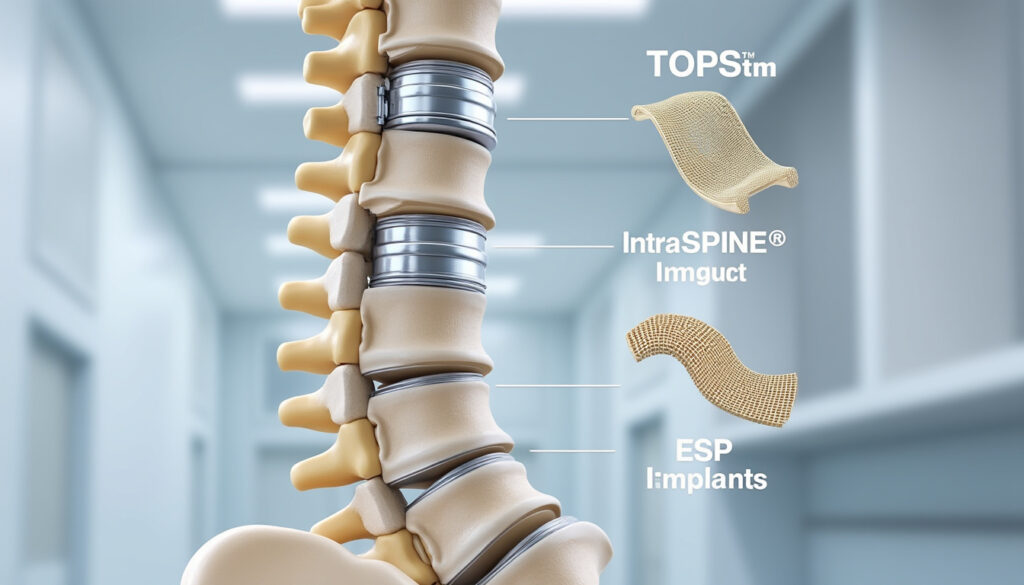
The evolving field of spinal surgery is witnessing a transformative shift, fueled by cutting-edge implant technologies such as TOPS, Intraspine, and ESP. These innovative implants redefine treatment possibilities by emphasizing preservation of natural spinal mechanics, while ensuring durable stabilization and…
The Economic and Human Dimensions Behind the Conservative Versus Surgical Debate
Economic considerations carry significant weight in selecting between conservative and surgical routes. In Quebec, rising costs for private spine surgery combined with long wait periods in the public system fuel patients’ decisions to seek cross-border surgical care. France offers a competitive and integrated care package including advanced surgery, hospitalization, and follow-up rehabilitation services, often representing a cost-effective alternative. This financial calculus is pivotal in ensuring access without undue burden on patients and payers.
Beyond economics, the human aspect—patient anxiety, treatment expectations, and quality of life—is paramount. Coordinated care networks offer significant emotional and educational support, mitigating concerns about surgery while optimizing adherence to conservative protocols. Transparency in communicating treatment risks and benefits equips patients to participate actively in decision-making processes.
The success of either approach relies heavily on individualized assessment and mutual understanding between clinicians and patients, with shared goals of pain relief, functional restoration, and long-term well-being. Programs emphasizing multidisciplinary collaboration further enhance psychological resilience and satisfaction during recovery phases.

Preparing for Surgery in France: Key Indications, Benefits, and Limitations
In an evolving global healthcare landscape, France emerges as a beacon of advanced surgical expertise, particularly attracting international patients seeking expedited and innovative medical interventions. Patients from regions experiencing long wait times, such as Quebec, increasingly view France as an…
Personalizing Patient Care: Clinical Decision-Making in Contemporary Medical Practices
The selection between conservative treatments and surgical interventions hinges upon clinical expertise, patient preferences, and imaging findings. Protocols emphasize an evidence-based stepwise approach, where extensive conservative management is a prerequisite, with surgery reserved for specific criteria such as neurological deterioration or persistent pain unresponsive to advanced therapies.
The evaluation process involves comprehensive medical histories, physical assessments, and state-of-the-art imaging reviewed by multidisciplinary panels. This ensures tailoring of treatment plans to the patient’s pathology, lifestyle, and risk factors.
Emerging tools and clinical pathways, often presented at international symposia and specialized courses like those organized by the French Society of Spine Surgery, facilitate structured treatment algorithms fostering transparency and consistency in care. Patients are educated on realistic timelines, expected outcomes, and potential complications, promoting autonomy in their health decisions.
Such personalized care models exemplify the integration of scientific innovation and empathy, representing best practices across modern healthcare systems.
International Comparison: Exploring Conservative Treatments Versus Surgical Approaches
Notes: Use the filter button to display only criteria including the word “time”. Reset to show all criteria again.

Unveiling the Hidden Benefits of Quality and Certification in Devices
The landscape of device manufacturing and clinical application in 2026 has been fundamentally shaped by the rigorous interplay between quality management and certification processes. Within this complex framework, the hidden benefits of adhering to international standards and obtaining relevant certifications…
Tracking Functional Recovery: Stepwise Rehabilitation in International Patient Journeys
Post-treatment rehabilitation is integral to consolidating gains from both conservative and surgical care. Patients undergoing conservative treatment engage in progressive physical therapy focusing on strength, balance, and range-of-motion exercises, aiming to restore spinal function gradually over months. This stepwise functional recovery model supports long-term adherence to ergonomic and lifestyle changes, vital in sustaining benefits.
Following surgery, especially minimally invasive or motion preservation procedures, rehabilitation is critical for restoring mobility and preventing complications such as muscle atrophy or adjacent segment disease. Coordinated care between French surgical centers and Montreal-based follow-up services ensures continuity of care, monitoring clinical effectiveness and patient well-being over time.
Examples of such international collaboration have proven successful in achieving positive outcomes and lowering secondary surgery rates, emphasizing the value of integrated healthcare frameworks. This approach aligns with recent literature focusing on post-operative management to optimize outcome quality and patient satisfaction (stepwise functional recovery insights).

Why Experts Advocate for Comprehensive Preoperative Evaluations
In the complex and demanding field of spinal surgery, the emphasis on comprehensive preoperative evaluations has become a fundamental pillar supporting successful surgical outcomes. These evaluations, far beyond mere routine checks, integrate detailed analyses of patient health, surgical risk assessments,…
Integrating Patient Voices: Personal Stories Shaping Treatment Perspectives
Beyond clinical data, patient experiences provide vital insights into the efficacy and acceptability of conservative and surgical pathways. Narratives collected across transatlantic frameworks reveal diverse expectations, outcomes, and challenges faced during management of spinal disorders.
Many highlight the relief and enhanced quality of life following dynamic stabilization surgeries in France, attributing success to minimized pain and preserved movement. Conversely, stories from conservative treatment centers emphasize the importance of diligent adherence to rehabilitation protocols and lifestyle adjustments, with patients expressing appreciation for non-invasive strategies that avoid surgical risks.
This combination of personal testimonies enriches understanding of treatment impact beyond statistics, influencing ongoing healthcare improvements and patient-centered care innovations. Platforms such as SOS Herniated Disc actively share these experiences to educate and support prospective patients navigating complex treatment decisions (personal treatment stories and insights).
What factors determine whether conservative or surgical treatment is recommended?
Decisions depend on symptom severity, imaging findings, patient health status, and their response to conservative therapies. Surgery is considered when conservative care fails or if neurological deficits progress.
How do biomechanical advances improve surgical outcomes?
Innovative implants enable dynamic stabilization that preserves spinal motion, reduces adjacent segment degeneration, and improve functional recovery with less postoperative pain.
What are the risks associated with spinal surgeries?
Risks include infection (1-3%), nerve injury (1-2%), and the need for revision surgery, though minimized with minimally invasive methods and robotic assistance.
How does international coordination enhance patient care?
Cross-border collaboration allows access to specialized expertise, innovative treatments, and comprehensive follow-up, improving outcomes and patient satisfaction.
Are conservative treatments effective long-term?
In many cases, 60-80% of patients experience significant improvement with conservative care, reducing the need for surgery when adequately adhered to.
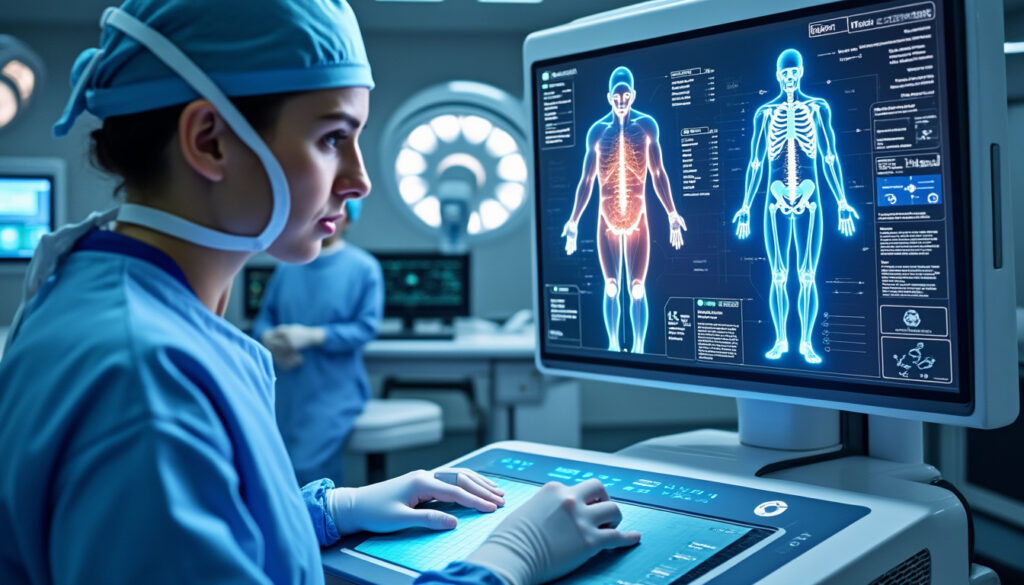
The Future of Surgery Lies in Stepwise Functional Recovery
The evolution of surgical care in 2026 reveals a compelling shift toward approaches that prioritize the holistic recovery of patients, moving beyond traditional metrics like length of hospital stay or mortality rates. This modern paradigm highlights the principle that the…