
Lumbar Disc Herniation in Southwest: A Beginner’s Guide and Neurovertebral Decompression Treatment Explained
November 28, 2025
How Post-Operative Monitoring After Back Surgery Enhances Clinical Outcomes
November 28, 2025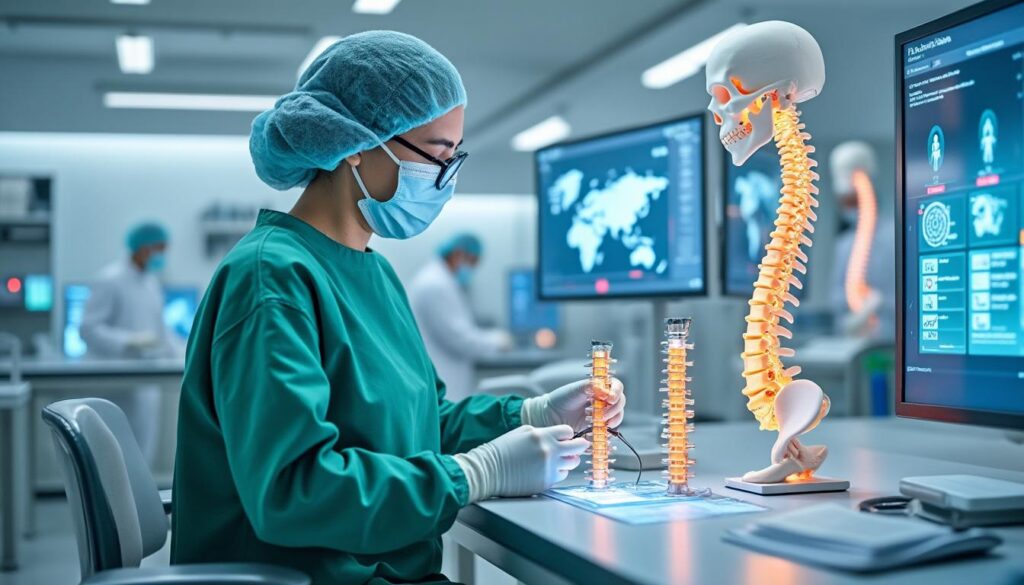
The field of spine care is rapidly evolving, presenting a complex landscape where simple surgical procedures, fusion techniques, and motion-preserving surgeries coexist as treatment modalities. With advancements in biomedical engineering, surgical robotics, and patient-centered care, practitioners and patients alike face nuanced decisions regarding the optimal approach. This article offers global insights into the comparative merits of these surgical options, highlighting the biomechanics, functional outcomes, and cutting-edge innovations influencing spine surgery today.
Increasing collaboration between international experts—from Quebec’s Dr. Sylvain Desforges to centers across France—has broadened access to innovative procedures and postoperative rehabilitation methods, heralding a new era of customizable spine treatments. Through the integration of dynamic spinal implants like TOPS and IntraSPINE alongside personalized rehabilitation by entities such as Neurothérapie Montréal, patient outcomes have improved remarkably. This transatlantic partnership underscores the importance of ethical, scientifically grounded practices that balance innovation with individualized care and accessibility.
Global Overview of Simple Surgery in Spine Care: Indications and Patient Outcomes
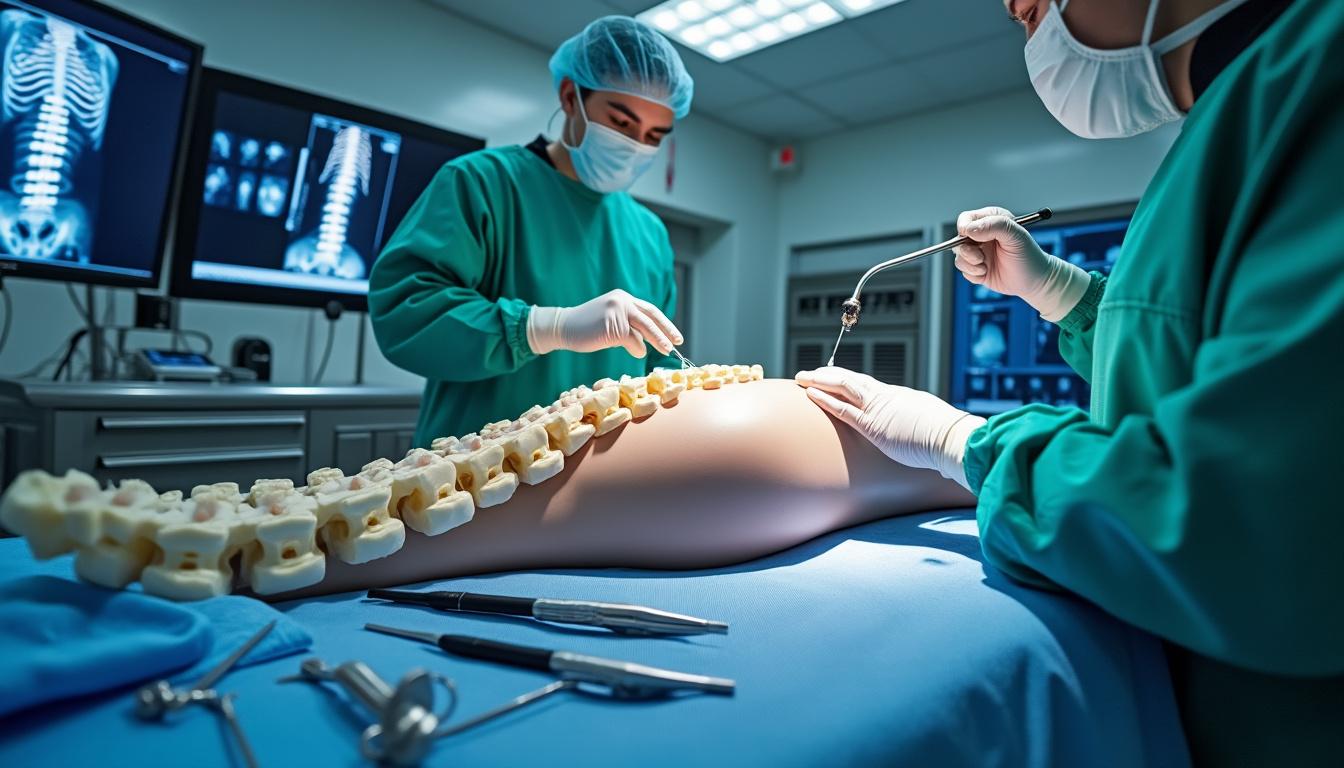
Simple spine surgeries primarily involve decompression procedures aimed at relieving localized nerve compression without the use of rigid fixation. These interventions are typically indicated for conditions such as herniated discs or mild to moderate spinal stenosis. Their minimally invasive nature, often performed under microdiscectomy or endoscopic techniques, results in less tissue trauma, shorter hospital stays—frequently under 48 hours—and expedited recovery timelines.
Among the significant advantages of simple surgery are the preservation of spinal mobility and the avoidance of complications associated with hardware implantation. This approach suits patients whose spinal integrity remains intact without indications of instability or deformity. The clinical outcomes are generally positive, with rapid alleviation of pain and neurological symptoms, although potential risks include residual compression or symptom recurrence.
Healthcare practitioners emphasize structured patient selection and preoperative assessment to optimize these outcomes. For instance, centers like Trois-Rivières spine clinics have refined the application of minimally invasive surgery to enhance safety and efficacy. The following table summarizes key features of simple spine surgery.
| Aspect | Description |
|---|---|
| Objective | Decompression of neural elements |
| Impact on Mobility | Preservation of segmental motion |
| Hospital Stay | Typically less than 48 hours |
| Risks | Possible incomplete decompression, symptom recurrence |
Besides procedural advantages, the adoption of minimally invasive techniques has been supported by clinical studies emphasizing reduced postoperative pain and quicker return to daily activities. However, meticulous assessment remains vital to rule out underlying instability, which could necessitate more extensive surgical interventions. The following list details essential patient criteria for simple surgery candidacy:
- No evidence of spinal instability or deformity
- Localized neural compression confirmed by imaging
- Failure of conservative treatment after 3 to 6 months
- Patient preference for minimally invasive intervention
Given the significance of patient-specific factors, this surgical choice remains a cornerstone in modern spine care, forming a first-line surgical option for appropriate candidates.

Understanding Sciatic Pain: Key Symptoms and When to Seek Medical Advice
Sciatic pain is a prevalent condition impacting a wide demographic, manifesting primarily as intense pain radiating from the lower back down the leg. This pain stems from irritation or compression of the sciatic nerve, a major nerve extending through the…

The Stepwise Role of Functional Recovery in Achieving Successful Outcomes
The journey to full recovery following spinal surgery is often complex and multifaceted, demanding a meticulously structured approach to ensure optimal functional outcomes. In recent years, the concept of functional recovery through a stepwise approach has garnered significant attention in…
Understanding Spinal Fusion Techniques: Stabilization and Limitations
Spinal fusion surgery, a longstanding mainstay, is designed to stabilize severely unstable or deformed segments by permanently fusing adjacent vertebrae. While highly effective in correcting significant spinal pathologies—such as spondylolisthesis, degenerative disc disease with instability, and complex deformities—it results in the sacrifice of segmental motion, often accompanied by alterations in spinal biomechanics.
Postoperative outcomes after fusion typically involve longer hospital stays ranging from 2 to 5 days, with extended rehabilitation requirements. Despite its proven efficacy in providing durable stability and pain control, fusion has recognized drawbacks. These include the risk of pseudarthrosis (nonunion), increased stress and accelerated degeneration at adjacent segments, and potential limitations in patients’ functional activities due to loss of motion.
Recently, advances in fusion implants and interbody devices have improved fusion rates and complication prevention, yet careful patient selection and tailored surgical planning remain essential. For example, institutions like those referenced in National Center for Biotechnology Information publications have documented enhanced outcomes with modern fusion implants combined with minimally invasive approaches, reducing surgical trauma and hospital stays.
The table below details the core aspects of spinal fusion techniques.
| Aspect | Description |
|---|---|
| Objective | Permanent stabilization of spinal segments |
| Impact on Mobility | Loss of motion at fused segments |
| Hospital Stay | Typically 2 to 5 days |
| Risks | Pseudarthrosis, adjacent segment disease, reduced spinal flexibility |
Clinicians often balance the indications for fusion against potential adverse outcomes, influenced by evolving orthopedic techniques. As reported in discussions among spine surgeons, there is a notable shift toward integrating fusion selectively, especially when combined with motion-sparing alternatives for better overall functionality.
- Severe spinal instability or deformity warranting rigid fixation
- Failure of conservative and less invasive surgical interventions
- Cases involving deformities or fractures beyond the scope of motion preservation
- Patients willing to accept reduced spinal mobility for long-term stability

Transatlantic Patient Journey: Insights into Indications, Benefits, and Challenges
The emergence of the Transatlantic Patient Journey as a strategic model within healthcare continues to capture attention for its innovative potential, especially in specialized fields such as spinal surgery. This cross-border care pathway integrates rigorous medical evaluation from Quebec with…
The evolving field of spinal surgery is witnessing a transformative shift, fueled by cutting-edge implant technologies such as TOPS, Intraspine, and ESP. These innovative implants redefine treatment possibilities by emphasizing preservation of natural spinal mechanics, while ensuring durable stabilization and…
Motion-Preserving Surgical Techniques: Innovations and Patient Advantages
Motion-preserving spine surgery techniques, including dynamic stabilization and artificial disc replacement, signify a revolutionary shift in addressing spinal pathology. These approaches prioritize maintaining or restoring physiological motion at the affected segments while offering sufficient stabilization to alleviate neural compression and mechanical pain.
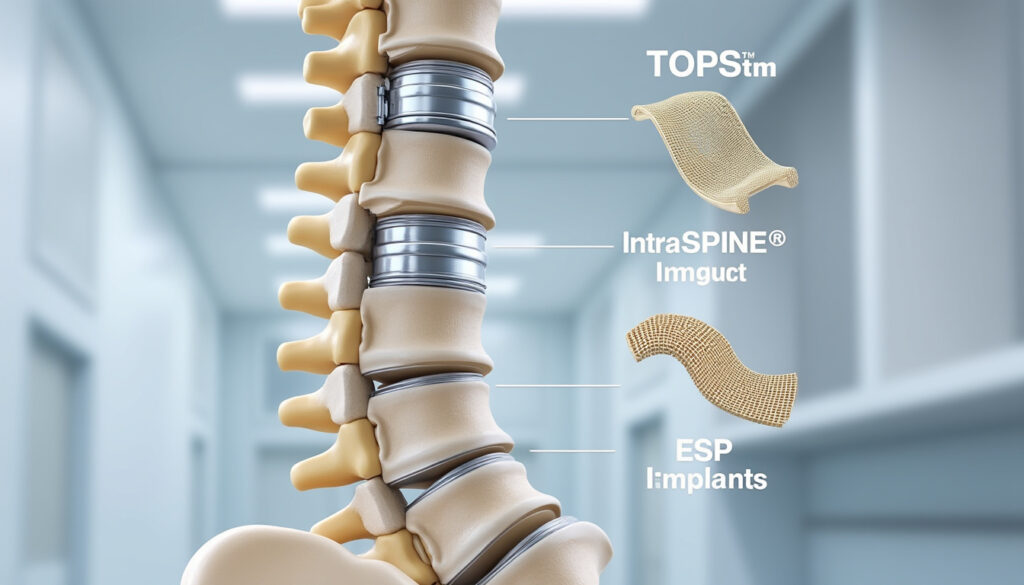
Innovative dynamic implants such as TOPS (Total Posterior Spine System) and IntraSPINE have been at the forefront in Terrebonne’s motion surgery procedures. These devices are designed to support flexion-extension, lateral bending, and rotational movements, thereby reducing the incidence of adjacent segment degeneration and preserving natural spinal mechanics.
Patients undergoing motion-preserving surgery generally experience hospitalizations lasting two to four days, coupled with rigorous postoperative follow-up. Clinical data indicate significant reductions in postoperative pain and improved functional outcomes compared to traditional fusion, particularly benefiting young and active individuals without significant deformities or instability.
| Implant | Indications | Hospital Stay | Clinical Advantages |
|---|---|---|---|
| TOPS | Dynamic posterior stabilization for lumbar disc disease without instability | 2-3 days | Preserves segmental motion, decreases adjacent segment stress |
| IntraSPINE | Interlaminar mobile prosthesis for lumbar decompression cases | 2-4 days | Maintains physiological mobility, reduces pain |
In addition to biomechanical benefits, motion surgery demands precise surgical technique and advanced imaging, often including robotic assistance and 3D navigation. Platforms such as eCential Robotics’ navigation systems have contributed significantly to improving accuracy and safety in implant placement.
- Preservation of spinal motion and flexibility
- Reduction in adjacent segment degeneration risk
- Suitable for younger, active patients without severe deformities
- Requires stringent postoperative monitoring and rehabilitation

Preparing for Surgery in France: Key Indications, Benefits, and Limitations
In an evolving global healthcare landscape, France emerges as a beacon of advanced surgical expertise, particularly attracting international patients seeking expedited and innovative medical interventions. Patients from regions experiencing long wait times, such as Quebec, increasingly view France as an…

Unveiling the Hidden Benefits of Quality and Certification in Devices
The landscape of device manufacturing and clinical application in 2026 has been fundamentally shaped by the rigorous interplay between quality management and certification processes. Within this complex framework, the hidden benefits of adhering to international standards and obtaining relevant certifications…
Biomolecular and Biomechanical Insights Underpinning Surgical Choices in Spine Care
Understanding the biomechanical implications of these surgical techniques is crucial in optimizing patient-specific treatment plans. Simple decompressions leave spinal biomechanics largely intact but may not address progressive instability. Fusion techniques alter load distribution by rigidifying spinal segments, potentially accelerating degenerative changes adjacent to fused levels. Motion-preserving implants aim to mediate these effects by providing stability without sacrificing flexibility.
Research indicates that dynamic stabilization attempts to distribute forces more physiologically, limiting hypermobility that contributes to pain and adjacent segment disease. The balance between rigidity and mobility is fundamental in improving long-term patient outcomes. Institutions globally, including research collaborations highlighted in ScienceDirect reviews on spine innovations, stress advancing design principles that approximate natural spinal kinematics.
Developing personalized surgical approaches requires integrating patient anatomy, pathology severity, and lifestyle factors. This individualized decision-making process reduces risks and maximizes functional recovery, also emphasizing the role of preoperative imaging, biomechanical modeling, and experimental validation.
- Simple surgery preserves native biomechanics but may be insufficient for unstable pathology
- Fusion restores stability at the expense of segmental mobility and adjacent stress
- Motion surgery offers an optimized compromise, preserving mobility and reducing secondary degeneration
- Advanced robotics and imaging support precise implant positioning and personalized treatment
Why Experts Advocate for Comprehensive Preoperative Evaluations
In the complex and demanding field of spinal surgery, the emphasis on comprehensive preoperative evaluations has become a fundamental pillar supporting successful surgical outcomes. These evaluations, far beyond mere routine checks, integrate detailed analyses of patient health, surgical risk assessments,…
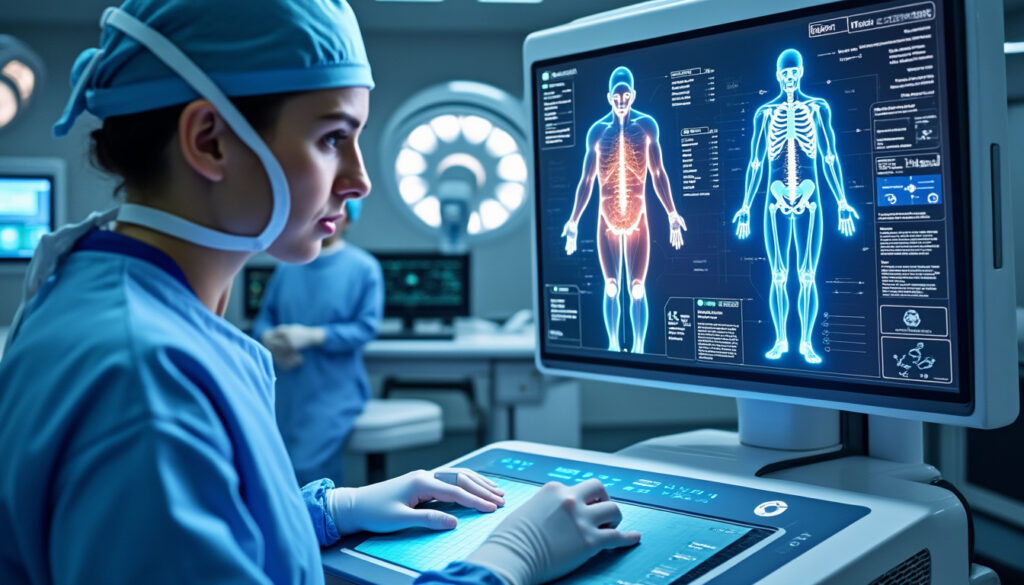
The Future of Surgery Lies in Stepwise Functional Recovery
The evolution of surgical care in 2026 reveals a compelling shift toward approaches that prioritize the holistic recovery of patients, moving beyond traditional metrics like length of hospital stay or mortality rates. This modern paradigm highlights the principle that the…
Global Perspectives on Minimally Invasive Surgery and Technological Advancements in Spine Care
Minimally invasive surgery (MISS) techniques have become a cornerstone in contemporary spinal surgery, markedly reducing tissue damage, operative time, and hospitalization duration. Procedures such as microdiscectomy, percutaneous screw fixation, and endoscopic decompression demonstrate improved recovery rates and diminished postoperative pain relative to traditional open surgeries.
These advancements support all three surgical categories—simple, fusion, and motion-preserving—ensuring safer, more refined interventions. Adoption of robotic systems and 3D navigation enhances surgical accuracy. The integration of such technology is exemplified by French centers leveraging European training and robotics programs and clinics engaging in knowledge exchange with Quebec-based experts.
Tables and comparisons across surgical modalities incorporating MISS highlight several advantages:
| Technique | Surgical Impact | Hospitalization | Technological Enhancements |
|---|---|---|---|
| Simple Surgery | Focused decompression with minimal tissue disruption | <48 hours | Endoscopic assistance, microsurgery |
| Fusion Techniques | Rigid stabilization using implants | 2-5 days | Percutaneous screw placement, robotic navigation |
| Motion Techniques | Dynamic stabilization preserving motion | 2-4 days | Navigation guidance, robotics, advanced implants |
- Minimized soft tissue damage
- Reduced blood loss and infection rates
- Shortened recovery time
- Enhanced precision with navigation and robotics
Centers specializing in minimally invasive surgery in Longueuil have demonstrated how these trends translate to notable improvements in patient outcomes and satisfaction. The global shift toward MISS heralds a more patient-friendly era of spine surgery.
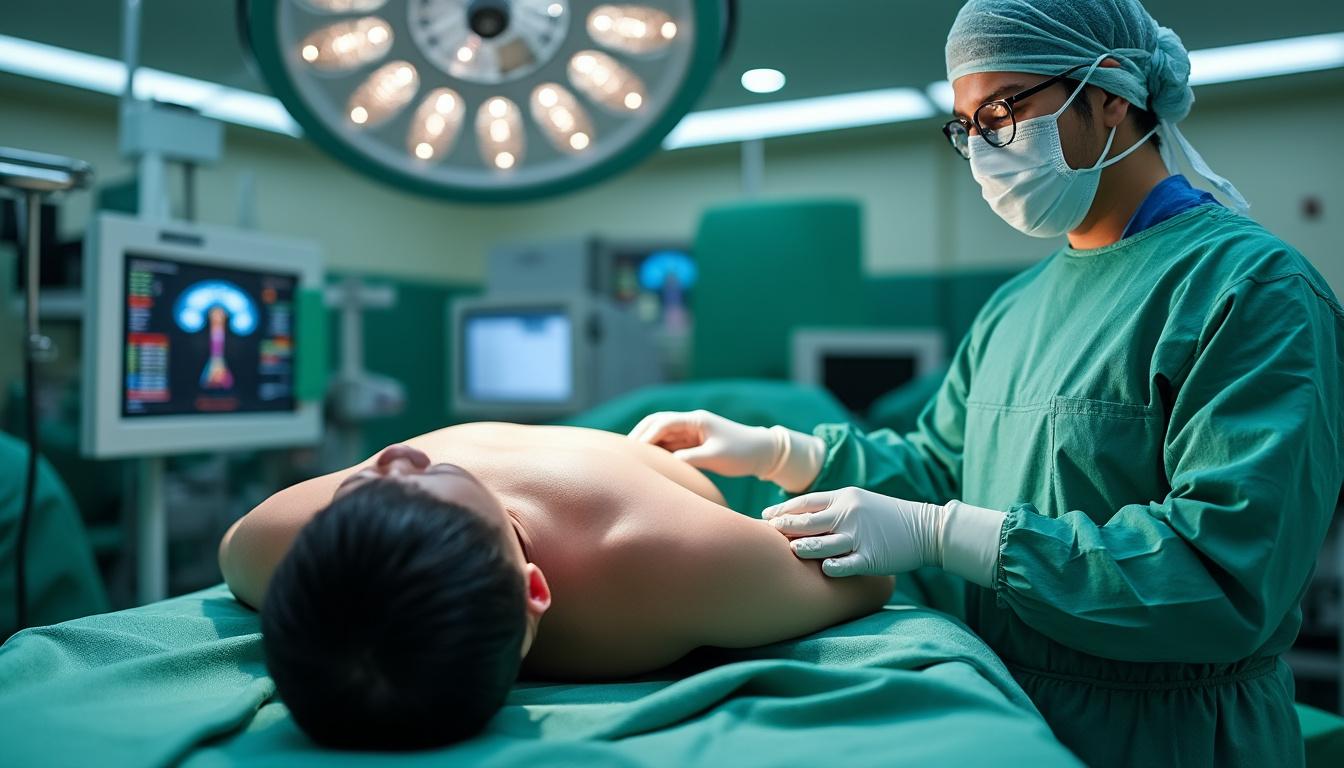
International Collaboration Enhances Postoperative Rehabilitation and Patient-Centered Care
The transatlantic partnership between Quebec and French institutions exemplifies how global cooperation enhances not only surgical techniques but also postoperative management. Through coordinated care pathways, patients benefit from specialized rehabilitation programs tailored to their surgery type, such as those overseen by Neurothérapie Montréal.
Postoperative rehabilitation focuses on optimizing function, minimizing pain, and preventing recurrence by integrating neurotherapy, physical therapy, and motion training. This holistic approach is especially relevant for motion-preserving surgeries, where recovery protocols emphasize tailored mobilization to maximize implant benefits.
The following components are essential for successful postoperative rehabilitation in spine care:
- Personalized physical therapy addressing mobility and strength
- Neurotherapeutic interventions facilitating neurological recovery
- Patient education promoting adherence and informed engagement
- Close monitoring to detect early complications and adjust care plans
With international collaboration ensuring continuity of care, these programs significantly enhance long-term outcomes and patient satisfaction. Insights from evidence-based conservative treatments and surgical transition strategies further underscore the value of this integrated model.
Comprehensive Surgical Comparison for Informed Decision-Making in Spine Care
Comparing the three major surgical options—simple surgery, fusion techniques, and motion-preserving methods—requires balancing considerations of effectiveness, invasiveness, recovery time, and long-term functional impact. Spine surgeons increasingly leverage evidence-based guidelines and technological advances to tailor interventions to individual patient profiles.
Recent literature contrasts the goals and outcomes of these techniques, as referenced in sources such as Precision Spine Care’s detailed comparisons and industry insights on balancing fusion and motion preservation. Key distinguishing factors include:
| Surgical Technique | Main Objective | Impact on Mobility | Hospitalization Duration | Typical Patient Profile |
|---|---|---|---|---|
| Simple Surgery | Decompression without fixation | Mobility preserved | <48 hours | Patients with localized disc herniation or mild stenosis |
| Fusion Techniques | Rigid segment stabilization | Loss of motion in fused segment | 2-5 days | Patients with instability, deformity, or degenerative disease |
| Motion Techniques | Dynamic stabilization, motion preservation | Mobility maintained | 2-4 days | Younger, active patients with disc disease but no severe instability |
- Simple surgery favors quick recovery and mobility preservation
- Fusion offers maximum stability with sacrifice of motion
- Motion surgery aims to combine stability and range of movement preservation
- Patient selection and informed consent remain paramount
This comprehensive understanding permits clinicians to navigate the complex decision-making process, aligning interventions with patient needs and expectations to optimize spine care globally.
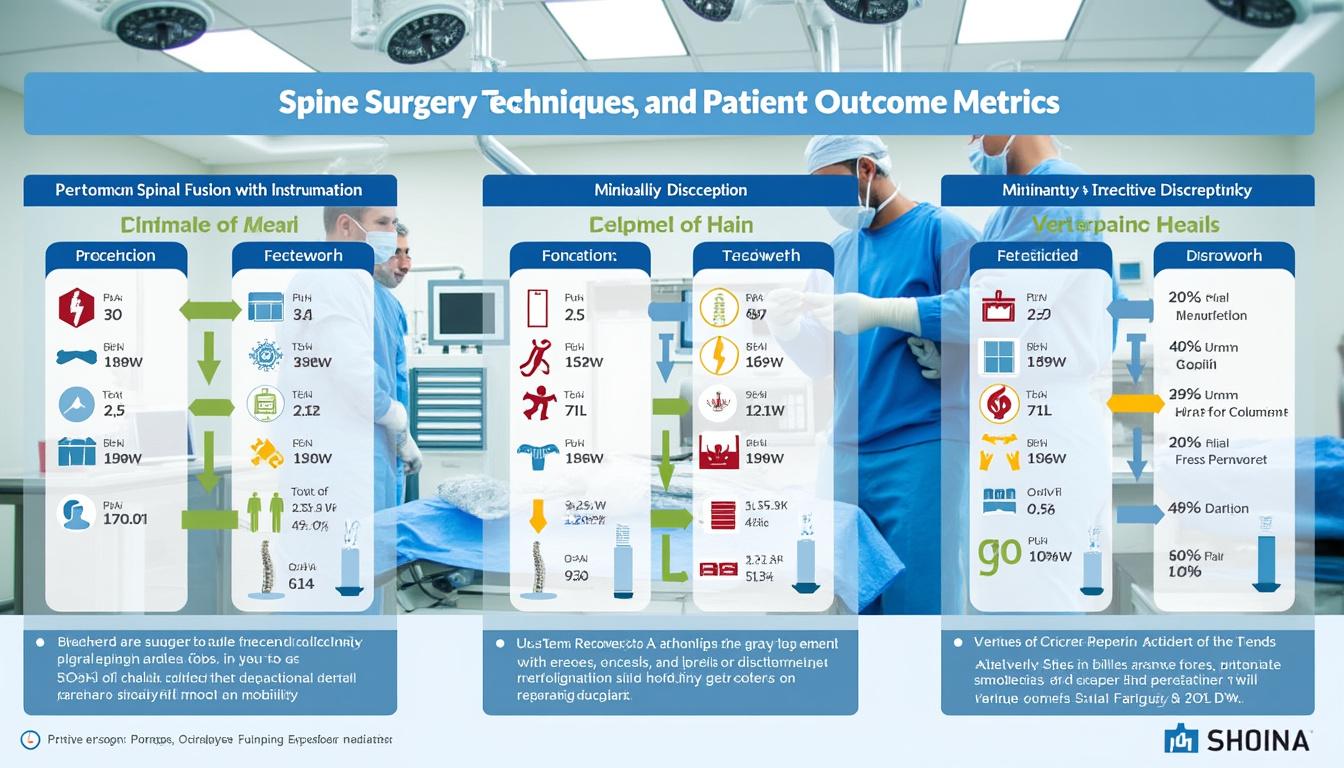
Comparaison des techniques chirurgicales en soins de la colonne vertébrale
What factors determine the choice between simple surgery and fusion?
Factors include the degree of spinal instability, deformity, severity of compression, patient age, activity levels, and response to conservative treatments. Fusion is often chosen for instability and deformity, whereas simple surgery suits cases with localized nerve compression.
How do motion-preserving techniques improve patient outcomes?
Motion-preserving surgeries maintain spinal mobility, reduce adjacent segment degeneration, and enhance quality of life by preserving physiological spine mechanics. Such techniques are especially beneficial for younger, active patients.
What role does minimally invasive surgery play in spine care?
Minimally invasive surgery reduces tissue damage, shortens hospital stays, lowers infection risk, and enhances recovery speed across all spine surgical techniques.
Why is postoperative rehabilitation important?
Tailored rehabilitation optimizes functional recovery, minimizes pain, prevents complications, and ensures sustained benefits of spine surgery.
Where can patients access advanced spine surgery techniques?
International partnerships, such as those between Quebec and French medical centers, facilitate access to innovative procedures, including dynamic implants, supported by comprehensive care pathways and patient education.