How Pre-Surgical Preparation in France Transforms the Experience for Quebec Patients
November 17, 2025
Lumbar Disc Prosthesis in Saguenay: Clinically Proven Results
November 17, 2025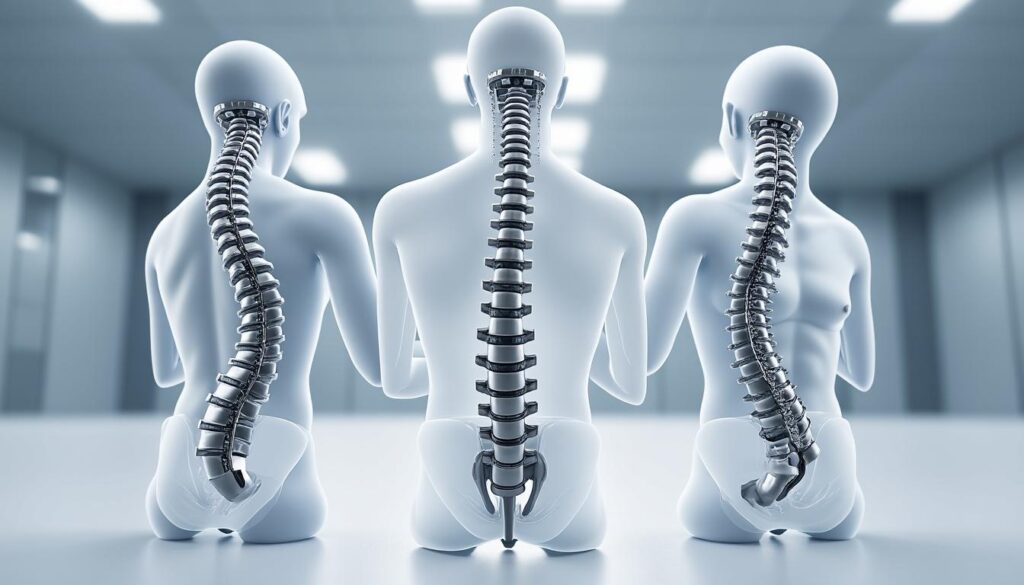
Spine surgery is undergoing a remarkable evolution in 2025, propelled by the advent of innovative spinal implants such as TOPS, Intraspine, and ESP. These cutting-edge orthopedic devices provide patient spine solutions that move beyond traditional fusion techniques by preserving natural spinal biomechanics while ensuring segmental stability. Québécois and Canadian patients now benefit from a unique, coordinated healthcare pathway involving top-tier specialists in France, who bring decades of clinical expertise combined with pioneering technologies like minimally invasive spine approaches and robotic surgical assistance. Together, these advances in cutting-edge spine technology redefine recovery, pain management, and long-term functional outcomes.
The paradigm shift from rigid spinal fusion to dynamic stabilization implants reflects an increasing understanding of the importance of maintaining spinal motion segments in preserving quality of life and reducing the incidence of adjacent segment disease. Patient-centric approaches emphasize tailored implant selection, preoperative evaluation, and postoperative rehabilitation, underscored by comprehensive care pathways that cross international borders. This article offers a detailed exploration of the biomechanical principles, technological innovations, and clinical benefits behind the TOPS, Intraspine, and ESP systems, illustrating how these advanced spine systems are transforming spine surgery innovation today.
Advanced Biomechanics and Surgical Indications of TOPS, Intraspine, and ESP Spinal Implants
The foundation of these advanced spinal implants lies in their dynamic biomechanical design that preserves physiological motion while stabilizing degenerative or unstable segments. Unlike traditional fusion that immobilizes vertebrae, these implants allow controlled movement, reducing mechanical stress transferred to adjacent spinal levels and consequently lowering degeneration risk.
The TOPS (Total Posterior Solution) system offers a multidirectional stabilization platform enabling flexion-extension, axial rotation, and lateral bending. Developed through extensive European collaboration, it primarily addresses lumbar spinal stenosis, degenerative spondylolisthesis, and selective facet joint pathologies. The device replaces resected posterior elements during decompression and stabilizes the operative segment without sacrificing range of motion. Clinical experience spans over 30 years with a robust safety profile, making it an ideal choice for patients seeking alternatives to spinal fusion.
In contrast, the Intraspine implant serves as a dynamic interlaminar spacer positioned between spinous processes. Its biomechanical role centers on limiting segmental instability in patients with chronic low back pain associated with localized degenerative changes. Being minimally invasive, Intraspine facilitates neural decompression while permitting partial physiological motion, contributing to reduced postoperative pain and faster recuperation.
The ESP system integrates elastic components to provide moderate stabilization, absorbing mechanical loads and preserving segmental flexibility. This elasticity is vital in managing mild to moderate segmental instabilities where complete fusion might be overtreatment. By balancing support and mobility, ESP improves functional outcomes and mitigates risks inherent to rigid constructs.
- Key advantages: Preservation of natural spinal mobility, reduction in adjacent segment disease, enhanced postoperative recovery.
- Suitable indications: Lumbar spinal stenosis, spondylolisthesis, chronic mechanical low back pain with moderate instability.
- Limitations: Necessitates careful patient selection and surgical expertise; not recommended for complex deformities.
| Implant | Type of Stabilization | Indications | Advantages | Limitations |
|---|---|---|---|---|
| TOPS | Multidirectional motion | Degenerative spondylolisthesis, lumbar stenosis | Preserves full mobility; robust segmental stabilization | Requires experienced surgeons; strict case selection |
| Intraspine | Dynamic interlaminar spacer | Chronic low back pain, moderate segmental instability | Minimally invasive approach; quick recovery | Limited to specific instability cases |
| ESP | Elastic stabilization | Mild to moderate spinal instabilities | Maintains spinal flexibility; prevents adjacent degeneration | Not suitable for severe deformities |
These innovations carry CE certification and some models have FDA approval, ensuring stringent standards of safety and efficacy. Multidisciplinary evaluations, such as those conducted at specialized centers like the Clinique TAGMED in Montreal, tailor device selection to each patient’s biomechanical profile, optimizing outcomes while minimizing risks. Exploring further, sources such as details on the TOPS system provide comprehensive insight into these spinal implants’ design and benefits.
Understanding Sciatic Pain: Key Symptoms and When to Seek Medical Advice
Sciatic pain is a prevalent condition impacting a wide demographic, manifesting primarily as intense pain radiating from the lower back down the leg. This pain stems from irritation or compression of the sciatic nerve, a major nerve extending through the…
The Role of French Centers and Surgical Experts in Advancing Spine Surgery Innovation for Canadian Patients
France’s leadership in spinal surgery is a result of sustained collaboration between technological development and clinical expertise. Over thirty years, renowned institutions like the CHU Toulouse, Hôpital Privé Saint-Martin in Pessac, and the Clinique de Bordeaux have cultivated rich experience performing thousands of advanced spinal surgeries annually.
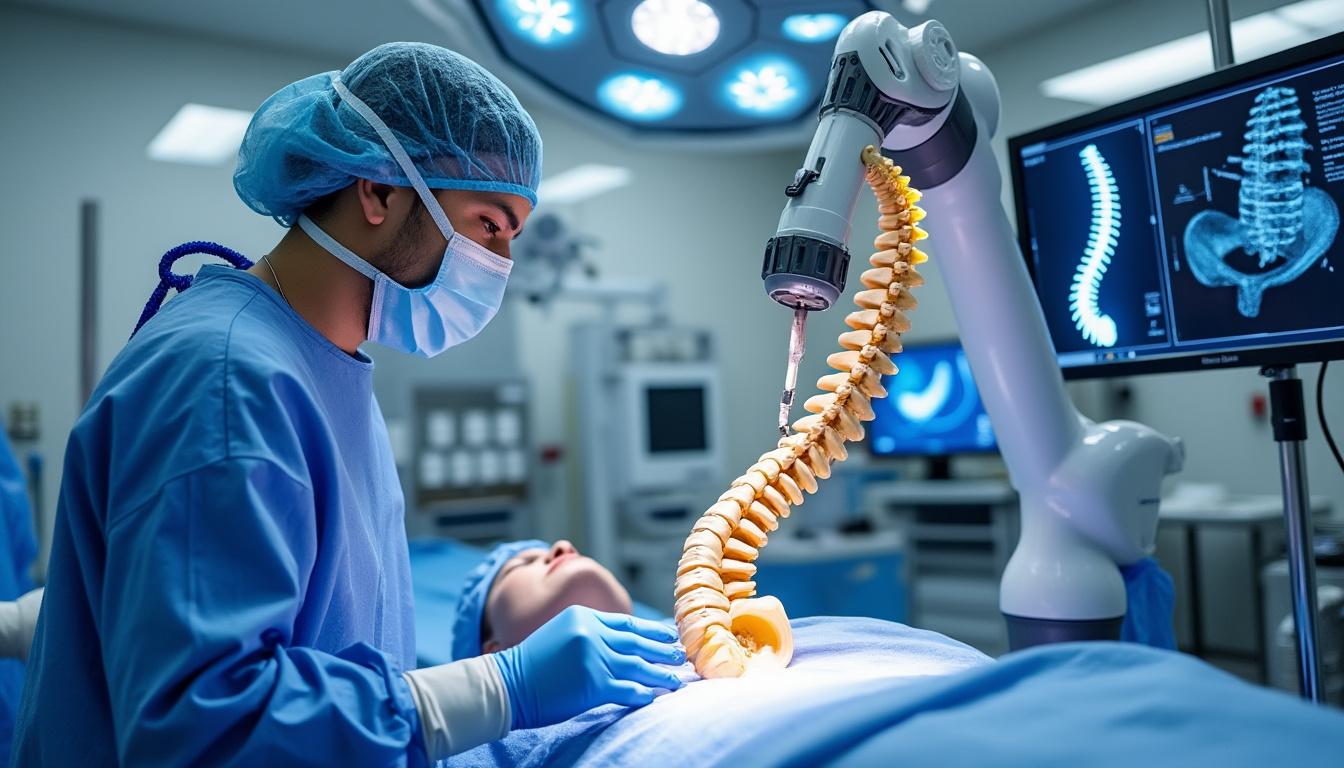
The hallmark of French centers is their integration of robotic-assisted surgery, notably with platforms such as the Mazor Robot from Medtronic, which enhances precision under complex anatomical constraints. Coupled with 3D preoperative planning software, this technology enables millimeter-accurate placements of dynamic implants like TOPS and Intraspine, critical for their biomechanical effectiveness. Patients from Quebec and Canada are increasingly leveraging this expertise through coordinated medical tourism pathways, facilitated by logistical partners such as Franchir. This organization manages flights, accommodations, and surgery appointments, streamlining international care access.
- Leading French hospitals: CHU Toulouse, Hôpital Privé Saint-Martin, Clinique de Bordeaux, Centre Hospitalier Le Mans.
- Technological assets: Robotic surgery, 3D imaging, bioactive implant materials.
- Support structures: Franchir for logistics, Neurothérapie Montréal for post-surgical rehabilitation and psychological support.
| Medical Center | Location | Key Technologies | Spinal Implants Offered | Additional Services |
|---|---|---|---|---|
| Hôpital Privé Saint-Martin | Pessac | Mazor Robot (robot-assisted surgery), 3D surgical planning | TOPS, dynamic stabilization | Experienced surgical teams, personalized planning |
| CHU Toulouse | Toulouse | Mini-invasive techniques, advanced navigation | Intraspine, ESP | Multidisciplinary consultations |
| Centre Hospitalier Le Mans | Le Mans | Intraoperative imaging | Arthrodesis and dynamic implants | International patient coordination |
| Clinique Bordeaux | Bordeaux | Robotics and novel biomaterials | Dynamic prostheses | Comprehensive patient support |
This network ensures that international patients have access to the best spine surgery innovation available, combining technical excellence with compassionate care. Discover more on how these advancements impact patient outcomes through patient insights on spinal surgery in France.

The Stepwise Role of Functional Recovery in Achieving Successful Outcomes
The journey to full recovery following spinal surgery is often complex and multifaceted, demanding a meticulously structured approach to ensure optimal functional outcomes. In recent years, the concept of functional recovery through a stepwise approach has garnered significant attention in…
Step-by-Step Patient Journey: From Quebec Assessment to Recovery with TOPS Implants
For patients in Quebec considering advanced spinal implants, the treatment course is structured and patient-focused. It initiates with an in-depth conservative evaluation at Montreal’s Clinique TAGMED, where specialists like Dr. Sylvain Desforges provide comprehensive clinical assessments and supervise conservative therapies, including groundbreaking robot-assisted neurovertebral decompression. This phase, typically 3 to 6 months, aims to delay or avoid surgical intervention when possible.
Upon surgical candidacy confirmation, Franchir coordinates all logistical aspects of the patient’s journey to France. This includes arranging flights, accommodation, and seamless scheduling with expert surgeons. Surgery then proceeds at a partner institution through minimally invasive techniques augmented by robotics and 3D preoperative planning, resulting in precise implant placement and reduced surgical trauma.
- Initial conservative care: Bypass unnecessary surgery, optimize symptom control.
- International coordination: Ensures travel and medical schedules align perfectly.
- Modern surgical techniques: Robotics, 3D modeling, and minimally invasive procedures.
- Customized implant choice: Patient-specific to optimize biomechanics and pain relief.
- Comprehensive post-op rehabilitation: Conducted back in Quebec by Neurothérapie Montréal.
| Treatment Stage | Key Activities | Responsible Organization | Patient Benefit |
|---|---|---|---|
| Evaluation | Conservative therapies and clinical assessment | Clinique TAGMED (Montreal) | Avoids unnecessary surgeries |
| Logistics | Flight and accommodation management | Franchir | Smooth, timely care access |
| Surgery | Robotic-assisted, minimally invasive spinal implantation | French surgical centers | Improved accuracy and reduced trauma |
| Postoperative Care | Rehabilitation, psychological support, complication monitoring | Neurothérapie Montréal | Supports full and durable recovery |
This collaborative care trajectory exemplifies how medical innovation, logistical support, and rehabilitative services interconnect to optimize patient outcomes. More details on this pathway can be found at featured spinal care programs.
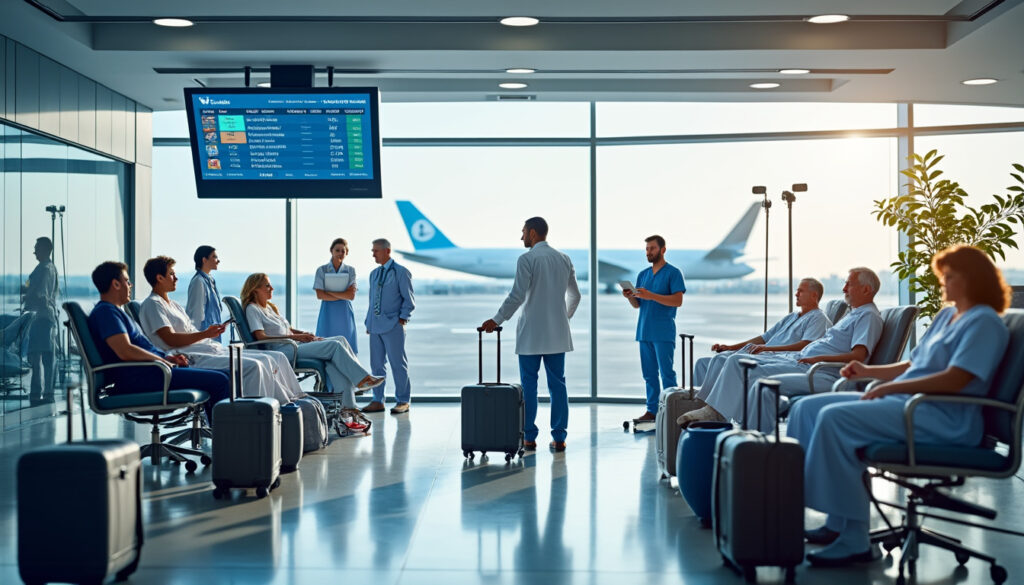
Transatlantic Patient Journey: Insights into Indications, Benefits, and Challenges
The emergence of the Transatlantic Patient Journey as a strategic model within healthcare continues to capture attention for its innovative potential, especially in specialized fields such as spinal surgery. This cross-border care pathway integrates rigorous medical evaluation from Quebec with…
Material Science and Technological Innovations Empowering the TOPS Spinal Implant
The TOPS implant exemplifies the fusion of advanced biomaterials and precision engineering. Comprising biocompatible medical-grade titanium, specialized stainless steel, and high-density polyethylene components, the system is engineered to replicate and support natural spinal mechanics.
Medical titanium ensures excellent osteointegration, providing long-term anchorage to vertebral bone without inflammatory reactions. The specialized stainless steel frame offers superior mechanical strength to withstand spinal loads, while the polyethylene inserts contribute to shock absorption, reducing wear and ensuring smooth segmental movements.
The integration of cutting-edge technologies complements material excellence. Personalized 3D modeling tools from industry leaders enable pre-surgical customization, ensuring optimal fit and function for individual spinal anatomy. Surgical deployment is further enhanced by robotic guidance systems such as the Mazor platform, which facilitates minimally invasive implantation with unparalleled accuracy. This synergy mitigates operative risks, expedites recovery, and enhances implant longevity.
- Biomaterials: Titanium for osteointegration, steel for mechanical endurance, polyethylene for cushioning.
- Technologies integrated: 3D anatomical modeling, robotic-assisted precision surgery, mini-invasive approaches.
- Clinical benefits: Motion preservation, segmental stress distribution, and reduced adjacent segment degeneration.
| Component | Property | Benefit to TOPS System |
|---|---|---|
| Medical-grade Titanium | Biocompatible, lightweight, corrosion resistant | Optimizes osteointegration, implant longevity |
| Specialized Stainless Steel | High mechanical strength and durability | Supports spinal load, ensures structural integrity |
| High-density Polyethylene | Shock absorption, wear resistance | Preserves biomechanics, improves patient comfort |
Singular in the orthopedic devices landscape, the TOPS implant epitomizes how material science fuels spine surgery innovation. Interested readers may consult Cutting Edge Spine for further discussions on technological breakthroughs in spinal implants.
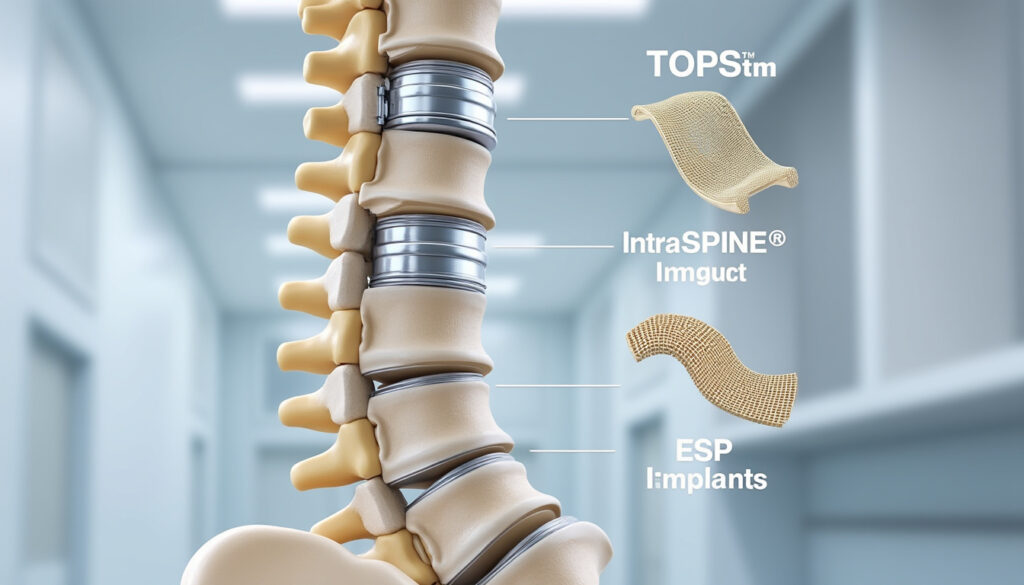
The evolving field of spinal surgery is witnessing a transformative shift, fueled by cutting-edge implant technologies such as TOPS, Intraspine, and ESP. These innovative implants redefine treatment possibilities by emphasizing preservation of natural spinal mechanics, while ensuring durable stabilization and…
Comparing Spinal Care Approaches: France vs. Quebec and Their Role in Patient Outcomes
With the globalization of healthcare, comparing clinical practices between regions like France and Quebec reveals distinct strategies and shared goals in managing degenerative spinal conditions. France leverages centralized expert centers with advanced robotic and imaging technologies, whereas Quebec emphasizes conservative care and coordinated referrals, reflecting different healthcare system structures.
Best practices include integrating personalized care with cutting-edge spine technology, as exemplified by the transatlantic partnerships enabling Quebec patients to access French surgical expertise. This collaboration ensures that candidates for spinal implants benefit from both preoperative conservative management and state-of-the-art operative techniques. Such integration improves safety profiles and functional outcomes.
- France: Emphasis on robotic-assisted surgery, specialized training programs (e.g., DIU Chirurgie du Rachis), multidisciplinary consultation.
- Quebec: Focus on conservative management, advanced diagnostics, and rehabilitation.
- Joint benefits: Enhanced clinical expertise, reduced complication rates, optimized patient recovery.
| Region | Clinical Focus | Technological Infrastructure | Outcome Implications |
|---|---|---|---|
| France | Advanced surgery with implants and robotics | Robotic navigation, 3D imaging, minimally invasive tools | Improved precision and reduced surgery-related morbidity |
| Quebec | Conservative therapies and rehabilitation | Specialist clinics, neurodecompression techniques | Delays surgery, optimizes readiness and outcomes |
For a more in-depth analysis, readers are encouraged to explore the comprehensive comparison available at how spinal care approaches between France and Quebec enhance outcomes.
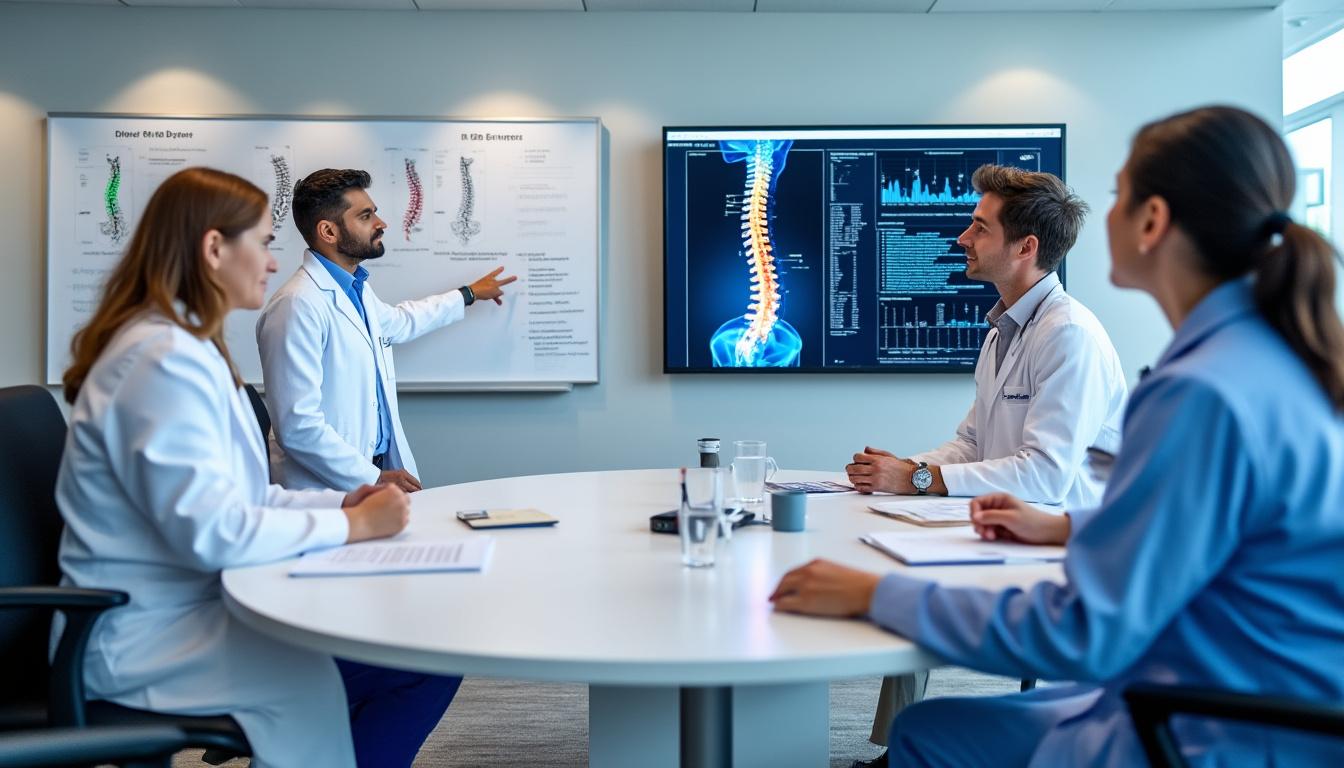
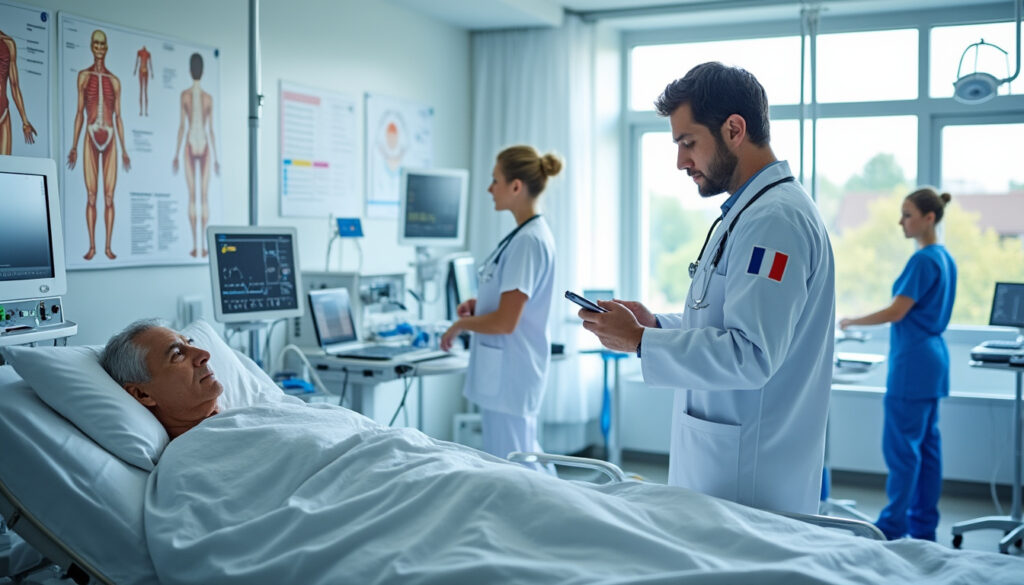
Preparing for Surgery in France: Key Indications, Benefits, and Limitations
In an evolving global healthcare landscape, France emerges as a beacon of advanced surgical expertise, particularly attracting international patients seeking expedited and innovative medical interventions. Patients from regions experiencing long wait times, such as Quebec, increasingly view France as an…
Exploring Minimally Invasive Spine Techniques Complementing Advanced Implantation
The rise of minimally invasive spine (MIS) surgery complements the use of dynamic implants by minimizing tissue damage, reducing blood loss, and shortening hospital stays. Techniques such as percutaneous screw placement and endoscopic decompression align well with the goals of preserving spinal biomechanics with implants like TOPS and Intraspine.
Robotic assistance also plays a critical role in MIS, offering enhanced visualization and instrument control. This technological synergy fosters precise implant positioning while accelerating patient recovery. Early mobilization post-MIS implantation correlates with notable decreases in chronic pain and improved functional independence.
- Benefits of MIS in spinal implant surgery:
- Less muscle and soft tissue trauma
- Reduced postoperative pain and opioid use
- Shorter hospitalization duration
- Preservation of normal spinal motions
- Less muscle and soft tissue trauma
- Reduced postoperative pain and opioid use
- Shorter hospitalization duration
- Preservation of normal spinal motions
- Integration with robotic navigation: Enhances accuracy and safety
- Examples: Mazor robotic platform, endoscopic spinal decompression
Centers like Hôpital Privé Saint-Martin and CHU Toulouse routinely incorporate these practices, raising the overall standard of care. Those interested may consider insights on minimally invasive surgery and spinal biomechanics preservation.

Unveiling the Hidden Benefits of Quality and Certification in Devices
The landscape of device manufacturing and clinical application in 2026 has been fundamentally shaped by the rigorous interplay between quality management and certification processes. Within this complex framework, the hidden benefits of adhering to international standards and obtaining relevant certifications…
Personalized Rehabilitation: The Critical Link to Long-Term Success After Implant Surgery
Postoperative care is pivotal in determining the success of spinal implant surgeries. Neurothérapie Montréal illustrates a model for personalized rehabilitation addressing physical recovery and psychological well-being. Their multidisciplinary programs include tailored physiotherapy, patient education, and continuous monitoring for complications.
Engagement in customized rehabilitation regimens enhances muscle strength, joint mobility, and functional capacity, crucial for maintaining the biomechanical benefits achieved surgically. Psychological support further assists in managing pain perception and hastening return to daily activities. The integration of telemedicine tools facilitates ongoing assessments regardless of patient location.
- Components of personalized rehab:
- Adaptive physical therapy focusing on core and paraspinal muscles
- Psychological counseling for coping with chronic pain
- Complication surveillance including infection and implant stability
- Virtual follow-up and education tools
- Adaptive physical therapy focusing on core and paraspinal muscles
- Psychological counseling for coping with chronic pain
- Complication surveillance including infection and implant stability
- Virtual follow-up and education tools
- Outcomes: Accelerated functional recovery, improved quality of life, reduced reoperation rates.
- Supporting organizations: Neurothérapie Montréal, health cooperatives.
Such comprehensive rehabilitation programs ensure the durability of the innovative spinal implants’ clinical benefits, extending beyond the operating room. For additional insights, explore narratives at spinal surgery follow-up care.
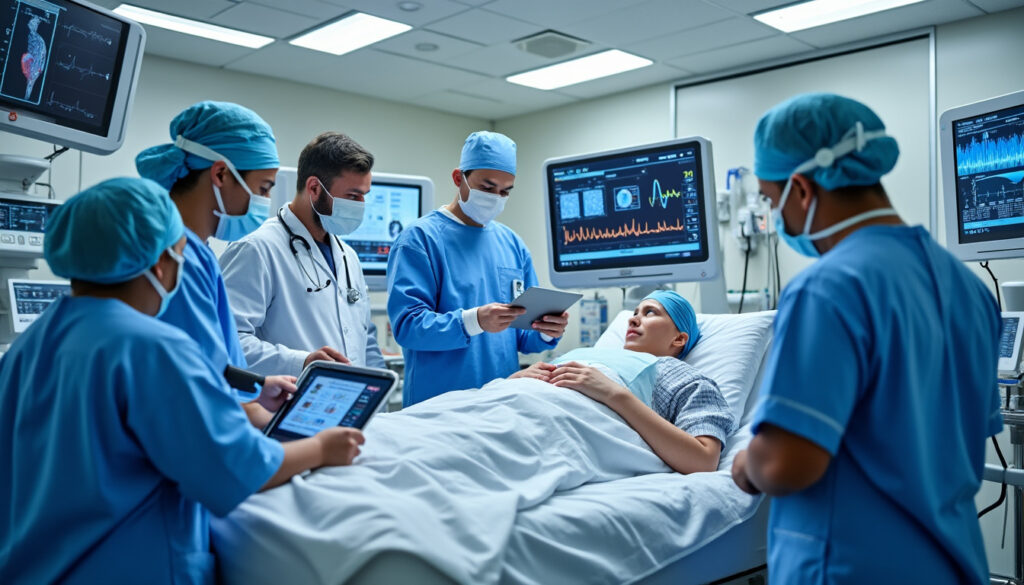
Why Experts Advocate for Comprehensive Preoperative Evaluations
In the complex and demanding field of spinal surgery, the emphasis on comprehensive preoperative evaluations has become a fundamental pillar supporting successful surgical outcomes. These evaluations, far beyond mere routine checks, integrate detailed analyses of patient health, surgical risk assessments,…
Patient Selection and Eligibility Criteria for Advanced Dynamic Spinal Implants
Not every patient qualifies for dynamic spinal implants like TOPS, Intraspine, or ESP. Rigorous criteria ensure optimal therapeutic outcomes while mitigating risks. Evaluation encompasses detailed clinical exams, imaging studies, and thorough biomechanical assessments.
Ideal candidates typically present with:
- Mild to moderate lumbar spinal stenosis or spondylolisthesis
- Preserved adjacent segment health without excessive degenerative changes
- Failure of appropriately administered conservative treatments spanning 3 to 6 months
- Good overall health enabling toleration of surgery and rehabilitation
Cases involving complex spinal deformities, severe osteoporosis, or multi-level instability often warrant alternative interventions where fusion remains appropriate. Surgeons apply experience-based judgment alongside checklist protocols to refine candidacy. Referral to specialized centers like those in France ensures access to comprehensive multidisciplinary evaluations and advanced diagnostic tools.
| Eligibility Factor | Details | Clinical Rationale |
|---|---|---|
| Pathology severity | Mild to moderate stenosis or instability | Dynamic implants offer motion preservation in early to moderate disease |
| Adjacent segment condition | Healthy discs and facets nearby | Prevents accelerated degeneration post-implant |
| Previous treatments | Conservative therapies tried 3-6 months | Avoids unnecessary surgery |
| Patient health status | Medically fit for surgery and rehab | Supports optimal recovery |
Ensure preoperative discussions cover benefits, risks, and alternatives extensively. A resourceful overview is accessible via expert opinions on dynamic spinal implants.
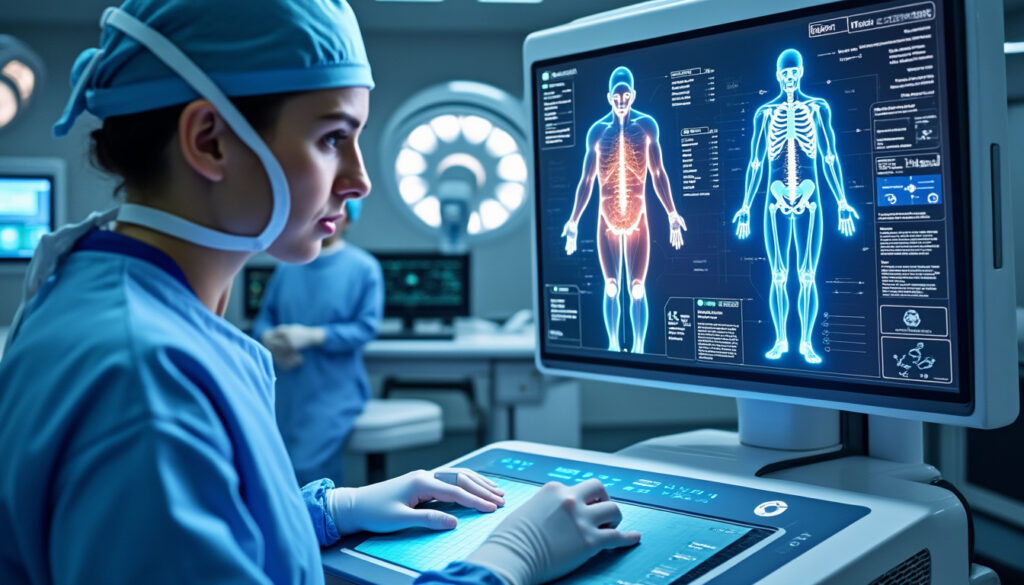
The Future of Surgery Lies in Stepwise Functional Recovery
The evolution of surgical care in 2026 reveals a compelling shift toward approaches that prioritize the holistic recovery of patients, moving beyond traditional metrics like length of hospital stay or mortality rates. This modern paradigm highlights the principle that the…
Long-Term Outcomes and Future Perspectives of Dynamic Spinal Implants
Emerging data suggests that patients receiving implants like TOPS experience meaningful improvements in pain relief, function, and mobility preservation compared to traditional fusion surgery. Longitudinal studies document reduced revision rates and fewer adjacent segment complications, fostering enhanced quality of life.
Innovation continues with ongoing enhancements in implant materials, customization through 3D printing, and integration with augmented reality for procedural guidance. Expanded accessibility to these dynamic implants is envisioned via growing international collaborations and evolving reimbursement frameworks.
- Documented advantages:
- Improved functional outcomes
- Lower incidence of secondary adjacent segment disease
- Decreased need for revision surgeries
- Improved functional outcomes
- Lower incidence of secondary adjacent segment disease
- Decreased need for revision surgeries
- Innovative trends:
- Customization through additive manufacturing
- AI-assisted surgical planning
- Enhanced biomaterials with bioactive coatings
- Customization through additive manufacturing
- AI-assisted surgical planning
- Enhanced biomaterials with bioactive coatings
- Collaborative care models: Transcontinental partnerships improving global spine surgery standards
| Aspect | Current Status | Future Outlook |
|---|---|---|
| Functionality | Preserved segmental mobility | Further enhancements in motion preservation |
| Safety | Reduced adjacent segment degeneration | Advanced biomaterials optimizing biocompatibility |
| Technology | Robot-assisted implantation | Integration with augmented and virtual reality |
For deeper understanding, one may explore the revolutionary impact of these technologies as presented on platforms like top spine implants transforming the field.
Vue comparative des implants spinaux TOPS, Intraspine et ESP
| Caractéristique | TOPS | Intraspine | ESP |
|---|
Filtre les lignes du tableau selon le texte saisi
What are the main advantages of dynamic spinal implants over traditional fusion?
Dynamic implants such as TOPS, Intraspine, and ESP preserve natural spine mobility, reduce postoperative pain, and decrease mechanical overload on adjacent spinal segments, thereby lowering the risk of secondary degeneration.
How is the medical journey organized for a Quebec patient considering TOPS surgery?
The journey starts with a conservative evaluation at Clinique TAGMED led by Dr. Sylvain Desforges. Once surgery is approved, Franchir arranges all logistics including travel to France, where expert surgeons perform the procedure. Postoperative follow-up is personalized through Neurothérapie Montréal.
Are the implants used in France certified for international use?
Yes, implants like TOPS, Intraspine, and ESP have CE certification and some hold FDA approval, ensuring compliance with international safety, traceability, and performance standards.
Is it necessary to attempt conservative treatments before surgery?
Protocols typically recommend 3 to 6 months of specialized conservative treatments, including robotic-assisted neurovertebral decompression at Clinique TAGMED, to minimize the need for surgery whenever possible.
What role does Neurothérapie Montréal play in post-surgical care?
Neurothérapie Montréal provides comprehensive support including tailored physical rehabilitation, psychological counseling, and continuous monitoring for potential complications, facilitating a full and durable recovery.